
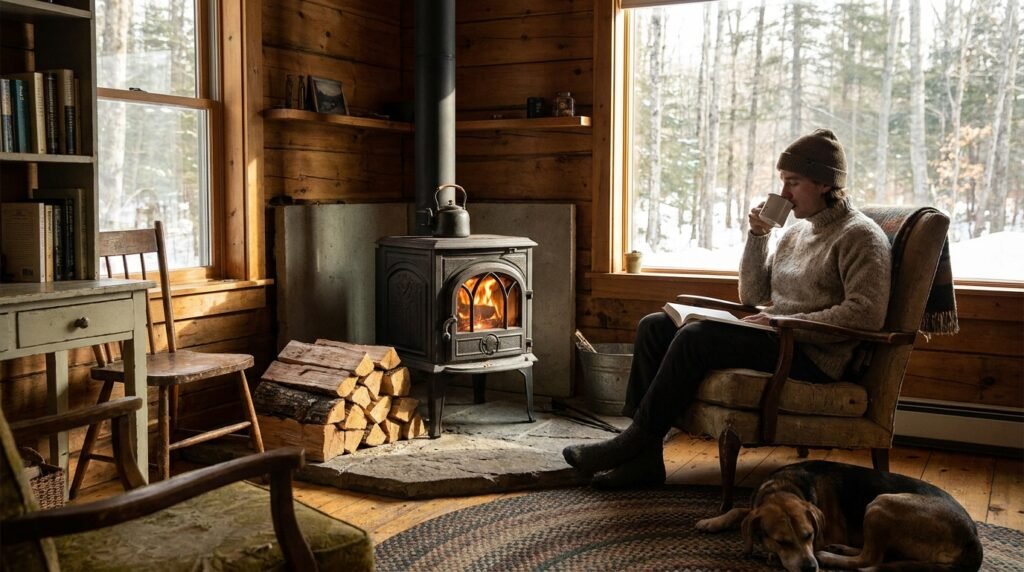
When you’re looking to heat a small cabin, a wood stove is often the most practical and charming option. The best wood stoves for small cabins offer a good balance of effective heating, compact design, and reasonable cost, helping you keep warm without taking up too much space or using too much money. You’ll want something that can adequately heat your square footage without constant tending, and ideally, something that fits your cabin’s aesthetic.
Table of Contents
Understanding Your Cabin’s Heating Needs
Before getting into specific models, it’s really helpful to have a clear understanding of what your cabin actually requires. Not all “small” cabins are the same, and neither are all wood stoves. Thinking about a few key aspects will guide you to a much better decision.
Sizing Up Your Space
The most crucial factor is the square footage you need to heat. A stove that’s too small won’t keep you warm, and one that’s too large will constantly overheat your cabin, forcing you to open windows or dampen the fire excessively, which isn’t efficient. For typical small cabins, we’re generally talking about spaces ranging from a few hundred square feet up to around 1,200 square feet.
Many of the top recommendations for small cabins are rated to handle anywhere from 250 to 1,200 square feet. For instance, the Drolet Escape 1200 N and the Englander Blue Ridge 100 N both fall into this range, making them versatile options for many cabin sizes within that bracket. If your cabin is on the smaller end of “small,” like a tiny house or a truly compact bunkhouse, you might lean towards something like the Morsø 6143 B, which is specifically recommended for very small cabins due to its modest output and compact size.
Considering Insulation and Climate
The listed heating capacity of a stove is often based on ideal conditions – a well-insulated space in a moderate climate. If your cabin is older, less insulated, or located in a region with extremely cold winters, you might need a stove with a slightly higher BTU output than the bare minimum for your square footage. Conversely, a super-insulated, modern cabin in a milder climate might do perfectly fine with a smaller, more efficient stove. Think about how much heat loss your cabin experiences. Drafty windows or thin walls require your stove to work harder.
Installation Requirements and Location
Wood stoves aren’t just about the stove itself; they require proper ventilation and clearance from combustible materials. Even a compact stove needs a certain amount of space around it. You’ll need a suitable hearth pad and a chimney system that’s correctly sized and installed. Before purchasing, scope out the exact spot where you plan to put the stove. Measure the available floor space and consider the minimum clearance requirements specified by the manufacturer. Some models are designed to be installed closer to walls with the right heat shielding, which can be a real space-saver in a tiny cabin.
If you’re considering the best wood stoves for small cabins, you might also find it helpful to explore options for maintaining clean water in your off-grid living space. A related article that delves into this topic is The Best Off-Grid Water Filtration System, which provides insights on selecting effective water filtration systems that can complement your cabin setup. Ensuring a reliable water source is just as crucial as having a dependable heating solution, making both articles essential for anyone looking to enhance their off-grid experience.
Top Picks for Small Cabin Wood Stoves
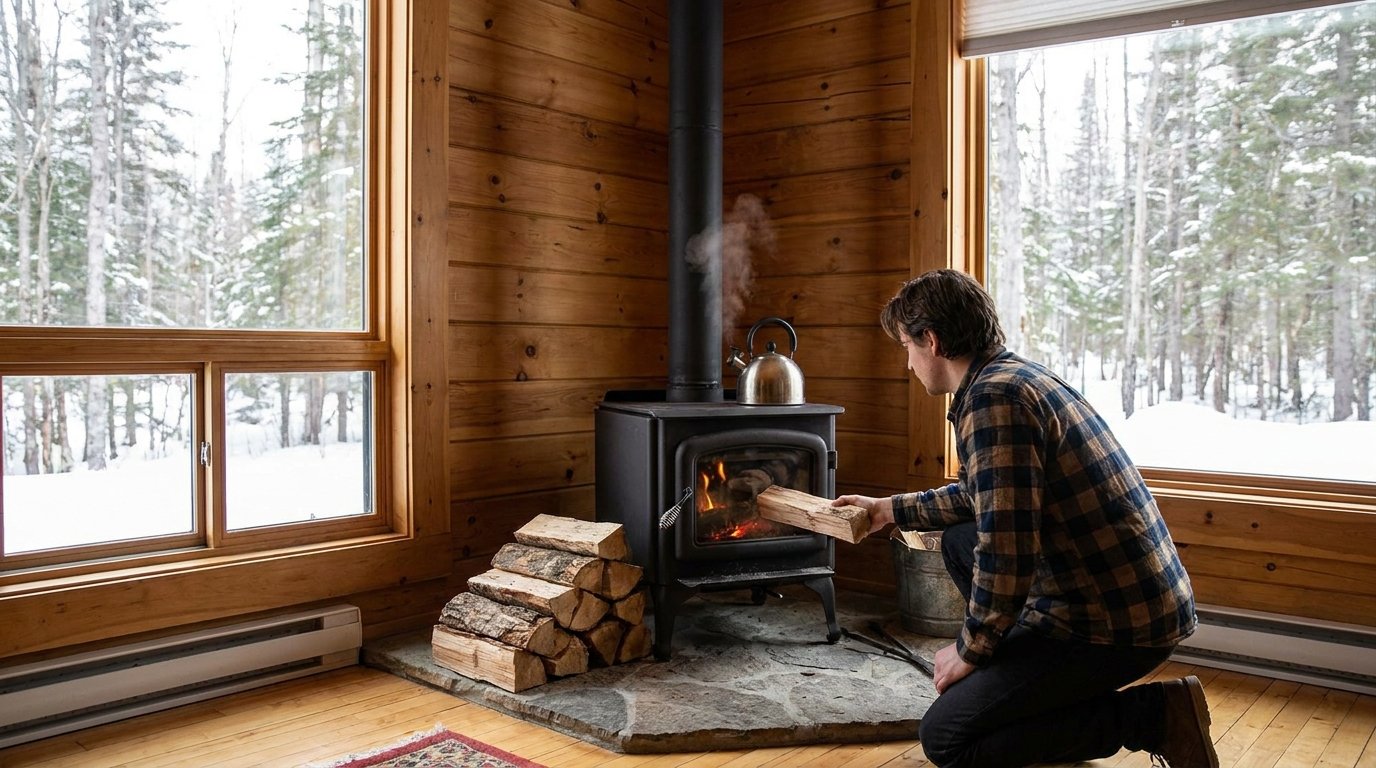
Let’s get down to some specific models that consistently come up as excellent choices for small cabin owners. These stoves offer a good blend of efficiency, features, and price points.
Drolet Escape 1200 N
The Drolet Escape 1200 N is a strong contender, frequently highlighted as a top pick for small homes and cabins. It’s rated to heat spaces from 250 to 1,200 square feet, which covers a broad spectrum of small cabin sizes. Priced at $1,129, it offers a solid balance of performance and affordability. Drolet is known for its robust and reliable stoves, and this model is no exception. It generally features a clean-burning design, which is important for efficiency and reducing creosote buildup. Its mid-range capacity means it won’t overwhelm a very small space but can still provide ample heat for a moderately sized cabin.
Englander Blue Ridge 100 N
Another excellent option for cabins is the Englander Blue Ridge 100 N. This stove is similarly priced at $1,099 and covers the same heating area of 250–1,200 square feet. A notable advantage often associated with Englander models, including this one, is faster shipping compared to some rivals, which can be a big plus if you’re on a tight schedule to get your cabin heated. Englander stoves are generally designed with practicality and ease of use in mind, making them a good choice for those who might be newer to wood stove operation. They tend to be straightforward to install and operate, focusing on consistent heat output.
Century S250
If you’re looking for an immediately available option, the Century S250 often stands out as an in-stock choice. It’s priced at $1,199 and designed for spaces up to 1,200 square feet. Availability can be a real factor, especially during peak heating season, so a readily available model like the Century S250 can save you time and frustration. Century stoves, often associated with similar brands, generally offer good value for their performance, providing reliable heat without a huge upfront investment.
Comfort Glow Mighty Mini (CGWS750)
For truly space-constrained cabins, the Comfort Glow Mighty Mini (CGWS750) is a standout. As its name suggests, it excels in space-saving design, making it perfect where every inch counts. It’s also EPA certified, which means it meets strict emissions standards, burning cleaner and more efficiently. This model is rated for heating up to 750 square feet, which is ideal for smaller cabins, workshops, or even a primary heat source for a very tiny home. Its compact footprint doesn’t sacrifice performance for its size, delivering effective warmth.
Morsø 6143 B
When your cabin is truly tiny, the Morsø 6143 B comes highly recommended. It’s specifically noted for very small cabins due to its compact size and modest output. Morsø is a Danish brand known for its high-quality cast iron stoves, which are incredibly durable and radiate heat very effectively. While it might be a higher price point than some of the entry-level steel stoves, the longevity, craftsmanship, and efficient burning of a Morsø often justify the investment for those who appreciate quality and design. Its smaller output means it won’t overheat a tiny space, making it comfortable to use.
Pacific Energy Vista LE2
Described as the “best all-around” cabin stove in a recent buying guide, the Pacific Energy Vista LE2 offers a fantastic balance of features. It boasts a 1.4 cubic foot firebox, which is a good size for extended burn times without being overly large, and it can accommodate logs up to 18 inches long. This means fewer trips to the woodpile and longer periods of warmth. Pacific Energy is renowned for its clean-burning technology and durable construction. The Vista LE2 is often praised for its ease of operation, good heat output, and sleek design that can complement various cabin aesthetics. It represents a premium option that delivers consistent performance.
Jøtul F 35 Rockwood
A newer addition to Jøtul’s respected line, the Jøtul F 35 Rockwood is described as a small heater suitable for a house or camp. Jøtul is another premium Norwegian brand famous for its cast iron stoves, known for their classic looks, efficiency, and exceptional durability. The F 35 Rockwood likely continues this tradition, offering reliable heat in a compact form factor. While exact specifications may vary, Jøtul stoves generally provide radiant heat that is very comfortable and consistent, and they are built to last for decades. This would be a great choice for someone looking for a high-quality, long-term heating solution with a touch of timeless style.
Key Features to Look For
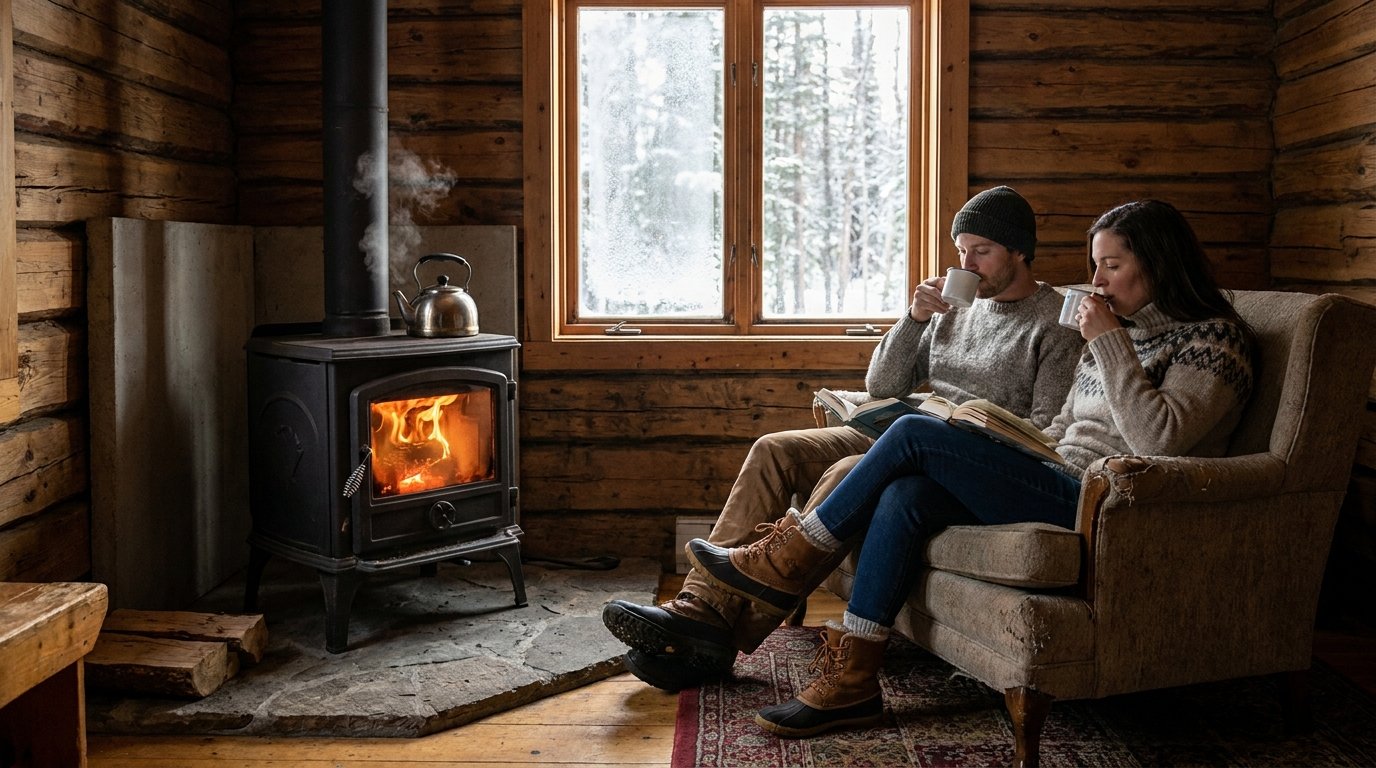
Beyond specific models, understanding the features that make a wood stove good for a small cabin will empower you to make an informed choice. These elements directly impact performance, convenience, and safety.
EPA Certification
Always look for EPA-certified stoves. This isn’t just a regulatory checkbox; it’s a mark of efficiency and cleaner burning. EPA-certified stoves burn less wood to produce the same amount of heat, which saves you money and reduces your environmental impact. They also produce fewer particulates, meaning less creosote buildup in your chimney and a lower risk of chimney fires. The Comfort Glow Mighty Mini, for example, highlights its EPA certification as a key benefit.
Firebox Size and Burn Time
The size of the firebox dictates how many logs you can load at once and, consequently, how long the stove will burn on a single load. For a cabin, especially if you’re not there all the time, a longer burn time is invaluable. You don’t want to be constantly reloading the stove, especially overnight. A 1.4 cubic foot firebox, like that in the Pacific Energy Vista LE2, allows for longer logs (up to 18 inches) and can provide extended heat, often lasting through the night on a good load of seasoned hardwood. Smaller fireboxes are fine for very tiny cabins where constant high heat isn’t needed, but be aware you’ll be reloading more often.
Heat Output (BTUs)
Heat output is measured in British Thermal Units (BTUs). While specific BTU numbers aren’t always explicitly listed for every model, the square footage rating gives you a good proxy. A stove rated for 750 square feet will have a lower maximum BTU output than one rated for 1,200 square feet. It’s important to match the BTU output to your cabin’s needs. Too high, and you’ll be baking; too low, and you’ll be cold. As mentioned earlier, factor in your cabin’s insulation and local climate when considering the ideal BTU range.
Construction Material: Steel vs. Cast Iron
Wood stoves are typically made from either steel or cast iron, and each has its pros and cons.
- Steel stoves tend to heat up faster and often cost less. They are generally welded, which can lead to a more airtight construction. Many of the more affordable and readily available stoves, like the Drolet and Englander models, are primarily steel. They are durable and often have a more modern, clean aesthetic.
- Cast iron stoves, like those from Morsø and Jøtul, are renowned for their ability to hold and radiate heat for a longer period after the fire has died down. They heat up slower but provide a more even, comfortable radiant heat. Cast iron stoves are often highly decorative and have a classic, timeless appeal, but they are typically heavier and more expensive.
Neither is inherently “better”; it truly comes down to preference, budget, and desired aesthetic.
Air Wash System
An air wash system is a design feature that helps keep the glass on the stove door clean, allowing you to enjoy the view of the flames. It works by directing a stream of preheated air down over the inside of the glass, preventing smoke and soot from accumulating. This is a common feature on many modern, efficient stoves and makes for a much more enjoyable experience.
Installation and Safety Considerations
Getting the right stove is only half the battle. Proper installation and ongoing safety practices are paramount, especially in a small cabin where space is at a premium and risks can be magnified.
Proper Clearances
Every wood stove comes with specific minimum clearance requirements from combustible materials (walls, ceilings, furniture, etc.). These clearances are critical for preventing fires. Never guess or try to “wing it.” Always follow the manufacturer’s instructions precisely. For small cabins, this can be a challenge, but there are solutions. Heat shields, for example, can sometimes reduce the required clearances, allowing you to place the stove closer to a wall. Ensure these shields are approved for use with your specific stove and installed correctly.
Hearth Pad Requirements
Your wood stove must sit on a non-combustible hearth pad that extends beyond the stove’s dimensions according to manufacturer specifications. This protects your floor from radiant heat and stray embers. The hearth pad often needs to be a certain thickness and material (e.g., stone, tile, brick over concrete board). Again, consult the stove’s manual for precise requirements.
Chimney and Flue System
A properly sized and installed chimney system is crucial for safety and efficient operation. The chimney needs to create sufficient draft to pull smoke and combustion byproducts out of the cabin.
- Size: The flue diameter must match the stove’s flue collar diameter.
- Height: The chimney must extend to a sufficient height above the roofline (typically at least 3 feet above the highest point where it passes through the roof, and at least 2 feet higher than any part of the building within 10 feet horizontally).
- Type: Use only approved chimney components for wood stoves, typically listed as “Class A” or “HT” (high temperature) chimney pipe. Double-wall insulated pipe is generally recommended, especially where it passes through combustible spaces like walls or ceilings.
- Insulation: In colder climates, an insulated chimney can help maintain flue gas temperature, reducing creosote buildup and improving draft.
Carbon Monoxide Detectors and Smoke Alarms
This is non-negotiable. Install both a carbon monoxide detector and a smoke alarm in your cabin. Carbon monoxide is an odorless, colorless gas that can be deadly, and it’s a risk with any combustion appliance. Test these devices regularly.
Fuel Storage
Store your firewood in a dry, well-ventilated area outside your cabin, away from the stove itself. Bringing in a small amount for immediate use is fine, but don’t stack large quantities inside the cabin, especially not too close to the stove. Proper seasoning of wood is also key; dry, seasoned wood burns more efficiently and produces less creosote than green wood.
When considering the best wood stoves for small cabins, it’s also important to think about efficient waste management solutions that complement your off-grid lifestyle. For instance, you might find it beneficial to explore options for waste treatment systems that are suitable for remote living. A related article discusses the differences between composting and septic systems, which can help you make an informed decision for your cabin setup. You can read more about it in this insightful piece on waste treatment options.
Budgeting and Shopping Tips
| Model | Heating Capacity (sq ft) | Max BTU Output | Efficiency (%) | Weight (lbs) | Dimensions (HxWxD in inches) | Fuel Type |
|---|---|---|---|---|---|---|
| Vermont Castings Intrepid | 1,200 | 60,000 | 75 | 250 | 26 x 24 x 20 | Wood |
| Jotul F 602 | 1,000 | 50,000 | 78 | 230 | 25 x 22 x 18 | Wood |
| Englander 1500 | 1,500 | 65,000 | 72 | 210 | 28 x 23 x 19 | Wood |
| Drolet HT2000 | 1,200 | 60,000 | 70 | 220 | 27 x 24 x 20 | Wood |
| US Stove 2000 | 1,000 | 55,000 | 68 | 240 | 26 x 22 x 18 | Wood |
Purchasing a wood stove involves more than just the stove itself. Having a clear budget and understanding where you can save or splurge will help you navigate the process smoothly.
The Cost Breakdown
When budgeting, consider these components:
- The Stove Itself: As seen, prices for good small cabin stoves range from around $1,100 to potentially much more for premium, imported cast iron models.
- Chimney Components: This can be a significant cost. You’ll need chimney pipe, stove pipe, stove pipe adapter, cap, flashing, supports, and potentially a thimble for wall or ceiling penetrations. The total can easily run several hundred to over a thousand dollars, depending on your cabin’s layout and chimney route.
- Hearth Pad: Pre-made pads are available, or you can build one. Budget for materials if DIY or for the pad itself.
- Installation: If you’re not doing it yourself, professional installation can add several hundred to over a thousand dollars. Certified installers ensure everything meets code.
- Accessories: Think about tools like a stove thermometer, hearth tools (poker, shovel), wood rack, and potentially a moisture meter for your firewood.
Finding Deals and Availability
- Seasonal Sales: Sometimes you can find deals outside of peak heating season (spring/summer).
- Local Dealers: While online prices are competitive, local dealers can offer valuable advice, handle installation, and provide service. They might also have floor models or clearance items.
- In-Stock Options: As highlighted with the Century S250, checking what’s actually in stock can save you weeks of waiting, especially important if you need a stove quickly.
- Shipping: Factor in shipping costs and times. Some companies offer faster shipping on certain models, like the Englander Blue Ridge 100 N.
Long-Term Value
While initial cost is important, also consider the long-term value. A more expensive, higher-quality stove (like a Morsø or Jøtul) might have a higher upfront cost but could offer superior efficiency, durability, and a longer lifespan, potentially saving you money on firewood and replacement costs in the long run. Also, an EPA-certified stove will save you wood and maintenance compared to an older, uncertified model.
Ultimately, choosing the best wood stove for your small cabin involves a bit of homework, but it’s a rewarding process. By understanding your specific needs, reviewing reliable options, and prioritizing safety, you’ll soon be enjoying the cozy, comforting warmth only a wood stove can provide.
FAQs
1. What are some key factors to consider when choosing a wood stove for a small cabin?
When selecting a wood stove for a small cabin, it’s important to consider the size of the stove to ensure it fits the space available, the heating capacity to adequately warm the cabin, the efficiency rating for cost-effectiveness, and the type of fuel it uses.
2. Are there wood stoves specifically designed for small cabins?
Yes, there are wood stoves specifically designed for small cabins. These stoves are typically compact in size to fit smaller spaces, have lower heating capacities suitable for small areas, and are often more efficient to maximize heat output.
3. What are some popular wood stove brands known for their quality and performance in small cabins?
Some popular wood stove brands known for their quality and performance in small cabins include Vermont Castings, Jotul, Hearthstone, Lopi, and Napoleon. These brands offer a range of options in terms of size, design, and heating capacity.
4. How can I ensure safe installation and operation of a wood stove in a small cabin?
To ensure safe installation and operation of a wood stove in a small cabin, it is recommended to have a professional install the stove according to local building codes and manufacturer guidelines. Regular maintenance, proper ventilation, and safe fuel storage are also essential for safe operation.
5. What are some additional features to look for in a wood stove for a small cabin?
Additional features to look for in a wood stove for a small cabin include air wash systems to keep the glass clean, ash pans for easy cleaning, adjustable airflow controls for temperature regulation, and optional accessories like cooking surfaces or decorative finishes.