Okay, let’s talk about how to protect water pipes from freezing and from turning into ice sculptures. The short answer is: insulation, draining, and letting a little water flow. Freezing pipes are a nightmare, leading to bursts, massive water damage, and a huge headache. But with a few practical steps, you can significantly reduce your risk.
Frozen pipes aren’t just an inconvenience; they’re a serious problem. When water freezes, it expands. This expansion creates immense pressure within your pipes, and eventually, that pressure will cause them to burst. The real damage usually happens when the ice thaws, and all that trapped water suddenly has a way out – often all over your floors, walls, and belongings.
Table of Contents
Why Do Pipes Freeze?
It’s not just about how cold it gets outside. Several factors contribute:
- Exposure: Pipes running through unheated spaces like crawl spaces, attics, garages, or even exterior walls are most vulnerable.
- Lack of Insulation: Uninsulated pipes lose heat quickly when temperatures drop.
- Poor Air Circulation: Stagnant cold air around pipes exacerbates the problem.
- Sudden Temperature Drops: A rapid plunge in temperature can catch you off guard.
- Insufficient Heating: If your home’s overall heating isn’t reaching certain areas, those pipes are at risk.
- Small Leaks: Even a tiny drip can lead to a block of ice forming faster.
- Water Velocity: Pipes with little or no water flow are more susceptible to freezing.
Identifying Vulnerable Pipes
Take a walk around your house. Where are the pipes that are most likely to freeze?
- Exterior Walls: Pipes running through outside walls are a prime target, especially in kitchens, bathrooms, or laundry rooms on external walls.
- Attics: If your attic isn’t well-insulated, pipes up there are exposed to extreme cold.
- Crawl Spaces: Similar to attics, unheated crawl spaces are very risky areas.
- Garages: Any pipes in an unheated garage, even if it’s attached to your house, are at high risk.
- Hose Bibs/Outdoor Faucets: These are designed to be outside and are often the first to freeze and burst if not properly winterized.
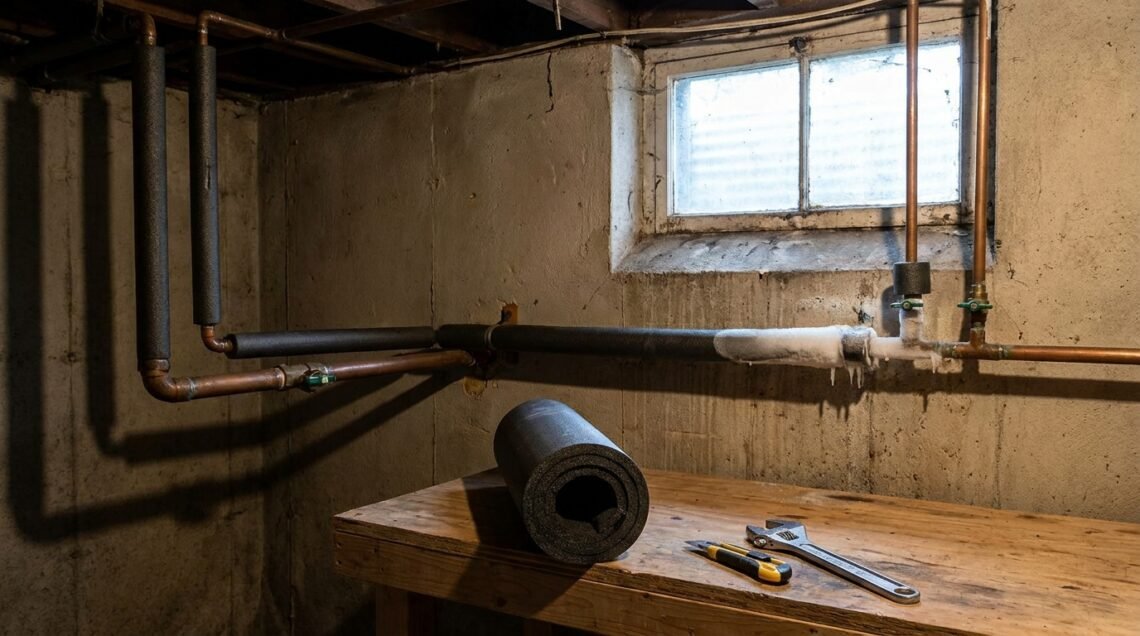
- Basements: Unfinished or poorly insulated basements can also pose a threat.
- Vacant Properties: Homes that aren’t being actively heated are extremely vulnerable.
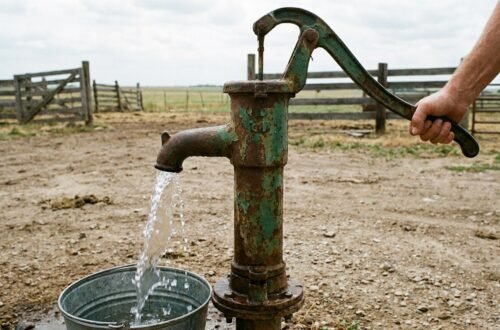
In addition to learning how to protect water pipes from freezing, homeowners may also find it beneficial to explore alternative water sources, especially in colder climates. A related article discusses the advantages of hand pumps for wells, which can provide a reliable water supply even in freezing temperatures. For more information on this topic, you can read the article here: Hand Pumps for Wells: Are They Worth It?.
Proactive Measures Before a Cold Snap
The best defense is a good offense. Take these steps before temperatures plummet.
Insulate, Insulate, Insulate
This is arguably your most important line of defense. Insulation acts as a barrier, slowing down heat loss from the water in your pipes.
- Foam Pipe Sleeves: These are cheap, easy to install, and readily available at hardware stores. They fit snugly around pipes. Measure your pipe diameter before buying.
- Fiberglass Insulation: For larger, more exposed areas like crawl spaces, you might consider wrapping pipes with fiberglass insulation, similar to what’s used in walls. Ensure it’s covered to prevent moisture absorption.
- Heat Tape/Cables: For extremely vulnerable sections or pipes that have a history of freezing, heat tape or heat cables are a good solution. These are electrical devices that gently warm the pipe. Crucially, follow the manufacturer’s instructions carefully for installation and use to avoid fire hazards. Don’t overlap self-regulating cables unless the manufacturer explicitly states it’s safe.
- Insulate Walls and Ceilings: It’s not just about the pipes themselves. Improving the overall insulation of unheated spaces where pipes run will significantly help. Think about adding insulation to attic floors or crawl space ceilings.
- Seal Air Leaks: Drafts from outside can bring freezing air directly to your pipes. Seal cracks and holes in exterior walls, especially around pipe penetrations, using caulk or expanding foam. Check around windows and doors too.
Prepare Outdoor Faucets
These are often forgotten and are a common source of bursts.
- Disconnect Hoses: Remove all garden hoses from outdoor spigots. Leaving them attached can trap water in the faucet, which can then freeze and damage the pipe and valve even if the faucet itself is freeze-proof.
- Drain Hose Bibs: If you have traditional outdoor spigots, turn off the water supply to them from inside your house (there should be an interior shut-off valve). Then, open the outdoor faucet to drain any remaining water. Leave the outdoor faucet open until spring.
- Install Frost-Free Hose Bibs: If you don’t have them, consider upgrading to frost-free hose bibs. These have an extended pipe that shuts off the water flow deep inside your heated home, preventing water from sitting in the exposed part of the faucet.
Mind Your Garage and Unheated Spaces
These areas need extra attention.
- Close Garage Doors: Keep your garage doors closed, especially during cold snaps. Even an unheated garage will retain some warmth from the adjacent house.
- Open Access Panels: If you have pipes behind access panels in unheated areas, consider leaving them open temporarily to allow warmer air to circulate.
- Add Supplemental Heat (Carefully!): For very cold garages or crawl spaces, a small space heater can help, but only use approved, safe models and never leave them unattended or near flammable materials. This is more of a temporary emergency measure.
During a Cold Spell
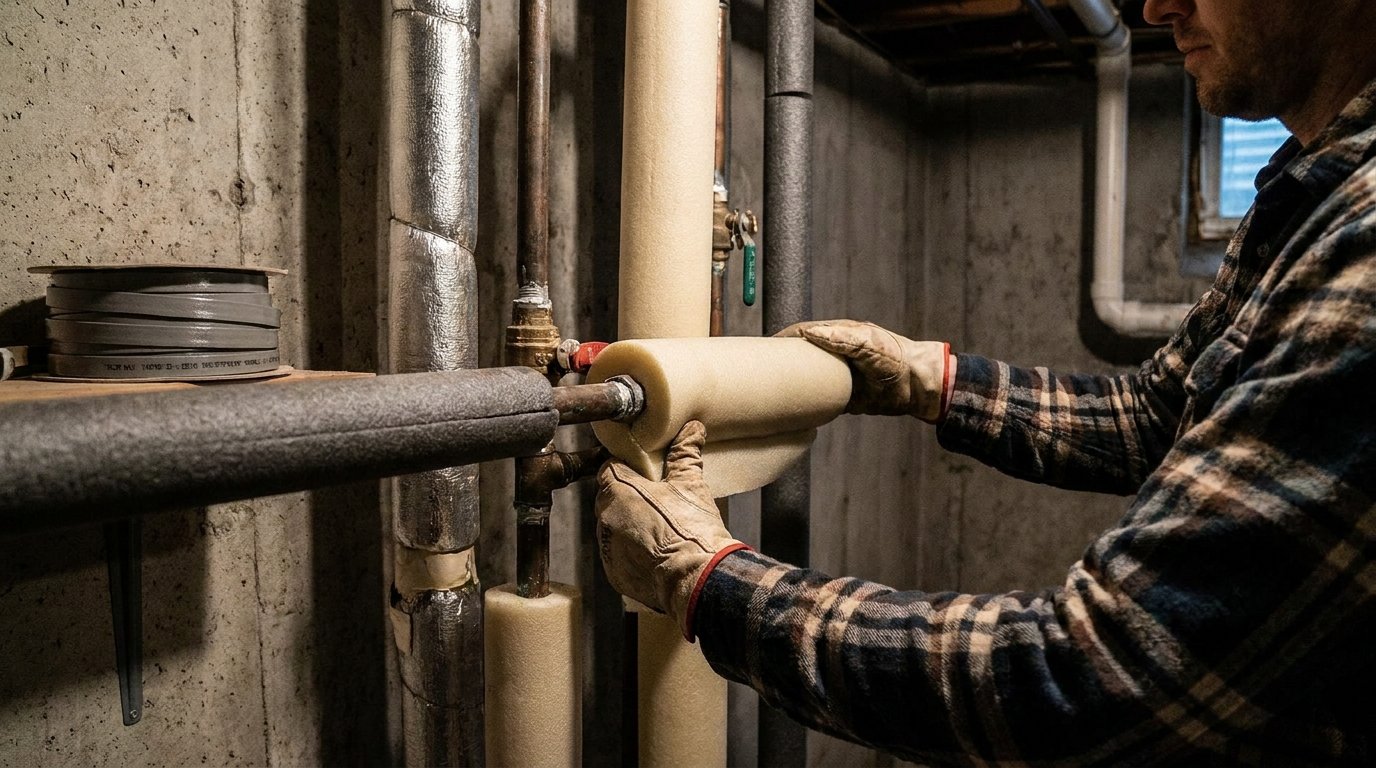
When the mercury drops, these actions can make a big difference.
Let Faucets Drip
This might sound counter-intuitive, but a slow drip can prevent freezing.
- Why it Works: Flowing water, even a trickle, has a harder time freezing than stagnant water. The continuous movement prevents ice crystals from forming a solid block.
- Which Faucets? Focus on faucets connected to pipes that run along exterior walls or through unheated areas. A trickle from both hot and cold taps is ideal to protect both lines.
- How Much? A slow, steady drip, about one drop per second, is usually enough. You don’t need a gush. This uses minimal water.
Keep the Heat On
Don’t try to save a few bucks on your heating bill if it means risking thousands in water damage.
- Maintain Indoor Temperature: Even if you’re leaving your home for a short period, keep your thermostat set to at least 55°F (13°C). This ensures enough ambient heat reaches vulnerable pipes.
- Open Cabinet Doors: For sinks on exterior walls (kitchen and bathroom), open the cabinet doors underneath. This allows warmer air from your home to circulate around the pipes, preventing them from getting too cold.
- Interior Doors: Keep interior doors open to allow warm air to circulate freely throughout your home, especially to rooms that might be naturally colder.
Monitor Your Water Meter
This is a clever trick to detect a problem early.
- Check for Movement: If your water meter is still moving even when no water is actively being used inside your home, it could indicate a hidden leak or a pipe that has burst and is now thawing. Catching this early can minimize damage.
What to Do If a Pipe Freezes
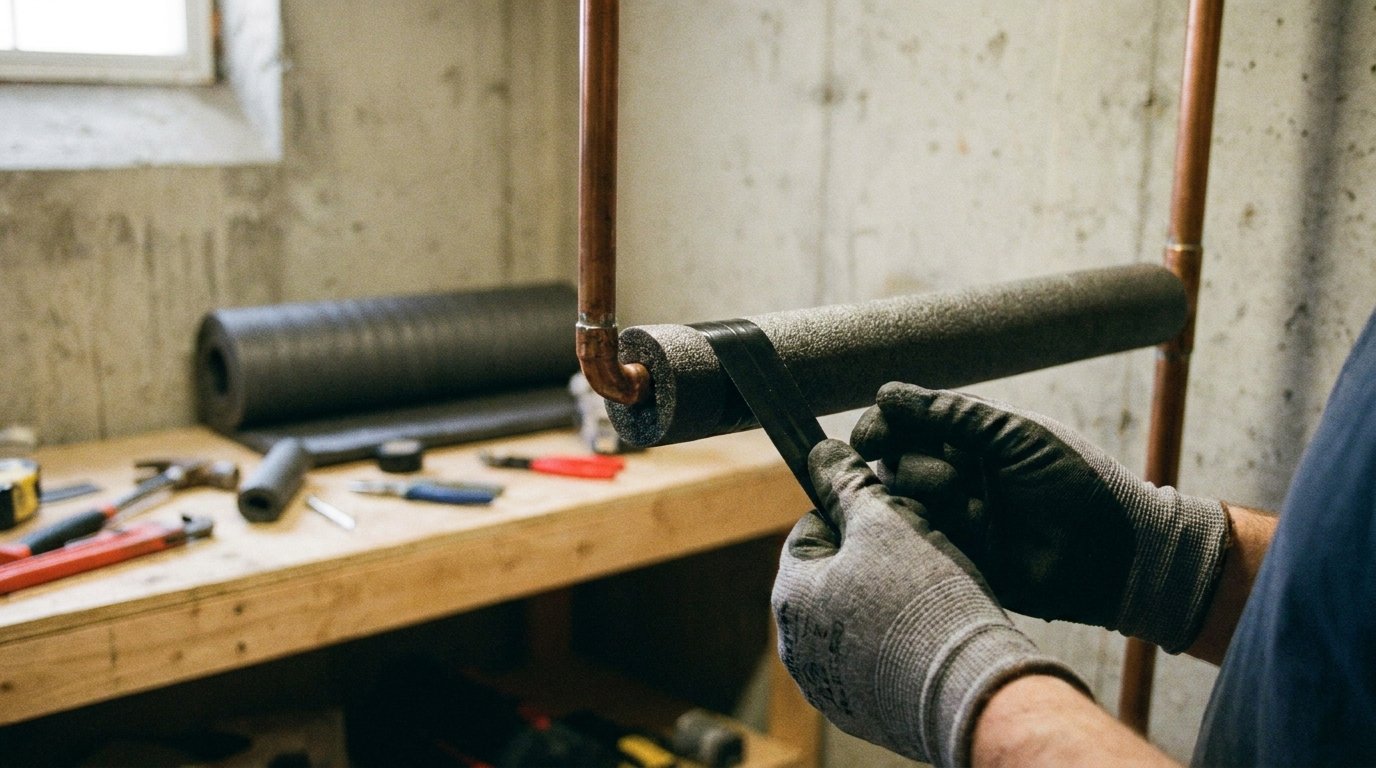
Despite your best efforts, sometimes a pipe still freezes. Don’t panic, but act quickly.
Identify the Frozen Section
- Reduced Flow: The first sign is often a trickle or no water coming from a faucet.
- Visible Ice: Look for frost or a visible bulge in an exposed pipe.
- Sound: Sometimes, you can hear a subtle humming or gurgling as water tries to pass through.
- Most Likely Suspects: Remember your vulnerable spots – exterior walls, unheated areas.
Thaw the Pipe Carefully
Patience is key here. Rapid or intense heating can cause the pipe to burst.
- Shut Off Main Water Supply: Locate your main water shut-off valve (usually in the basement, utility room, or outside near your water meter) and turn it off. This will prevent a flood if the pipe has already burst and thaws.
- Open Faucets: Open the faucet that the frozen pipe supplies. This allows steam to escape as the ice melts and provides an exit for the water.
- Apply Gentle Heat:
- Hair Dryer: This is often the safest and most effective method. Start at the end of the pipe closest to the faucet and work your way back. Keep the dryer moving to distribute heat evenly.
- Heat Lamp: Position a heat lamp at a safe distance, ensuring it doesn’t overheat any single spot or flammable materials.
- Electric Heating Pad: Wrap an electric heating pad around the frozen section.
- Warm Towels: Soak towels in hot water, wring them out, and wrap them around the pipe. Replace them frequently as they cool.
- Avoid:
- Open Flames: Never use a blowtorch, propane heater, or any open flame. This is a huge fire hazard and can cause the pipe to burst violently.
- Boiling Water: Pouring boiling water directly onto a frozen pipe can cause thermal shock, leading to cracks or bursts.
What if it’s a Burst Pipe?
If you suspect or confirm a burst, here’s what to do:
- Shut Off Water Immediately: This is your absolute priority.
- Shut Off Electricity: If water is leaking near electrical outlets or appliances, turn off the circuit breaker for that area or your main breaker to prevent electrocution.
- Contain Water: Mop up as much water as possible. Use buckets and towels to limit spreading.
- Call a Plumber: A burst pipe requires professional attention. Don’t attempt a DIY repair unless you’re a qualified plumber.
- Document Damage: Take photos and videos of the damage for insurance purposes.
In addition to learning how to protect water pipes from freezing, homeowners may find it beneficial to explore various heating solutions that can help maintain a comfortable environment during the colder months. For instance, an article discussing off-grid heating and cooling options provides valuable insights into alternative methods that can enhance your home’s resilience against extreme temperatures. You can read more about these innovative solutions in the article on off-grid heating and cooling options.
Long-Term Prevention Strategies
| Method | Description |
|---|---|
| Insulate Pipes | Use foam insulation or heat tape to protect pipes from freezing temperatures. |
| Keep Heat On | Maintain a consistent temperature in your home to prevent pipes from freezing. |
| Drip Faucets | Allow faucets to drip to relieve pressure and prevent freezing. |
| Seal Cracks | Seal any cracks or openings in walls, floors, and ceilings to prevent cold air from reaching pipes. |
| Disconnect Hoses | Disconnect outdoor hoses and drain water from outdoor faucets to prevent freezing. |
Some preventative measures require a bit more effort or investment but can offer peace of mind for years to come.
Improve Insulation Permanently
- Professional Insulation Audit: Consider having a professional assess your home’s insulation, especially in attics, crawl spaces, and exterior walls. They can identify cold spots and suggest improvements.
- Spray Foam Insulation: For particularly problematic areas, spray foam insulation can provide an excellent air seal and high R-value, effectively preventing pipes from freezing.
- Insulated Wall Cavities: If you’re doing renovations, ensure pipes running through exterior walls are properly insulated within the wall cavity.
Relocate or Reroute Pipes
- Problematic Plumbing: If certain pipes repeatedly freeze, talk to a plumber about relocating them to an interior wall or a more consistently heated part of your home. This is a more significant project but can solve recurring issues.
- Outdoor Faucet Placement: When building or renovating, consider placing outdoor spigots on walls that aren’t exposed to prevailing cold winds or are easier to access for winterizing.
Install a Low-Temperature Alarm
- Smart Home Integration: These devices monitor the temperature in specific areas of your home (like a basement or crawl space) and alert you via your phone or email if the temperature drops to a dangerous level. This is especially useful if you travel frequently.
- Water Leak Detectors: Some smart leak detectors can also detect temperature drops, offering dual protection.
Winterizing a Vacant Home
If you own a vacation home or will be away for an extended period in winter, a full winterization is often necessary.
- Shut Off Water Main: Turn off the main water supply to the house.
- Drain All Pipes: Open all faucets (hot and cold), flush toilets, and run dishwashers/washing machines (if safe) to drain as much water from the pipes as possible.
- Drain Water Heater: Consult your water heater’s manual for instructions on how to safely drain it.
- Add Antifreeze to Drains: Pour non-toxic plumbing antifreeze into all sink and tub drains, as well as toilet bowls, to prevent water in the traps from freezing and cracking fixtures.
- Keep Heat On (Optional but Recommended): Even after draining, leaving the thermostat set to 45-50°F (7-10°C) can provide an extra layer of protection and prevent condensation issues.
Protecting your pipes from freezing is a smart investment of time and a little effort. By understanding the risks and taking these practical steps, you can avoid the costly and messy aftermath of a burst pipe and keep your home safe and dry throughout the winter months.
FAQs
What are the risks of frozen water pipes?
Frozen water pipes can lead to burst pipes, which can cause significant water damage to your home. In addition, it can disrupt your water supply and lead to costly repairs.
How can I protect my water pipes from freezing?
To protect your water pipes from freezing, you can insulate them with foam insulation sleeves or heat tape. It’s also important to keep your home heated to a consistent temperature, even when you’re away.
What should I do if my water pipes freeze?
If your water pipes freeze, you should first turn off the water supply to prevent further damage. Then, you can try to thaw the pipes using a hair dryer, heating pad, or space heater. It’s important to avoid using an open flame to thaw the pipes.
At what temperature do water pipes freeze?
Water pipes can freeze when the temperature drops below 32 degrees Fahrenheit (0 degrees Celsius). However, factors such as insulation, wind chill, and the duration of the cold weather can also affect when pipes may freeze.
What are some additional tips for preventing frozen water pipes?
In addition to insulating your water pipes, you can also keep cabinet doors open to allow warm air to circulate around the pipes. It’s important to disconnect and drain outdoor hoses, and to shut off and drain water from outdoor faucets before the cold weather sets in.