
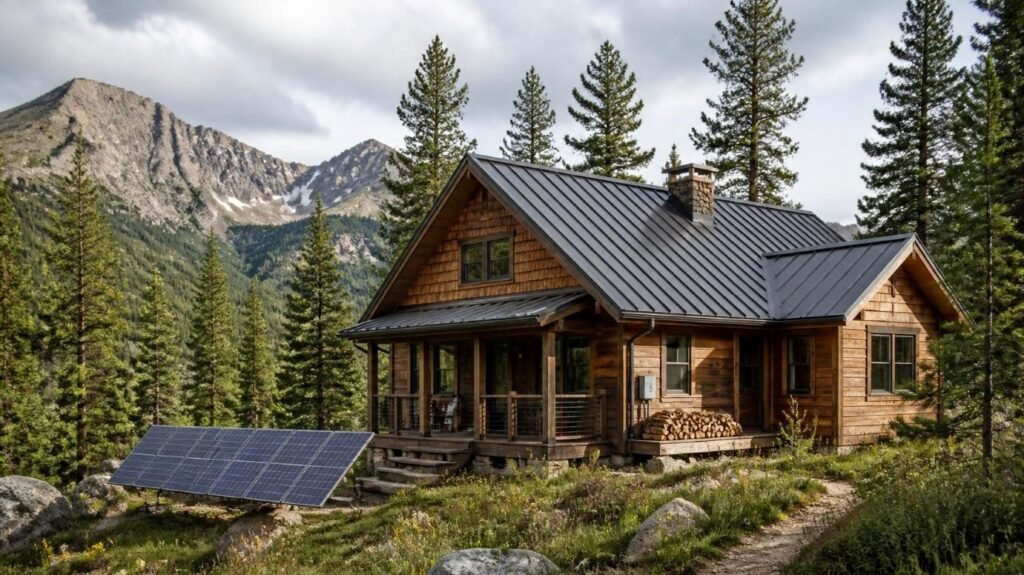
When constructing an off-grid cabin, selecting the best roofing materials goes beyond appearance; it involves considering its durability, ease of maintenance, and ability to withstand various weather conditions without relying on utility services.. The “best” material really depends on your specific location, budget, and how much hands-on work you’re willing to do. Generally speaking, metal roofing, particularly standing seam, and asphalt shingles are popular for their balance of cost, longevity, and ease of installation, but other options like EPDM or wood Shakes can also be a great option, each offering unique benefits that are well-suited for an off-grid environment.
Table of Contents
Off-Grid Roofing Essentials
Living off-grid means you’re often dealing with more extreme conditions and a greater reliance on your cabin’s structural integrity. Your roof isn’t just a cover; it’s a critical component of your energy system, water collection, and overall self-sufficiency. Because you don’t have a handyman down the street or easy access to building supplies, longevity and low maintenance become paramount.
Durability and Longevity
Think about how often you want to climb up on that roof to fix a leak or replace a damaged section. For an off-grid cabin, you want a roof that can last decades, ideally without much intervention. This means materials that resist rot, pests, strong winds, heavy snow loads, and prolonged sun exposure. A roof that does not last as long as expected can result in expensive fixes, harm to the building’s structure, and many problems, especially in a distant area.
Weather Resistance
Off-grid cabins are often in areas exposed to harsh weather – high winds, heavy snow, torrential rain, or intense UV radiation. Your roofing material should be capable of handling different weather conditions.Certain materials are better at dealing with hail, some are more effective at shedding snow, and others are built to endure extreme temperature changes without breaking or bending. Consider the specific weather patterns of your cabin’s location.
Fire Resistance
Especially in forested or remote areas, fire is a significant concern. A highly fire-resistant roof can offer peace of mind and potentially protect your investment. Some materials are inherently more fire-resistant than others, and coatings can sometimes improve this property. Checking local building codes for fire ratings, even for off-grid properties, is a good idea.
Installation and Maintenance
Can you install it yourself, or will you need specialized tools and contractors? For off-grid projects, self-reliance often is a major consideration. Some roofing materials are more DIY-friendly than others. Similarly, once installed, how much maintenance does it require? Do you need to regularly clear debris, apply sealants, or replace individual components? Low-maintenance options are generally preferred.
Weight and Structural Considerations
The weight of your chosen roofing material impacts the structural requirements of your cabin. Heavier materials need stronger framing, which can increase the overall cost of construction. If you’re building a lightweight cabin or have foundation concerns, a lighter roofing material might be a better choice. Always factor in the weight of snow and ice accumulation as well.
When considering the best roofing materials for off-grid cabins, it’s essential to also explore related aspects of off-grid living, such as energy and resource management. A valuable resource on this topic is the article titled “Tiny House Off-Grid Setup Guide: Power, Water, Waste,” which provides insights into effectively managing essential utilities in a compact living space. You can read more about it here: This guide complements your understanding of how to create a sustainable and efficient off-grid cabin environment.
Popular Roofing Material Options
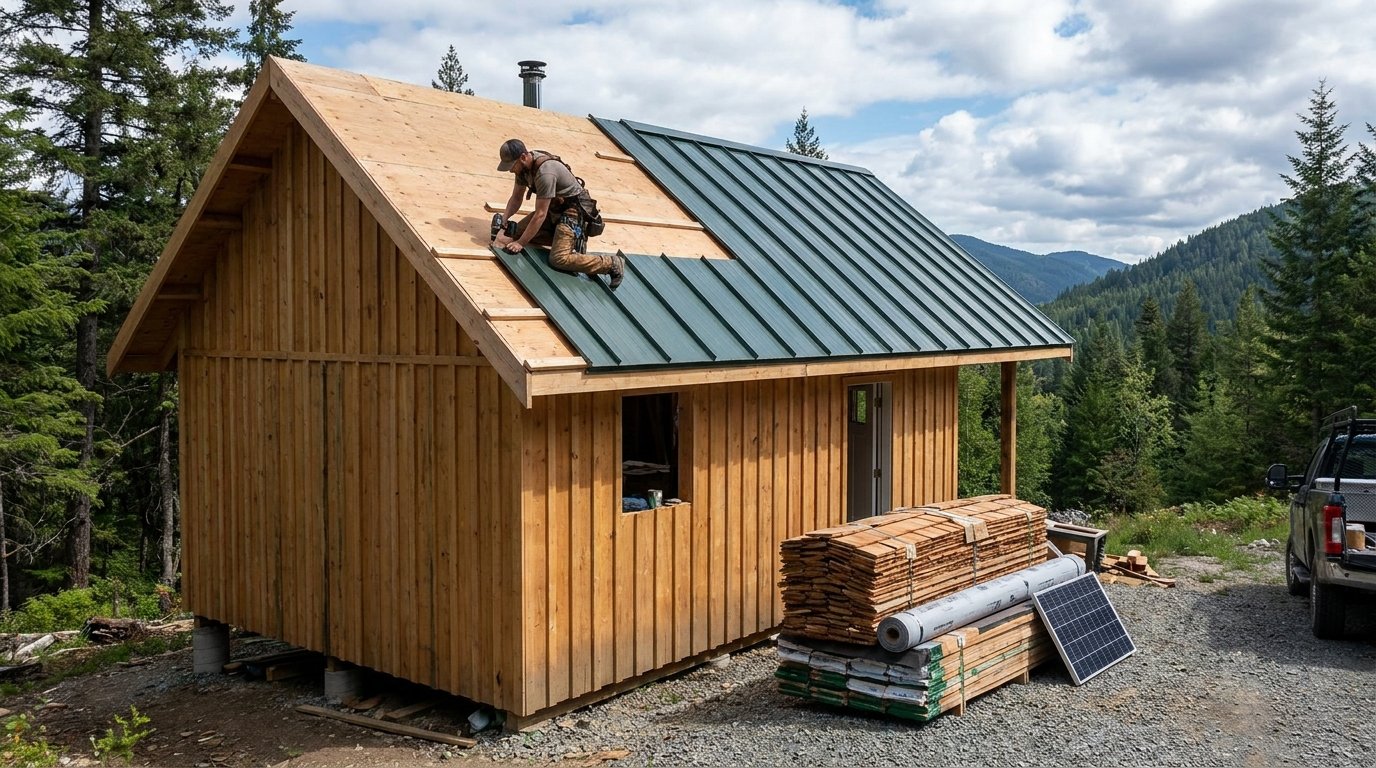
Let’s dive into some of the most common and effective roofing materials suitable for off-grid cabins, weighing their pros and cons.
Metal Roofing
Metal roofing is an incredibly popular choice for off-grid cabins, and for good reason. It offers an excellent blend of durability, longevity, and weather resistance.
Standing Seam Metal Roofing
This is often considered the gold standard for metal roofing. It features panels with raised interlocking seams that run vertically up the roof. These seams are mechanically seamed together, creating a very watertight surface.
- Pros: Exceptional longevity (50+ years), superior weather resistance (sheds snow and rain efficiently), excellent wind resistance, low maintenance, energy-efficient (reflects heat), wide range of colors, can often be installed over existing shingles, good for rainwater harvesting due to its smooth, inert surface.
- Cons:This option tends to have a higher initial cost compared to many other choices.Installation may be more complicated and typically requires professional installers to ensure optimal performance.It can also produce noticeable noise during heavy rain or hail if proper insulation is not used.
- Off-Grid Specifics: Its longevity and minimal maintenance are huge advantages for remote locations. Its ability to shed snow and rain is also excellent, which is crucial for structural integrity and water collection.
Corrugated Metal Roofing
A more budget-friendly and DIY-friendly metal option, corrugated metal comes in sheets with a distinctive wavy profile. It’s available in various gauges (thicknesses) and finishes.
- Pros: More affordable than standing seam, relatively easy to install (can be a DIY project), lightweight, good durability (20-40 years depending on gauge and coating), decent fire resistance, recyclable.
- Cons: Can be prone to leaks at fasteners if not installed correctly or if gaskets fail over time, appearance might not be preferred by everyone, can be noisy.
- Off-Grid Specifics: The ease of installation and lower cost make it attractive for budget-conscious builders. However, ensure all fasteners are sealed properly to prevent leaks, which are harder to fix in remote areas.
Asphalt Shingles
Asphalt shingles are the most common residential roofing material in North America for a reason – they’re affordable and relatively easy to install.
Three-Tab and Architectural Shingles
Three-tab shingles are flat and uniform, while architectural (or laminate) shingles are thicker, more dimensional, and designed to mimic the look of natural materials like slate or wood.
- Pros: Very affordable upfront cost, widely available, relatively easy to install (often a DIY project), decent fire resistance (Class A available), good wind resistance if properly installed, variety of colors and styles.
- Cons: Shorter lifespan compared to metal (15-30 years for three-tab, 25-50 for architectural), susceptible to damage from extreme heat, cold, or hail over time, granular surface can reduce rainwater quality for collection.
- Off-Grid Specifics: Their affordability and DIY-friendliness can be a big draw. However, their shorter lifespan means you’ll be replacing them sooner than other options, which is a significant consideration for a remote cabin. They don’t shed snow as well as metal and can be prone to moss growth in shaded, damp areas.
Specialty and Niche Roofing Options
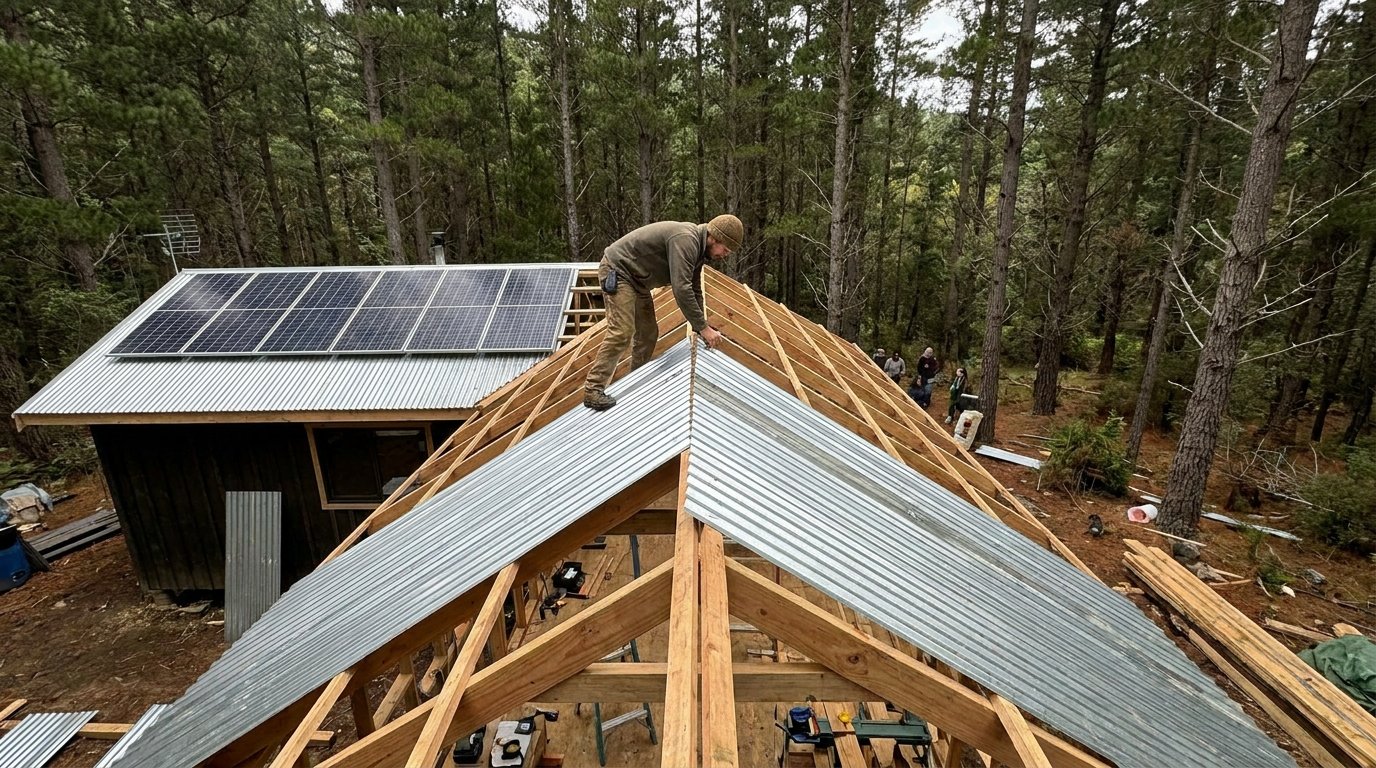
Beyond the most common materials, there are several other excellent choices, particularly if you have specific environmental concerns, aesthetic preferences, or a unique climate.
EPDM Rubber Roofing
EPDM (Ethylene Propylene Diene Monomer) is a synthetic rubber membrane widely used for flat or low-slope roofs. While most cabins have sloped roofs, if your design incorporates a low-pitch section or a completely flat roof for an addition, EPDM is a strong contender.
- Pros: Extremely durable and long-lasting (30-50 years), excellent waterproofing, highly resistant to UV radiation and temperature fluctuations, relatively easy to install in large sheets with minimal seams, very lightweight, recyclable.
- Cons: Primarily for low-slope or flat roofs, aesthetic might not be preferred for highly visible main roofs, can be punctured by sharp objects (though repairable), typically black (can absorb heat unless a reflective coating is applied).
- Off-Grid Specifics: Its waterproofing and longevity are a huge plus for off-grid scenarios, especially for minimizing leaks. Its light weight is also an advantage for structural requirements. If you’re designing for rainwater harvesting, the black surface can get quite hot, so consider a reflective coating.
Wood Shakes and Shingles
Wood roofing, typically made from cedar, redwood, or cypress, offers a classic, rustic aesthetic that perfectly suits many off-grid cabin designs. Shingles are sawn smooth, while shakes are hand-split, offering a more rugged texture.
- Pros: Beautiful, natural aesthetic, good insulation properties, can be very durable in the right climate (30-50 years for quality shakes), sustainable material if sourced responsibly.
- Cons: High upfront cost, requires more maintenance (periodic cleaning, treatment for moss/fungus), susceptible to fire unless treated, can rot or warp if not properly installed or in very wet climates, heavy.
- Off-Grid Specifics: The aesthetic is undeniable, but the maintenance requirements and fire risk are significant considerations for off-grid living. If you choose wood, ensure it’s treated for fire resistance and that you’re prepared for the upkeep. In very wet or fire-prone regions, it might not be the most practical choice.
Slate Roofing
Slate is a natural stone that, when used as roofing, creates an incredibly durable and beautiful roof. It’s often associated with historic or high-end construction.
- Pros: Exceptional longevity (100+ years), extremely durable, highly fire-resistant, impervious to rot and insects, beautiful and unique appearance, excellent insulation properties.
- Cons: Very high upfront cost, extremely heavy (requires substantial structural support), difficult and specialized installation, brittle (can crack if walked on improperly), can be hard to source in remote areas.
- Off-Grid Specifics: While incredibly long-lasting, the cost, weight, and specialized installation make it a challenging option for most off-grid cabin builders. Repairs, if needed, would also be very complex. It’s more of a luxury choice than a practical one for typical off-grid projects.
Green Roofs (Living Roofs)
A green roof involves covering your cabin roof with a layer of vegetation planted over a waterproofing membrane. This can be an “extensive” system (lighter, low-maintenance sedums) or an “intensive” system (heavier, more varied plants, requiring more care).
- Pros: Excellent insulation (reduces heating and cooling costs), stormwater management (absorbs rainfall), extends roof membrane life, creates habitat, aesthetically pleasing, can grow food.
- Cons: Very high upfront cost and complexity, requires significant structural support due to weight (especially when saturated), specialized waterproofing and drainage systems, ongoing maintenance (watering, weeding), not suitable for all roof slopes.
- Off-Grid Specifics: The insulation benefits are huge for off-grid energy efficiency. However, the complexity, weight, and initial investment are substantial. Water for irrigation is also a significant consideration, especially in dry climates. This is a very advanced off-grid option that requires careful planning.
Key Considerations for Off-Grid Performance
Beyond the basic pros and cons of each material, there are specific factors that gain importance when you’re living off the grid.
Rainwater Harvesting Compatibility
Many off-grid cabins rely on rainwater harvesting for their water supply. The type of roofing material you choose directly impacts the quality of the collected water. Smooth, inert surfaces like metal (especially Kynar-coated) are ideal as they shed water cleanly with minimal particulate matter. Asphalt shingles, with their granular surface, can shed grit into your collection system, requiring more filtration. Wood shakes can leach tannins and other organic matter. EPDM is generally good, but ensure it’s potable-grade if using for drinking water.
Solar Panel Integration
If you plan to install solar panels, which is highly common for off-grid power, consider how your roof material will accommodate them. Metal roofs, especially standing seam, are excellent for solar panel installation as clamps can attach directly to the seams without penetrating the roof surface. This maintains the roof’s integrity and reduces the risk of leaks. Asphalt shingles require penetration for racking, which means more potential leak points. The lifespan of your roof should also align with the lifespan of your solar panels (typically 25+ years) to avoid having to remove and reinstall panels for a roof replacement.
Insulation and Energy Efficiency
Your roof plays a major role in your cabin’s thermal envelope. Materials like metal with reflective coatings can significantly reduce heat gain in summer, lowering cooling loads if you have any. Materials like wood shakes or green roofs offer additional insulation value. However, the primary insulation should be installed under the roof decking, within your attic or ceiling structure. A well-ventilated attic space is also critical to prevent heat buildup and moisture issues, regardless of the roofing material.
Wind and Snow Load Ratings
Off-grid locations are often exposed to more extreme weather. High winds can tear off shingles or entire panels if not installed correctly. Heavy snow loads can put immense stress on your roof structure. Ensure your chosen material, and more importantly, its installation method, meets or exceeds the wind uplift and snow load requirements for your specific climate zone. Metal roofs, especially standing seam, generally excel in high wind and heavy snow conditions due to their interlocking design.
Aesthetic and Local Sourcing
While practicality is key, the aesthetic of your cabin also matters. Some materials naturally blend into a rustic, wooded environment better than others. Consider if you want your cabin to stand out or blend in. Furthermore, think about local sourcing. Can you find the materials relatively close by? This can reduce transportation costs and your environmental footprint. Local availability might also mean easier access to spare parts or repair expertise if needed.
When considering the best roofing materials for off-grid cabins, it’s also important to think about how to maintain a sustainable lifestyle in other areas, such as food preservation. An insightful article on keeping food cold without electricity can provide valuable tips and techniques that complement your off-grid living experience. For more information on this topic, you can read the article here. By integrating effective food storage solutions with appropriate roofing choices, you can enhance the overall functionality and comfort of your off-grid cabin.
Making Your Final Decision
| Roofing Material | Durability (Years) | Weight | Maintenance | Energy Efficiency | Cost Effectiveness | Environmental Impact | Suitability for Off-Grid Cabins |
|---|---|---|---|---|---|---|---|
| Metal Roofing | 40-70 | Lightweight | Low | High (reflective) | High | Recyclable | Excellent – durable, lightweight, and energy efficient |
| Clay or Concrete Tiles | 50-100 | Heavy | Medium | Moderate | Moderate | Natural materials | Good – very durable but heavy, may require strong structure |
| Wood Shingles/Shakes | 20-40 | Medium | High | Moderate | Moderate | Renewable resource | Fair – natural look but requires maintenance and fire treatment |
| Asphalt Shingles | 15-30 | Medium | Medium | Low | High | Petroleum-based | Good – affordable but less eco-friendly and shorter lifespan |
| Green Roof (Vegetative) | 30-50 | Heavy | High | Very High (insulation) | Moderate | Very Low Impact | Excellent – great insulation and environmental benefits but structural support needed |
| Slate | 75-200 | Heavy | Low | Moderate | Low | Natural stone | Good – very durable but heavy and expensive |
Choosing the right roofing material involves balancing several factors. There’s no one-size-fits-all answer, but by carefully evaluating your specific needs, you can make an informed decision that will serve your off-grid cabin for decades.
Assess Your Climate and Environment
- Heavy Snow: Metal (standing seam, deep rib) is excellent for shedding snow. Avoid granular surfaces that hold snow. Consider roof pitch.
- High Winds: Mechanically fastened metal roofs, properly installed architectural shingles, and heavy-gauge corrugated metal perform well.
- Intense Sun/UV: Metal with Kynar finish, EPDM are very resistant. Asphalt shingles can degrade faster.
- Fire Risk: Class A fire-rated materials like metal or treated asphalt shingles are crucial. Avoid untreated wood.
- Rainfall: Metal for clean rainwater harvesting. EPDM for low-slope areas.
Budget and Long-Term Costs
- Upfront Cost: Asphalt shingles are typically the cheapest. Corrugated metal is next. Standing seam and specialty roofs are much higher.
- Lifespan: Consider the cost over the lifespan of the material. A more expensive roof that lasts 50+ years might be cheaper in the long run than a cheap roof you replace every 15-20 years.
- Maintenance: Factor in the time and cost of ongoing maintenance. Low-maintenance options are generally preferred for off-grid.
Installation Skill and Tools
- DIY Potential: Asphalt shingles, corrugated metal (with care), and EPDM can often be DIY projects.
- Professional Required: Standing seam metal, slate, and green roofs typically require specialized tools and professional installers, which can be difficult to find and expensive in remote areas.
Sustainability and Environmental Impact
- Recyclability: Metal roofs are highly recyclable. Some EPDM is recyclable.
- Embodied Energy: Consider the energy required to produce and transport the material.
- Source: Look for locally sourced or sustainably harvested materials if possible.
By carefully working through these considerations, you’ll be able to pinpoint the best roofing material that not only protects your off-grid cabin but also aligns with your lifestyle and environmental goals.
FAQs
What are the best roofing materials for off-grid cabins?
The best roofing materials for off-grid cabins include metal roofing, asphalt shingles, cedar shakes, and solar panels. These materials are durable, weather-resistant, and suitable for remote locations.
Are metal roofs a good option for off-grid cabins?
Metal roofs are an excellent choice for off-grid cabins due to their durability, longevity, and resistance to harsh weather conditions. They are also lightweight and easy to install, making them ideal for remote locations.
Why are asphalt shingles a popular choice for off-grid cabins?
Asphalt shingles are a popular choice for off-grid cabins because they are affordable, easy to install, and come in a variety of colors and styles. They provide good protection against the elements and have a relatively long lifespan.
What are the benefits of using cedar shakes for off-grid cabin roofing?
Cedar shakes are a popular choice for off-grid cabin roofing due to their natural beauty, insulating properties, and resistance to insects and rot. They are also lightweight and environmentally friendly, making them a sustainable option for remote locations.
How can solar panels be used as roofing materials for off-grid cabins?
Solar panels can be integrated into the roofing of off-grid cabins to generate electricity from sunlight. This renewable energy source can power the cabin’s electrical systems, making it more self-sufficient and environmentally friendly.