
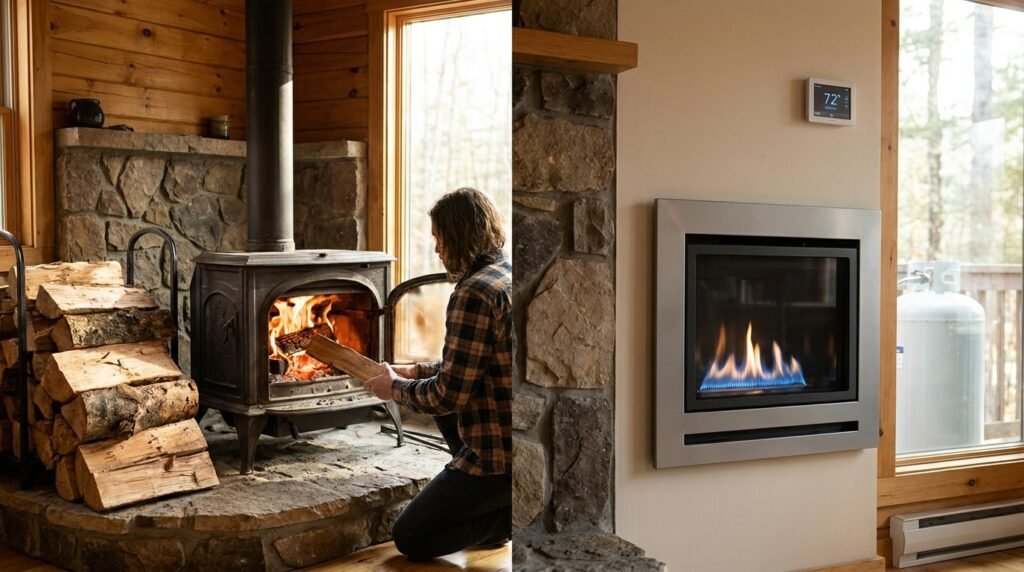
When you’re trying to figure out how to heat your home, propane heating vs wood heat are two very different options, each with its own set of practical considerations. Generally speaking, propane offers consistent, low-emission heat with easy delivery, while wood heat can be more hands-on, potentially cheaper if sourced smartly, but carries higher particulate emissions and requires more effort. Your choice often comes down to balancing convenience, upfront cost, ongoing fuel price, and environmental impact.
Table of Contents
Realities of Propane Heating
Propane heating is a pretty common choice, especially in areas not served by natural gas lines. It’s a clean-burning fossil fuel that offers consistent, on-demand heat. You essentially have a tank delivered to your property, and then that propane fuels your furnace, boiler, or even other appliances.
Understanding Propane Availability and Delivery
One of the big advantages of propane is its accessibility. If you’re off the natural gas grid, propane is usually readily available for delivery to your home. You’ll typically lease or purchase a tank, and then a local supplier will refill it as needed. This means you don’t have to worry about sourcing fuel yourself, like cutting and stacking wood. Propane use as a primary heat source is quite stable, with about 6.36 million U.S. households relying on it, a number that’s held pretty steady recently.
Propane Costs and Price Trends
Regarding costs, propane prices have seen some fluctuations, like most energy sources. However, recent winter outlooks often show propane remaining among the more competitively priced delivered fuels per gallon. While prices can rise, it’s generally seen as a cost-effective alternative to, say, electric resistance heat or heating oil in some regions. It’s important to get quotes from a few local suppliers, as prices can vary by region and even by supplier in the same area. You’ll also want to understand if there are tank rental fees or delivery charges involved.
Environmental Impact of Propane
From an environmental standpoint, propane is considered a clean-burning fuel. It produces significantly fewer particulate emissions compared to wood. Industry groups and environmental agencies often highlight propane’s much lower particulate matter (PM2.5) emissions, and it’s designated as a clean alternative fuel. This is a pretty big deal when we talk about air quality, especially in winter months when heating systems are running full tilt. Unlike wood burning, which can contribute substantially to local air pollution, propane offers a cleaner burn, leading to better outdoor and indoor air quality.
Propane’s Versatility Beyond Heating
Another key factor for propane is its versatility. Beyond just heating your home, a single propane tank can power a variety of appliances. This can include water heaters, cooktops, clothes dryers, and even backup generators. This multi-use role can be a significant advantage, simplifying your energy supply and often being more efficient than having separate electric or other fuel-based systems for different needs. For homes that might use wood as a secondary heat source, propane can seamlessly fill in for primary heating, water heating, and cooking, offering a complete solution.
When considering the benefits and drawbacks of propane heating versus wood heat, it’s essential to explore various off-grid systems that can complement these heating methods. A related article that delves into the intricacies of off-grid living, including power, water, and waste management systems, can provide valuable insights for those looking to optimize their heating choices. For more information, you can read the article here: Off-Grid Systems Explained: Power, Water, and Waste Setup.
The World of Wood Heating
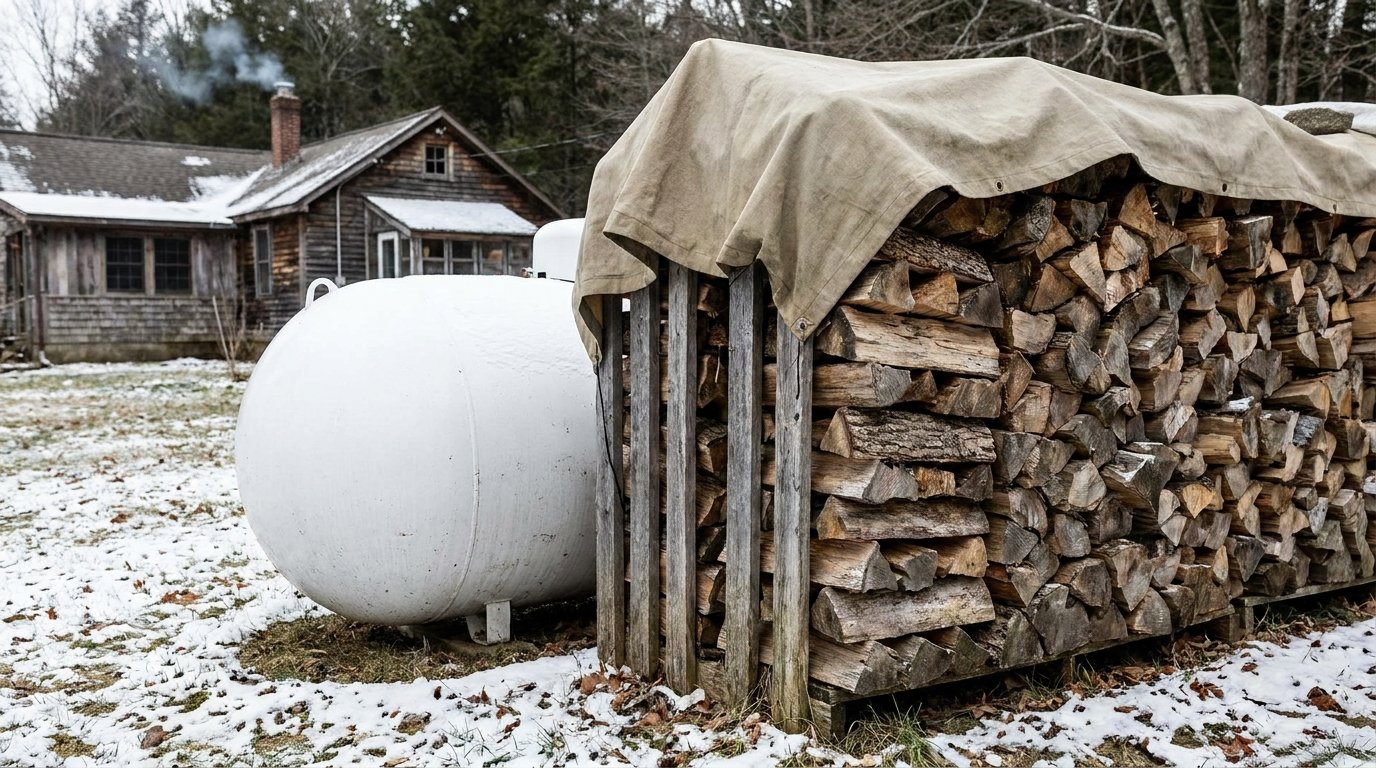
Wood heating conjures up images of cozy fires and rustic living, and for good reason. It can be a very effective way to heat a home, particularly in certain regions. However, it’s a much more involved process than simply turning up a thermostat.
Sourcing and Storing Wood Fuel
One of the first things you’ll encounter with wood heat is the fuel itself. You need to source firewood, whether that means cutting it yourself, buying cords from a local supplier, or using wood pellets. Cordwood prices, for example, have seen sharp increases in some regions, with cords reaching around $500 in parts of New England. Once you have the wood, you need a substantial, dry, and sheltered place to store it. This isn’t a small consideration; a winter’s worth of wood takes up a good amount of space and needs to be seasoned properly to burn efficiently and cleanly.
Types of Wood Heating Systems
There are generally two main types of wood heating systems for homes: wood stoves and pellet stoves.
Wood Stoves
Traditional wood stoves burn split logs. Modern wood stoves are much more efficient and cleaner-burning than older models, thanks to EPA regulations. They provide radiant heat and can be very effective at warming a space. However, they require manual loading of logs, regular ash removal, and chimney cleaning. The heat output can fluctuate, and you need to be mindful of maintaining a consistent burn to prevent excessive smoke.
Pellet Stoves
Pellet stoves burn compressed wood pellets, which are essentially sawdust and other wood waste compacted into uniform, dense pieces. These stoves are typically more automated than wood stoves, often featuring hoppers that feed pellets into the burn pot automatically, allowing for longer burn times without intervention. They also tend to burn cleaner than traditional wood stoves because of the uniform size and low moisture content of the pellets. However, pellet stoves usually require electricity to operate their fans and augers, so they won’t work during a power outage unless you have a backup power source. Pellets also need dry storage and can be susceptible to moisture.
Wood Heat Costs and Economic Factors
The cost effectiveness of wood heat is a bit nuanced. If you have access to free or very cheap firewood, perhaps from your own land or through responsible harvesting, it can be an incredibly inexpensive way to heat. However, if you’re buying cordwood or pellets, costs have been on the rise. Some households are shifting to wood to escape high heating oil or electricity costs, especially in the Northeast, seeing it as a way to control their heating budget. Despite this, the overall market share for wood as a primary heat source is actually projected to slip slightly this winter, falling about 4% to around 1.62 million households.
The Environmental Footprint of Wood Burning
This is where wood heat faces increasing scrutiny. While wood is a renewable resource, burning it releases particulate matter (PM2.5) into the atmosphere. New research indicates that residential wood burning, despite being a primary heat source for a relatively small share of homes, is responsible for over 20% of U.S. winter PM2.5 exposure.
This drives calls to reduce wood burning for health reasons due to its impact on air quality and respiratory health. Policy makers and health organizations are increasingly highlighting these concerns, leading to local air quality policies that may discourage wood burning on bad-air days. While the carbon footprint of wood is often debated (as it’s part of the natural carbon cycle), the immediate impact on local air quality with PM2.5 is a significant concern.
Comparing Convenience and Lifestyle
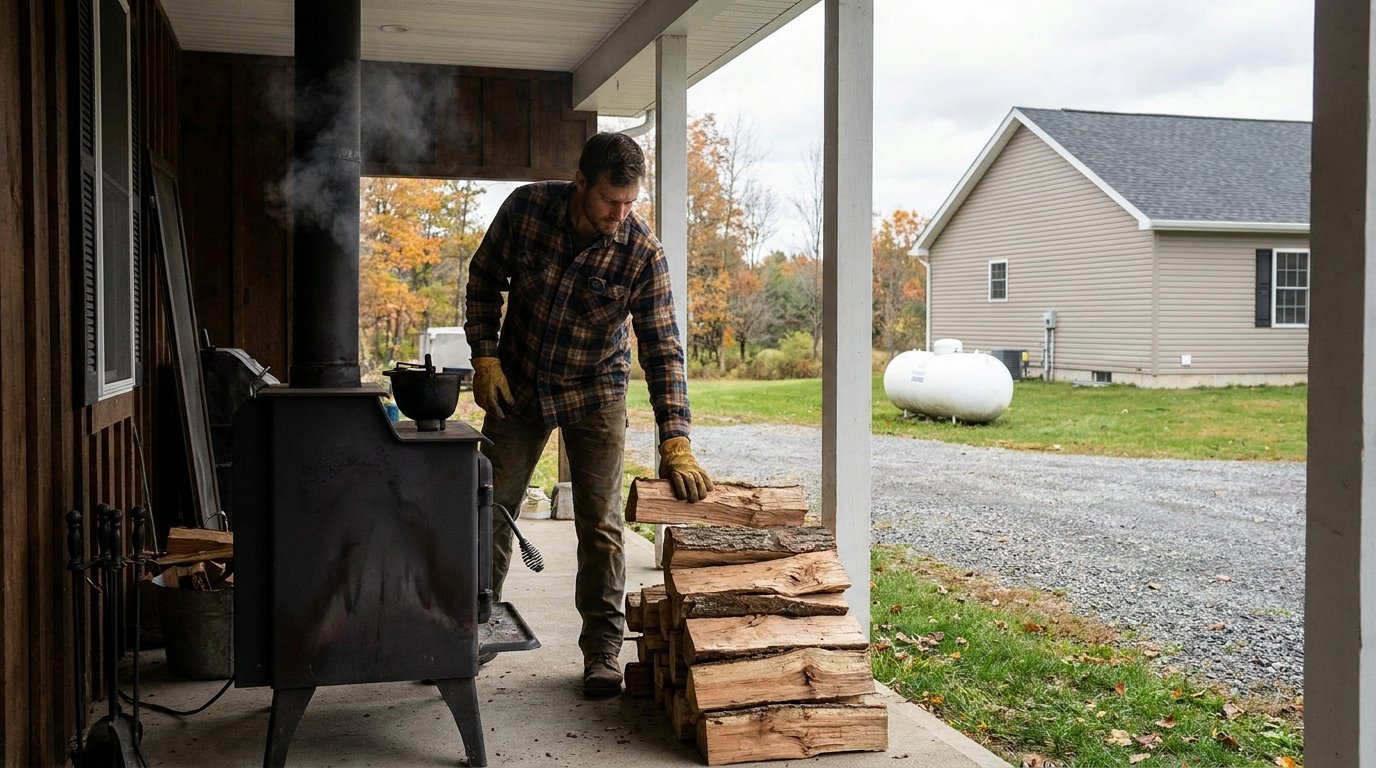
When choosing between propane and wood, the day-to-day experience is a huge differentiator. This isn’t just about price; it’s about how much effort you’re willing to put in and what kind of lifestyle you prefer.
Effort and Maintenance Levels
Propane heating is largely hands-off. You set your thermostat, and the furnace or boiler does the rest. You’ll need to monitor your tank levels and schedule refills, but that’s about it. Maintenance usually involves an annual check-up by a professional. There’s no hauling fuel, no ash to empty daily, and no fire to tend.
Wood heat, on the other hand, is a much more involved commitment. You’ll be splitting, stacking, and seasoning wood. During heating season, you’ll be regularly loading your stove, often multiple times a day depending on the system and how cold it is. You’ll also need to regularly remove ash, which can be messy, and schedule professional chimney cleanings to prevent creosote buildup and reduce fire risk. This hands-on approach appeals to some, offering a sense of self-sufficiency and connection to the heat source, but it’s a significant time and labor investment.
On-Demand Heat vs. Sustained Warmth
Propane provides instant, on-demand heat. You can set a precise temperature, program thermostats, and expect consistent warmth throughout your home. If you go away for a weekend, you can simply turn down the thermostat and rely on the system to keep your pipes from freezing.
Wood heat offers a different kind of warmth. While a roaring fire is undeniably cozy, maintaining a consistent temperature throughout a whole house with a single wood stove can be challenging. You’ll have hotter and cooler zones, and the heat output will diminish as the fire dies down. If you want continuous heat, you need to continuously feed the fire. This can be less convenient for busy households or those who travel frequently.
Air Quality Inside the Home
This is another significant point of difference. Propane combustion happens in a sealed system, venting exhaust safely outside. There are no indoor emissions of particulate matter, soot, or smoke. This contributes to better indoor air quality, which is especially important for individuals with respiratory sensitivities.
Wood stoves, even efficient ones, can introduce some level of particulate matter and smoke into the indoor air, especially during loading, stoking, or if the chimney isn’t drafting perfectly. While modern stoves are designed to minimize this, it’s still a factor to consider for indoor air quality and overall home cleanliness.
Safety and Reliability Aspects
Safety and reliability are paramount when it comes to any home heating system. Both propane and wood heat have specific considerations that homeowners need to be aware of.
Propane Safety Protocols
Propane is a flammable gas, so safety is built into its handling and storage. Tanks are designed to be extremely durable and are equipped with safety relief valves. Installations are regulated, and tanks are typically placed outdoors, away from ignition sources. Carbon monoxide detectors are a must for any combustion-based heating system, including propane furnaces, to alert occupants to potential issues with venting. Suppliers typically offer emergency service and are trained in safe handling. Overall, when properly installed and maintained, propane systems are very safe and reliable.
Wood Heat Safety and Maintenance
Wood heat carries different, but equally important, safety considerations. The primary concern is chimney fires, caused by creosote buildup. Regular professional chimney cleaning (often annually or more frequently depending on usage) is essential to mitigate this risk. Clearances to combustibles around the stove and chimney are critical during installation. Smoke detectors and carbon monoxide detectors are also absolute necessities in any home using wood heat. There’s also the risk of fire from embers escaping the stove or ash disposal. Ashes must be removed safely and stored in a non-combustible container away from the home until completely cool. The physical act of handling wood also carries risks, from cuts and splinters to back strain.
Reliability in Power Outages
This is an interesting point of divergence. Most modern propane furnaces and boilers require electricity to run their blowers, igniters, and control boards. So, in a power outage, a standard propane system will not operate. However, many propane users also choose to have a propane-powered backup generator, which can automatically kick on to power their entire home, including the heating system, during an outage.
Traditional wood stoves, being reliant on natural draft, can operate completely independently of electricity. This is a significant advantage for those living in areas prone to frequent power outages, offering a reliable heat source when the grid is down. Pellet stoves, however, do require electricity for their augers and fans, so they would also be inoperable during an outage unless connected to a backup power source.
When considering the best heating options for your home, many people find themselves weighing the benefits of propane heating against wood heat. A related article that delves deeper into this topic is available at Off-Grid Heating and Cooling Options Explained, where you can explore various factors such as efficiency, cost, and environmental impact. Understanding these differences can help you make an informed decision that suits your lifestyle and heating needs.
Policy, Aid, and Future Outlook
| Metric | Propane Heating | Wood Heat |
|---|---|---|
| Fuel Source | Propane gas | Wood logs or pellets |
| Heating Efficiency | 85% – 95% | 60% – 80% |
| Installation Cost | Moderate | Low to Moderate |
| Operating Cost | Moderate to High | Low to Moderate |
| Environmental Impact | Lower emissions than wood | Higher particulate emissions |
| Maintenance | Low (annual inspection) | High (regular cleaning and ash removal) |
| Heat Output | Consistent and controllable | Variable, depends on wood quality |
| Storage Requirements | Propane tank needed | Dry wood storage space required |
| Safety Considerations | Risk of gas leaks | Fire hazard and smoke inhalation risk |
| Typical Lifespan of Equipment | 15-20 years | 10-15 years |
The landscape for home heating fuels isn’t static. Policies, aid programs, and market trends all play a role in shaping decisions for homeowners.
Government and Local Aid Programs
Both propane and wood heating (including logs and pellets) are generally considered eligible fuels under various fuel-aid and subsidy programs, such as the Low Income Home Energy Assistance Program (LIHEAP) in the U.S. These programs aim to help low-income households afford their heating costs. It’s always a good idea to check with local and state energy assistance agencies to see what programs might be available in your area if cost is a major concern.
Evolving Air Quality Regulations
This is a growing area of concern for wood burning. New research highlights residential wood burning’s significant contribution to winter PM2.5 exposure. Consequently, some state and local air-quality policies are increasingly discouraging wood burning on “bad-air days” or during air quality alerts. This indirectly favors cleaner options like propane. While outright bans are rare, the trend is towards tighter regulations and public awareness campaigns about the health impacts of wood smoke. This could affect the long-term viability or desirability of wood as a primary heat source, especially in densely populated areas.
Market Trends and Future Growth Potential
Looking ahead, market positioning is evolving. While some households are still switching to wood in specific situations to escape high costs from other fuels, overall, wood’s primary-heat market share is seeing a slight decline, while propane use remains steady.
The propane industry sees significant growth opportunity in homes that currently use wood as a secondary or backup heat source. They emphasize propane’s multi-use benefits (heating, water heating, cooking, generators) and its environmental advantages, particularly its lower particulate emissions, contrasting it with wood’s smoke and deforestation impacts. As awareness of air quality and health implications of wood smoke grows, and as people seek more convenient and cleaner heating solutions, propane is well-positioned as a reliable and environmentally friendlier alternative. The ability to integrate propane seamlessly into a modern home’s energy system offers a compelling argument for its long-term stability and growth.
Conclusion: Propane Heating vs Wood Heat, The Right Choice for Your Home
Choosing between propane and wood heating ultimately comes down to your lifestyle, priorities, and home setup. If you value low-maintenance convenience, consistent and on-demand warmth, multi-appliance versatility, and a cleaner burn that protects indoor and outdoor air quality, propane is a robust, reliable choice. On the other hand, if you enjoy a hands-on routine, have access to affordable or free local wood, and want a resilient heating source that doesn’t rely on the electrical grid during winter storms, a modern wood-burning system offers unmatched rustic self-sufficiency.
FAQs
1. Is propane cheaper than wood for heating?
It depends entirely on how you source your wood. If you can cut, split, and season your own firewood from your property for free, wood is almost always cheaper than propane. However, if you have to purchase cordwood (which has seen prices soar up to $500 a cord in some regions) or premium wood pellets, the cost difference narrows significantly, making propane a competitively priced and far more convenient alternative.
2. Can a propane heating system work during a power outage?
Standard forced-air propane furnaces and boilers require electricity to run their blowers, control boards, and igniters, meaning they won’t function during a power blackout. However, many homeowners pair their propane system with a propane-powered standby generator, which can seamlessly keep the entire house—and your heating system—running when the grid goes down.
3. Why are air quality regulations targeting wood burning?
While wood is a renewable energy resource, burning it releases high levels of fine particulate matter (PM2.5) into the atmosphere. Recent studies indicate that residential wood burning accounts for a significant share of winter particulate exposure, prompting local governments and environmental agencies to introduce stricter air quality guidelines and “no-burn days” to protect public health.
4. How much maintenance do propane systems require compared to wood stoves?
Propane systems are relatively hands-off, typically requiring just an annual check-up by a certified professional and routine monitoring of your tank levels. Wood stoves demand much more frequent labor, including daily ash removal, regular glass cleaning, manual log loading, and professional annual chimney cleanings to prevent dangerous creosote buildups and fire hazards.
5. Can I use propane for anything else besides home heating?
Yes, one of propane’s biggest advantages is its versatility. A single outdoor propane tank can fuel your central heating system, water heater, kitchen range, clothes dryer, patio grill, and even a whole-home backup generator, streamlining your home’s energy supply into one efficient source.