
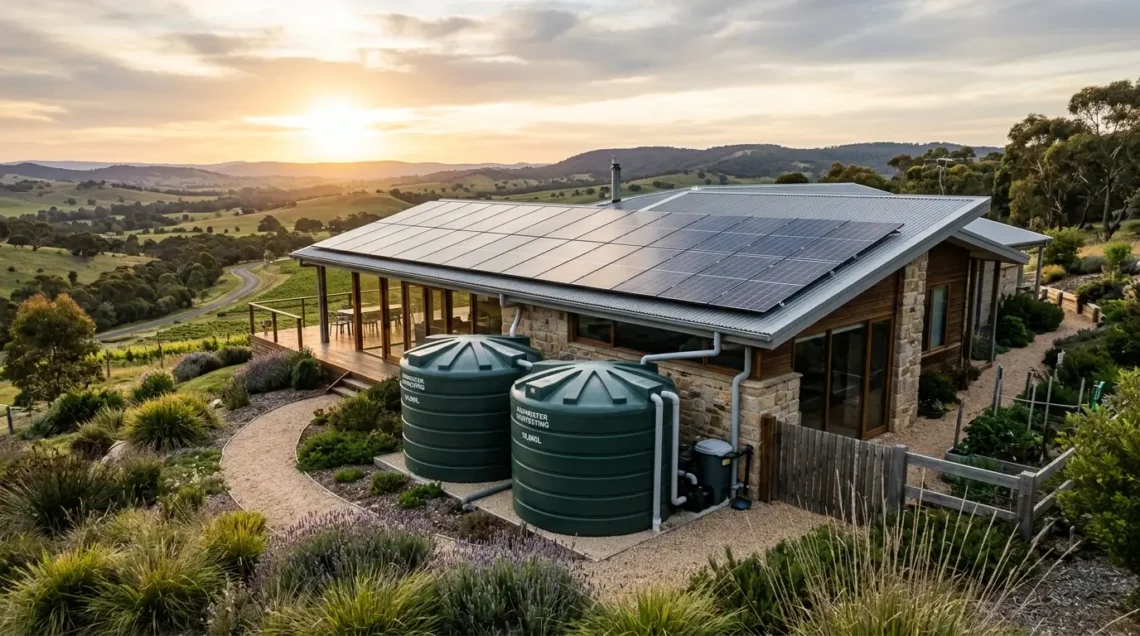
Going off-grid means you’re suddenly responsible for every watt of electricity, every gallon of water, and every bit of waste your household produces. Unlike homes connected to municipal services, there’s no grid to fall back on, no water company to call, no garbage truck to haul things away. This reality breaks down into three interconnected systems: power generation and storage, water sourcing and filtration, and waste management. Whether you’re building a cabin in the woods or converting a rural property into a self-reliant homestead, these systems form the foundation of how you’ll actually live day-to-day. The good news? The fundamentals are straightforward enough that anyone willing to learn can understand and manage them.
At its core, going off-grid means producing your own electricity through solar panels, wind turbines, or micro-hydro systems paired with battery banks for storage. Water systems typically involve drilling wells, harvesting rainwater, or tapping springs, combined with filtration for safe consumption. Waste management includes composting toilets, greywater recycling, and septic systems designed for low-impact processing. Each component requires upfront investment and ongoing maintenance, but the payoff is energy independence, lower monthly bills, and freedom from utility company rate hikes.
Understanding Off-Grid Power Systems
Power generation represents the most critical component of any off-grid setup. Unlike traditional homes that draw electricity from the grid on demand, you’re responsible for producing, storing, and managing every watt you consume. This reality forces you to think differently about energy use from day one.
The three primary renewable energy sources are solar photovoltaic panels, wind turbines, and micro-hydro systems. Solar works best in regions with consistent sunlight, while wind requires average speeds above 10 mph to justify the investment. Micro-hydro systems excel if you have flowing water with sufficient drop on your property, though they’re the least common due to site requirements.
Most beginners start with solar because the technology is proven, costs have dropped dramatically, and installation is relatively straightforward compared to alternatives. Solar panels require minimal maintenance beyond occasional cleaning and produce power silently without moving parts that wear out. If you’re just starting your research, our complete beginner’s guide to off-grid living covers the broader lifestyle considerations beyond just systems.
Backup Generators and Hybrid Systems
Even the best renewable setup benefits from a backup generator for extended cloudy periods or winter months when solar production drops. Propane or diesel generators fill the gap, though they add fuel costs and maintenance requirements. In practice, many homesteaders run hybrid systems that lean heavily on renewables but keep fossil fuel backup for emergencies.
Battery banks store excess energy produced during peak generation times for use at night or during low-production periods. Lithium-ion batteries now dominate the market due to longer lifespans and deeper discharge capabilities compared to older lead-acid technology. However, they carry higher upfront costs that take years to recoup through extended service life.
Solar Panel Basics and Battery Storage
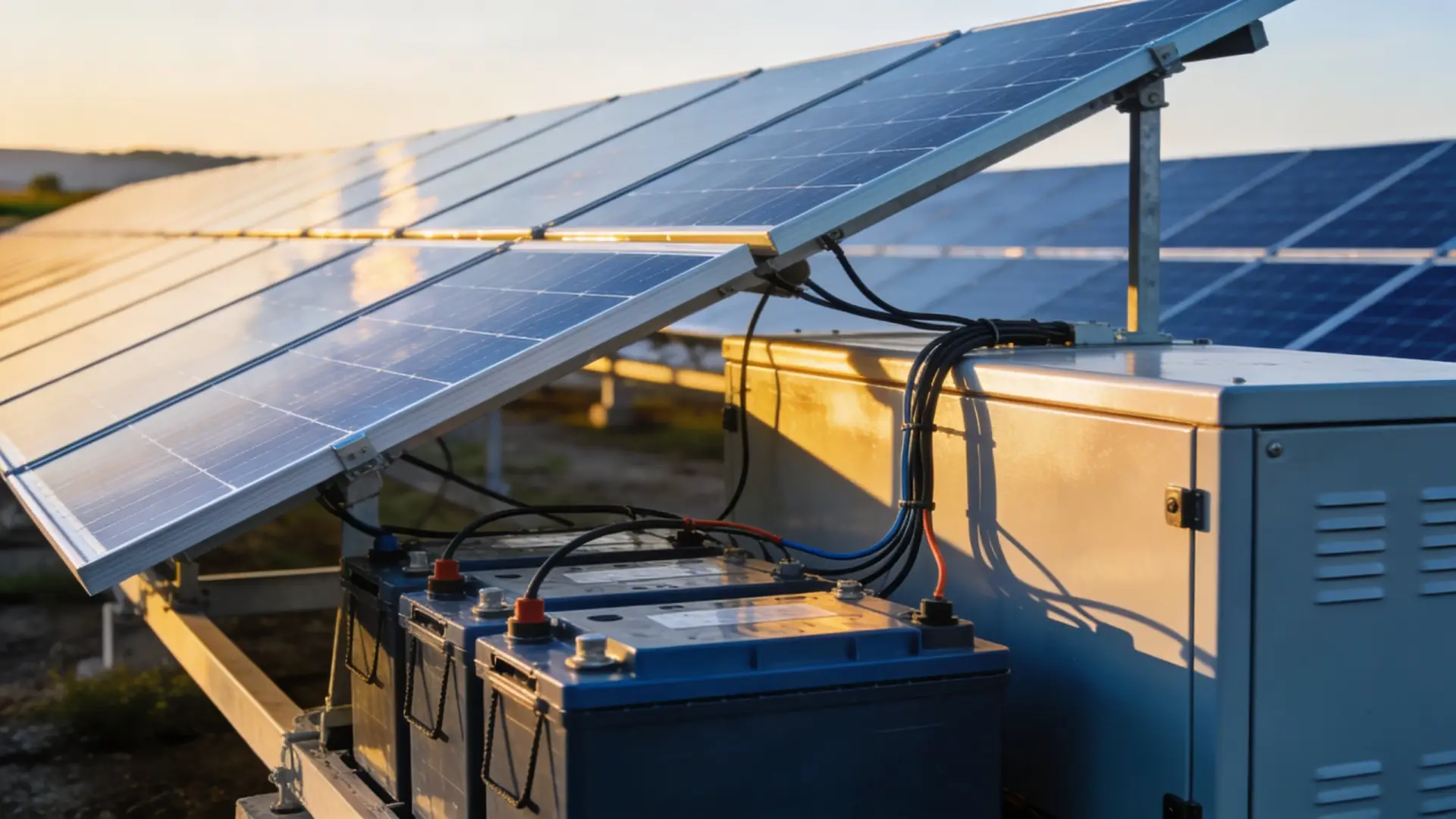
Solar panels convert sunlight into direct current (DC) electricity, which then flows through a charge controller to your battery bank. The controller prevents overcharging and optimizes the charging process based on battery chemistry. An inverter converts stored DC power into alternating current (AC) that runs standard household appliances.
Panel wattage determines how much power each unit produces under ideal conditions. A typical residential panel outputs 300-400 watts, though actual production varies with sun angle, shading, and weather. Therefore, you’ll need multiple panels wired together in series or parallel to meet your energy demands.
Battery capacity is measured in kilowatt-hours (kWh), representing how much energy the bank can store. A modest off-grid home might need 10-20 kWh of storage to cover nighttime use and cloudy days. Battery banks often represent the single largest expense in a solar power system, sometimes exceeding panel costs.
System Voltage and Wiring
Off-grid systems typically operate at 12V, 24V, or 48V DC between panels and batteries. Higher voltages reduce current flow, allowing smaller wire gauges and lower power losses over distance. Most modern systems use 48V configurations for better efficiency, especially when scaling up capacity.
| Component | Function | Typical Lifespan |
|---|---|---|
| Solar Panels | Convert sunlight to DC electricity | 25-30 years |
| Charge Controller | Regulates power flow to batteries | 10-15 years |
| Battery Bank | Stores energy for later use | 10-15 years (lithium) |
| Inverter | Converts DC to AC power | 10-15 years |
Water Sourcing and Treatment Solutions
Clean water access ranks equally important as electricity for sustainable off-grid living. Unlike power, which you can ration temporarily, you need consistent water for drinking, cooking, bathing, and sanitation. Fortunately, several proven methods provide reliable water even in remote locations.
Drilled wells tap underground aquifers using submersible pumps powered by your electrical system. Well depth varies dramatically by region, from 50 feet in some areas to 400+ feet in arid climates. Deeper wells cost more to drill and require larger pumps, but they typically provide consistent year-round flow.
Rainwater harvesting captures precipitation from roof surfaces into storage tanks. A 1,000-square-foot roof generates roughly 600 gallons per inch of rainfall, making this viable in regions with adequate precipitation. However, you’ll need substantial storage capacity (1,000-5,000 gallons) to bridge dry periods between storms.
Filtration and Purification
Raw water from wells, springs, or rainwater contains sediment, bacteria, and potential contaminants requiring treatment before consumption. Multi-stage filtration typically includes sediment filters, activated carbon, and either UV sterilization or reverse osmosis for final purification. A practical approach is installing whole-house sediment filters at the water source, then point-of-use purification at kitchen taps.
Spring water tapped from hillside sources provides gravity-fed pressure without pumping if your home sits downhill from the source. This elegant solution eliminates electrical pumping costs but requires careful testing and filtration since surface water carries higher contamination risks than deep wells. The EPA provides guidelines for private well water testing that apply equally to springs.
Waste Management Strategies
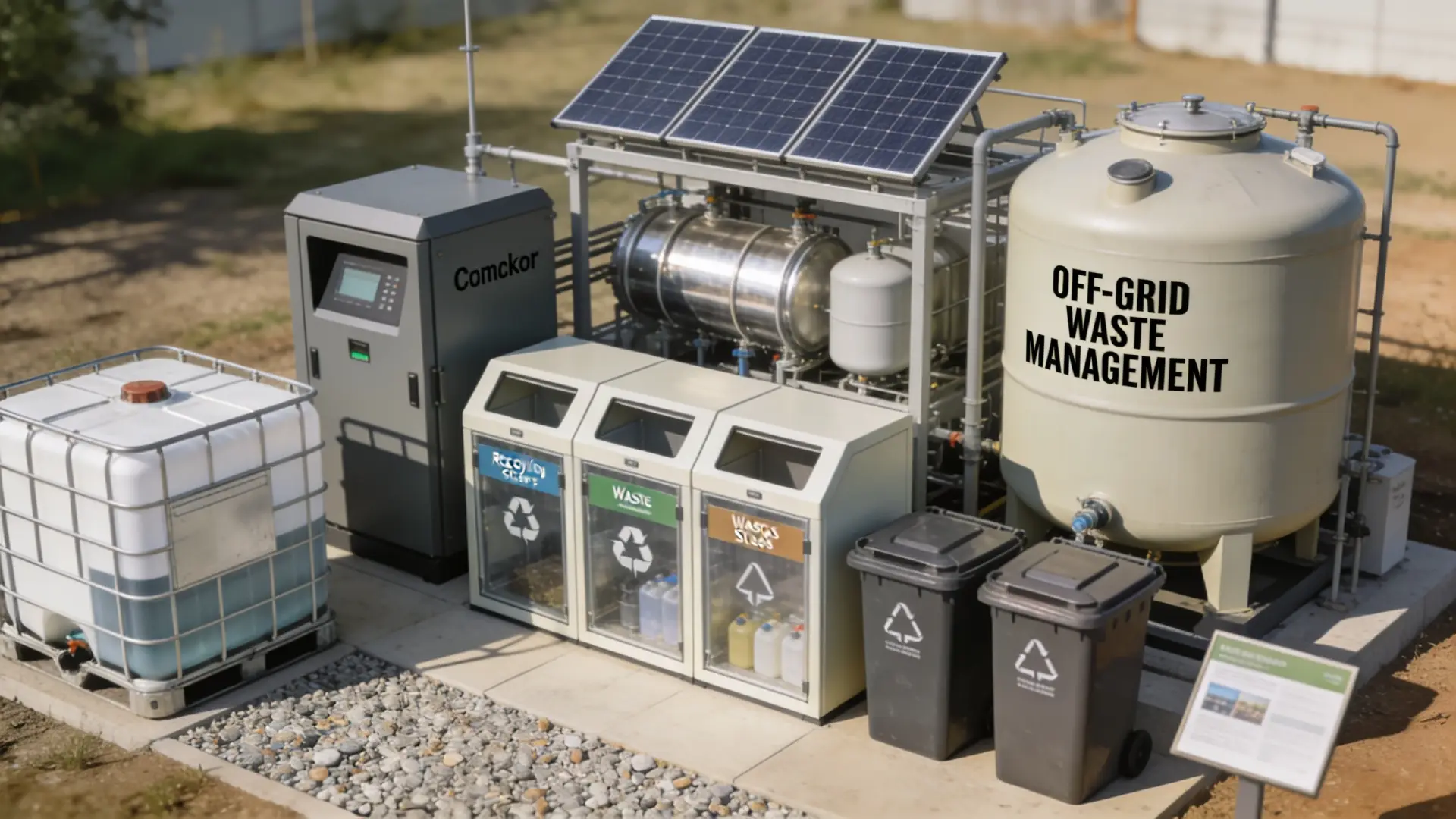
Handling human waste and greywater responsibly protects both your property and local groundwater. Traditional septic systems work off-grid if you have suitable soil percolation, but alternative methods often make more sense for remote locations or challenging soil conditions.
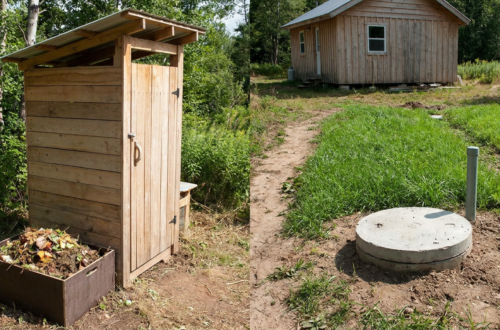
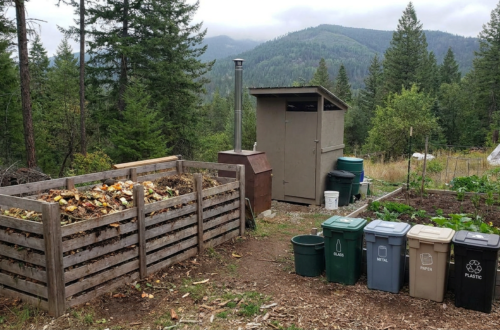
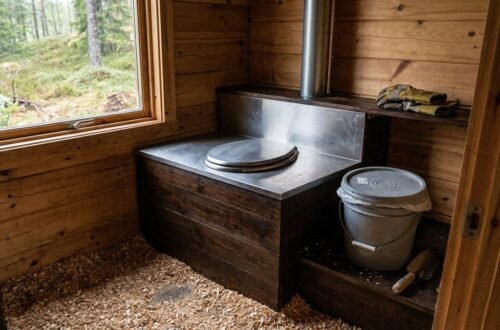
Composting toilets separate liquid and solid waste, using biological decomposition to break down solids into safe, odorless compost over 6-12 months. Modern units are surprisingly user-friendly, require no water, and eliminate the need for septic systems entirely. They do require proper maintenance including ventilation and periodic emptying of finished compost.
Greywater from sinks, showers, and laundry makes up 50-80% of household wastewater and can be recycled for irrigation after basic filtration. A critical point: keep greywater separate from blackwater (toilet waste) from the design phase onward. Mixing them dramatically complicates treatment and eliminates recycling opportunities.
Septic Alternatives
Constructed wetlands treat wastewater through natural biological processes using plants and beneficial bacteria in gravel beds. These systems handle both greywater and septic effluent but require adequate space (typically 100+ square feet per person) and moderate climates where plants remain active year-round. In temperate regions they work beautifully, but they struggle in very cold or arid environments.
- Composting toilets eliminate water use and septic requirements entirely
- Greywater systems reduce fresh water demands by 30-50% through irrigation reuse
- Conventional septic tanks work fine if soil conditions allow proper drainage fields
- Constructed wetlands provide natural treatment but need space and suitable climate
Sizing Your Systems Correctly
Undersized systems create constant frustration through power outages and water shortages, while oversized systems waste money on unused capacity. The key is calculating your actual needs rather than guessing or copying someone else’s setup. Start by auditing your expected energy and water consumption before purchasing anything.
For power, list every appliance you’ll run with its wattage and daily usage hours. Multiply watts by hours to get watt-hours, then sum everything for total daily consumption. Add 20-30% overhead for system losses and future expansion. Most off-grid homes use 3-10 kWh daily compared to 30 kWh for typical grid-tied homes, achieved through efficiency improvements and conscious consumption.
Water needs vary from 20-50 gallons per person daily depending on conservation efforts and lifestyle choices. A family of four planning for 40 gallons per person needs 160 gallons daily capacity, or 4,800 gallons monthly. Your well pump and storage must reliably deliver this volume even during peak demand periods. Before making any major purchases, check out our comprehensive checklist of essentials you’ll need for a smooth transition.
Balancing Cost and Capacity
Budget constraints often force phased implementation rather than installing complete systems upfront. Prioritize water and basic electricity first since these directly impact livability. Luxury items like hot tubs or electric heat can wait until you’ve verified your core systems work reliably through all seasons.
Solar systems scale easily by adding panels and batteries incrementally as budget allows and needs grow. Water systems are harder to upgrade since drilling deeper wells or expanding storage requires major work. Slightly oversizing water infrastructure initially saves expensive modifications later.
Common Mistakes to Avoid
First-time off-gridders often underestimate their energy consumption, then find themselves rationing power or running generators constantly. Track your actual usage for several months before finalizing system specs. Monitoring equipment reveals which appliances consume the most power, letting you make informed decisions about replacements or usage patterns.
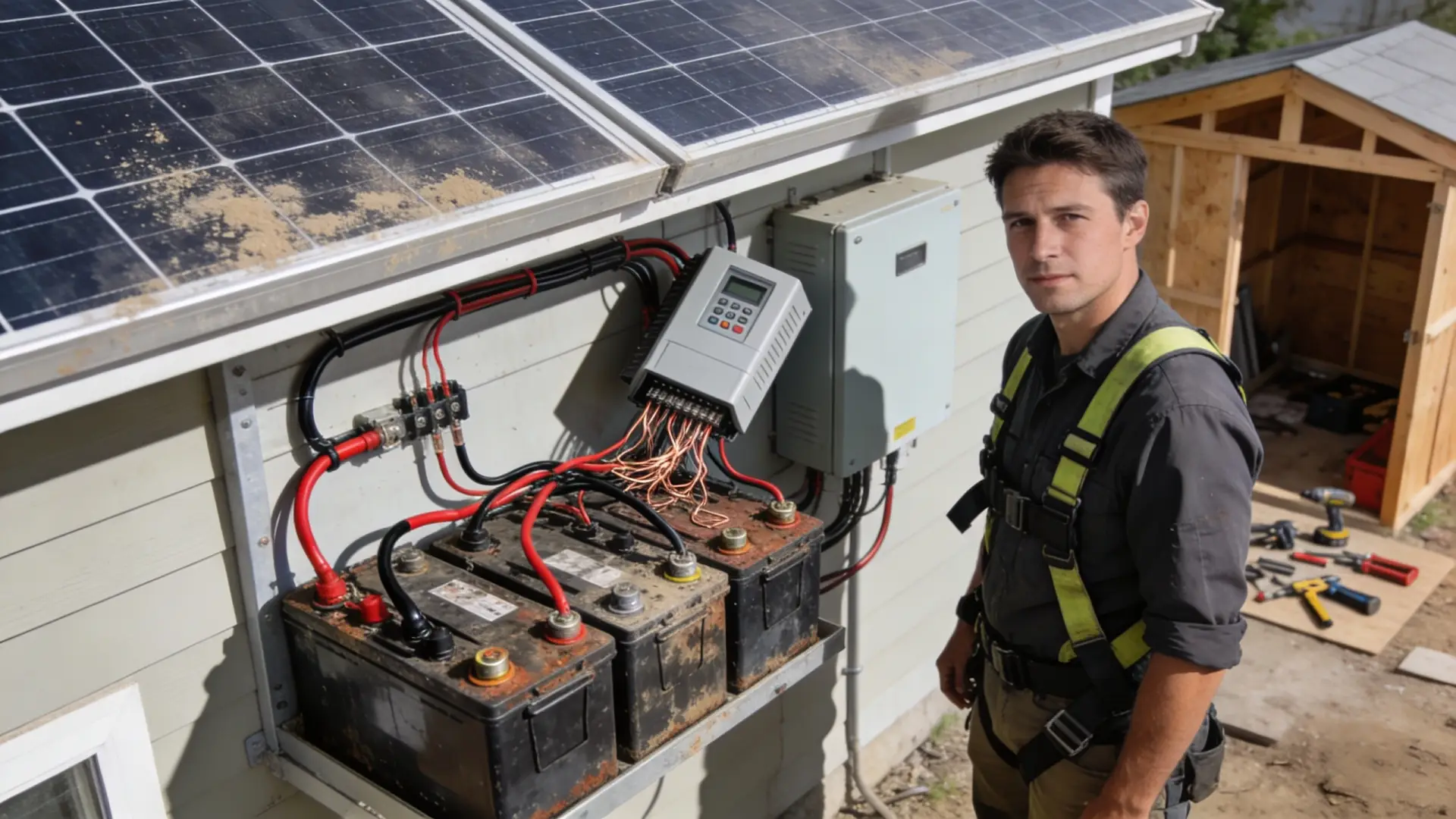
Another frequent error is neglecting system maintenance until something breaks. Solar panels need occasional cleaning, batteries require periodic equalization charging, water filters need replacement on schedule, and composting toilets need proper management. Setting aside maintenance funds prevents minor issues from becoming expensive emergencies.
Skipping permits and inspections seems tempting in remote areas, but building code compliance protects your investment and future resale value. Improperly installed systems create safety hazards, particularly with electrical components and waste treatment. Professional installation costs more upfront but eliminates dangerous mistakes that could harm your family or property.
Testing Before Committing
If possible, test off-grid living in a small structure before building your permanent home. A cabin or RV lets you refine your system design and usage habits without expensive mistakes in your main residence. This hands-on experience proves invaluable for understanding real-world challenges versus theoretical planning.
Water quality testing should happen before and after filtration to verify your treatment system works properly. Annual testing catches problems early, whether from changing aquifer conditions or failing equipment. County health departments often provide low-cost testing services, or you can use mail-in labs for comprehensive analysis.
Your next step: choose one system to research deeply—solar if you have good sun exposure, a well if you’re uncertain about rainwater reliability, or a composting toilet if septic permits look complicated. Most off-gridders build their systems incrementally over 6-12 months, learning as they go. Start with water and power, then refine waste handling once you understand your household’s actual consumption patterns. Please refer to our disclaimer regarding information provided on this site as you implement these systems.
Frequently Asked Questions
How much does it cost to set up a complete off-grid system?
A complete off-grid system typically costs $20,000-$50,000 depending on property size, energy needs, and water availability. Solar power systems run $10,000-$30,000 including batteries, while well drilling costs $3,000-$15,000 based on depth. Waste systems add another $2,000-$10,000 depending on whether you choose composting toilets or conventional septic. You can reduce costs significantly by phasing installation over time and doing some work yourself.
Can I go off-grid if I live in a cloudy climate?
Yes, but you’ll need larger solar arrays and more battery storage to compensate for reduced production during overcast periods. Many successful off-grid homes operate in cloudy regions like the Pacific Northwest by oversizing their systems by 30-50% and maintaining backup generators for extended dark stretches. Wind power can supplement solar in consistently cloudy but windy locations, creating a more balanced year-round generation profile.
How long do off-grid system components typically last?
Solar panels last 25-30 years with minimal degradation, while lithium batteries typically provide 10-15 years of service before capacity drops significantly. Inverters and charge controllers last 10-15 years with proper care, and well pumps run 15-25 years depending on usage and water quality. Composting toilets have no specific lifespan since they’re mechanical systems requiring only occasional part replacement, making them potentially the longest-lasting component in your setup.
Do I need special skills to maintain off-grid systems?
Basic maintenance requires only general DIY skills like cleaning panels, checking battery connections, and replacing water filters. However, troubleshooting electrical issues or repairing well pumps may require professional help unless you develop advanced skills over time. Most off-gridders learn through hands-on experience and online resources, gradually becoming proficient at routine maintenance while hiring specialists for complex repairs or annual inspections.
What happens during extended power outages in winter?
Winter presents the greatest challenge for solar systems due to shorter days and snow cover on panels. Having 3-5 days of battery capacity plus a backup generator ensures you maintain power during extended cloudy periods. Many off-gridders also reduce consumption during winter by limiting high-draw appliances and relying more on wood heat rather than electric heating, which drastically cuts energy demands when solar production is lowest.


9 Comments on “Off-Grid Systems Explained: Power, Water & Waste Setup”
Comments are closed.