
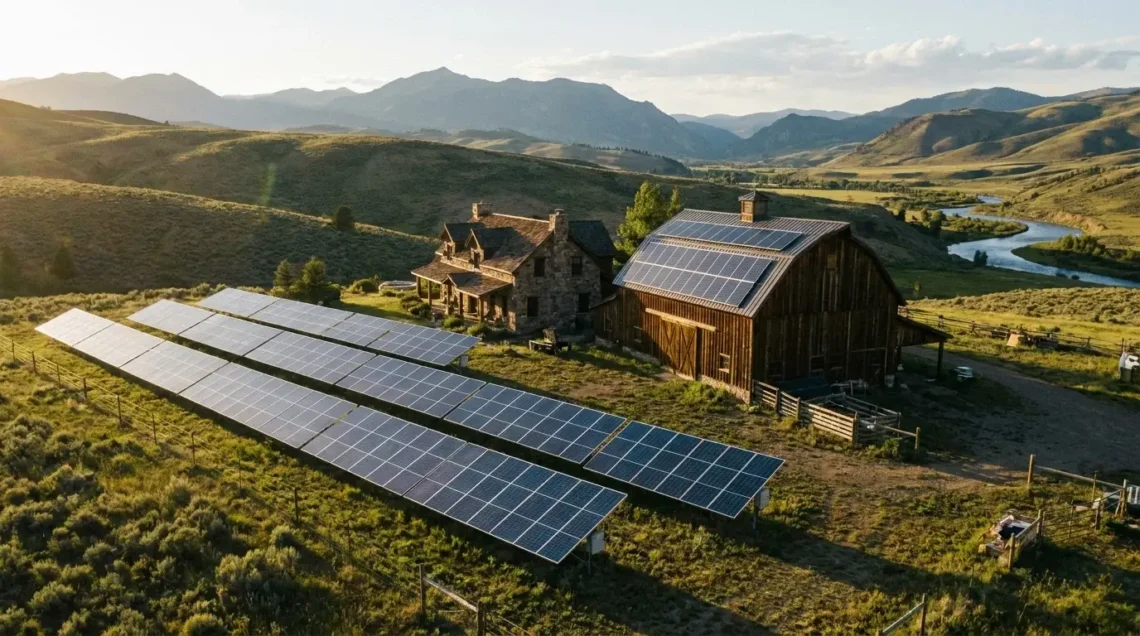
Making the leap to off-grid living might feel overwhelming, but this Guide will walk you through every essential step to confidently start your journey on your own land. Whether you’re drawn to self-sufficiency, sustainability, or simply escaping the utility bills, understanding the fundamentals before you begin will save you thousands of dollars and countless headaches. The key is breaking down this lifestyle shift into manageable phases rather than trying to tackle everything at once.
Off-grid living for beginners starts with careful land selection, understanding your essential systems (power, water, and waste), and creating a realistic timeline and budget. Most newcomers succeed by starting small—perhaps with a cabin or RV on their property—while gradually building out their infrastructure. The critical first steps include researching local zoning laws, testing your land’s resources, and prioritizing which systems to install first based on your climate and needs.
Table of Contents
Choosing the Right Land for Off-Grid Living
Your land selection will determine 80% of your off-grid success or struggle. Therefore, you need to evaluate several critical factors before purchasing any property. The right piece of land should support your water needs, receive adequate sunlight for solar panels, and allow legal structures according to local regulations.
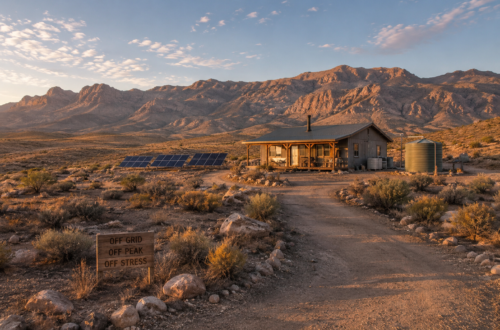
Start by identifying regions where off-grid living is welcomed rather than restricted. Rural areas in states like Tennessee, Texas, Missouri, and parts of the Southwest typically offer more flexibility. However, some counties have strict building codes that make off-grid living nearly impossible without extensive permits.
Key Land Features to Evaluate
- Water access: Look for properties with springs, wells, or year-round streams
- Solar exposure: South-facing slopes with minimal tree coverage maximize solar potential
- Soil quality: Test drainage and composition if you plan to grow food
- Access roads: Year-round vehicle access matters more than you think
- Property size: Minimum 2-5 acres gives you space for systems and expansion
Additionally, consider proximity to town. Living completely isolated sounds romantic, but being 30-45 minutes from supplies and services creates a practical balance. You’ll appreciate this middle ground during emergencies or when you need materials for projects.
Understanding Legal and Zoning Requirements
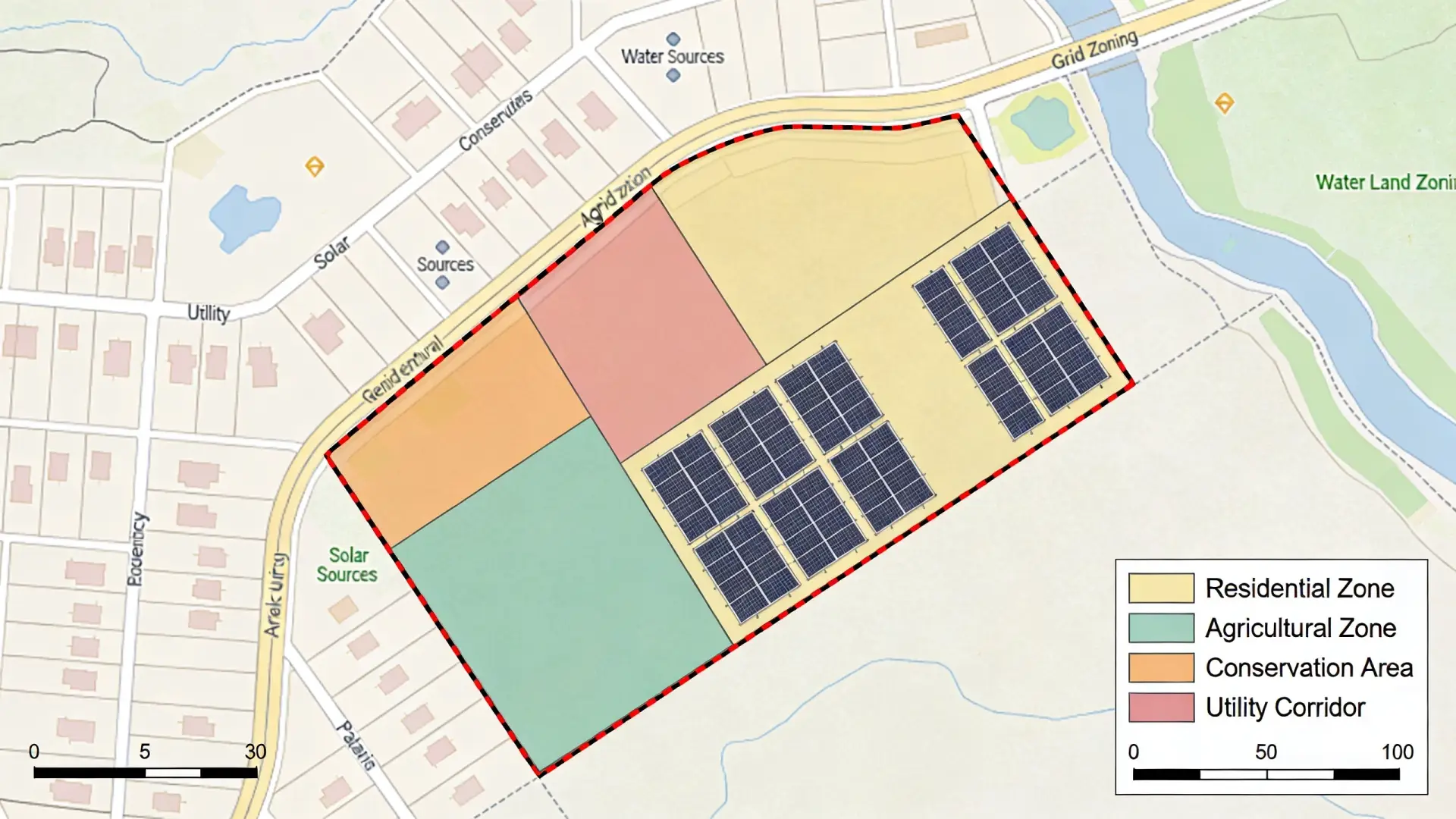
Before you invest a single dollar in infrastructure, research your local regulations thoroughly. Many beginners skip this step and face expensive consequences later. Consequently, understanding what’s legally required versus optional will shape your entire approach.
Contact your county planning department and ask specific questions about off-grid structures. Some counties require grid connection even if you don’t use it, while others prohibit rainwater collection or composting toilets. Meanwhile, certain areas have minimum square footage requirements that force larger builds than you might want.
Essential Legal Questions to Research
Document answers to these questions before purchasing land. First, does the county allow permanent residences without grid connection? Second, what are the minimum building requirements for dwellings? Third, are alternative waste systems like composting toilets permitted? Furthermore, investigate whether you can legally live in an RV or temporary structure while building.
Many successful off-grid homesteaders find that building relationships with local officials helps tremendously. Visit the planning office in person rather than just calling. A friendly conversation often reveals unofficial flexibility that strict code language doesn’t show. Moreover, some inspectors appreciate when you demonstrate genuine commitment to safety and sanitation, even through alternative methods.
For more context on regulatory challenges, the brutal truth of off-grid living covers common legal obstacles newcomers face.
Planning Your Essential Off-Grid Systems
Three primary systems form the foundation of off-grid living: power, water, and waste management. Planning these systems before building anything prevents costly retrofitting later. In practice, each system requires upfront investment but pays dividends through independence and reduced monthly expenses.
The smart approach involves designing these systems together rather than separately. For example, your power needs depend on whether you’ll pump water electrically or use gravity-fed systems. Similarly, your waste solution affects your water usage patterns and overall system load.
| System | Primary Options | Typical Cost Range | Complexity Level |
|---|---|---|---|
| Power | Solar, wind, generator, hybrid | $3,000–$25,000 | Moderate |
| Water | Well, spring, rainwater, hauling | $2,000–$15,000 | Moderate to High |
| Waste | Septic, composting toilet, greywater | $1,500–$10,000 | Low to Moderate |
| Heating | Wood stove, propane, passive solar | $1,000–$5,000 | Low to Moderate |
A common mistake is underestimating your actual power needs. Track your current electrical usage for a month, then realistically assess which conveniences you’ll keep versus eliminate. Most beginners find they can reduce consumption by 50-70% through efficient appliances and conscious habits, but going too minimal often leads to frustration and system upgrades later.
Setting Up Your Power System
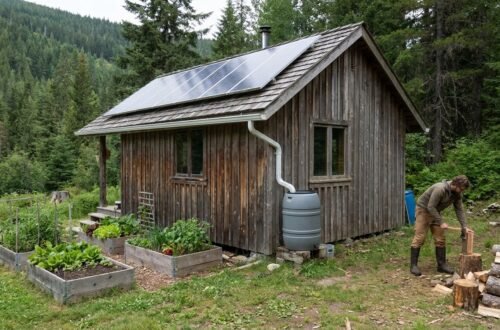
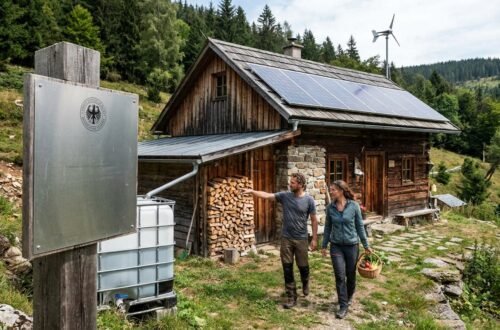
Solar power dominates off-grid setups because panel costs have dropped dramatically while efficiency has improved. A basic starter system includes solar panels, a charge controller, battery bank, and inverter. However, sizing your system correctly from the start prevents expensive expansions within the first year.
Calculate your daily power consumption in kilowatt-hours (kWh). Multiply this by 1.5 to account for efficiency losses and cloudy days. Then size your battery bank to store at least two days of power usage. This buffer provides security during extended overcast periods without running backup generators constantly.
Components of a Basic Solar System
Start with 400-800 watts of solar panels for minimal power needs like LED lighting, phone charging, and a small refrigerator. Add a 40-60 amp MPPT charge controller to efficiently manage power from panels to batteries. Furthermore, invest in quality deep-cycle batteries—either lithium or AGM—rated for at least 200-400 amp-hours at 12 volts.
Your inverter converts DC battery power to AC household power. A 2000-3000 watt pure sine wave inverter handles most appliances safely. Avoid modified sine wave inverters as they damage sensitive electronics and appliances over time. As a result, spending extra on quality components upfront prevents replacement costs and system failures.
For detailed technical information, check out our complete breakdown of off-grid systems covering power, water, and waste integration.
Backup Power Considerations
Even excellent solar systems need backup during winter or extended storms. A propane or dual-fuel generator rated for 3000-5000 watts provides peace of mind. Plan to run it occasionally for battery charging and high-demand tasks. Moreover, generator hours represent the minority of your power production—solar should handle 80-90% of your needs in properly designed systems.
Creating a Reliable Water Solution
Water access makes or breaks off-grid living. Without reliable water, everything else becomes irrelevant. Therefore, securing your water source deserves top priority in your planning phase. Test any existing water sources for quality and flow rate before committing to property purchase.
Drilling a well provides the most consistent solution in most locations. Expect costs between $3,000-$15,000 depending on depth and geology. Well depth varies dramatically by region—some areas hit water at 50 feet while others require drilling 300+ feet. Contact local well drillers for realistic estimates before purchasing land.
Alternative Water Collection Methods
- Spring development: Natural springs provide free flowing water but require proper capture and piping systems
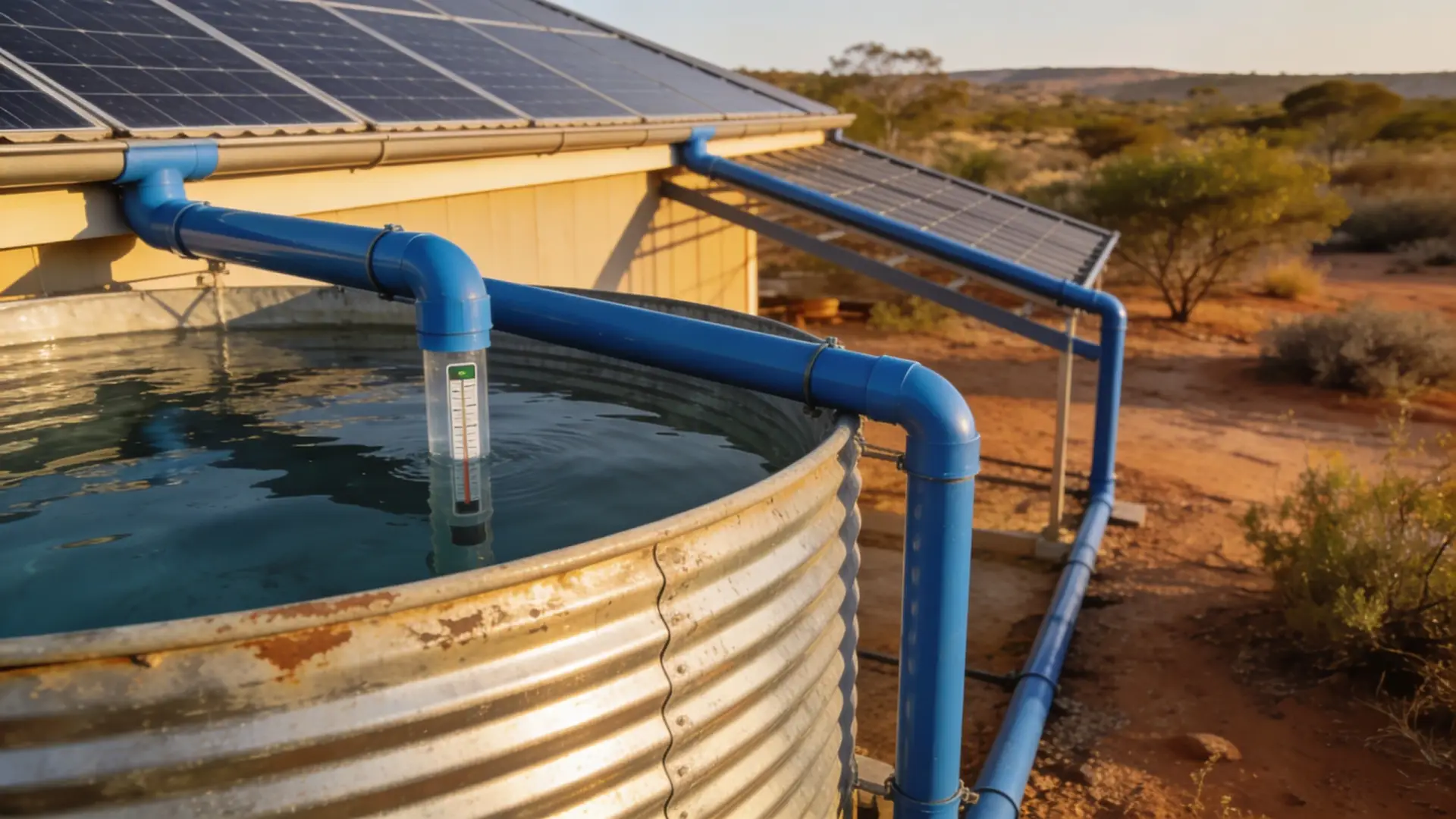
- Rainwater harvesting: Collect roof runoff in cisterns; 1,000 square feet of roof yields roughly 600 gallons per inch of rain
- Surface water: Ponds, streams, or creeks work but require filtration and may have legal restrictions
- Water hauling: Temporary solution while establishing permanent systems; budget time and fuel costs
Regardless of source, implement proper filtration. A multi-stage system with sediment filter, carbon filter, and UV sterilization ensures safe drinking water. Additionally, many off-gridders use separate systems for potable water versus general use water to reduce filtration costs and complexity.
Storage capacity matters tremendously. Install storage tanks holding at least 500-1,000 gallons minimum. Larger families or those with livestock need substantially more. Position tanks higher than your dwelling whenever possible—gravity-fed systems eliminate pump energy consumption and provide water during power outages.
Implementing Waste Management
Waste management includes both blackwater (toilet waste) and greywater (sinks, showers). Each requires different approaches, and local regulations heavily influence your options. Nevertheless, numerous effective solutions exist for every situation and budget level.
Septic systems remain the gold standard where regulations permit. A conventional septic tank with drain field costs $5,000-$10,000 installed but lasts decades with proper maintenance. Septic systems handle all household waste efficiently and operate identically to grid-connected homes. However, they require suitable soil percolation rates and sufficient space for the drain field.
Composting Toilet Systems
Composting toilets offer a lower-cost alternative that uses zero water. Commercial units like Nature’s Head or Sun-Mar cost $1,000-$2,500 and work remarkably well when maintained properly. These systems separate liquids from solids, allowing aerobic decomposition that produces safe compost in 6-12 months.
The main adjustment involves emptying collection chambers every 4-8 weeks depending on usage. What works well is treating this as routine maintenance rather than an unpleasant chore. Additionally, composting toilets dramatically reduce water consumption—critical in drought-prone areas or properties with limited water access.
Greywater Management
Greywater from sinks and showers can irrigate gardens and landscaping where legal. Simple systems direct greywater through mulch basins around fruit trees or perennial plantings. Use biodegradable, plant-safe soaps to prevent soil contamination. More complex systems involve filtration and subsurface irrigation that requires permits but maximizes water efficiency.
Understanding realistic cost breakdowns for going off-grid helps you budget appropriately for waste management and all other systems.
Building or Placing Your Shelter
Your dwelling choice significantly impacts your timeline and budget. Many beginners live temporarily in RVs or tiny homes while constructing permanent structures. This phased approach lets you learn your land’s patterns and refine your plans before committing to permanent building locations.
Small cabins of 200-600 square feet provide adequate living space while minimizing construction costs and heating/cooling needs. Prefab cabin kits start around $5,000-$15,000 for basic shells, requiring additional finish work. Alternatively, shipping container homes, yurts, or earthbag construction offer unique advantages depending on your climate and skills.
Factors Influencing Shelter Selection
Climate drives many shelter decisions. Cold climates demand serious insulation and efficient heating, while hot regions prioritize ventilation and shading. Passive solar design—orienting buildings to maximize winter sun and summer shade—dramatically reduces heating and cooling energy consumption. Moreover, thermal mass from concrete or stone moderates temperature swings naturally.
Building codes may mandate minimum square footage, foundation types, or construction methods. Research these requirements thoroughly before designing your shelter. Some counties allow “accessory structures” like workshops or storage buildings without the same restrictions as primary dwellings, creating strategic opportunities for phased building approaches.
DIY construction saves substantial money if you have skills and time. Hiring contractors accelerates timelines but increases costs significantly. A realistic middle path involves hiring professionals for specialized work like electrical, plumbing, and foundations while handling finish work yourself. As a result, you maintain quality standards while controlling costs.
Creating Your Budget and Timeline
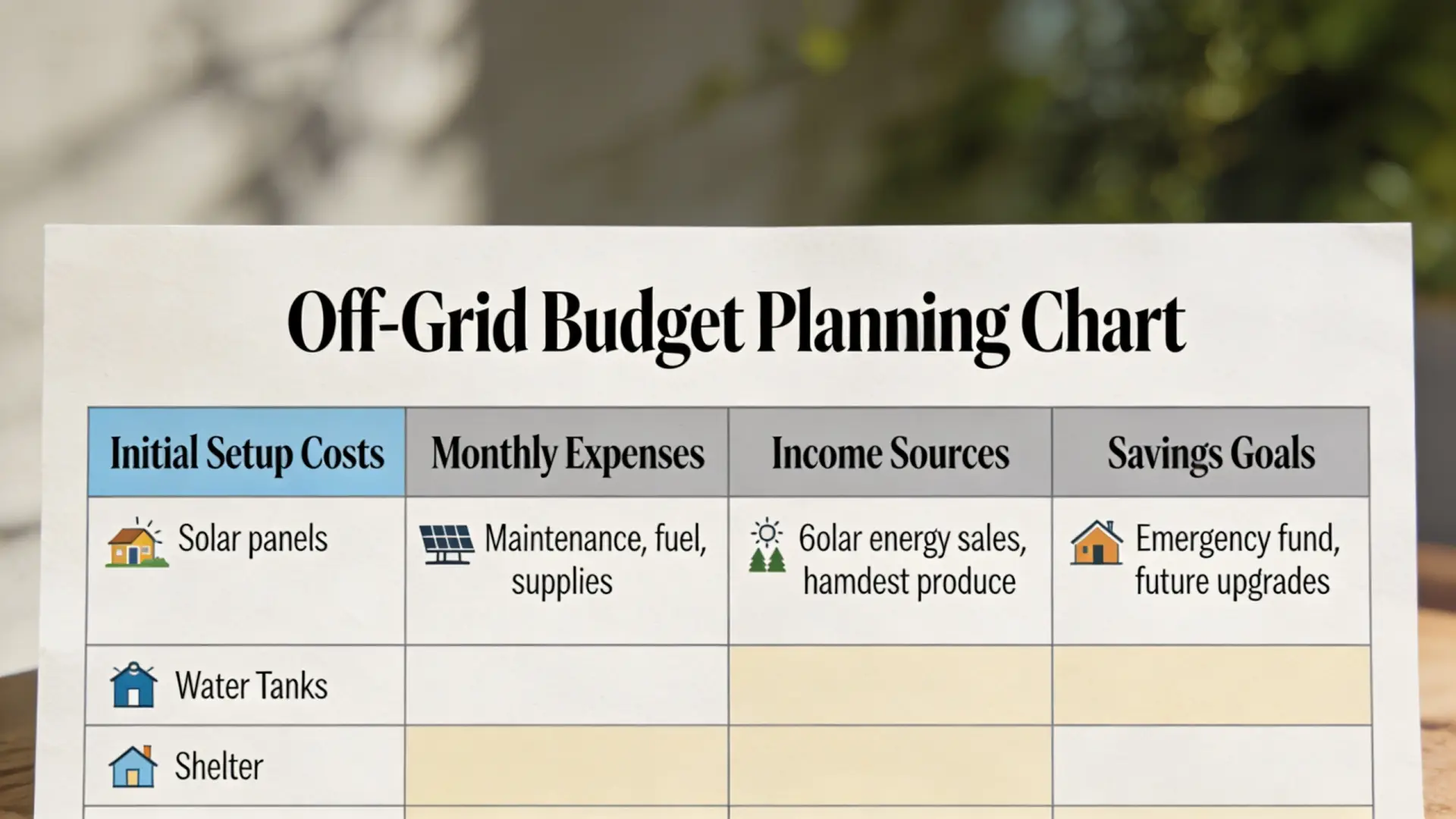
Realistic budgeting prevents the number one reason off-grid projects fail—running out of money mid-project. Establish your total available funds, then allocate percentages to each major category: land, shelter, power, water, waste, and contingency. Financial experts recommend keeping 20-30% as contingency for unexpected costs that inevitably arise.
Entry-level off-grid setups on owned land start around $15,000-$30,000 for basic systems and simple shelter. Mid-range projects with comfortable amenities run $50,000-$100,000. High-end off-grid homes with all modern conveniences exceed $150,000. These ranges vary dramatically by region, DIY involvement, and system choices.
| Budget Level | Total Investment | Typical Features | Timeline |
|---|---|---|---|
| Basic/Starter | $15,000–$30,000 | Small cabin/RV, minimal solar, composting toilet, water hauling | 3–6 months |
| Moderate | $50,000–$100,000 | Comfortable home, robust solar, well water, septic system | 1–2 years |
| Advanced | $150,000+ | Full-size home, large solar array with battery backup, all amenities | 2–3 years |
Phased Implementation Strategy
Breaking your project into phases prevents overwhelm and allows course corrections. Phase one typically involves land preparation, temporary shelter, and basic power. Phase two adds water systems and permanent shelter. Phase three completes waste management and comfort amenities. This approach lets you live on-site early while gradually improving infrastructure.
Timeline expectations should account for weather delays, permit processing, and learning curves. Most beginners underestimate timeframes by 50-100%. Plan for at least one full year from land purchase to basic livability, and two to three years for complete systems. Rushing leads to costly mistakes and safety issues.
Track expenses meticulously from day one. Receipts and documentation help with taxes, resale value, and refinancing if needed. Furthermore, understanding where money actually goes—versus where you planned to spend it—teaches valuable lessons for future projects or helping others begin their off-grid journey.
Before you start, review common mistakes beginners make to avoid expensive learning experiences. Additionally, our comprehensive moving checklist ensures you don’t overlook critical items during your transition.
Financing Considerations
Traditional mortgages rarely cover off-grid properties, especially during construction. Cash purchases or land loans provide more common financing routes. Some builders use personal loans, home equity from previous properties, or construction loans from specialized lenders. The financial requirements for off-grid property (Investopedia) differ substantially from conventional home purchases.
Alternatively, many successful off-gridders save cash and build incrementally without debt. This slower approach avoids interest costs and payment pressures while giving flexibility to pause during challenges. However, it requires discipline and potentially longer timelines before achieving full off-grid functionality.
Starting your off-grid journey requires careful planning, realistic budgeting, and patience with the learning process. The rewards of independence, reduced expenses, and sustainable living justify the upfront effort for thousands of families who have made this transition successfully. Your unique situation will determine which systems and approaches work best, but the fundamental principles remain consistent—secure good land, establish reliable water, implement adequate power, manage waste responsibly, and build gradually within your means. The path to off-grid living is a marathon, not a sprint, and those who approach it methodically enjoy the greatest long-term success.
For additional context on what to expect during your transition, explore the ultimate beginner’s guide to off-grid living for more detailed information on each system and lifestyle adjustment.
Remember that every off-grid property evolves continuously. Systems get upgraded, new solutions emerge, and your own skills and preferences develop over time. Start with the basics, maintain safety as your top priority, and enjoy the journey toward genuine self-sufficiency. If you have specific questions about your unique situation, feel free to reach out through our contact page for personalized guidance.
Frequently Asked Questions
How much land do I need to live off-grid?
Most off-grid homesteaders find 2-5 acres sufficient for a dwelling, gardens, and essential systems. This size provides space for solar panel placement, septic drain fields, water storage, and future expansion without feeling cramped. Larger parcels of 10+ acres offer more privacy, potential for livestock, and additional building sites, but they also increase maintenance demands and property taxes. Your specific needs depend on whether you plan extensive gardening, raising animals, or simply want a secluded retreat with minimal land management.
Can I legally live in an RV on my own land?
RV living legality varies dramatically by county and state. Some rural counties allow full-time RV residence with minimal restrictions, while others classify RVs as temporary structures limited to 120-180 days annually. Many off-gridders successfully navigate this by registering their RV as their primary residence or obtaining special-use permits. Always contact your county planning department before purchasing land specifically for RV living, as violations can result in fines or forced removal. Some areas allow RVs as temporary housing while constructing a permanent dwelling, creating a strategic path forward.
What’s the minimum solar system size needed for off-grid living?
A minimal viable solar system starts at 400-800 watts of panels, a 40-60 amp charge controller, 200-


4 Comments on “Off-Grid Living for Beginners: A Simple Step-by-Step Guide to Start on Your Own Land”
Comments are closed.