
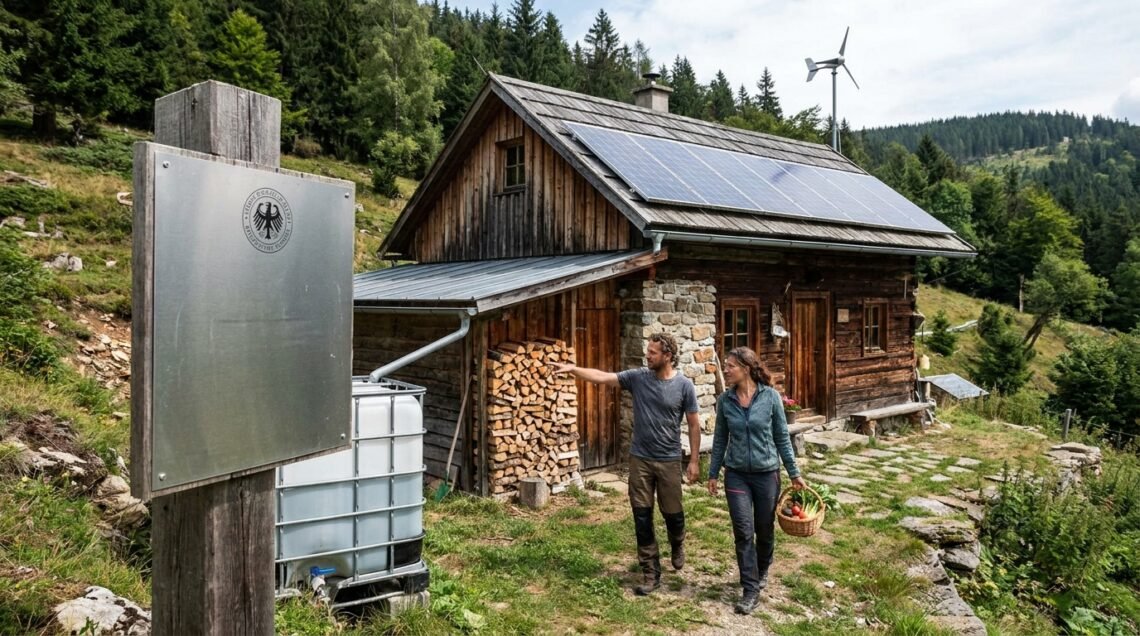
So, you’re wondering Is off-grid living legal? can you just pack up and live off the grid? Good news: off-grid living isn’t illegal at the federal level in the U.S. But before you start dreaming of a self-sufficient paradise, it’s crucial to understand that local rules, like zoning, building codes, and health ordinances, can throw a wrench in your plans, making it anywhere from difficult to outright impossible in certain areas. It’s not a blanket yes or no; it’s a complicated web of local regulations.
While the federal government isn’t going to swoop in and stop you from disconnecting, local authorities have a lot of say in how you build and live on your property. This is where most off-grid dreams hit their first big hurdle.
Table of Contents
Mandatory Connections: The Grid’s Grasp
Many communities, especially those in more populated areas, have rules that essentially force you to stay “on-grid.” This often means:
- Municipal Utilities: You might be required to connect to city water, sewer, or the electrical grid. This isn’t just a suggestion; it can be a condition for legal occupancy and for getting that all-important Certificate of Occupancy. If you’re hoping to avoid utility bills by generating your own power or managing your own waste, these rules can be a major roadblock. Imagine having to pay for a municipal sewer hookup you don’t even use because your composting toilet is perfectly functional. It happens.
Zoning Laws: Defining Your Living Space
Zoning laws are designed to organize how land is used and developed. They dictate everything from the type of buildings allowed to their size and even how many people can live in them. And lately, they’re increasingly zeroing in on non-traditional dwellings.
- Minimum House Sizes: Many zoning ordinances have minimum square footage requirements for residential homes. We’re talking 600 to 1,000 square feet or more. This can directly impact those looking to build smaller, more efficient off-grid homes or tiny houses. If your dream off-grid cabin is 300 square feet, and the local rule says 700, you’ve got a problem.
- Foundation Rules: Zoning often specifies that structures must be built on a permanent foundation. This can pose challenges for certain types of off-grid dwellings, like those built on skids, wheels, or other non-traditional bases that don’t meet the “permanent foundation” definition.
For those interested in the legalities surrounding off-grid living, a related article that delves deeper into the subject is titled “Understanding Off-Grid Regulations: What You Need to Know.” This article provides valuable insights into the various laws and zoning requirements that can affect your off-grid lifestyle. To explore this topic further, you can read the article here: Understanding Off-Grid Regulations: What You Need to Know.
Navigating Specific Systems: What’s Allowed (and What’s Not)
Going off-grid isn’t just about disconnecting from power; it’s about rethinking all your home’s systems. And these individual systems are often where specific local regulations kick in.
Water Sources: Wells, Rainwater, and More
While a well might seem like a natural fit for off-grid living, its legality isn’t always straightforward.
- Permitting for Wells: Drilling a well almost always requires a permit from the local health department or a similar agency. They’ll have regulations concerning depth, proximity to septic systems, and water quality testing.
- Rainwater Harvesting: Collecting rainwater for household use is becoming more accepted, but some areas still have restrictions or require specific filtration and storage standards to prevent health hazards. It’s worth checking if it’s considered a secondary or primary water source in your chosen location.
- Surface Water: Using water directly from a nearby stream or pond is often heavily regulated due to potential contamination and water rights issues.
Waste Management: Toilets, Septic, and Graywater
This is one of the most heavily regulated aspects of off-grid living due to public health concerns.
- Septic Systems: If you’re not connecting to municipal sewer, you’ll likely need a septic system. These require permits, design approvals, and inspections by the local health department. Soil tests are usually mandatory to determine if your land can handle a septic system.
- Composting Toilets: Ah, the composting toilet – a staple of many off-grid plans. These are a mixed bag legally. In some places, they’re perfectly fine (sometimes with limitations on primary use). In others, they’re outright illegal as a sole toilet, or they might require a blackwater dispersal system for any liquid waste. For example, in Alabama, while off-grid living is generally legal in many places, certain systems like composting toilets may be illegal or unpermitted for primary use.
- Outhouses: Similar to composting toilets, outhouses are often heavily restricted. In Alabama, for instance, outhouses are generally only allowed in remote areas where indoor plumbing is simply not present, and even then, they require a permit. Don’t assume you can just dig a hole.
- Graywater Systems: Reusing water from sinks, showers, and laundry for irrigation is a smart way to conserve water. However, graywater systems often have specific regulations regarding how the water is treated and dispersed, and not all areas allow them.
Geographic Sweet Spots: Where Off-Grid is Easier
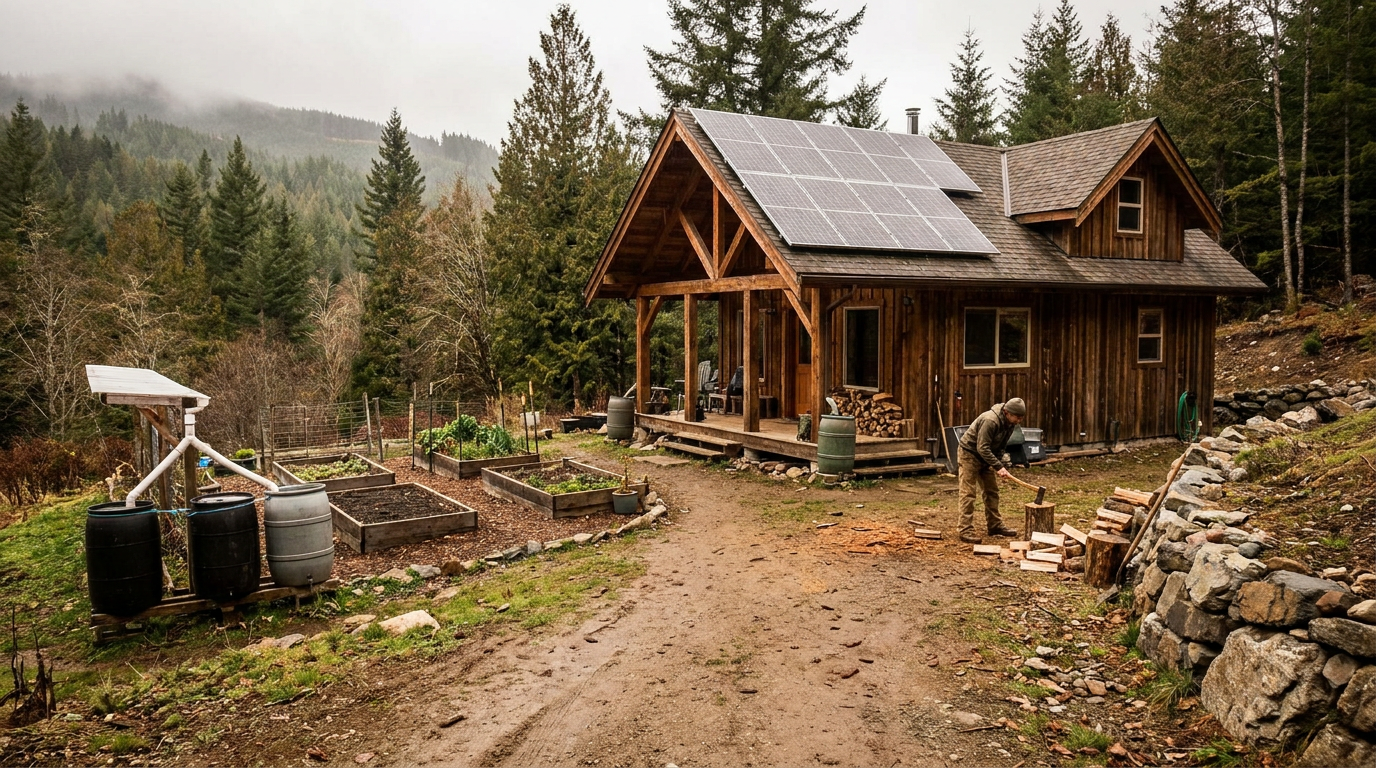
While much of the U.S. has robust building and zoning codes, there are still pockets where the regulatory landscape is a bit more forgiving.
Unincorporated Areas: The Wild (ish) West
If you’re serious about off-grid living with fewer bureaucratic hurdles, start looking at unincorporated areas.
- Fewer or Minimal Building Codes: States like Missouri, Arkansas, and Alaska are often cited as having unincorporated areas with significantly fewer or minimal building codes. This can make it much easier to build alternative structures or implement off-grid systems without jumping through endless hoops. Just remember, “minimal” doesn’t necessarily mean “non-existent,” so still do your homework.
- Rural Regions: Generally speaking, the more rural and sparsely populated an area, the less stringent the regulations tend to be. This is often because there’s less concern about a single off-grid home impacting a dense urban environment’s infrastructure or property values.
State-Specific Considerations: A Glimpse
Every state has its own flavor of regulations, and even within states, counties and municipalities differ wildly.
- Alabama: As mentioned, Alabama is a place where off-grid living can be quite legal in many areas. However, as we highlighted, specific systems like composting toilets, hydropower, or graywater systems might be illegal or unpermitted, and conventional outhouses are usually restricted to very remote locations with permits. This perfectly illustrates that “legal off-grid” doesn’t mean “anything goes.”
- Other States to Research: States often praised for off-grid friendliness (again, usually in their unincorporated, rural areas) include Texas, Maine, Arizona, and North Carolina. But this isn’t a guarantee; it’s a starting point for your research.
The “Accessory Structure” Loophole (Sometimes)
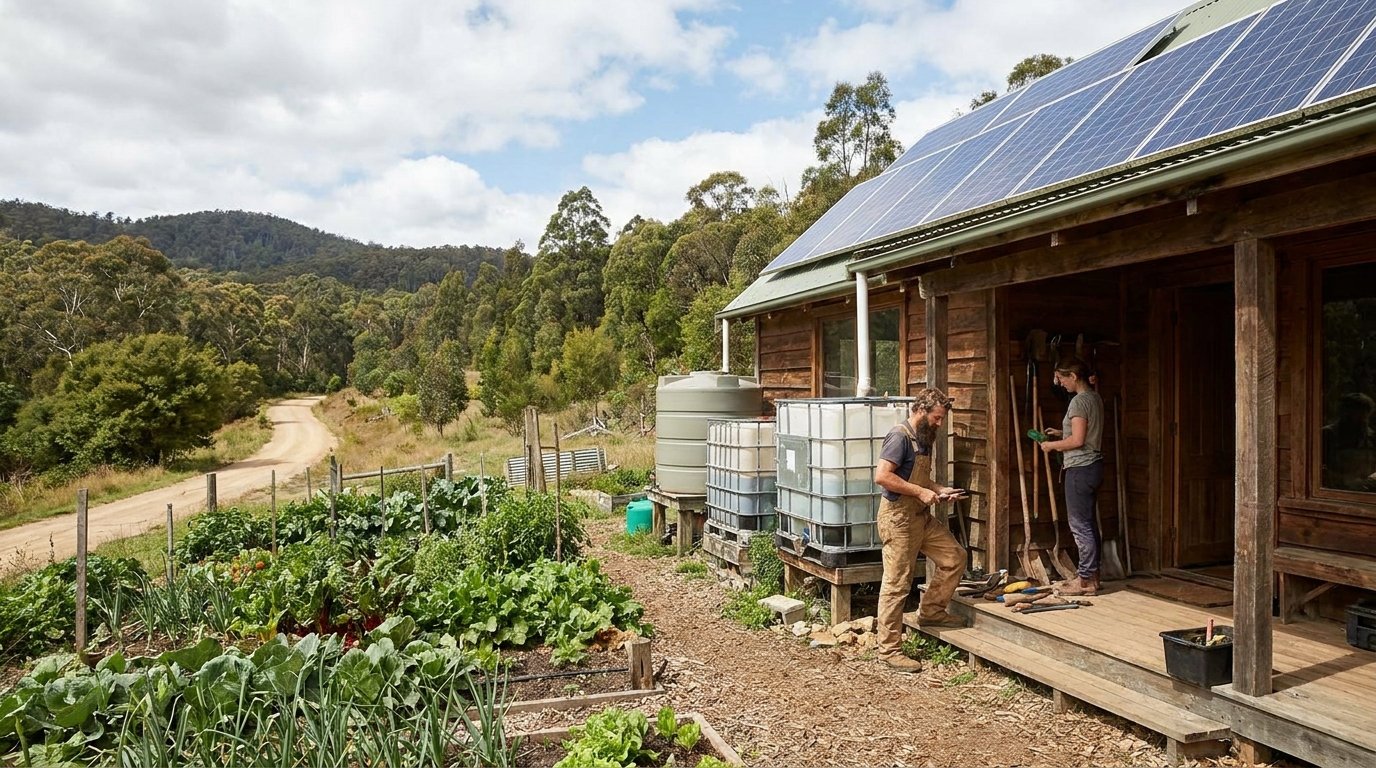
For those who want to dip their toes into off-grid living or who are facing strict full-size home regulations, there’s sometimes a clever workaround.
Smaller Structures, Fewer Rules
- Accessory Dwelling Units (ADUs) and Tiny Houses: Structures under a certain size (often around 400 square feet, but this varies wildly) sometimes fall into a different category than main residences. They might be considered sheds, workshops, or accessory dwelling units (ADUs).
- Avoiding Major Permitting: These smaller structures often avoid the major permitting requirements and minimum size regulations that apply to full-sized primary homes. This can offer a pathway for building a smaller, off-grid “tiny” dwelling, even if the rules for a main house on the property remain very strict.
- Limitations: Crucially, these smaller structures are often not legally allowed to be your primary residence. They might be permitted as a guest house, studio, or workshop, but living in them full-time may violate zoning. This is a common strategy for individuals who own land but want a small, off-grid space for occasional use or while building a larger, compliant home. Always check the specific use restrictions for accessory structures in your desired area.
If you’re considering the implications of off-grid living, understanding the legal landscape is crucial. A related article that delves deeper into the nuances of zoning regulations and property rights is available for those looking to navigate these complexities. You can find valuable insights in this article on off-grid living laws, which can help clarify what is permissible in your area and how to ensure your lifestyle choices align with local ordinances.
The Golden Rule: Do Your Homework (Before You Buy Land!)
| Topic | Information |
|---|---|
| Off-Grid Living | Living independently without reliance on public utilities |
| Legal Status | Varies by location and local zoning laws |
| Zoning Laws | May restrict off-grid living in certain areas |
| Building Codes | Must be followed for safety and structural integrity |
| Permits | May be required for certain off-grid systems or structures |
This can’t be stressed enough. Don’t fall in love with a piece of land and then find out your off-grid dreams are impossible there.
Talk to the Local Experts
- Local Zoning Boards: These are the people who can tell you exactly what you can (and can’t) build on a particular piece of land. They’ll have information on minimum setbacks, structure types, and minimum square footage.
- Building Departments: They’ll walk you through the building code requirements, permit processes, and inspection schedules. They’re critical for anything you’re actually constructing.
- Health Departments: For anything related to water (wells, rainwater harvesting) and waste (septic, composting toilets, graywater), the health department is your go-to. They enforce public health and safety standards.
Specific Questions to Ask
When you contact these departments, don’t just ask, “Is off-grid living legal?” Instead, be specific:
- “What are the minimum square footage requirements for a primary residence in this zoning district?”
- “Are composting toilets permitted as a primary waste disposal method?”
- “What are the requirements for installing a well and a septic system on this property?”
- “Is rainwater harvesting allowed, and if so, are there specific regulations for storage and filtration?”
- “Are there any requirements to connect to municipal utilities (water, sewer, electric) on this parcel?”
Getting these answers before you commit to a property can save you immense headache, expense, and heartbreak down the road. Local regulations are the single biggest factor in the legality and feasibility of off-grid living, and they vary wildly from one county or municipality to the next, sometimes even within the same state. So, grab your notebook, do your research, and prepare to be an expert on the local rulebook wherever you choose to root your off-grid life.
FAQs
1. What is off-grid living?
Off-grid living refers to living in a self-sufficient manner without reliance on public utilities such as electricity, water, or sewage systems. This often involves generating one’s own power, collecting rainwater, and managing waste on-site.
2. Is off-grid living legal?
The legality of off-grid living varies by location and is subject to local laws and zoning regulations. Some areas may have specific regulations regarding building codes, waste management, and water usage that could impact the legality of off-grid living.
3. What are the legal considerations for off-grid living?
Legal considerations for off-grid living may include zoning regulations, building codes, environmental regulations, and health and safety standards. It’s important to research and understand the specific laws and regulations in the area where one intends to live off-grid.
4. Can zoning laws impact off-grid living?
Zoning laws can impact off-grid living by dictating the types of structures that can be built, land use, and property development. Some areas may have specific zoning regulations that restrict or prohibit off-grid living, while others may have provisions for alternative housing and sustainable living practices.
5. How can one ensure legal compliance for off-grid living?
To ensure legal compliance for off-grid living, individuals should research and understand the local laws and regulations, obtain any necessary permits or approvals, and work with professionals such as lawyers, architects, and engineers to navigate legal requirements. It’s important to engage with local authorities and seek guidance to ensure compliance with relevant laws and zoning regulations.


2 Comments on “Is Off-Grid Living Legal? Essential Laws & Zoning Explained”
Comments are closed.