
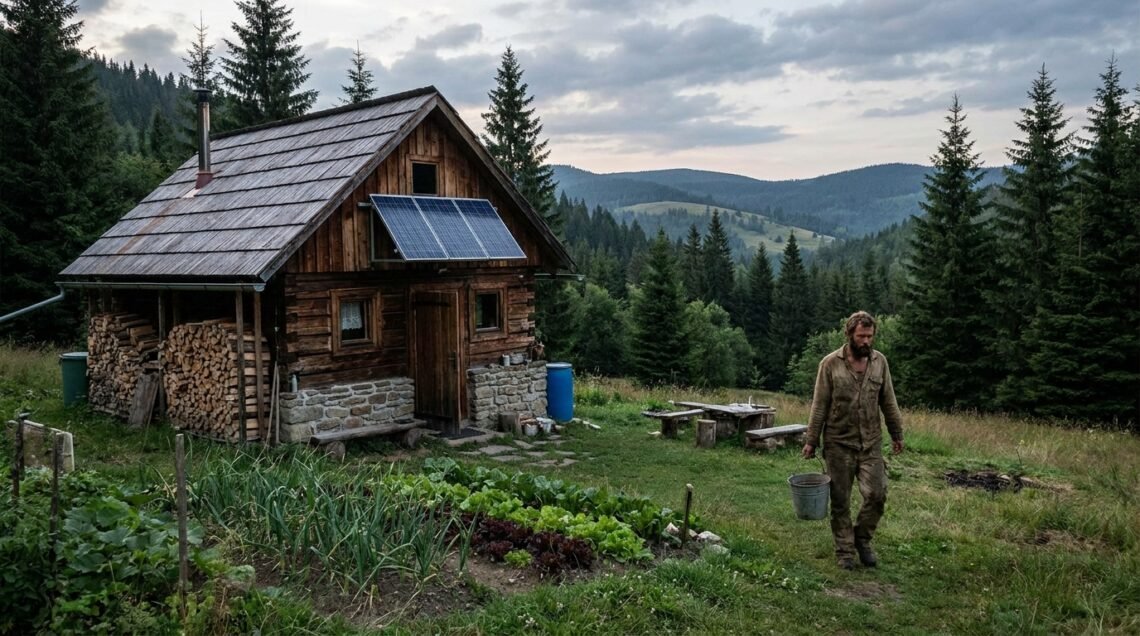
Cheapest Way to Start off-grid living doesn’t have to drain your bank account. The cheapest way to start is by leveraging work exchange programs, securing free or low-cost land, and beginning with basic, minimalist shelters and essential systems that can be expanded later. It’s all about starting small, learning on the go, and building up gradually.
Getting Started with Little to No Money
You might be surprised to hear that you can actually start your off-grid journey with almost no upfront costs. This isn’t just wishful thinking; it’s a realistic approach if you’re willing to put in the effort and embrace a different kind of “payment.”
Work Exchange and Volunteering
This is truly your gateway if you’re on a shoestring budget. Platforms like Worldpackers allow you to volunteer your time and skills in exchange for free accommodation and sometimes even meals.
- Learning invaluable skills: Imagine spending a few months in an established off-grid community. You’re not just getting a free place to stay; you’re actively learning practical, hands-on skills like organic gardening, carpentry, eco-building techniques (straw bale, cob, earthbag), and general sustainable living practices. This education is priceless and directly applicable to your future off-grid setup.
- Networking and mentorship: You’ll meet experienced off-gridders who can offer advice, warnings about common pitfalls, and even connections to resources or opportunities you wouldn’t find otherwise. This human element is often overlooked but incredibly valuable.
- Testing the waters: Before you commit fully to your own plot of land, this allows you to experience off-grid life firsthand. You’ll figure out what aspects you enjoy, what challenges you’re not prepared for, and refine your vision without significant financial investment.
If you’re considering embarking on an off-grid living journey but are concerned about the costs, you might find our related article on the “Cheapest Way to Start Off-Grid Living (Beginner Budget Guide)” particularly helpful. This guide offers practical tips and strategies for those on a tight budget, ensuring you can make the transition without breaking the bank. For more insights and inspiration, check out our introductory piece on off-grid living at Hello World, where we explore the fundamentals of sustainable living and provide resources to help you get started.
Land Acquisition: Free or Low-Cost Options
Buying acres of land outright can be a huge hurdle. Fortunately, there are ways to sidestep this initial capital intensive step, or at least significantly reduce it.
Finding Your Footing Without a Mortgage
You don’t necessarily need to own land to live off-grid, especially in the beginning. Think about mobility and temporary solutions.
- Leasing land: If buying isn’t feasible, consider leasing a small plot of land. This can be significantly cheaper and allows you to test out a location before a big commitment. Sometimes, you can even find arrangements where you help a landowner with upkeep in exchange for a spot to park your RV or tiny home.
- Free or very cheap land: This often requires extensive research and flexibility. Look into remote areas, land auctions for tax-defaulted properties, or even specific state programs designed to attract residents to underdeveloped regions. Always, always check local zoning laws, access to water, and solar exposure before getting too excited. A “free” piece of land that forbids dwellings, has no water, and is perpetually shaded isn’t much of a deal.
- Mobile shelters for initial setup: This is a fantastic strategy to avoid land ownership altogether in the beginning.
- RVs and campers: You can find leaky or older models for incredibly cheap. The goal isn’t luxury; it’s a dry place to sleep. Many people buy an old camper for a few thousand dollars, fix up the essentials, and use it as a mobile base while they save up or search for land. This offers incredible flexibility and means you don’t need to simultaneously manage land ownership with building a structure.
- Tiny homes (DIY): While building a full tiny home can be pricey, the concept of a small, mobile, basic structure fits here. You might even build one on a utility trailer, making it a “tiny home on wheels” without the RV classification.
Building Your Shelter: Minimalism is Key
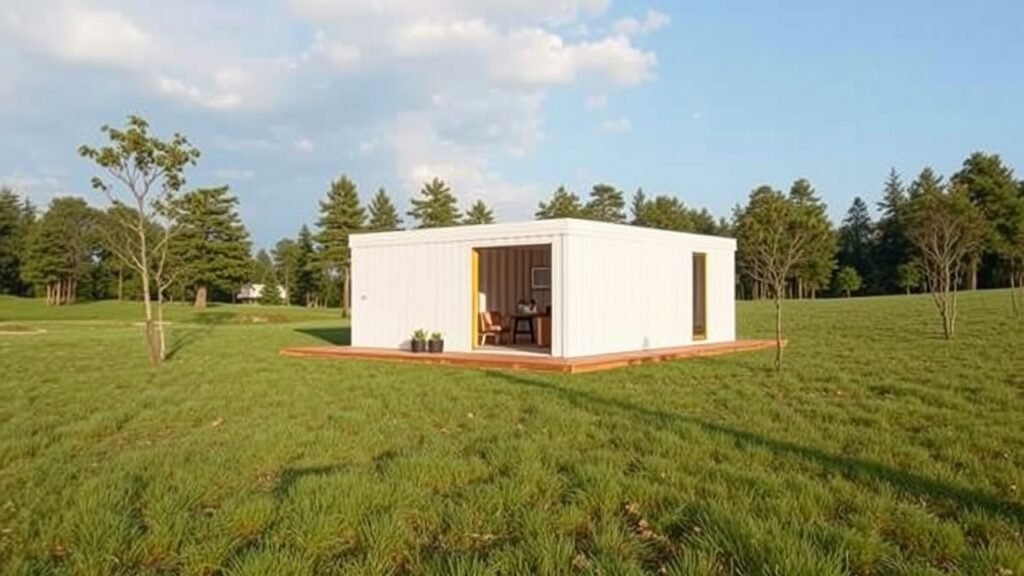
Forget grand designs when you’re starting on a budget. Your first off-grid dwelling should be about function, safety, and providing basic shelter from the elements.
Radical Simplicity in Construction
The less you build, the less it costs. It’s that simple.
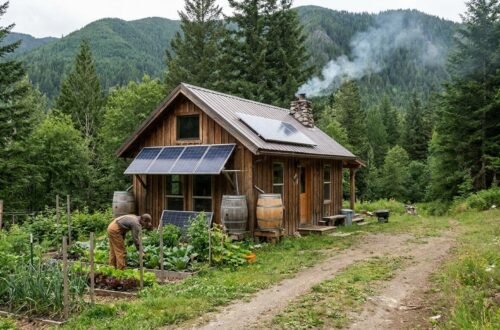
- Smallest viable structure: Think “shed-sized” home. What’s the absolute minimum square footage you need to sleep, prepare basic food, and stay warm/cool? Starting with a 10×12 or 12×16 foot shed that you slowly convert is a very common and affordable approach. One example noted transforming a $4,000 shop into a functional living space.
- Natural and recycled materials: Scavenge, repurpose, and utilize local natural resources.
- Pallets: Free or very cheap, pallets can be disassembled for wood or even used structurally for small sheds.
- Reclaimed lumber: Look for demolition sites, old barns being torn down (with permission, of course!), or even classifieds for free or cheap wood.
- Cob and earthbag: These ancient building techniques use readily available earth, water, and straw (cob) or sacks filled with earth (earthbag). While labor-intensive, the material costs are incredibly low. This is where those volunteering skills really pay off!
- Passive heating and cooling: Design your structure to work with nature, not against it.
- Orientation: Position your building to maximize winter sun exposure and minimize summer sun heat gain.
- Insulation: This is one area not to skimp on. Good insulation (even DIY cellulose from shredded paper or straw bales) drastically reduces your heating/cooling needs, saving money long-term.
- Thermal mass: Materials like stone, concrete, or even packed earth can absorb heat during the day and release it at night, helping to regulate indoor temperatures.
Powering Your Life: Starting Small with Solar
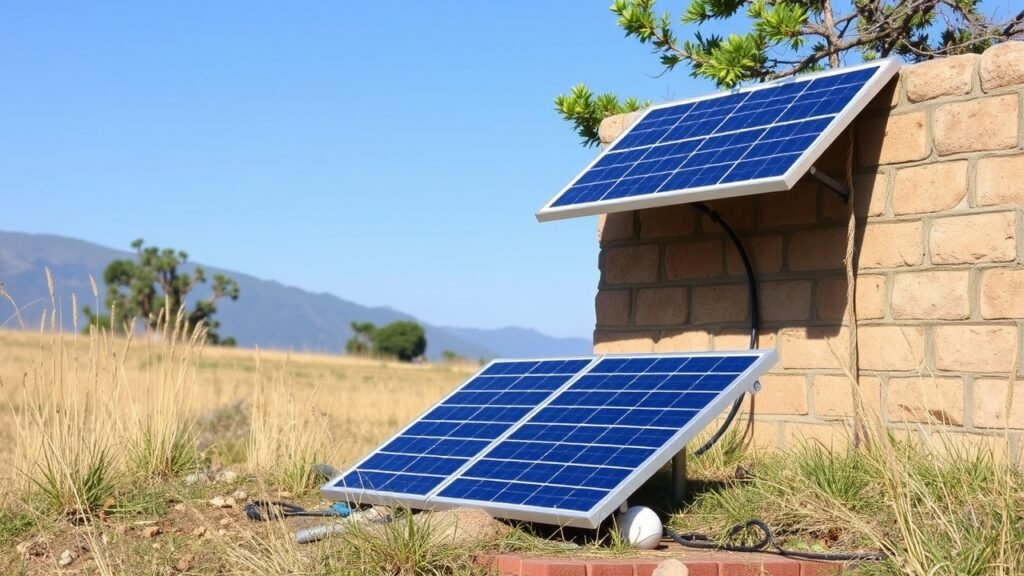
Electricity is often seen as the biggest hurdle and expense for off-gridders. However, you don’t need a massive, whole-home solar array right out of the gate. Think modular and expandable.
Entry-Level Solar Solutions
The key here is to meet your absolute basic needs first and scale up as funds and needs grow. Avoid the temptation to overbuild.
- Prioritize essentials: What really needs power? Usually, it’s just a small fridge, some LED lights, and charging devices (phone, laptop). Heating and cooking can often be done with propane, wood, or even manually to save on electrical consumption.
- Basic solar setup under $5K: This is a very achievable goal.
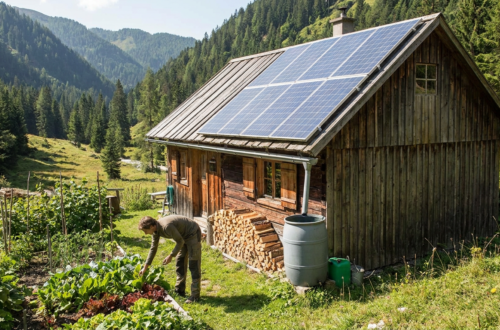
- Panels: Start with 2-4 solar panels (e.g., 600W total). Used panels can be found for a fraction of the cost, often from existing commercial installations that are upgrading.
- Inverter: A small, pure sine wave inverter (to protect electronics) for your AC loads (like a fridge). A hybrid inverter offers more flexibility for future expansion.
- Batteries: 1-2 deep cycle batteries (e.g., 400Ah total in a 12V or 24V system, or a smaller 48V setup). Lead-acid batteries are cheaper upfront but require more maintenance and have a shorter lifespan than lithium. For beginners, a simple lead-acid setup might be enough for a few years.
- Charge controller: Essential for managing power from your panels to your batteries.
- Portable power options: For RVs, campers, or temporary setups, portable solar panels are a great starting point.
- 220W portable solar panels: These can be bought for around $300-$500 and are perfect for keeping a basic battery bank charged for lights, charging phones, and running a small fan. They don’t require permanent installation and are easy to move with.
- Avoid overkill: The latest tips from 2026 YouTube emphasize focusing on essentials and ignoring fancy, complex setups. Many off-gridders got started with far less and expanded over time. Your goal is functional, not luxurious.
If you’re considering the cheapest way to start off-grid living, you might also find it helpful to explore our article on sustainable energy solutions for beginners. This resource provides valuable insights into various renewable energy options that can complement your off-grid lifestyle while staying within budget. For more information, check out the article on sustainable energy solutions.
Water and Waste: Self-Sufficiency Basics
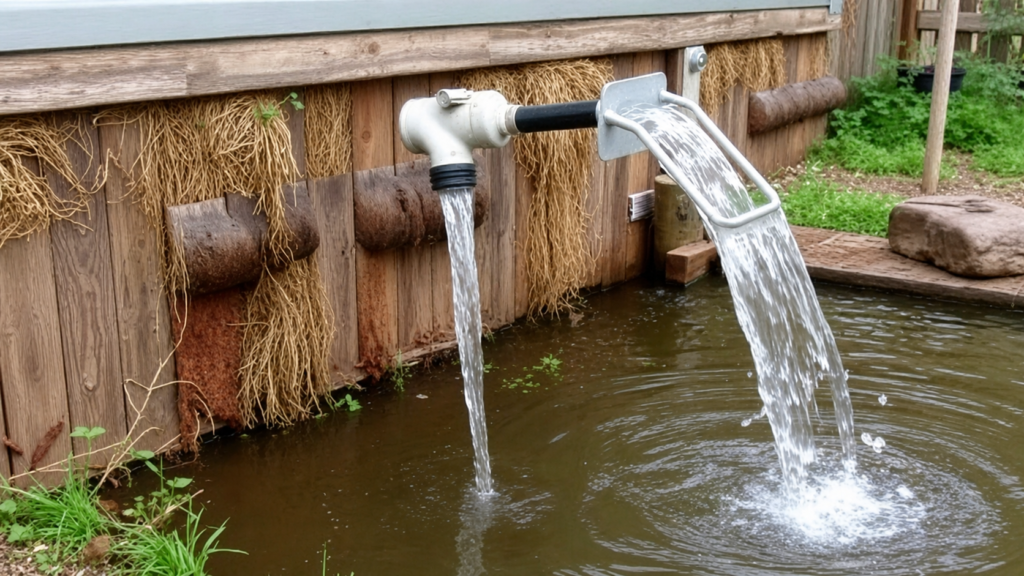
Water is life, and managing waste responsibly is crucial for long-term off-grid living. These systems don’t have to break the bank, especially if you design them intelligently.
Practical Solutions for Essential Utilities
Think about sustainable cycles and minimizing your footprint from the get-go.
- Water sources:
- Rainwater harvesting: This is often the cheapest and most accessible option. A simple gutter system on your roof leading to food-grade barrels or an IBC tote can provide plenty of water for washing, gardening, and even drinking (with proper filtration).
- Wells: Digging a well can be expensive, but shallow, hand-dug wells are an option in some areas, or you might find a property with an existing, perhaps unused, well that needs rehabilitation.
- Springs/creeks: If you’re lucky enough to have these on or near your property, you can gravity-feed water to your dwelling with minimal effort. However, always test water quality thoroughly.
- Filtration: A simple Berkey-style filter or a DIY sand filter is essential for making rainwater or surface water potable. For more advanced needs, a whole-house filter can be added later.
- Waste management:
- Composting toilets: A game-changer for off-grid living. These eliminate the need for a septic system and turn human waste into valuable compost for non-edible plants. They typically require no water and are low cost.
- Greywater systems: Water from sinks and showers (excluding toilet water) can be filtered and repurposed to water fruit trees or landscape plants. A simple “laundry to landscape” system is a great start.
- Composting: Food scraps and yard waste can be composted to enrich your garden soil, reducing waste sent to landfills.
Generating Income Off-Grid
While off-grid living aims for self-sufficiency, having some income is often necessary for tools, supplies, and unexpected expenses. You don’t have to give up your earning potential just because you’re leaving the grid.
Creative Ways to Earn While Living Remotely
Think about leveraging your new skills and the unique products of your off-grid lifestyle.
- Homestead jobs: Look for opportunities in seasonal industries in rural areas. Websites like Cool Works list jobs primarily in national parks, resorts, and remote lodges often providing free room and board, sometimes with RV hookups. This can be a perfect transition period, offering stable income and a place to stay while you work on your own land.
- Selling produce and crafts: If you’re growing a surplus of food, consider selling it at local farmers’ markets or directly to neighbors. Handmade crafts learned during your off-grid journey (e.g., woodworking, natural soaps, herbal remedies) can also be a source of income.
- Online work: Many remote jobs allow you to earn income from anywhere with an internet connection (even if it’s satellite or a mobile hotspot). Blogging about your off-grid journey, freelance writing, graphic design, or virtual assistant work are all possibilities.
- Teaching skills: Once you’ve gained experience in off-grid living, you could offer workshops or consultations to others looking to start their own journey.
- Bartering: Don’t underestimate the power of trading skills or goods within a community. You might trade vegetables for carpentry help, or solar installation knowledge for plumbing assistance.
Final Thoughts on Your Beginner Budget
The absolute cheapest way to start off-grid living can literally be $0 if you leverage work exchange programs. For those looking to set up their own basic land and shelter, a realistic beginner budget could range from a few hundred dollars (for an old camper and basic solar) to $10,000+ for securing cheap land, a minimalist shelter, and a basic solar setup.
The most critical advice is to start small and scale slowly. Prioritize essential systems: shelter, water, and minimal power for critical items. Location is also key; assess sun exposure for solar, water availability, and local regulations. Don’t get caught up in the idealized Instagram versions of off-grid living; focus on functionality and resilience. Your journey will be a continuous learning process, so embrace the challenges and enjoy the freedom it brings.
FAQs
What is off-grid living?
Off-grid living refers to living without reliance on public utilities such as electricity, water, and gas. It often involves generating your own power, collecting rainwater, and using alternative methods for heating and cooking.
What are the benefits of off-grid living?
Off-grid living offers independence from public utilities, reduced environmental impact, and the opportunity to live a simpler, more self-sufficient lifestyle. It can also provide a sense of security in the event of power outages or other emergencies.
What are some affordable ways to start off-grid living?
Some affordable ways to start off-grid living include using solar panels for electricity, collecting rainwater for household use, and utilizing wood stoves for heating and cooking. Additionally, growing your own food and composting can help reduce reliance on outside resources.
What are some challenges of off-grid living on a budget?
Challenges of off-grid living on a budget may include the initial cost of setting up off-grid systems, the need for regular maintenance and repairs, and the potential for limited access to certain amenities and conveniences.
What are some resources for learning more about off-grid living on a budget?
There are many online resources, books, and communities dedicated to off-grid living on a budget. Websites, forums, and social media groups can provide valuable information, tips, and support for those interested in pursuing a more self-sufficient lifestyle.


3 Comments on “Cheapest Way to Start Off-Grid Living (Beginner Budget Guide)”
Comments are closed.