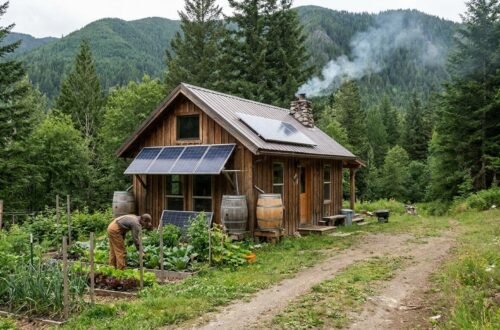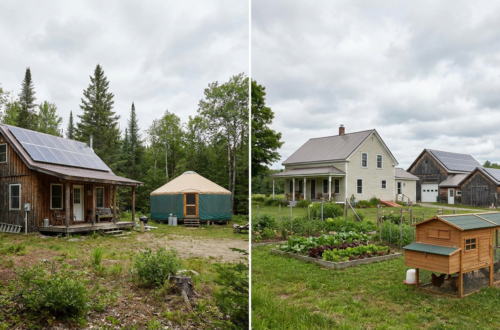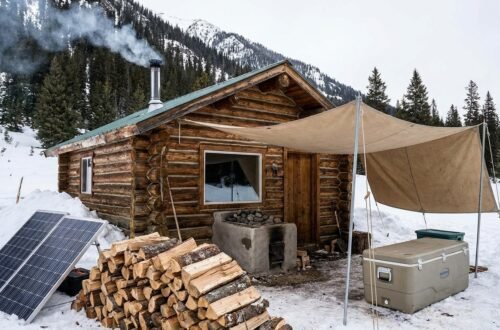
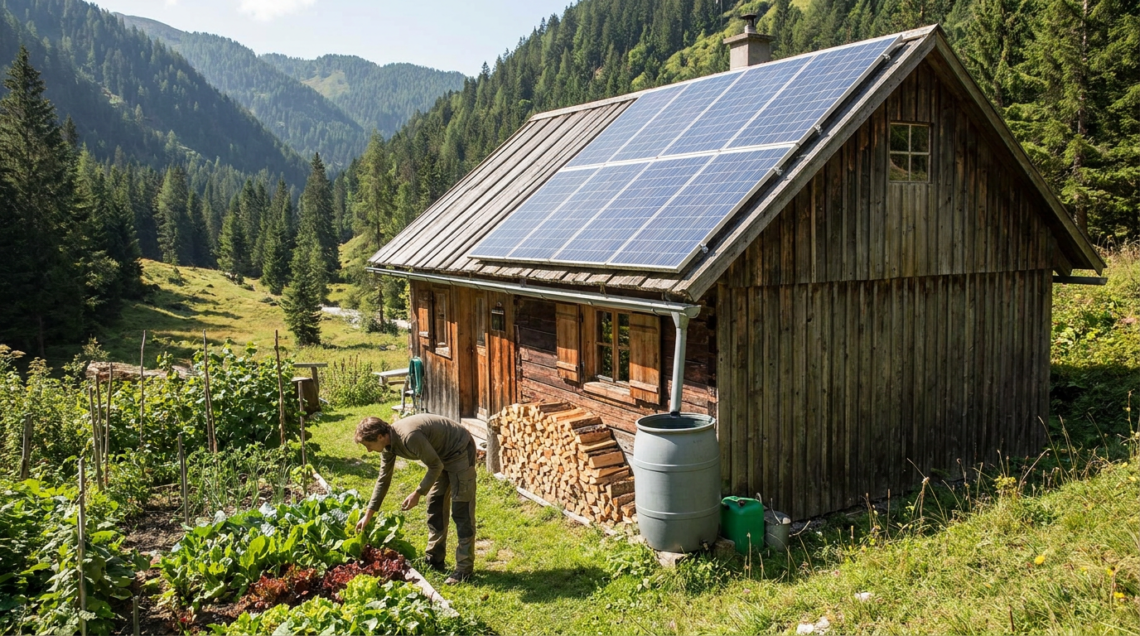
So, you’re curious about ditching the utility bills and going off the grid. Is Off-Grid Living Worth It in 2026? it’s a big question, and the answer is still a nuanced one. Essentially, whether off-grid living is “worth it” boils down to a personal equation of what you value most, your tolerance for upfront investment and ongoing maintenance, and your willingness to adapt to a different lifestyle. It’s definitely not for everyone, but for some, the freedom and self-sufficiency are incredibly rewarding. Let’s break down what you’re really getting into.
When people think about off-grid, they immediately picture solar panels. And while solar is a huge part of it, the initial outlay is much more than just the shiny bits on your roof. It’s a significant financial commitment, and frankly, underestimating it is the quickest way to a stressful experience.
Table of Contents
Initial Investment: The Big Ticket Items
- Power Generation: This is usually the biggest chunk. Solar panels (photovoltaic systems) are the most common. You need enough to cover your average daily energy needs, plus a buffer for cloudy days. Don’t forget the mounting hardware, wiring, and charge controllers.
- Energy Storage: Batteries are crucial for storing the energy you generate for use at night or when the sun isn’t shining. Lithium-ion batteries are popular now for their longevity and efficiency, but they’re pricey. Lead-acid batteries are cheaper upfront but require more maintenance and have a shorter lifespan. The size of your battery bank directly impacts how many days of “off-grid independence” you have.
- Inverters: These convert the DC electricity from your panels and batteries into AC electricity that your appliances use. The quality and capacity of your inverter matter. A cheap one can be a vulnerability.
- Backup Power: Most off-grid systems aren’t entirely reliant on solar. A generator (propane, diesel, or gas) is almost always a necessity for those extended periods of bad weather or for powering high-demand appliances. Factor in the cost of the generator itself and ongoing fuel expenses.
- Water Systems: If you’re also looking for complete autonomy, you’ll need a well, pump (powered by your off-grid system), storage tanks, and potentially a filtration and purification system. This can be as expensive as the power system depending on your location and water availability.
- Sewage/Waste Management: A septic system or composting toilet is essential. Septic systems involve significant excavation and installation costs. Composting toilets have a lower upfront cost but require regular management.
Ongoing Expenses: It’s Not “Set and Forget”
While you’ll say goodbye to monthly utility bills, there are still costs involved in keeping an off-grid setup running smoothly.
- Maintenance: Solar panels need occasional cleaning. Batteries have a lifespan and will eventually need replacing. Inverters can fail. Generators require regular servicing and fuel. Water filters need changing.
- Repairs: Anything mechanical or electrical can break. You’ll either need to be skilled at DIY repairs or factor in the cost of hiring someone, which can be more challenging and expensive in remote locations.
- Fuel: For generators, this is a recurring cost. Even if you use it sparingly, it adds up.
- System Upgrades: Technology evolves. You might want to upgrade your batteries for better capacity or efficiency down the line.
If you’re considering off-grid living and want to understand the practical aspects of setting up your own solar system, you might find the article on solar wiring diagrams particularly helpful. It provides a comprehensive breakdown of how to effectively wire your solar panels, batteries, and inverters, ensuring that you can harness solar energy efficiently. For more detailed insights, check out the article here: Off-Grid Solar Wiring Diagram Explained.
What You Gain: The Intangibles and the Practical Perks
It’s not all about saving money or avoiding bills. For many, the allure of off-grid living is about something deeper.
Lifestyle and Freedom: Unplugging from the Grid
- Energy Independence: This is the big one. You are in control of your power generation and consumption. You’re not subject to utility company price hikes or outages.
- Self-Sufficiency: There’s a profound sense of accomplishment in being able to meet your own basic needs. It fosters a resourceful mindset.
- Environmental Impact: For many, reducing their carbon footprint is a primary motivator. Off-grid systems, especially solar and wind, generate power with minimal environmental impact compared to traditional fossil-fuel-based grids.
- Location Flexibility: You can theoretically live anywhere the sun shines or the wind blows, assuming you can get building permits and access your land. This opens up possibilities for remote, scenic locations.
- Minimalist Living: Off-grid often encourages a more intentional approach to consumption. You become more aware of your energy usage and tend to buy fewer energy-guzzling items. This can lead to a simpler, less cluttered life.
Practical Benefits in Specific Scenarios
- Remote Areas: If you live far from existing grid infrastructure, connecting to the grid can be prohibitively expensive, making off-grid the only viable or most cost-effective option.
- Emergency Preparedness: In areas prone to natural disasters that can disrupt the grid, an off-grid system provides a crucial layer of resilience and keeps essential services running.
The Realities of Daily Life: It’s Not Always Sunbeams and Rainbows
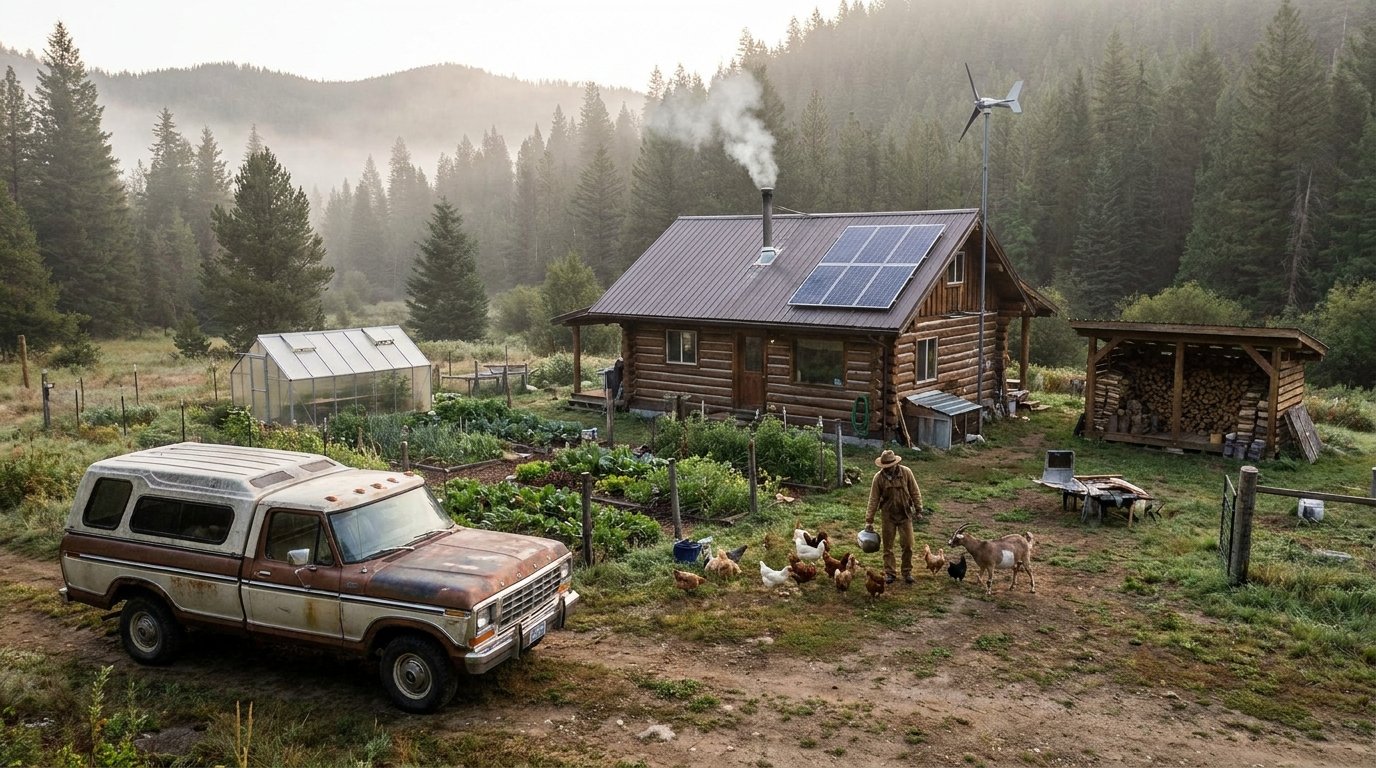
Going off-grid isn’t a permanent vacation. It requires a shift in thinking and daily habits.
Energy Management: Becoming a Savvy Consumer
- Conscious Consumption: You’ll constantly be aware of how much power you’re using. Running the washing machine, microwave, and air conditioner all at once might become a past indulgence.
- Timing is Everything: You’ll learn to run high-demand appliances during peak sun hours or when your batteries are fully charged. Washing clothes on a sunny day becomes a strategic decision.
- Appliance Choices: Investing in energy-efficient appliances (refrigeration, washing machines, etc.) is paramount. This isn’t a suggestion; it’s a necessity.
Maintenance and Troubleshooting: Your Own Utility Company
- DIY Skills: You’ll likely need to develop a practical understanding of basic electrical systems, plumbing, and generator maintenance. YouTube tutorials will become your best friend.
- Proactive Care: Regular checks and maintenance are key to preventing costly breakdowns. Ignoring a loose connection or a filter change can lead to bigger problems down the line.
- Problem-Solving: When something goes wrong, there’s no 1-800 number to call for immediate assistance. You need to be able to diagnose issues and either fix them yourself or find someone who can, which might involve travel time and extra costs.
Weather Dependency: “The Sunniest Days Make the Batteries Sing”
- Seasonal Fluctuations: Your power generation will directly correlate with the weather. Extended periods of rain, snow, or heavy cloud cover will significantly reduce your solar output.
- Winter Challenges: In colder climates, winter often means less sunlight and potentially snow covering your panels, impacting generation. You might rely more heavily on your generator during these months.
- Water Scarcity: If you’re relying on well water, prolonged dry spells can impact your water supply, requiring careful rationing.
Technology and Trends in 2026: What’s New?
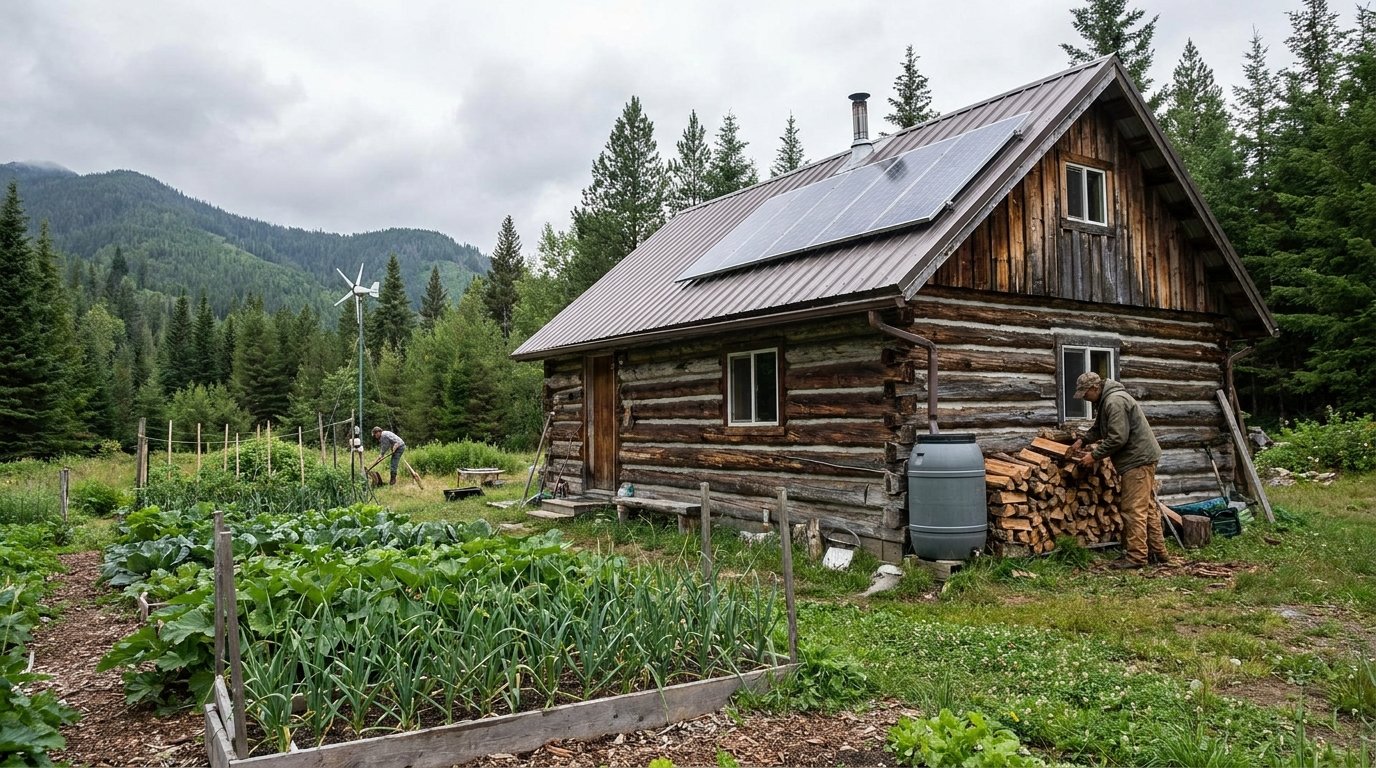
The off-grid landscape is constantly evolving, and 2026 brings some exciting advancements and refined technologies.
Smarter Systems: Efficiency and Integration
- Advanced Battery Technology: While lithium-ion is still dominant, expect improvements in energy density, lifespan, and faster charging capabilities. Newer chemistries might start to become more mainstream.
- Integrated Monitoring: Sophisticated monitoring systems allow you to track your energy production, consumption, and battery status in real-time via smartphone apps. This data helps you optimize your usage.
- Hybrid Systems: Combining solar with wind turbines or even micro-hydro power can create a more robust and reliable energy supply, smoothing out the intermittency of a single source.
Growing Accessibility and Support
- DIY Kits and Pre-Packaged Systems: Many companies now offer more comprehensive and user-friendly DIY kits, making installation more accessible for those with some technical aptitude. Pre-designed home systems are also becoming more common.
- Increased Installer Networks: As off-grid living gains popularity, the network of qualified installers is expanding, though it still can be limited in very remote areas.
- Educational Resources: A wealth of online courses, forums, and workshops are available to help people learn the skills needed for off-grid living.
If you’re considering the pros and cons of off-grid living in 2026, you might find it helpful to explore the differences between energy storage options. A related article discusses the advantages and disadvantages of lithium versus lead-acid batteries for off-grid solar systems, which can significantly impact your decision-making process. Understanding these battery types can provide valuable insights into the sustainability and efficiency of your off-grid setup. For more information, check out this insightful piece on lithium vs lead-acid batteries.
Is it Worth It For YOU in 2026? A Decision Framework
| Metrics | Off-Grid Living | Traditional Living |
|---|---|---|
| Cost | Lower initial cost for setup, higher long-term savings | Higher initial cost for housing, lower long-term savings |
| Environmental Impact | Lower carbon footprint, sustainable living | Higher carbon footprint, reliance on grid energy |
| Self-Sufficiency | Greater self-reliance, independence | Reliance on public utilities and services |
| Challenges | Limited access to amenities, potential isolation | Convenience of amenities, community living |
| Freedom | Freedom from utility bills, regulations | Regulated by utility providers, local authorities |
Ultimately, the “worth it” question is deeply personal. Here’s a framework to help you think it through.
Your “Why”: What’s Driving This Decision?
- Cost Savings: Are you looking to eliminate utility bills as your primary motivation? If so, carefully calculate the payback period for your initial investment, considering potential maintenance and repair costs. The upfront cost needs to be balanced against long-term savings.
- Environmental Values: Is reducing your carbon footprint your main driver? Off-grid living is undoubtedly a significant step in that direction.
- Self-Sufficiency and Independence: Do you crave more control over your life and resources? This is a powerful motivator that often outweighs the financial considerations.
- Lifestyle Choice: Are you drawn to a simpler, more intentional way of living, perhaps in a remote location?
Your “Can”: Practical Considerations
- Financial Resources: Can you afford the substantial upfront investment required for a reliable system? Don’t just look at the minimum; aim for a system with some buffer.
- Technical Aptitude and Willingness to Learn: Are you comfortable with hands-on work, learning new skills, and troubleshooting issues?
- Tolerance for Inconvenience: Are you prepared to adjust your lifestyle and potentially deal with periods of lower power generation or necessary generator use?
- Location: Does your chosen location offer sufficient solar exposure, wind, or water resources to make an off-grid system viable? Local regulations and building codes also play a significant role.
The Honest Answer:
In 2026, off-grid living can be worth it for many people, but it’s not a magic bullet for financial freedom or an effortless lifestyle. It’s a significant undertaking that demands careful planning, a solid financial commitment, and a willingness to adapt. The technology is better, more accessible, and more efficient than ever. However, the fundamental requirements of self-discipline, resourcefulness, and a proactive approach to maintenance remain the same. If you’re prepared for the challenges and are driven by the right motivations, the rewards of independence and self-sufficiency can be incredibly fulfilling. If you’re looking for a cheap and easy way to escape utility bills without changing your habits, it’s probably not for you. Do your homework, be realistic, and if it aligns with your values and capabilities, it could be one of the most rewarding decisions you ever make.
FAQs
1. What is off-grid living?
Off-grid living refers to living in a self-sufficient manner without reliance on public utilities such as electricity, water, or gas. This often involves generating one’s own power, collecting rainwater, and growing one’s own food.
2. What are the benefits of off-grid living?
Off-grid living offers independence from utility companies, reduced environmental impact, and the opportunity to live a simpler, more sustainable lifestyle. It can also provide a sense of freedom and self-reliance.
3. What are the challenges of off-grid living?
Challenges of off-grid living include the initial cost of setting up off-grid systems, the need for ongoing maintenance, and potential limitations on energy and water usage. Additionally, off-grid living may require significant lifestyle adjustments.
4. Is off-grid living worth it in 2026?
The worth of off-grid living in 2026 depends on individual preferences, resources, and circumstances. Advancements in off-grid technology and increasing environmental concerns may make off-grid living more appealing to some, while others may find the challenges outweigh the benefits.
5. What should one consider before transitioning to off-grid living?
Before transitioning to off-grid living, individuals should consider their energy and water needs, the availability of resources such as sunlight and water sources, the upfront costs of off-grid systems, and the potential impact on their lifestyle and daily routines. It’s also important to research and understand local regulations and zoning laws related to off-grid living.