Thinking about off-grid living with a family? It’s a big step, and understandably, you’ve got questions. The short answer is: yes, it’s absolutely doable and can be incredibly rewarding, but it requires a solid understanding of the practicalities involved and a willingness to adapt. It’s not about sacrificing comfort; it’s about redefining it and building a more self-sufficient, connected way of life.
Going off-grid with kids means you’re not just planning for yourself, but for their health, education, safety, and well-being. This guide breaks down the key areas you’ll need to consider to make this transition as smooth as possible for everyone.
This is probably the first thing that comes to mind when you think “off-grid.” And for good reason. Reliable power is essential, especially with little ones.
Table of Contents
Solar Power: The Sun’s Your Best Friend
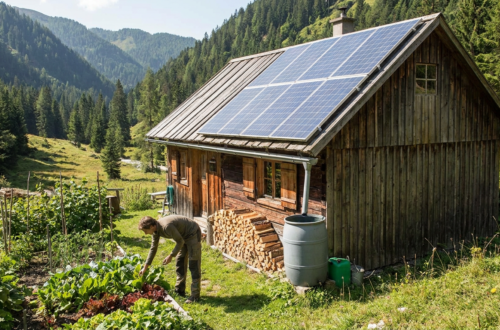
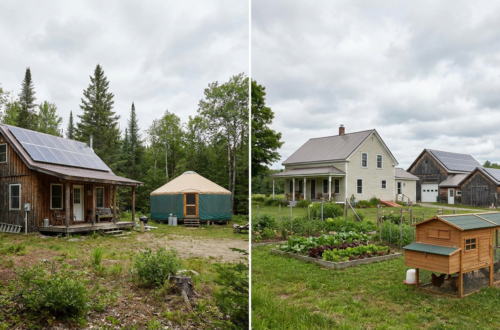
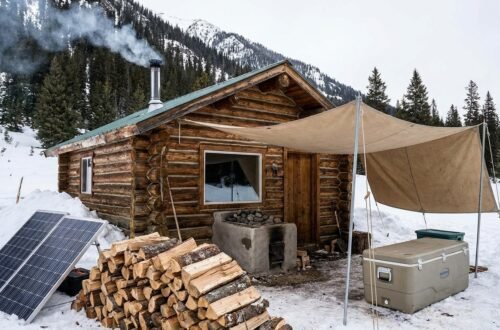
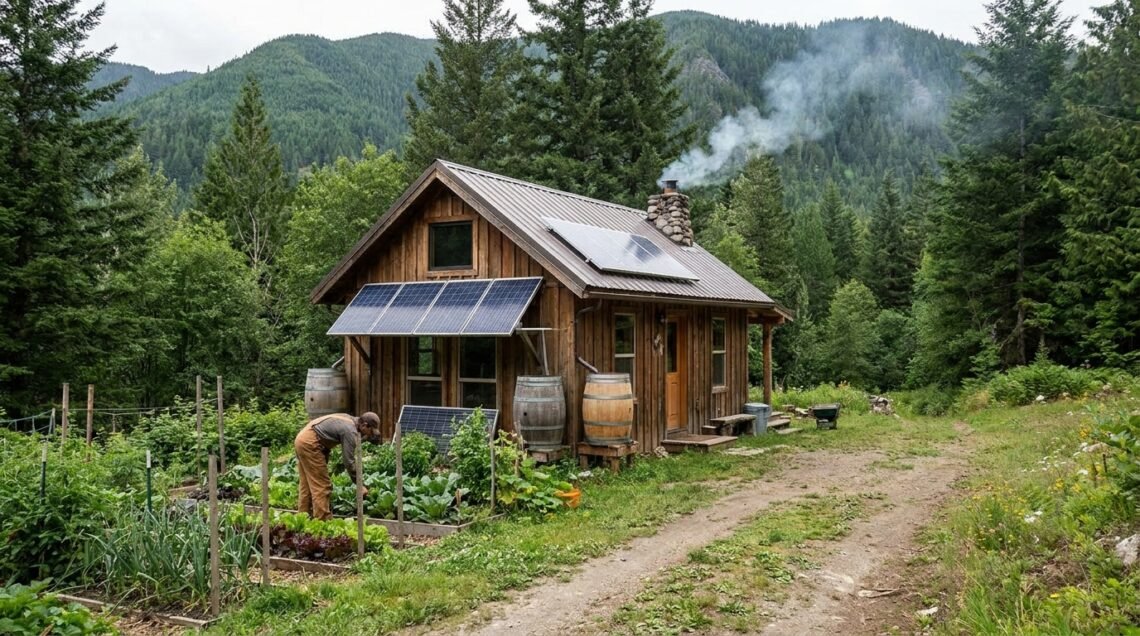
Solar panels are the most common energy source for off-grid homes. They convert sunlight into electricity, which is then stored in batteries.
- How it works (the basics): You’ll have solar panels on your roof or in an open area. These panels capture sunlight and generate DC (direct current) electricity. An inverter then converts this DC power to AC (alternating current) power, which is what most household appliances use. A charge controller manages the flow of energy to your batteries, preventing overcharging.
- Sizing your system: This is critical. You need to calculate your daily energy consumption. Make a list of everything you’ll run – fridge, lights, phone chargers, laptops, washing machine, maybe even a well pump or a small freezer. Estimate how many hours per day each item will be used. Multiply appliance wattage by hours of use to get watt-hours. Add it all up for your total daily need, then add a buffer (at least 25%).
- Battery storage: This is where the magic happens when the sun isn’t shining. Deep-cycle batteries are designed for repeated discharging and recharging. Lithium-ion batteries are becoming more popular due to their longer lifespan and efficiency, though they have a higher upfront cost. Lead-acid batteries are a more traditional and cheaper option.
- Backup power: Things happen. Cloudy weeks, equipment malfunctions. A backup generator (usually propane or diesel) is a wise investment for those times. It can top off your batteries or directly power essential loads.
Wind Power: A Catchy Addition
If you live in a windy area, a wind turbine can supplement your solar system.
- Wind turbine considerations: Turbines require a good amount of consistent wind. You’ll need to assess your site’s wind resources. They also need to be sited away from obstructions like trees and buildings.
- Complementary to solar: Wind can often blow when the sun isn’t out, making it a great partner for solar.
Hydro Power: If You Have the Land and the Water
This is the most consistent and often the most powerful option, but it’s also the most location-specific.
- Requires a water source: You’ll need a reliable stream or river with a decent drop in elevation (head) and flow rate.
- Permitting and environmental impact: Hydro installations often require significant permitting and have environmental considerations.
If you’re considering off-grid living with your family, it’s essential to understand the various systems that will support your new lifestyle. A related article that provides valuable insights is titled “Off-Grid Systems Explained: Power, Water, Waste Setup.” This resource breaks down the critical components you’ll need to establish a sustainable and efficient off-grid home. You can read it here: Off-Grid Systems Explained: Power, Water, Waste Setup.
Water, Water Everywhere (But How to Get It Clean?)
Access to clean, safe water is non-negotiable for any family, and off-grid living presents unique challenges.
Finding Your Water Source
The most common off-grid water sources are wells and rainwater harvesting.
- Well water: This is a classic for a reason. A drilled well can provide a consistent supply, but the depth and geology of your area will impact cost.
- Rainwater harvesting: This involves collecting rainwater from your roof into cisterns. It’s a great option in many climates, but you need to consider storage capacity and potential contamination.
- Surface water (rivers, lakes): While seemingly abundant, surface water often requires extensive treatment due to pollutants and biological contaminants.
Water Purification: Making it Drinkable
Once you have your water source, you need to make sure it’s safe to drink.
- Filtration: This is the first line of defense. Sediment filters remove larger particles. Carbon filters can remove chemicals and improve taste.
- Sanitization: This kills bacteria and viruses.
- UV (Ultraviolet) Sterilization: UV light is very effective at killing microorganisms without adding chemicals. It’s energy-efficient and a popular choice for off-grid systems.
- Chlorination/Bromination: Chemical treatments are effective but add a flavor and require careful dosing.
- Boiling: Always a last resort or for small quantities when other methods fail.
- Water testing: Regularly testing your water is crucial, especially if you rely on wells or rainwater. You can get DIY kits or send samples to a lab.
Waste Management: Dealing with “The Inevitable”
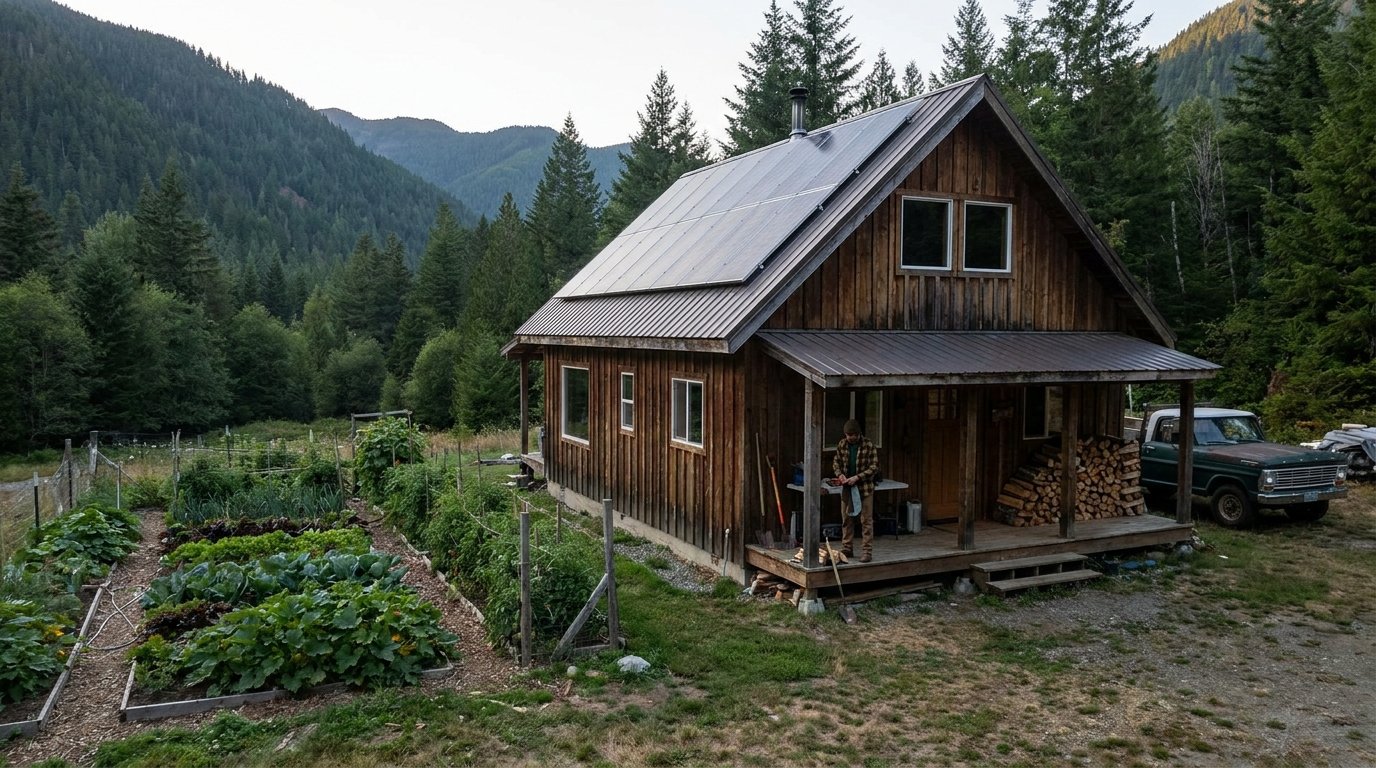
Let’s be frank: you’re going to produce waste. Off-grid, you’re responsible for managing it.
Human Waste: The Composting Toilet Advantage
Traditional flush toilets are out without a municipal sewer or a large septic system.
- Composting toilets: These are fantastic for off-grid living. They separate liquids and solids, reducing odor and creating valuable compost over time.
- Types: There are various types, from simple bucket systems to self-contained units that require less active management.
- Maintenance: They require regular emptying and turning of the compost. Education on proper use is important for the whole family.
- Disposal: The finished compost needs to be managed responsibly, often buried or used on non-edible gardens.
- Septic systems: If you have enough land and the soil is suitable, a conventional septic system is an option, but it’s a significant upfront investment and requires periodic pumping.
Greywater Systems: Reusing Your Showers and Sinks
Greywater is wastewater from sinks, showers, and washing machines (excluding toilet water).
- Benefits: Reduces your overall water waste and the amount of blackwater you need to manage.
- Simple systems: Can be as basic as diverting shower water to irrigate trees.
- More complex systems: Involve filtration and treatment to be reused for toilet flushing or irrigation of edible plants (with proper design and regulations).
- Regulations: Check local regulations regarding greywater use.
Trash and Recycling
You’ll still generate trash. The key is to minimize it and manage it responsibly.
- Reduce, Reuse, Recycle: This mantra becomes even more important. Buy in bulk, avoid single-use items, and find ways to repurpose materials.
- Composting food scraps: Beyond what goes into a composting toilet, dedicated compost piles for food scraps are a must for garden fertility.
- Hauling out trash: You might need to make regular trips to a transfer station or recycling center.
Feeding Your Family: Food Production and Storage
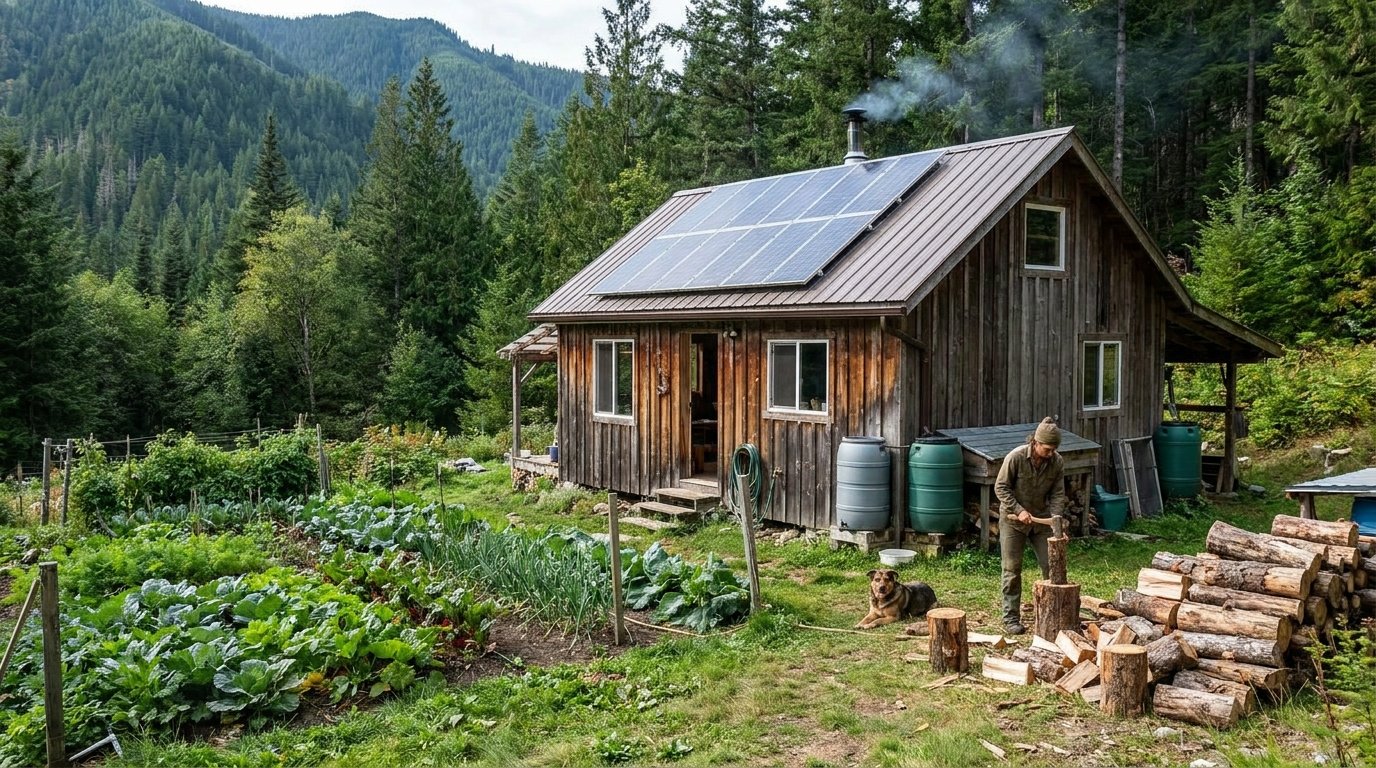
Self-sufficiency extends to your food. While you won’t be growing everything, a significant portion is achievable.
Gardening: From Seed to Table
A well-planned garden is your pantry’s best friend.
- Container gardening vs. in-ground: Both have their place. Containers are great for small spaces or specific plants.
- Soil health: Focus on building healthy soil with compost. This is crucial for robust plant growth.
- Choosing crops: Select crops suitable for your climate, growing season, and family’s preferences. Consider crops that store well.
- Season extension: Greenhouses, cold frames, and low tunnels can extend your growing season significantly.
- Pest management: Organic pest control methods are key to avoiding chemicals.
Preserving Your Harvest: Making it Last
Gardening is often followed by preserving.
- Canning: A classic method for preserving fruits, vegetables, and meats. Requires specific equipment and knowledge of safe canning practices.
- Drying/Dehydrating: Fruits, vegetables, and herbs can be dried for long-term storage. Dehydrators are efficient.
- Fermenting: Sauerkraut, kimchi, pickles – these are not only delicious but also boost gut health and are shelf-stable.
- Root cellaring: For crops like potatoes, carrots, and onions, a cool, dark, and humid root cellar is ideal.
Raising Livestock (If It’s for You)
Chickens for eggs, goats for milk, or even bees for honey can be part of an off-grid food system.
- Space and knowledge: Livestock requires space, a good understanding of animal husbandry, and dedication to their care.
- Regulations: Be aware of local zoning laws regarding livestock.
Storage Solutions
Beyond preservation, you need ways to store your food.
- Root cellars: As mentioned, ideal for many vegetables.
- Cool pantries: A naturally cool, dry space can store non-perishables.
- Freezing: If your power system can handle it, a freezer is invaluable for long-term storage of meats and pre-cooked meals.
- Smart shopping: Even off-grid, some items will be purchased. Buy in bulk when possible and store accordingly.
If you’re considering off-grid living with your family, understanding the costs associated with solar energy systems can be crucial for your planning. An insightful article on this topic can be found here, where it breaks down the expenses involved in setting up a solar system for a small home. This information will help you make informed decisions as you embark on your off-grid journey, ensuring that you have the necessary resources to create a sustainable lifestyle. For more details, check out the article on solar system costs.
Family Life & Education: The Human Element
| Aspects | Details |
|---|---|
| Energy Source | Solar panels, wind turbines, or hydroelectric systems |
| Water Supply | Rainwater harvesting, well water, or water delivery services |
| Food Production | Vegetable gardens, fruit trees, and livestock for self-sustainability |
| Waste Management | Composting toilets, recycling, and responsible disposal |
| Living Space | Small, efficient homes or cabins with multi-functional spaces |
| Education and Entertainment | Home schooling, books, board games, and outdoor activities |
This is perhaps the most important, and often overlooked, aspect of off-grid family life.
Adapting to a Slower Pace
Life often slows down considerably when you’re not beholden to constant connectivity and external services.
- More connection: You’ll find yourselves spending more time together, engaging in hands-on activities.
- Resilience and resourcefulness: Kids learn invaluable skills from a young age – problem-solving, tinkering, understanding natural systems.
Education: Homeschooling and Learning Opportunities
Many off-grid families choose to homeschool.
- Curriculum choices: There are numerous homeschooling curricula available, from traditional to unschooling approaches.
- Learning from the environment: Your off-grid homestead becomes a living classroom. Learn about botany, ecology, engineering, and resource management firsthand.
- Socialization: It’s a common concern. Look for local homeschooling co-ops, community events, or interest-based groups for socialization opportunities.
Health and Safety
Being prepared is paramount.
- First aid: A comprehensive first-aid kit and knowledge of how to use it is essential. Consider taking advanced first-aid or wilderness first-responder courses.
- Emergency preparedness: Have plans in place for various emergencies (weather events, medical issues, power outages).
- Distance to services: Be realistic about how far you are from doctors, hospitals, or emergency services, and how you’ll get there.
- Childproofing and safety: Your home and land will have its own unique safety considerations, from water systems to potential hazards in nature.
Communication and Connectivity
While you’re “off-grid” from the power company, you’ll still need to communicate.
- Internet access: Satellite internet is often the solution for remote areas. Be aware of data caps and speeds.
- Cell service: This can be spotty – plan for it.
- Landlines (rare but possible): In some very remote areas, a landline might still be an option, but typically not “off-grid” in the traditional sense of utility independence.
If you’re considering off-grid living with your family, it’s essential to be well-prepared for the unique challenges that come with this lifestyle. One helpful resource is an article that discusses common pitfalls to avoid when starting your off-grid journey. You can read more about these mistakes and how to navigate them effectively in this insightful piece on off-grid living mistakes beginners make. This information can be invaluable as you embark on your adventure towards self-sufficiency and sustainability.
Practicalities of Getting Started and Staying There
This decision isn’t just about the systems; it’s about the lifestyle and the commitment.
Land Acquisition: The Foundation of Your Dream
Choosing the right piece of land is critical.
- Water availability: Does it have a reliable water source? Is it legal to drill a well or harvest rainwater?
- Sun exposure: Crucial for solar power. Look for good southern exposure in the Northern Hemisphere.
- Access: How easy is it to get to your property, especially during different seasons?
- Regulations and zoning: Research local laws thoroughly. Some areas have restrictions on off-grid living, building codes for alternative structures, or limits on using composting toilets.
- Soil quality: Important for gardening and potentially for septic systems.
- Natural resources: Are there trees for firewood (if applicable)? A nearby stream?
Building Your Home: Sustainable and Smart
Your dwelling needs to be efficient and suited to your chosen lifestyle.
- Passive solar design: Orienting your home to take advantage of the sun for heating and cooling can significantly reduce energy needs.
- Insulation: Excellent insulation is non-negotiable for maintaining comfortable temperatures and minimizing energy use.
- Material choices: Consider sustainable and durable building materials.
- Size matters: A smaller, well-designed home requires less energy to heat and cool.
Financial Planning: It’s an Investment
Off-grid living can have lower ongoing utility bills, but the upfront costs can be substantial.
- System costs: Solar panels, batteries, inverters, water filters, composting toilets – these are significant investments.
- Building costs: Custom building or renovating for off-grid efficiency can add up.
- Ongoing maintenance: Parts wear out. Batteries need replacement eventually. Generators need fuel.
- Income generation: How will you support yourself financially? Many off-grid families earn income remotely, through local work, or by selling surplus goods.
Community and Support
Being isolated doesn’t mean being alone.
- Building relationships: Connect with neighbors, even if they are miles away.
- Networking with other off-gridders: Online forums and local groups can provide invaluable advice, support, and a sense of community.
- Seeking professional help: Don’t be afraid to consult with experts for system design and installation, especially for critical components like electrical and water.
Going off-grid with your family is a journey, not just a destination. It’s about embracing a different way of living, one that’s often more grounded, less consumer-driven, and deeply connected to the natural world. It demands hard work, planning, and a willingness to learn, but the rewards – for you and your children – can be immense.
FAQs
What is off-grid living?
Off-grid living refers to living without reliance on public utilities such as electricity, water, and sewage. It often involves generating your own power, collecting rainwater, and managing waste on your own property.
Is off-grid living suitable for families?
Off-grid living can be suitable for families, but it requires careful planning and consideration. Families need to ensure they have enough resources to support their needs, including water, food, and energy, and may need to make adjustments to their lifestyle.
What are the essential considerations for off-grid living with a family?
Essential considerations for off-grid living with a family include access to clean water, reliable power sources, sustainable food production, waste management, and education for children. It’s important to have a well-thought-out plan for meeting these needs.
What are the benefits of off-grid living for families?
Off-grid living can offer families greater self-sufficiency, a closer connection to nature, reduced environmental impact, and the opportunity to teach children valuable life skills. It can also provide a sense of independence and freedom.
What are the challenges of off-grid living for families?
Challenges of off-grid living for families can include the initial cost of setting up off-grid systems, the need for ongoing maintenance and upkeep, potential isolation from community resources, and the need to adapt to a more self-reliant lifestyle.