So, you’re wondering about off-grid generator backup systems? Simply put, these are systems designed to provide electricity when you’re disconnected from the main power grid, or when the grid goes down. They usually involve a generator and some way to store its power, like batteries, to ensure a continuous supply. It’s about having reliable power on your terms, whether for emergencies or a complete lifestyle change.
Moving off the traditional power grid offers a certain freedom and resilience. But why specifically include a generator in that setup?
Table of Contents
Reliability When It Matters Most
The primary reason for many is simple: peace of mind. Power outages, whether from storms, grid failures, or natural disasters, can be more than just inconvenient. For some, they can be dangerous or costly. A generator backup system ensures that even when everything else goes dark, your essential systems (and perhaps more) keep running.
Supplementing Renewable Energy Sources
While solar panels or wind turbines are fantastic for generating clean energy, they aren’t always consistent. Cloudy days or calm winds can lead to power dips. A generator acts as a perfect supplement, kicking in when your renewables aren’t quite cutting it. It’s like having a reliable friend to lean on.
Complete Independence
For those living in remote areas where grid connection is prohibitively expensive or simply unavailable, a generator backup system might be the only practical solution. It grants complete independence from utility companies and their fluctuating rates. You’re truly your own power provider.
Cost Savings (Long-Term)
While the initial investment can be significant, off-grid systems, especially those with generators, can lead to long-term savings. You eliminate monthly utility bills, and for some, the cost of extending grid lines can far exceed the price of an independent system.
For those interested in understanding off-grid generator backup systems in greater detail, you might find the article on essential off-grid living FAQs particularly helpful. This resource provides valuable insights for beginners navigating the complexities of off-grid living, including energy management and backup solutions. To explore this informative guide, visit 10 Essential Off-Grid Living FAQs for Beginners.
The Core Components of an Off-Grid Generator System
Understanding what goes into these systems is key to deciding what’s right for you. It’s more than just a generator sitting in a shed.
The Generator Itself
This is the heart of the system, the workhorse that creates electricity. Generators come in various types, each with its pros and cons.
Fuel Types: Diesel, Propane, Natural Gas
- Diesel Generators: Known for their efficiency, longevity, and powerful output, diesel generators are a common choice for continuous off-grid power. Diesel fuel is also relatively stable for storage. However, they can be noisy and produce emissions.
- Propane Generators: Propane generators are often quieter and produce fewer emissions than diesel. Propane can be stored in large tanks, making it a good option for backup. However, propane can be less energy-dense than diesel, meaning you might need more of it.
- Natural Gas Generators: If you have access to a natural gas line, these can be incredibly convenient as they offer a continuous fuel supply without the need for storage. They are generally quiet and efficient but are tied to a utility infrastructure, which might defeat some of the “off-grid” purpose for some users.
Sizing Your Generator
This is a critical step. You need to calculate your peak power demand – the maximum amount of electricity you’ll need at any given moment. Don’t forget starting loads for appliances like refrigerators and well pumps, which can draw significantly more power for a brief period. Undersizing can lead to frequent shutdowns, while oversizing wastes fuel and money.
Automatic vs. Manual Start
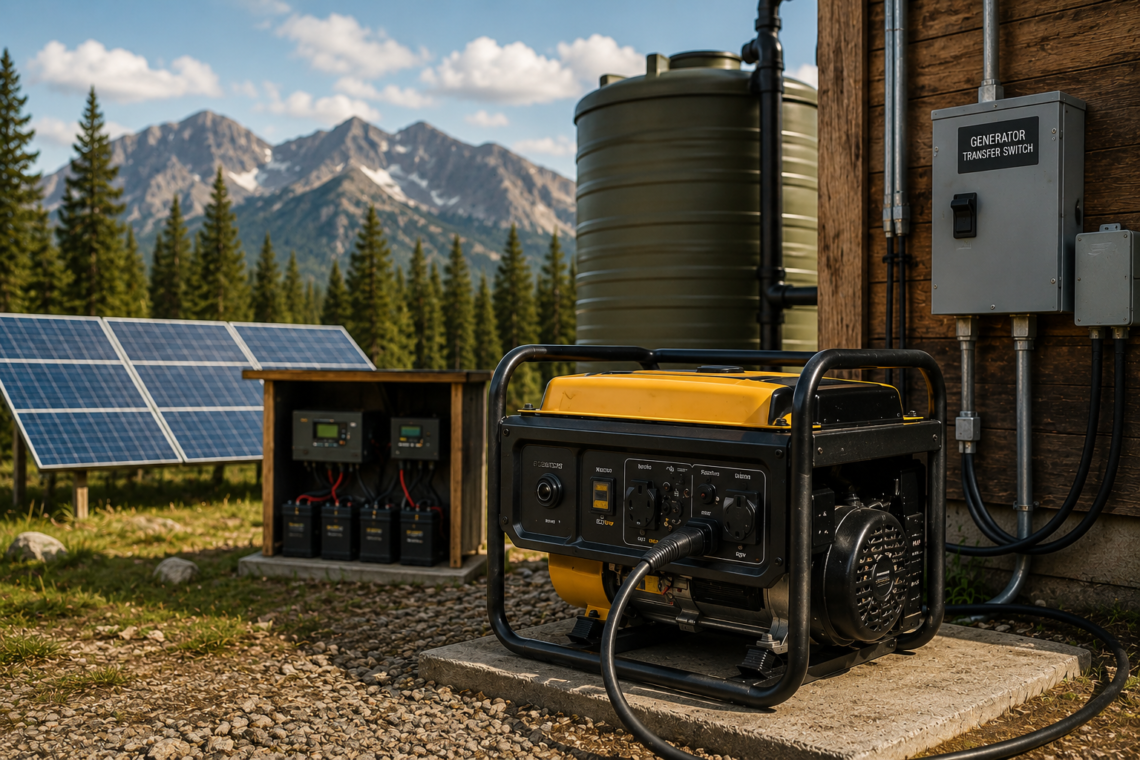
- Automatic Start: These generators are equipped with an automatic transfer switch (ATS) that monitors the power supply. When an outage or low battery condition is detected, the generator automatically starts, transfers the load, and then shuts down when power is restored or batteries are recharged. This is ideal for true hands-off operation.
- Manual Start: As the name suggests, you physically start and stop the generator yourself. This is a simpler, less expensive option but requires you to be present and proactive.
Energy Storage: Batteries
Batteries are essential in most off-grid generator systems, especially those integrated with renewables. They act as a buffer, storing excess power from the generator (or solar/wind) for use when the generator isn’t running.
Battery Chemistry Options
- Lead-Acid Batteries (Flooded, Sealed AGM, Gel): These are the most common and often the most affordable upfront. Flooded lead-acid batteries require regular maintenance (checking water levels), while sealed AGM and Gel batteries are maintenance-free but typically more expensive.
- Lithium-Ion Batteries (LiFePO4): While more expensive initially, lithium-ion batteries, particularly Lithium Iron Phosphate (LiFePO4), offer a longer lifespan, higher efficiency, deeper discharge capabilities, and require no maintenance. They are rapidly becoming the preferred choice for serious off-grid setups.
Sizing Your Battery Bank
This depends on how long you want to run your essential loads without the generator, and how much power your solar or wind system produces. You’ll need to calculate your daily energy consumption and then size your battery bank to meet that demand for a certain number of “autonomy days.”
Inverters
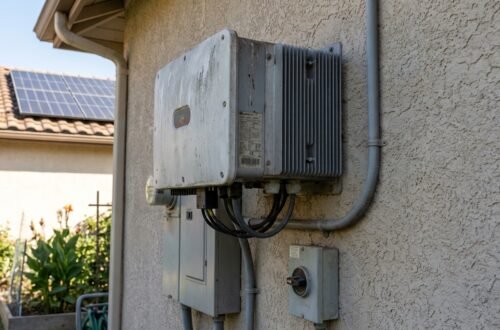
An inverter is a crucial piece of equipment that converts the DC (Direct Current) electricity stored in your batteries into AC (Alternating Current) electricity, which is what most of your household appliances use.
Types of Inverters
- Pure Sine Wave Inverters: These produce high-quality AC power that is identical to or even better than grid power. They are essential for sensitive electronics and appliances with motors (like refrigerators, washing machines).
- Modified Sine Wave Inverters: These are less expensive but produce a “choppier” waveform. While they might work for some basic electronics, they can damage sensitive equipment and cause motors to run less efficiently or hum loudly. For serious off-grid living, pure sine wave is the way to go.
Charge Controllers
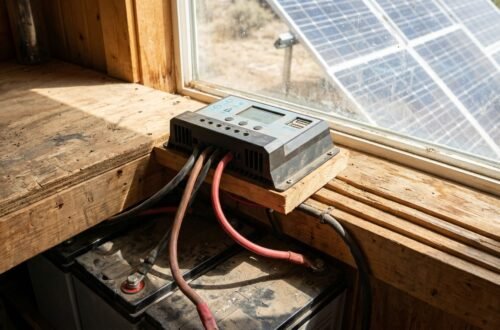
If you’re integrating solar panels or wind turbines with your generator backup, a charge controller is vital. It regulates the voltage and current coming from your renewable energy source to your battery bank, preventing overcharging and prolonging battery life.
Integrating Generators with Renewable Off-Grid Systems
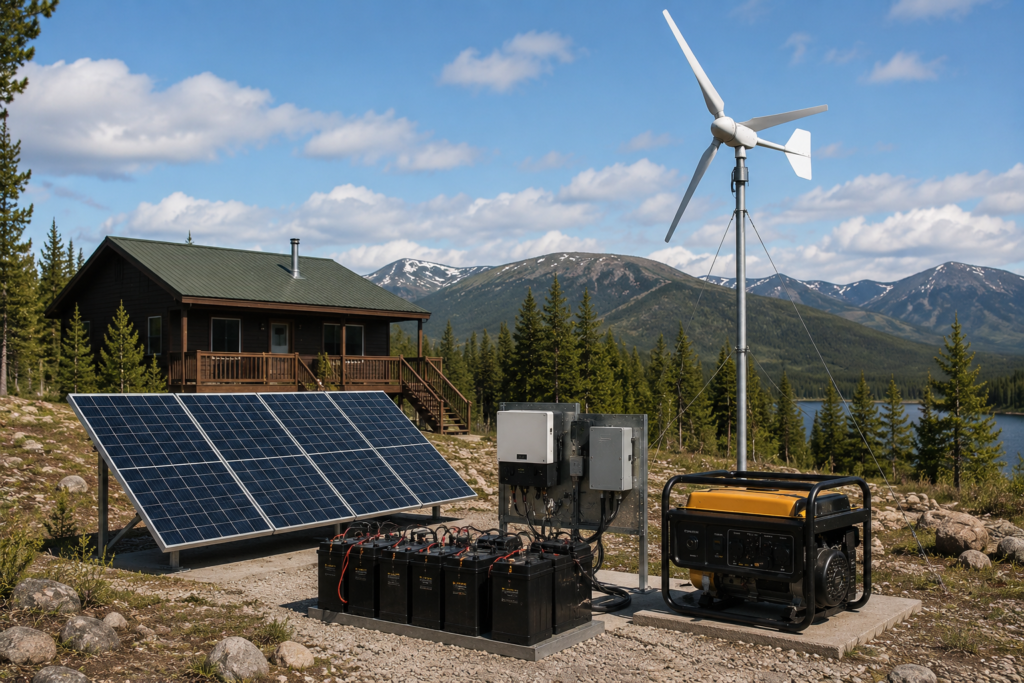
This is where the magic really happens for many off-gridders. A generator isn’t always the primary power source but rather a smart backup.
Generator as a Backup to Solar/Wind
In this scenario, your solar panels or wind turbine are the main power producers. Your battery bank stores this energy. The generator’s role is to kick in only when your renewable sources aren’t producing enough power to charge your batteries or meet your demands.
Automatic Start-Up Triggers
Modern off-grid inverter/charger systems can be configured to automatically start your generator based on various triggers:
- Low Battery Voltage: The most common trigger. When your battery bank drops below a predetermined voltage, the generator starts to recharge it.
- Time-of-Day: You might set the generator to run during specific peak demand hours, or when solar production is historically low (e.g., early morning, late evening).
- High Load Demand: If your house is drawing more power than your renewables and batteries can provide, the generator can start to supplement the load.
Generator as the Primary Source with Battery Buffer
While less common for true off-grid living, this setup might be used in situations where renewable energy isn’t feasible or desired. The generator runs for specific periods to charge the batteries, which then power the house until they need recharging. This is more efficient than running a generator continuously at low loads.
Planning Your Off-Grid Generator System
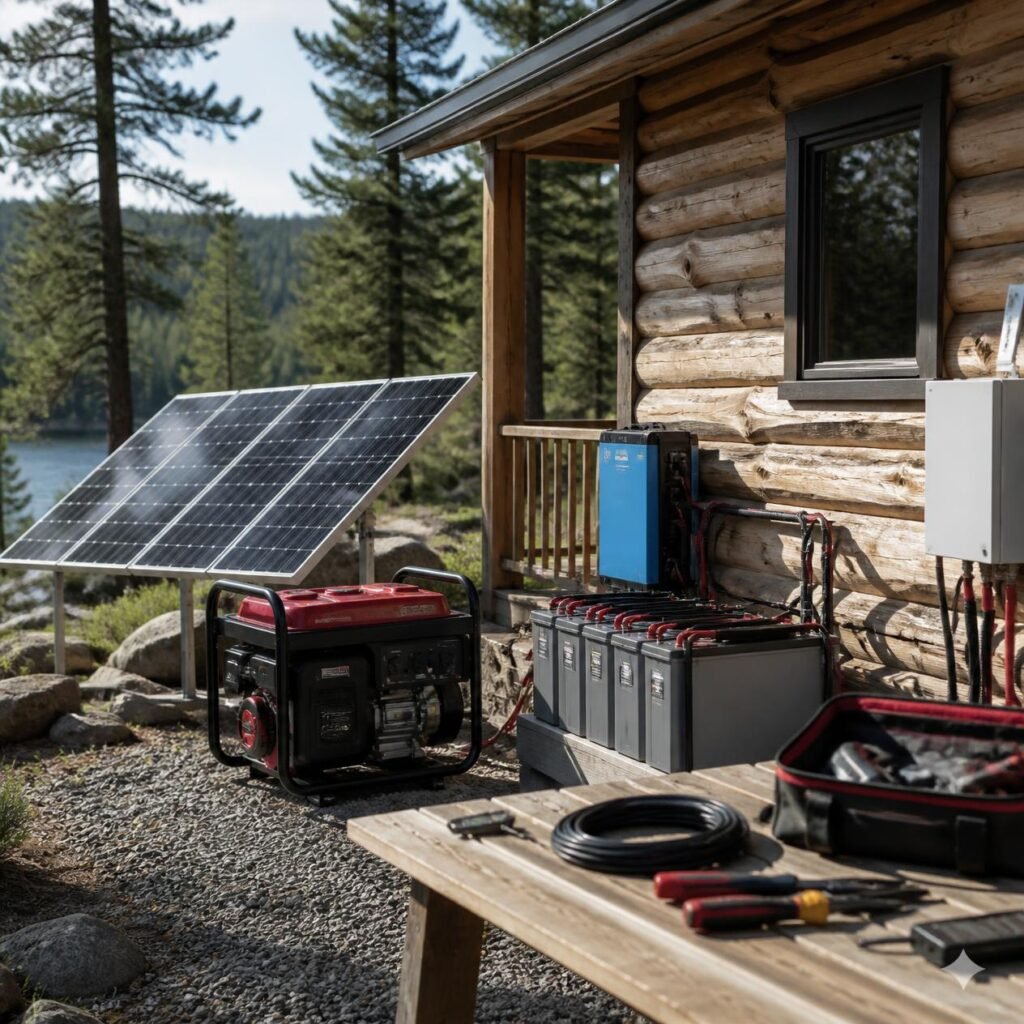
Getting this right from the start saves a lot of headaches (and money) later on.
Energy Audit: Know Your Consumption
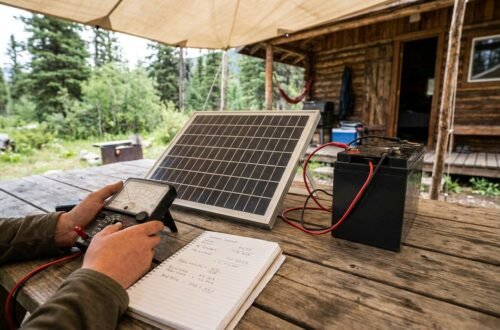
Before you buy anything, you absolutely need to know how much power you actually use. Go through every appliance and light fixture you plan to run.
Calculating Wattage and Watt-Hours
- Wattage (W): How much power an appliance uses at any given moment. Look for the label on the appliance.
- Watt-Hours (Wh): How much total energy an appliance uses over a period of time. Multiply its wattage by the number of hours you plan to use it daily.
- Peak Load: Sum up the wattage of all appliances you anticipate running simultaneously, including the surge/starting wattage of motors. This is crucial for inverter and generator sizing.
Choosing Your Location
Where you place your generator is important for safety, noise, and efficiency.
Ventilation and Exhaust
Generators produce carbon monoxide, so they must be operated in a well-ventilated area, away from windows and doors, to prevent fumes from entering living spaces.
Noise Considerations
Generators can be loud. Consider enclosures, baffling, or simply placing it far enough away from your home (and neighbors!) to mitigate noise pollution.
Fuel Storage and Accessibility
Plan for safe and accessible fuel storage if you’re using diesel or propane. Natural gas generators require a secure connection to the gas line.
Professional Installation vs. DIY
While some handy folks can manage parts of a system, professional installation, especially for the electrical hookups and automatic transfer switches, is highly recommended. Safety and compliance with electrical codes are paramount.
If you’re considering off-grid generator backup systems, it’s essential to understand how to size your off-grid solar system effectively. A well-sized solar system can significantly enhance the efficiency and reliability of your backup power solution. For more insights on this topic, you can explore the article on how to size an off-grid solar system, which provides valuable guidance on optimizing your energy setup.
Maintenance and Safety
| Metrics | Off-Grid Generator Backup Systems |
|---|---|
| Cost | Initial investment can be high |
| Reliability | Dependable backup power source |
| Installation | Requires professional installation |
| Fuel | Requires fuel supply (diesel, propane, etc.) |
| Maintenance | Regular maintenance required |
An off-grid generator system is a serious piece of machinery and requires respect and regular attention.
Routine Maintenance
Just like a car, generators need regular maintenance to perform reliably.
Oil Changes and Filter Replacements
Follow the manufacturer’s schedule for oil and air filter changes. This is crucial for engine longevity.
Spark Plugs and Fuel Filters
Inspect and replace spark plugs as needed, and ensure fuel filters are clean to prevent fuel delivery issues.
Battery Bank Checks
If you have lead-acid batteries, check water levels regularly. For all battery types, ensure terminals are clean and connections are tight. Monitor voltage and temperature.
Safety Precautions
These are not suggestions; they are critical rules for operating generators.
Carbon Monoxide Detection
Install carbon monoxide detectors inside your home and any adjacent structures. This odorless, colorless gas is deadly.
Electrical Safety
Never backfeed power into the grid. Always use a proper transfer switch to isolate your home from the utility lines when running your generator. Grounding is also essential.
Fuel Handling and Storage
Store fuels safely and according to regulations. Be careful when refueling a hot generator.
Fire Prevention
Keep flammable materials away from the generator. Ensure it’s not placed near dry grass or other combustible items. Have a fire extinguisher nearby.
The Reality of Off-Grid Generator Systems
It’s not always a set-it-and-forget-it solution, but the benefits often outweigh the efforts.
Fuel Management
One of the ongoing tasks is fuel management. You’ll need to monitor your fuel levels and plan for refills or deliveries. This requires a bit of foresight, especially for extended outages.
Noise and Emissions
Be realistic about the noise and emissions. While modern generators are quieter and cleaner than older models, they still produce sound and exhaust. Proper placement and enclosures can help, but it’s a factor to consider.
Cost Considerations
The initial investment for a robust off-grid generator system, especially one integrated with renewables, can be substantial. Factor in the cost of the generator, batteries, inverter, charge controller, wiring, installation, and ongoing fuel and maintenance. However, for true independence or in specific remote locations, it often becomes the most practical and cost-effective solution in the long run.
Lifestyle Adjustments
Living off-grid, even with a generator, often means being more mindful of your energy consumption. You might find yourself turning off lights when you leave a room, running large appliances during peak sun hours (if you have solar), or simply being more aware of your usage patterns. It’s a shift that many find empowering.
Ultimately, an off-grid generator backup system offers a robust solution for power independence. Whether it’s the primary power source or a reliable backup for your renewables, careful planning, correct sizing, and diligent maintenance are the keys to a successful and stress-free setup. It’s about taking control of your energy future, and a generator often plays a crucial role in that journey.
FAQs
What is an off-grid generator backup system?
An off-grid generator backup system is a standalone power system that provides electricity to a property or location that is not connected to the main power grid. It typically consists of a generator, battery bank, charge controller, and inverter to store and convert energy for use.
How does an off-grid generator backup system work?
The generator in an off-grid backup system is used to charge the battery bank when renewable energy sources, such as solar or wind, are not producing enough power. The battery bank stores the energy, which can then be converted to usable electricity through the inverter for powering appliances and devices.
What are the benefits of using an off-grid generator backup system?
Off-grid generator backup systems provide reliable power in remote locations or during power outages. They also offer energy independence and can reduce reliance on traditional grid power, leading to potential cost savings and environmental benefits.
What are the key components of an off-grid generator backup system?
The key components of an off-grid generator backup system include a generator, battery bank, charge controller, and inverter. These components work together to store and convert energy for use in powering electrical devices and appliances.
What are some considerations when choosing an off-grid generator backup system?
When choosing an off-grid generator backup system, it’s important to consider the power requirements of the property or location, the availability of renewable energy sources, the size and capacity of the generator and battery bank, as well as the overall cost and maintenance requirements of the system.