So, you’re living the off-grid dream with your solar setup, and winter’s knocking. Smart move to think about how to winterize an off-grid solar system The good news is, winterizing an off-grid solar system isn’t some arcane ritual. It’s mostly about a few practical checks and some common-sense precautions to keep things running smoothly when the sun’s taking a bit of a holiday and the weather gets a little feisty.
Table of Contents
Preparing Your Solar Panels for the Cold
Your solar panels are the stars of the show, and while they’re pretty tough, a little attention can go a long way during winter.
Cleaning is Crucial
Think of it like giving your panels a good scrub before the big snow. Snow, ice, and even just accumulated dust and grime can really cut down on how much sunlight they can soak up. Less sunlight means less power, which is the last thing you want when you’re relying on your system.
When and How to Clean
- Timing: The best time to clean is before the first heavy snow. If you can, give them a good wipe down in late autumn. If you get a light dusting that melts off, you might be okay, but persistent snow cover is a power killer.
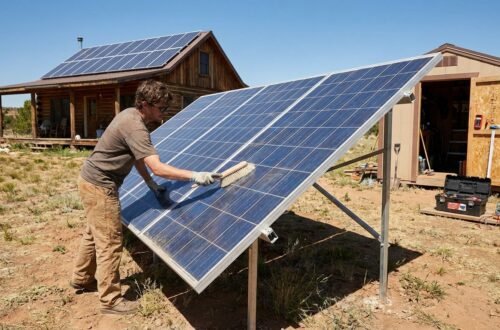
- Tools: You don’t need fancy equipment. A soft brush, a squeegee with a long handle, and a bucket of water are usually all you need. Some mild, non-abrasive soap can help with stubborn grime, but often plain water does the trick.
- Safety First: Be extremely careful when cleaning panels, especially if they’re on a roof. Make sure you have stable footing, or better yet, use an extension pole from the ground. Never try to clean them when they’re wet and icy. Wait for a warmer spell or clear them carefully with a broom if they’re covered in dry, powdery snow.
- Avoid Harsh Chemicals: Stick to water or a very mild, biodegradable soap. Harsh chemicals can damage the anti-reflective coating on your panels, reducing their efficiency over time.
Checking for Physical Damage
Winter can be harsh, and it’s a good idea to give your panels a visual once-over for any cracks, chips, or loose mounting hardware.
What to Look For
- Cracks or Chips: These can be caused by hail, debris, or even temperature fluctuations. Small cracks might seem minor, but they can let moisture in, which can freeze and expand, worsening the damage.
- Loose Mounts: Wind can be a real force in winter. Ensure all your mounting brackets are secure and that the panels are firmly attached. A loose panel is not only inefficient but can also be a safety hazard.
- Wiring Connections: While you’re up there, check that all visible wiring connections are tight and free from corrosion. Loose connections can lead to power loss and even be a fire risk.
Snow Load Considerations
Some areas get serious snow. While most solar panels are designed to withstand a decent amount of weight, it’s worth understanding your system’s limits.
Understanding Your System’s Capacity
- Panel Manufacturer Specs: Check the documentation for your specific panels. They usually have a maximum snow load rating.
- Mounting System: The mounting system is just as important as the panels themselves. Make sure it’s rated for the expected snow loads in your region. If you live in an area with exceptionally heavy snowfall, you might need a system designed with a steeper tilt angle to help snow slide off more easily.
- Active Snow Removal: For extremely heavy snow areas, some people consider systems that allow for manual snow removal or even automated heated cables, though this adds complexity and cost. For most off-grid systems, focusing on letting gravity do the work is the most practical approach.
When preparing to winterize an off-grid solar system, it’s essential to consider various factors that can impact efficiency and performance during the colder months. For those new to off-grid living, a helpful resource is the article on off-grid living for beginners, which provides a simple guide to understanding the basics of sustainable energy systems. You can read more about it here: off-grid living for beginners. This guide complements the winterization process by offering insights into managing energy resources effectively throughout the year.
Protecting Your Battery Bank
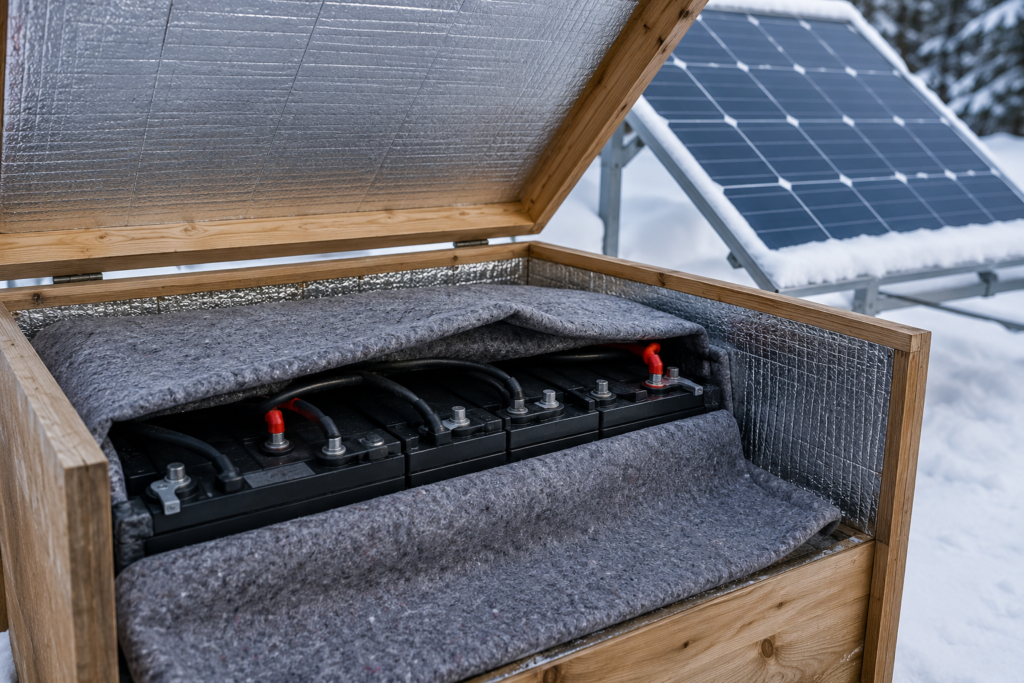
Your battery bank is the heart of your off-grid system, especially in winter when solar production dips. Keeping it healthy is paramount.
Temperature Sensitivity
Batteries, especially lead-acid types, are sensitive to extreme temperatures, both hot and cold.
Ideal Temperature Ranges
- For Lead-Acid Batteries: Most lead-acid batteries perform best in moderate temperatures, typically between 50°F and 77°F (10°C to 25°C).
- Cold Weather Impact: In very cold weather, battery capacity can decrease significantly. A battery that performs at 100% at 77°F might only offer 50-60% capacity at 0°F (-18°C). This means you’ll have less stored energy available.
- Freezing Risk: If batteries are discharged to a very low state of charge, they are at risk of freezing. The electrolyte in a discharged lead-acid battery is mostly water, which will freeze. A fully charged battery has a much lower freezing point.
Maintaining Optimal Temperatures
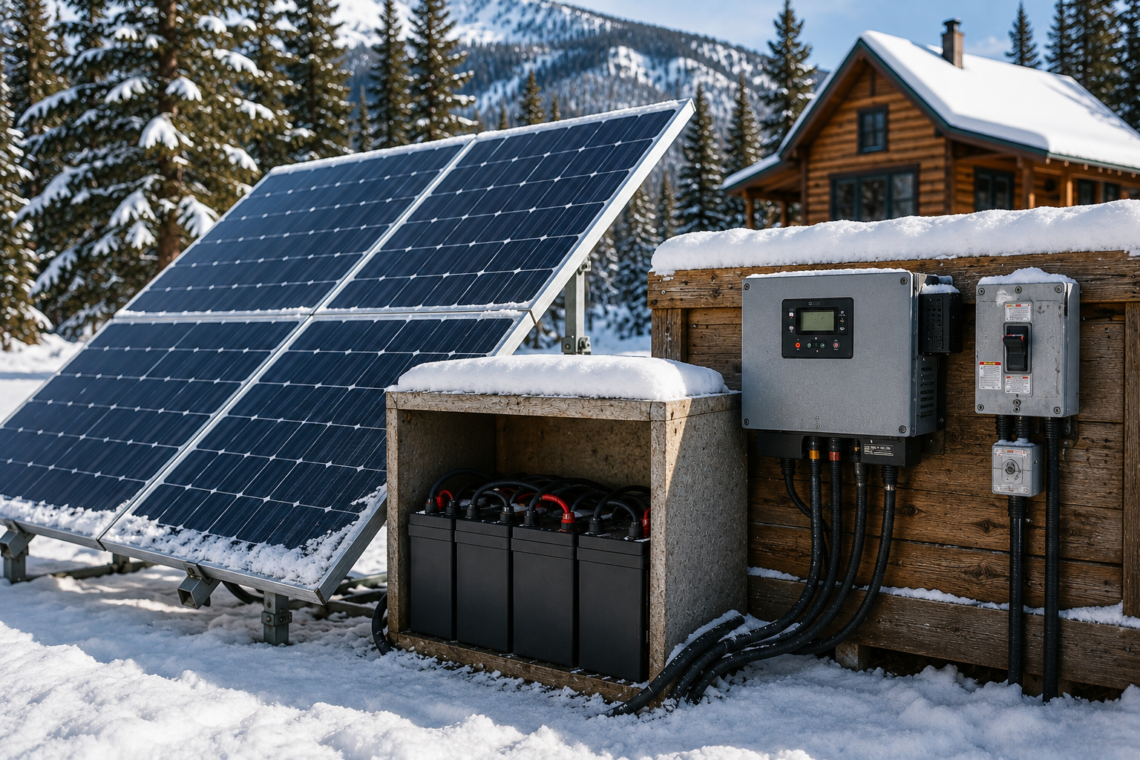
- Insulation: This is your primary defense. Insulate your battery enclosure well. Use materials like rigid foam insulation or even thick blankets if the enclosure is protected from moisture.
- Ventilation: While insulation is key, don’t seal your battery box so tightly that you prevent ventilation. Batteries can off-gas, especially during charging, and this gas needs to escape. Ensure there are some small vents. For lead-acid batteries, proper ventilation is crucial for safety as they can produce hydrogen gas, which is explosive.
- Location, Location, Location: If possible, place your battery bank in a location that naturally stays warmer. An unheated but insulated shed, a basement corner, or even a well-insulated shed adjacent to your main dwelling can be good options. Avoid placing them in areas that get direct, harsh wind exposure or extreme temperature swings.
- Heaters (with Caution): In very cold climates, some people use small, thermostatically controlled heaters within the battery enclosure. This is a more advanced option and requires careful consideration of power draw (even a small heater can use a surprising amount of energy) and safety. Always ensure any heater used is rated for enclosed spaces and has appropriate safety features.
Checking Connections and Electrolyte Levels
Just like with your panels, a quick check of your battery connections is wise.
What to Inspect
- Corrosion: Look for any signs of corrosion on the battery terminals and cable connectors. This can increase resistance and hinder charging and discharging. Clean any corrosion with a wire brush and a baking soda/water paste, then apply a terminal protector.
- Tightness: Ensure all cables are securely fastened to the battery terminals. Loose connections are a common source of power loss and can generate heat.
- Electrolyte Levels (for flooded lead-acid batteries): If you have flooded lead-acid batteries, check the electrolyte levels in each cell. The water in the electrolyte can evaporate over time, especially if the batteries are warm or charging heavily. Add distilled water to bring the levels up to the indicator marks. Never add acid.
Inspecting Your Charge Controller and Inverter
These components are the brains of your operation, and while they’re generally robust, a little winter prep can prevent headaches.
Ensuring Proper Function
Your charge controller manages how power from your panels reaches your batteries, and your inverter converts DC power from batteries to AC power for your appliances.
What to Look For
- Dust and Debris: Like your panels, these components can accumulate dust. Ensure they are clean and that any vents are clear to allow for proper cooling. Overheating can reduce their lifespan and efficiency.
- Secure Mounting: Make sure the charge controller and inverter are securely mounted. Vibrations or external forces in winter shouldn’t cause them to become loose.
- Wiring Integrity: Visually inspect all wiring connected to the charge controller and inverter. Look for any signs of damage, fraying, or loose connections. A good connection is vital for efficient power transfer.
- Environmental Factors: Ensure these components are protected from moisture, extreme cold, and direct sunlight. Many inverters and charge controllers have operating temperature ranges, so keeping them within these limits is important. Consider housing them in a well-ventilated but protected enclosure.
Understanding Performance in Cold
Some inverters and charge controllers might have slightly reduced performance in extremely cold temperatures, although this is less common than with batteries.
What to Know
- Manufacturer Specifications: Check the operating temperature range for your specific models.
- Efficiency: While most modern units are designed for a wide range of conditions, extreme cold can sometimes lead to slightly lower efficiency. This is usually a minor factor for most off-grid users but worth noting.
Managing Your System’s Power Usage
This is arguably the most critical part of winterizing your off-grid solar system. It’s not just about the hardware; it’s about how you use the power you generate.
Adapting to Reduced Sunlight
Winter means shorter days and often cloudier skies. Your solar array will produce less power. You need to adjust your consumption accordingly.
Strategies for Conservation
- Energy Audit: Take a close look at your power usage. Are there appliances you can run less often, or switch to more efficient models?
- Prioritize Essential Loads: Identify your absolute must-have loads (refrigerator, essential lighting, critical charging) and aim to power those first. Non-essential items might need to be used more sparingly or during peak sun hours when you have the most available power.
- Lighting: Switch to LED lighting if you haven’t already. They use a fraction of the power of older incandescent bulbs. Use task lighting when possible rather than lighting up entire rooms.
- Appliance Usage: Run high-draw appliances like washing machines or microwaves during the brightest parts of the day when your solar production is highest. Consider batching tasks – run the washing machine and dryer (if you have one) back-to-back.
- Heating: This is often the biggest power drain in winter, especially if you use electric heat. If you have an off-grid system, you’re likely not relying on electric heat as your primary source. If you do, ensure your home is exceptionally well-insulated and sealed to minimize heat loss. Other heating methods like wood stoves or propane heaters are much more energy-efficient for off-grid living in winter.
- Refrigeration: Ensure your refrigerator and freezer seals are in good condition. A leaky seal means the appliance has to work harder and use more energy to maintain its temperature. Defrost your freezer on a regular routine to improve efficiency.
Monitoring Your System’s State of Charge (SOC)
Knowing how much energy you have stored is crucial for making informed decisions about your power usage.
Key Practices
- Regular Checks: Make it a habit to check your battery monitor regularly. This will show you your State of Charge (SOC) and how quickly you’re discharging or charging.
- Understand Your Needs: Know how much energy your daily essential loads consume. This helps you determine how long you can last on your stored power.
- Avoid Deep Discharges: Continuously discharging your batteries too deeply shortens their lifespan. Aim to keep your SOC above a certain threshold, especially in winter. For lead-acid batteries, staying above 50% is generally recommended.
- Learn Your System’s Limits: Understand how many days of autonomy your battery bank provides with typical winter weather and your typical usage. This helps you plan for potential cloudy spells.
When preparing to winterize an off-grid solar system, it’s essential to consider not only the maintenance of your solar panels but also the overall energy needs of your household. To gain a better understanding of how many solar panels you might require to ensure a consistent power supply throughout the colder months, you can refer to this informative article on the topic. By assessing your energy consumption and the efficiency of your system, you can make informed decisions that will keep your power running smoothly all winter long. For more insights, check out how many solar panels you might need for your off-grid setup.
Addressing Potential Ice and Snow Issues
Beyond just cleaning panels, there are other ways winter weather can impact your system.
Preventing Ice Dams on Panels
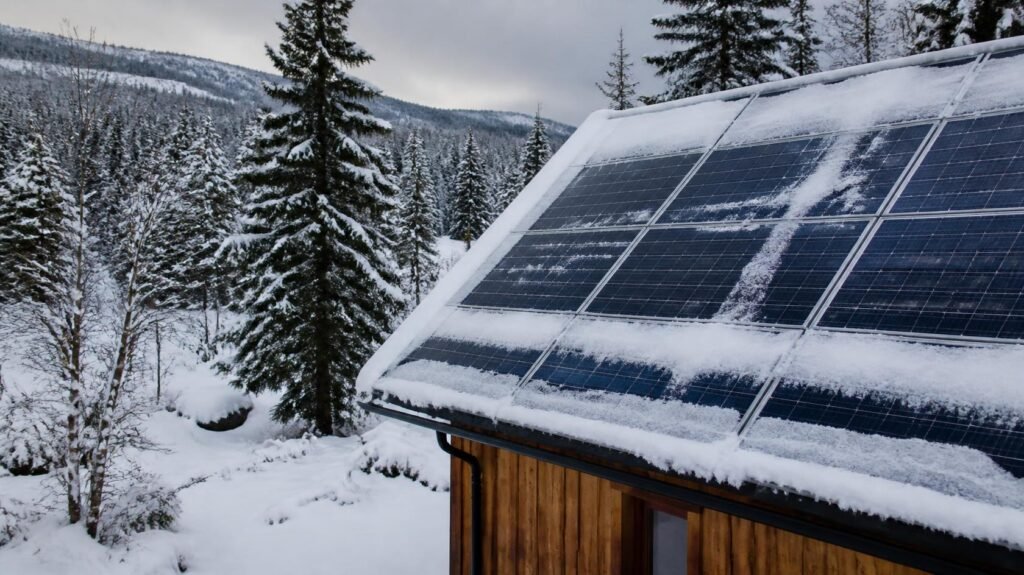
While not common, extreme conditions could lead to ice dams forming around panel edges, potentially trapping water.
Proactive Steps
- Panel Tilt: As mentioned earlier, a steeper tilt angle can help snow and ice slide off more readily.
- Smooth Surfaces: Keep the surfaces of your panels as smooth as possible. Any debris can provide a foothold for ice to form.
- Consider Snow Guards (with caution): In areas with very heavy, wet snow, snow guards on some mounting systems can help break up large snow masses, allowing them to slide off safely rather than falling in one large chunk. This is more about protecting areas below the panels, but it can also indirectly help snow shed from the panels themselves.
Protecting Exposed Components
Wiring, connectors, and other exposed parts can be vulnerable to ice buildup and extreme cold.
Safeguarding Exposed Elements
- Weatherproof Enclosures: Ensure all junction boxes, connections, and sensitive electronics are housed in weatherproof enclosures.
- Cable Management: Secure all external wiring to prevent them from sagging and accumulating ice, which can add significant weight and stress. Use UV-resistant zip ties or cable clips.
- Regular Inspection: Periodically check exposed components for any signs of ice buildup, damage, or wear and tear.
Final Checks and Seasonal Mindset
Winterizing isn’t a one-time event. It focuses on developing a mindset that prepares you for winter living in an off-grid setting.
The Importance of a Winter Routine
- Establish a Schedule: Create a simple, regular schedule for checking your system. This could be weekly or bi-weekly, depending on your location and the severity of the weather.
- Keep Records: Note down any observations, cleaning dates, or adjustments you make. This history can be invaluable for troubleshooting and planning future winterizations.
Knowing When to Seek Professional Help
While many winterization tasks are DIY-friendly, don’t hesitate to call in a professional if you’re unsure about something or if you encounter a problem that seems beyond your comfort level.
Signs You Might Need a Pro
- Complex Electrical Issues: If you suspect a problem with your inverter, charge controller, or any major wiring, it’s best left to a qualified technician.
- Significant Damage: If you notice substantial physical damage to panels or mounting hardware, a professional can assess and repair it safely.
- Battery Bank Concerns: If you’re dealing with unusual battery behavior or suspect an issue with the battery bank that you can’t diagnose, a solar technician specializing in battery systems can help.
By taking these practical steps, you can ensure your off-grid solar system not only survives the winter but continues to provide reliable power, letting you enjoy the quieter, colder months without worry.
FAQs
What is winterizing an off-grid solar system?
Winterizing an off-grid solar system involves taking steps to prepare the system for the colder temperatures and reduced sunlight that come with the winter season. This may include adjusting the angle of solar panels, insulating batteries, and ensuring proper maintenance of the system.
Why is it important to winterize an off-grid solar system?
Winterizing an off-grid solar system is important to ensure that the system continues to operate efficiently during the winter months. By taking proactive steps to prepare the system for colder temperatures and reduced sunlight, it can help prevent damage and maintain reliable power generation.
What are some common steps to winterize an off-grid solar system?
Common steps to winterize an off-grid solar system may include adjusting the angle of solar panels to maximize sunlight exposure, insulating batteries to maintain optimal operating temperatures, and ensuring that all components are in good working condition.
How can I maintain my off-grid solar system during the winter months?
To maintain an off-grid solar system during the winter months, it is important to regularly check and clean solar panels, monitor battery levels, and ensure that all connections and components are secure and functioning properly. Additionally, it may be necessary to adjust the system settings to optimize performance in colder conditions.
Are there any specific considerations for winterizing an off-grid solar system in extreme cold climates?
In extreme cold climates, additional considerations for winterizing an off-grid solar system may include using specialized insulation for batteries, implementing backup heating systems for critical components, and ensuring that the system is designed to withstand harsh winter conditions. It is important to consult with a professional to address specific challenges in extreme cold climates.