Off-Grid solar maintenance isn’t rocket science, but it does require a bit of regular attention to ensure it keeps humming along efficiently and reliably. Think of it like owning a car – you wouldn’t skip oil changes, right? Same principle applies here. The main goal of off-grid solar maintenance is to maximize your system’s lifespan, prevent unexpected downtime, and keep those electrons flowing consistently, especially when you’re relying on them for everything.
Table of Contents
Keeping Your Solar Panels Performing
Your solar panels are the heart of your off-grid system, converting sunlight into usable electricity. Regular checks here are crucial.
Visual Inspection: Look for the Obvious
Every few months, take a good look at your panels. Are there any cracks, chips, or delamination (where the protective layers are separating)? Damage from hail, falling branches, or even critters can impact performance. Also, check for any discoloration or “hot spots” – darker areas on the panel that could indicate a faulty cell. If you see anything unusual, it’s worth investigating further. Early detection can prevent bigger problems down the line.
Cleaning Your Panels: A Bright Idea
Dust, dirt, bird droppings, pollen, and even leaves can significantly reduce your panels’ efficiency. A layer of grime acts like a dimming filter, preventing sunlight from reaching the photovoltaic cells.
How Often to Clean
The frequency depends on your environment. If you live in a dusty area, near agricultural fields, or under trees, you might need to clean them more often, perhaps monthly. In cleaner environments, quarterly or even bi-annually might suffice. After heavy winds or a dry spell, a quick check is always a good idea.
The Right Way to Clean
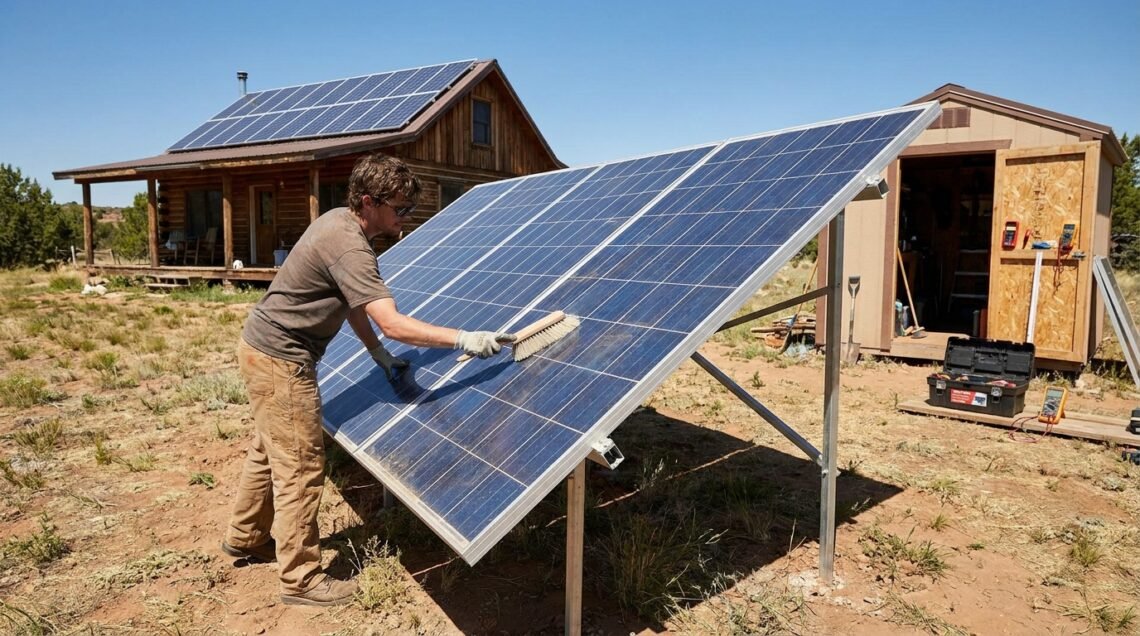
Use plain water and a soft brush or squeegee. Avoid abrasive cleaners, high-pressure washers, or anything that could scratch the glass. The best time to clean is in the early morning or late afternoon when the panels aren’t hot, as cold water on hot glass can cause thermal shock and potentially damage them. For stubborn spots, a mild, biodegradable soap diluted in water can help, but make sure to rinse thoroughly. Safety first: if your panels are on a roof, use appropriate safety gear and don’t take unnecessary risks.
Shading and Obstructions: Sunshine is Key
Even partial shading can dramatically reduce a panel’s output, especially with older systems that might not have individual panel optimizers. Regularly check for new tree growth, nearby buildings, or seasonal foliage that might cast shadows on your panels. Trimming branches or adjusting your panel array might be necessary over time.
For those interested in ensuring the longevity and efficiency of their off-grid solar systems, the “Off-Grid Solar Maintenance Checklist” is an essential resource. To complement this guide, you may find it beneficial to explore the article on off-grid solar wiring, which provides a comprehensive overview of the wiring diagrams essential for setting up a reliable solar system. You can read more about it here: Off-Grid Solar Wiring Diagram Explained. This article will help you understand the intricacies of your solar setup, making maintenance even more effective.
Battery Bank TLC: Your Stored Power Lifeline
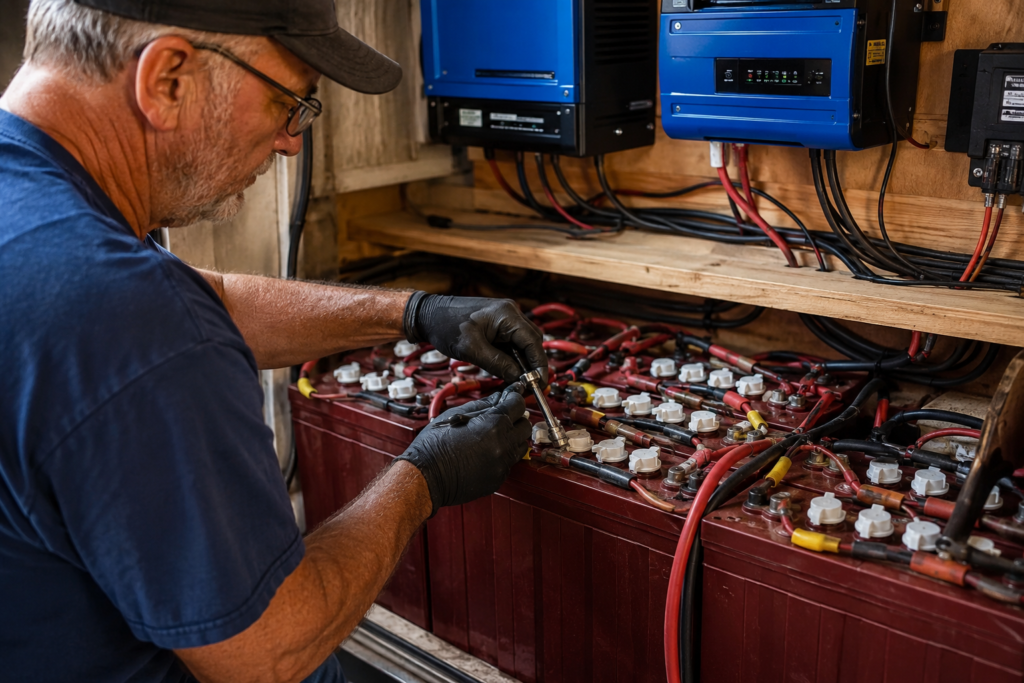
Your battery bank is where your off-grid power is stored, making it arguably the most critical component for system reliability. Neglecting your batteries can lead to premature failure and costly replacements.
Monitoring Battery Health: Knowledge is Power
Regularly checking your battery’s state of charge and voltage is essential. Many charge controllers and inverters have built-in monitoring, but an external voltage meter is a good backup. Look for consistent readings across all batteries in your bank. Significant discrepancies could indicate a problem with an individual battery or a connection.
Water Levels (for Flooded Lead-Acid Batteries): Don’t Let Them Go Thirsty
If you have flooded lead-acid batteries, checking and topping up electrolyte levels is a routine task. During charging, water in the electrolyte converts into hydrogen and oxygen gas, which escapes, lowering the liquid level.
How Often to Check
Depending on the charging cycles and ambient temperature, you might need to check water levels every 1-3 months. More frequent checking is better than letting them run dry.
The Right Way to Top Up
Use only distilled water. Tap water contains minerals that can contaminate the electrolyte and shorten battery life. Fill to the manufacturer’s recommended level – usually indicated by a fill line. Avoid overfilling, especially before charging, as the electrolyte expands when hot. Wear appropriate safety gear (gloves, eye protection) when working with batteries.
Terminal Connections: Keep Them Tight and Clean
Corrosion on battery terminals can increase resistance, leading to poor charging and discharging performance. Regularly inspect all terminals for signs of corrosion (a white or greenish powdery substance).
Cleaning Corroded Terminals
Disconnect the battery first (negative terminal first, then positive). Use a wire brush or a battery terminal cleaner to remove corrosion. A mixture of baking soda and water can also neutralize acid. Once clean, reconnect the terminals tightly and apply a thin layer of petroleum jelly or an anti-corrosion spray to prevent future buildup. Ensure all connections are snug – loose connections can cause arcing and heat, which is dangerous.
Temperature Management: Batteries Like It Just Right
Extreme temperatures can significantly impact battery performance and lifespan. Cold temperatures reduce usable capacity, while high temperatures accelerate degradation.
Ventilation is Key
Ensure your battery bank is in a well-ventilated area to dissipate heat, especially during charging. Avoid direct sunlight or placement near heat sources.
Insulation for Cold Climates
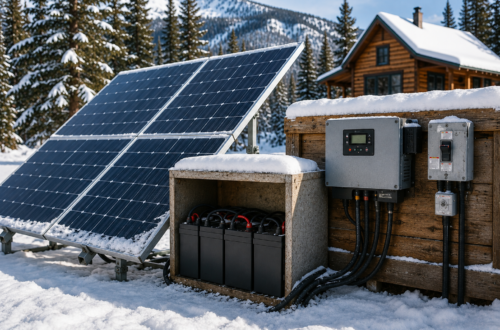
In colder climates, consider insulating your battery enclosure to maintain a more stable temperature. Some off-grid setups even incorporate small heating elements during extreme cold, though this uses precious energy.
Inverter and Charge Controller Checks: The System Brains
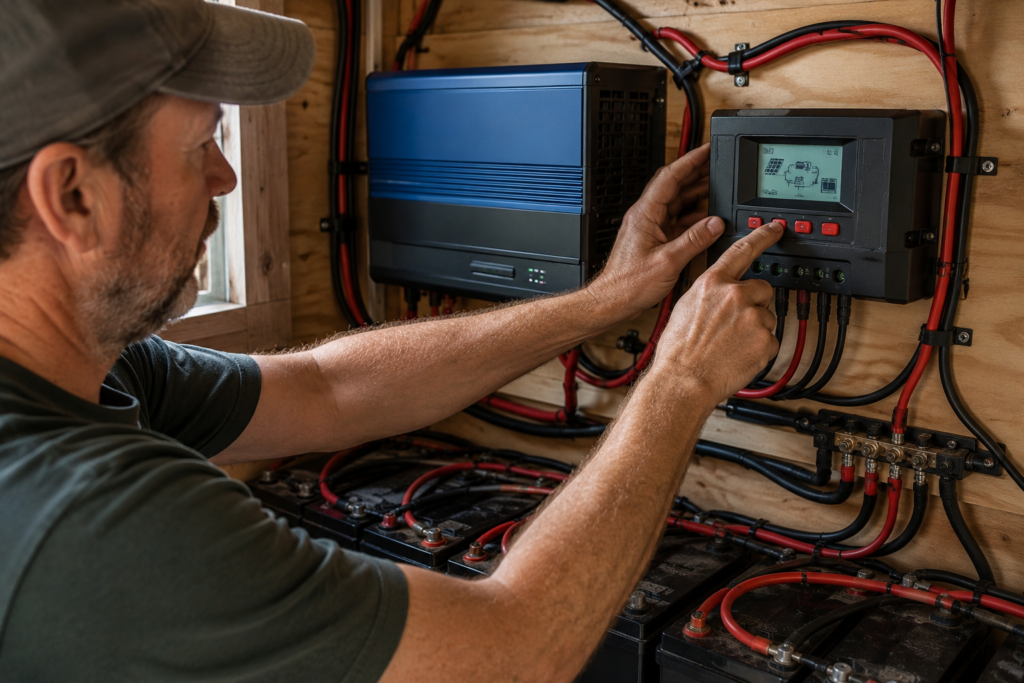
These are the electronic brains of your system, managing power flow and converting it into usable AC electricity.
Ventilation and Airflow: Don’t Let Them Overheat
Inverters and charge controllers generate heat, especially under heavy load. Ensure their cooling fins and vents are free from dust, dirt, and obstructions. Blocked vents can lead to overheating, which can trigger shutdowns or even cause permanent damage. Occasionally, use compressed air to clear out dust.
Firmware Updates: Staying Current
Some modern inverters and charge controllers allow for firmware updates. Check your manufacturer’s website periodically for any available updates. These can sometimes improve efficiency, add new features, or fix bugs. Always follow the manufacturer’s instructions carefully when performing updates.
Wiring and Connections: The Invisible Pathways
Loose or corroded wiring can lead to voltage drops, efficiency losses, and even fire hazards.
Regular Inspection
Periodically inspect all visible wiring connections between panels, charge controller, battery bank, and inverter. Tug gently on connections to ensure they are secure. Look for signs of wear, fraying, or rodent damage on insulation.
Tightening Connections
If you find any loose connections, carefully tighten them. Be mindful of manufacturer torque specifications, especially for larger terminals. Always disconnect power to the relevant components before working on electrical connections.
Grounding and Safety: Protecting Your Investment (and Yourself)
Proper grounding is not just a regulatory requirement; it’s a critical safety feature that protects your system from surges and lightning, and safeguards anyone interacting with the system.
Grounding Connections: Solid and Secure
Regularly inspect all grounding connections for tightness and corrosion. Ensure the ground rods are firmly in the soil and their connections to the system are solid. Rust or corrosion on grounding straps or wires can compromise their effectiveness.
Surge Protection Devices (SPDs): Your System’s Shield
If your system includes SPDs, check their status indicators periodically. Most SPDs have a visual indicator (like a light or flag) that shows if they are still functional. If an SPD has taken a hit and is no longer protecting, it needs to be replaced.
Critter Control: Unwanted Guests
Rodents and insects can wreak havoc on wiring and equipment. Inspect enclosures for signs of nests or chewed wires. Consider using critter-resistant conduit or sealing entry points to prevent unwanted visitors.
For those interested in ensuring the longevity and efficiency of their off-grid solar systems, a comprehensive maintenance checklist is essential. You might find it helpful to read about the importance of regular inspections and upkeep in our related article on solar energy sustainability. Never run out of power: How many solar panels for a reliable off-grid cabin This resource provides valuable insights into optimizing your solar setup and can be accessed through this link:
By following these guidelines, you can enhance the performance of your off-grid solar system and enjoy reliable energy for years to come.
Documentation and Record Keeping: Your System’s History Book
This might seem less “maintenance” and more “admin,” but it’s incredibly valuable.
Keep a Logbook: Track Performance and Maintenance
Note down performance metrics (daily energy production, battery voltage readings), dates of maintenance tasks (panel cleaning, water topping), and any issues or repairs. This log helps you spot trends, diagnose problems, and know when certain components might be reaching their end-of-life. It’s also invaluable for troubleshooting if something goes wrong.
Store Manuals and Warranties: Your Reference Library
Keep all your equipment manuals in an accessible place. They contain crucial information about specifications, troubleshooting guides, and safety procedures. Also, keep track of warranties for all major components. Knowing when warranties expire can help you decide on repair versus replacement.
By following these practical steps, you’re not just doing chores; you’re actively ensuring your off-grid solar system remains a reliable, efficient, and long-lasting source of power for your home or cabin. A little bit of consistent effort goes a long way in avoiding costly surprises and keeping the lights on.
FAQs
What is off-grid solar maintenance?
Off-grid solar maintenance refers to the regular upkeep and inspection of off-grid solar power systems to ensure they are functioning properly and efficiently. This includes checking and cleaning solar panels, inspecting batteries, and monitoring overall system performance.
Why is off-grid solar maintenance important?
Regular maintenance of off-grid solar systems is important to ensure that the system continues to operate at its optimal level. It helps to prevent potential issues, maximize energy production, and extend the lifespan of the system components.
What are some key components of off-grid solar maintenance?
Key components of off-grid solar maintenance include cleaning and inspecting solar panels, checking battery levels and connections, testing system performance, and ensuring all components are free from damage or debris.
How often should off-grid solar maintenance be performed?
Off-grid solar maintenance should be performed regularly, with some tasks such as cleaning solar panels and checking battery levels being done on a monthly basis. Other tasks, such as system performance testing and overall inspection, can be done on a quarterly or annual basis.
Can off-grid solar maintenance be done by the system owner?
Yes, off-grid solar maintenance can be done by the system owner, especially for basic tasks such as cleaning solar panels and checking battery levels. However, it is recommended to have a professional solar technician perform more complex maintenance tasks to ensure the system is properly maintained.