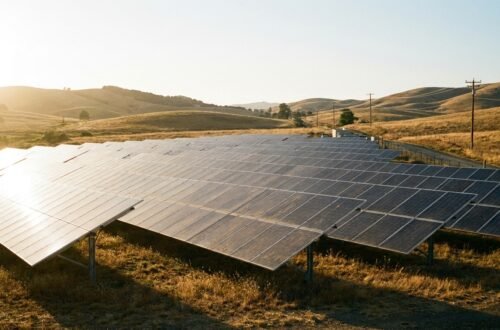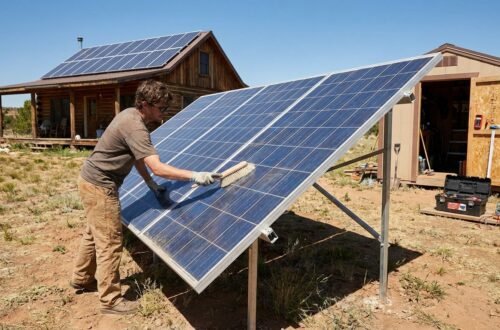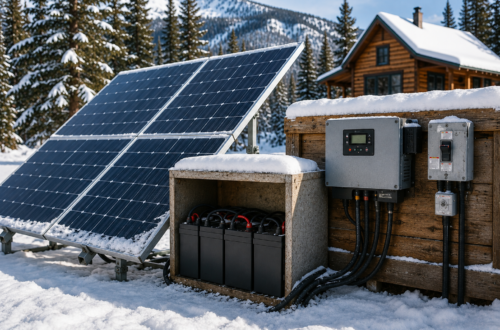
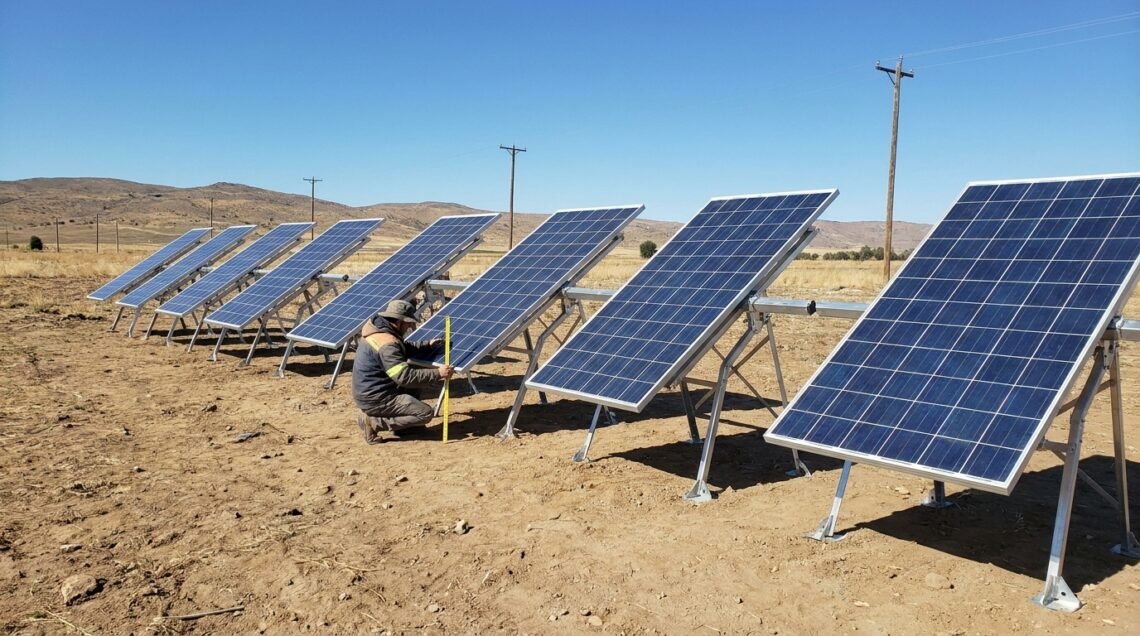
So, you’re wondering about the best solar panel tilt angle for your state? The quick answer is that a good starting point is usually pretty close to your latitude. However, it’s not always a perfect one-to-one match. Different states, and even different parts of states, can benefit from slight adjustments to optimize for sunshine throughout the year. Think of it as a general guideline that gets refined for local conditions.
Table of Contents
Why Tilt Matters
Getting your solar panels tilted correctly isn’t just a detail; it directly impacts how much electricity your system generates. Imagine trying to catch water in a bucket during a light rain – if the bucket is flat, you’ll catch some, but if you tilt it towards the falling rain, you’ll catch a lot more. Solar panels work similarly, but with sunlight instead of rain.
Maximizing Sunlight Capture
The sun’s position in the sky changes throughout the day and across the seasons. A perfectly flat panel might be great at noon in summer, but not so much during winter or early morning. Tilting your panels helps them face the sun more directly for a longer portion of the day, year-round. This is about maximizing the “harvest” of sunlight.
Battling Snow and Debris
Beyond just sunshine, tilt plays a practical role in maintenance. A good tilt can help snow slide off your panels more easily in winter climates. It also aids in natural cleaning from rain, as dust and debris are less likely to accumulate on a sloped surface compared to a flat one. This means less manual cleaning for you.
Understanding the optimal tilt angle for solar panels is crucial for maximizing energy efficiency, and it can vary significantly by location. For those interested in a comprehensive overview of off-grid systems, including power, water, and waste management setups, a related article can provide valuable insights. You can read more about these essential components of off-grid living in this informative piece: Off-Grid Systems Explained: Power, Water, and Waste Setup.
General Guidance: Latitude as Your Baseline
As we touched on, your latitude is a fantastic starting point for determining your solar panel tilt. It’s a widely accepted rule of thumb because latitude directly relates to how high or low the sun appears in the sky throughout the year in your location.
Understanding Latitude
Latitude is simply your distance from the equator, measured in degrees. The higher your latitude (further north in the Northern Hemisphere), the lower the sun generally appears in the sky, especially during winter. So, if you’re in a northern state, your panels will generally need a steeper tilt to catch those lower winter rays.
Small Deviations for Big Impacts
While latitude is a solid guide, it’s not a rigid law. Sometimes, a slight deviation – a few degrees more or less – can actually yield better results based on specific local climate patterns, cloud cover, or even seasonal priorities (do you need more power in summer or winter?). These subtle adjustments are often what state-specific recommendations try to capture.
State-Specific Solar Panel Tilt Angle: East Coast to West
Let’s dive into some more specific recommendations for different regions across the US. Keep in mind these are general guidelines, and a local installer can always give you the most precise advice for your exact spot.
The Sunny Southeast
States like Florida, Georgia, Alabama, Mississippi, and South Carolina often see abundant sunshine. Their tilt angles reflect a balance between summer and winter sun, leaning slightly less steep due to their lower latitudes.
- Florida: You’re looking at about 24–27° tilt. Given Florida’s lower latitude, panels don’t need to be super steep to catch the sun, which generally stays higher in the sky.
- Georgia / Alabama / Mississippi / South Carolina: These states are generally in the 27–31° range. They’re a bit further north than Florida, so a slightly steeper tilt helps.
The Central and Southwestern Hubs
Moving westward, states like Texas, Arizona, and Colorado have their own optimal ranges, influenced by their latitudes and unique weather patterns, including intense summer sun and occasional snow in higher elevations.
- Texas: Around 27–30° is a good bet for Texas. It’s a large state, so this range accommodates the slight latitude differences from north to south.
- Arizona: For Arizona, 29–33° is often recommended. With its abundant sunshine, this range helps capture power efficiently throughout the year, balancing the high summer sun with the slightly lower winter sun.
- Colorado: Colorado has a bit wider range, about 32–40°. This is largely due to its elevation and varying latitudes, plus the need to shed snow effectively in many areas. A steeper tilt helps immensely with snow.
The Midwest and Mid-Atlantic
States in the heartland and along the Mid-Atlantic, like Illinois, Indiana, Ohio, Pennsylvania, New York, North Carolina, and Tennessee, share similar latitude bands and thus have comparable tilt requirements.
- Illinois / Indiana / Ohio / Pennsylvania: For this cluster, about 34–36° is common. These states experience distinct seasons, so this tilt helps capture sun effectively in both summer and winter, and aids in snow shedding.
- New York: New York typically falls into the 33–35° tilt range. Similar to the other Mid-Atlantic and Midwest states, this accounts for significant seasonal changes in sun angle and snow.
- North Carolina / Tennessee / Oklahoma: These states generally do well with about a 30° tilt. They are a bit further south than the previous group, hence the slightly shallower angle.
The Pacific Northwest and Northern States
When you head to the far northern states, especially those with significant snowfall, the tilt angles become noticeably steeper. This is to account for the sun’s lower trajectory in the sky and to allow snow to slide off.
- Washington / Oregon / Idaho / Montana-area northern states: You’re looking at about 35–40°. As you go further north within this region, or into areas with heavy snow, you’d likely aim for the higher end of that range. Steeper tilts are crucial here for winter performance and snow mitigation.
- Alaska: This is where things get significantly steeper! Alaska often requires tilts around 43° to 61°, depending on the exact location and specific optimization goals. The sun’s angle is very low for much of the year, especially in winter, demanding a dramatic tilt to capture sufficient light.
Seasonal Adjustments vs. Fixed Tilt
Now that we’ve covered the general state-by-state fixed tilts, let’s talk about the two main approaches to panel angling: fixed tilt and adjustable tilt. Most residential systems use fixed tilt, but it’s good to understand the difference.
Fixed Tilt: The Most Common Choice
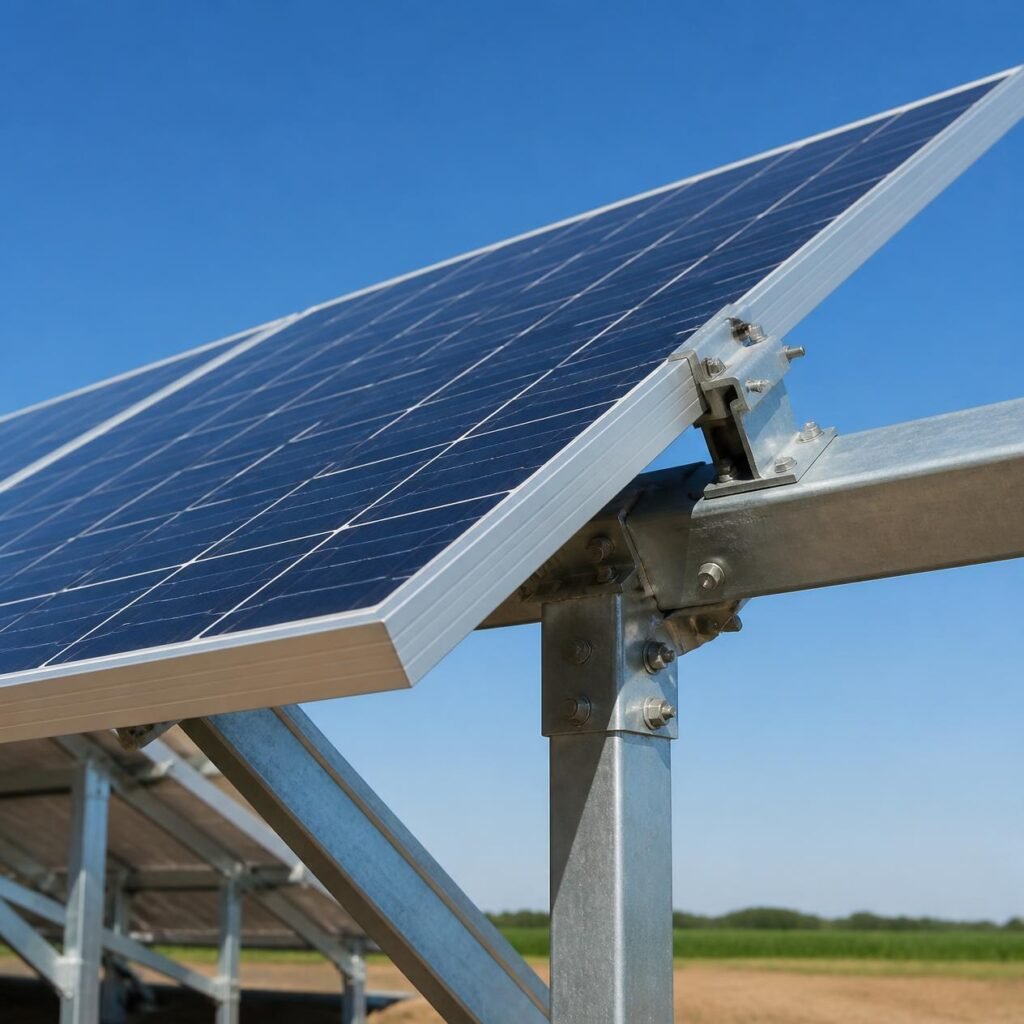
For the vast majority of homeowners, a fixed tilt is the practical and economical choice. This means your panels are installed at a set angle and stay that way year-round. The state-specific recommendations we just discussed are primarily for fixed-tilt systems.
- Simplicity and Cost: Fixed tilt systems are simpler to install and maintain, and generally cost less upfront. There are no moving parts to break or adjust.
- Optimized for Annual Production: The goal of a fixed tilt is to find a “sweet spot” that maximizes your energy production over the entire year, rather than just one season. It’s a compromise that works very well.
- Roof Angle Integration: Often, the tilt of your roof plays a significant role. If your roof already has a good south-facing slope, installers might mount the panels flush or slightly elevated to match or improve upon that angle.
Adjustable Tilt: For the Maximizer (and the Patient)
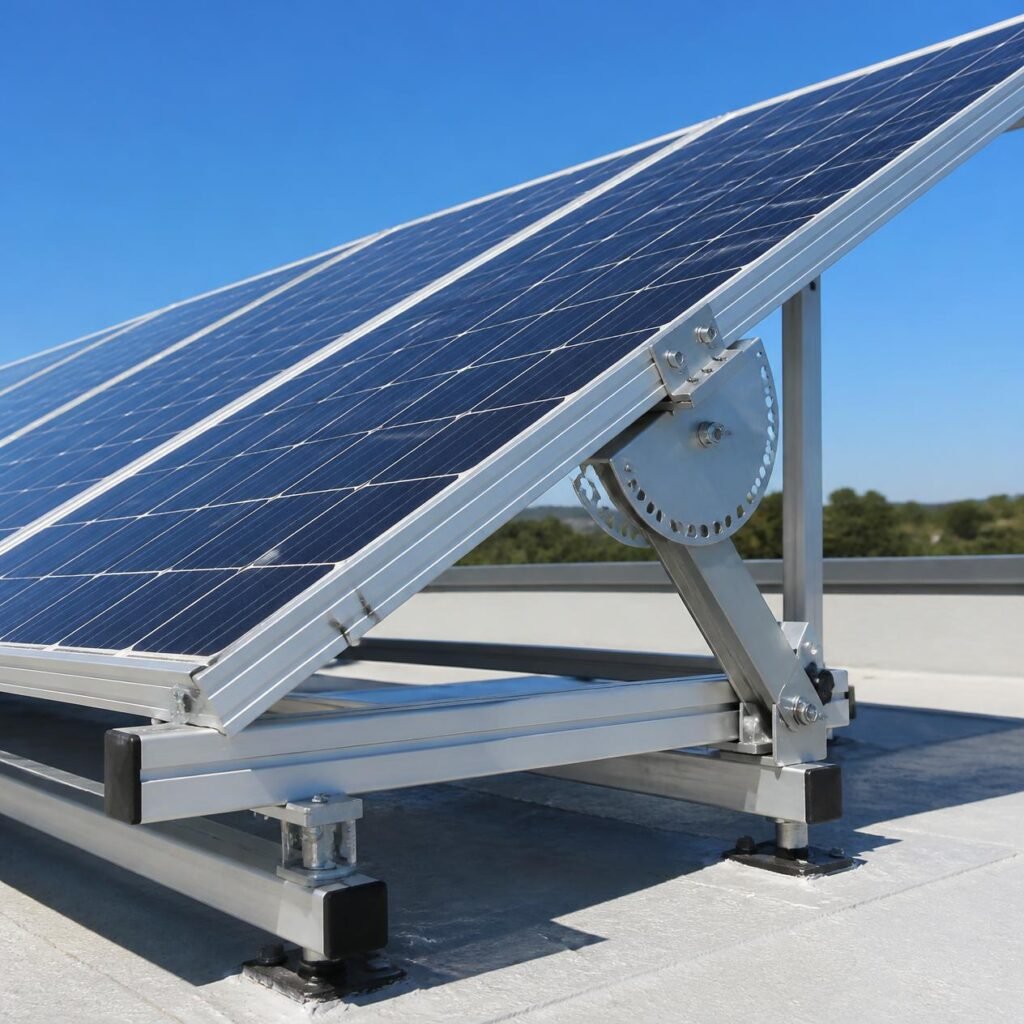
While less common for residential setups due to added cost and effort, adjustable tilt systems allow you to change the angle of your panels throughout the year.
- Seasonal Optimization: The main advantage here is the ability to perfectly align your panels with the sun’s angle for each season. You might tilt them shallower in summer when the sun is high and steeper in winter when it’s low.
- Increased Production: This can result in a higher overall energy yield compared to a fixed tilt, especially if you’re diligent about making adjustments.
- Manual Effort or Automated Systems: Adjustments can be manual (you physically change the angle a few times a year) or, in more advanced (and expensive) systems, automated with motors and tracking software. For most homeowners, the added complexity and cost often outweigh the benefit.
Understanding the optimal tilt angle for solar panels can significantly enhance energy efficiency, and for those interested in a comprehensive guide to setting up an off-grid solar system, you might find this article helpful. It provides valuable insights into the various components and considerations necessary for beginners looking to harness solar energy effectively. For more information, you can check out the article on off-grid solar system setup.
Considerations Beyond Just Latitude
While latitude is paramount, a few other things can influence the ideal tilt angle for your specific project. It’s rarely just one factor.
Local Weather Patterns
Think about heavy snow seasons or prolonged periods of cloud cover. In snowy regions, a steeper tilt not only helps with winter sun capture but is also critical for snow shedding. If your panels are flat or too shallow, snow can accumulate and effectively shut down your system until it melts or is manually removed.
Shading Issues
Even if your panels are perfectly tilted, shading from trees, chimneys, or neighboring buildings can drastically reduce their output. Sometimes, adjusting the tilt slightly (or even the location on the roof) can help mitigate minor shading issues, though this is less common than addressing the source of the shade directly.
Your Energy Usage Profile
Do you use a lot more electricity in the summer (e.g., for air conditioning) or in the winter (e.g., for heating or increased indoor lighting)? If you have a significantly higher demand during one season, you might consider optimizing your tilt to favor that season, even if it means a slight reduction in overall annual output. For instance, in a northern state with high winter electricity use, you might go for a slightly steeper tilt than the annual average to boost winter production.
Getting the Best Advice
Navigating all these factors can seem a bit much, but thankfully, you don’t have to become a solar expert overnight.
Consult a Local Solar Installer
This is perhaps the most important piece of advice. A reputable local solar installer will have experience with homes in your specific area. They’ll understand local weather patterns, sun paths, and building codes. They use sophisticated software to model your roof, account for shading, and recommend the optimal tilt and azimuth (the direction your panels face) for your specific home. Here is one at Shopsolar just put in zip code and get angles for your location, check it out Here
Energy Audits and System Design
Part of an installer’s process often involves an energy audit to understand your usage and then a detailed system design. This design isn’t just about how many panels you need, but also their optimal placement, tilt, and orientation to maximize their efficiency and align with your energy goals.
Trust, But Verify (Ask Questions!)
While you should trust your installer’s expertise, don’t hesitate to ask questions. Understand why they recommend a particular tilt. If they suggest something different from the general guidelines, ask them to explain their reasoning. A good installer will be happy to walk you through their calculations and choices.
In Conclusion
Choosing the right tilt angle for your solar panels is a key step in ensuring your system performs at its best. While your latitude provides a strong starting point, state-specific recommendations and local conditions offer crucial refinements. From Florida’s shallower angles to Alaska’s dramatic tilt, these guidelines aim to capture the sun’s energy efficiently throughout the year. For most homeowners, a fixed tilt, expertly installed by a local professional, will strike the perfect balance between performance, cost, and practicality. So, take these insights as a helpful guide, but always lean on the expertise of local solar professionals for a truly optimized system for your home.
FAQs
What is the optimal tilt angle for solar panels by state?
The optimal tilt angle for solar panels varies by state and depends on factors such as latitude, climate, and the specific solar panel technology being used.
How does the tilt angle of solar panels affect energy production?
The tilt angle of solar panels affects energy production by maximizing the amount of sunlight that the panels can capture. Adjusting the tilt angle can help optimize energy production throughout the year.
Are there resources available to help determine the optimal tilt angle for solar panels by state?
Yes, there are various online tools and resources available that can help determine the optimal tilt angle for solar panels based on the specific location and other relevant factors.
What are some general guidelines for determining the tilt angle of solar panels by state?
In general, solar panels in the northern hemisphere should be tilted towards the south, with the tilt angle increasing as the latitude increases. However, specific guidelines may vary by state and should be considered when determining the optimal tilt angle.
How can the tilt angle of solar panels be adjusted to maximize energy production?
The tilt angle of solar panels can be adjusted manually or using tracking systems that automatically adjust the angle throughout the day to maximize energy production.