
Building an off-grid solar system might seem intimidating at first, but the fundamentals are actually quite approachable. Whether you’re motivated by energy independence, cost savings, or environmental concerns, setting up your own solar power system doesn’t require an engineering degree. This guide walks you through the essential components, helps you understand how they work together, and gives you a realistic roadmap to get started.
The basic idea is simple: solar panels capture sunlight and convert it into electricity. That power then flows through a charge controller into batteries for storage. When you need electricity, the batteries discharge through an inverter, which converts the stored power into the standard electrical current your home needs. Understanding these core components and how they interact is the foundation for any successful off-grid installation.
Table of Contents
What Makes an Off-Grid Solar System Different
An off-grid solar setup operates completely independently from the utility company. Unlike grid-tied systems that feed excess power back to the grid, off-grid systems rely entirely on their own generation and storage. This independence offers incredible freedom, but it also means your system must be carefully designed to meet your needs year-round.
The key difference lies in battery storage. Grid-connected systems don’t need large battery banks because they can pull power from the grid whenever needed. Off-grid systems must store enough energy to power your home during cloudy days and overnight hours. This makes battery selection and sizing absolutely critical to your system’s success.
Off-grid systems also require a backup power source for extended periods without sunlight. Many people add a generator to handle winter months or unusual weather patterns. Understanding this reality from the start prevents frustration later and ensures you design a system that actually works for your climate and lifestyle.
Why Choose Off-Grid Power?
People choose off-grid living for different reasons. Some prioritize environmental impact and reducing their carbon footprint. Others seek complete energy independence and the security that comes with it. Many are drawn to the financial benefits—once installed, your system generates free electricity for decades.
However, as covered in our deeper exploration of the brutal truth of off-grid living, this path requires commitment and realistic expectations. Off-grid systems demand more attention and maintenance than grid-connected alternatives. You need to monitor battery levels, maintain equipment, and plan for seasonal variations in solar production.
The Essential Components Explained
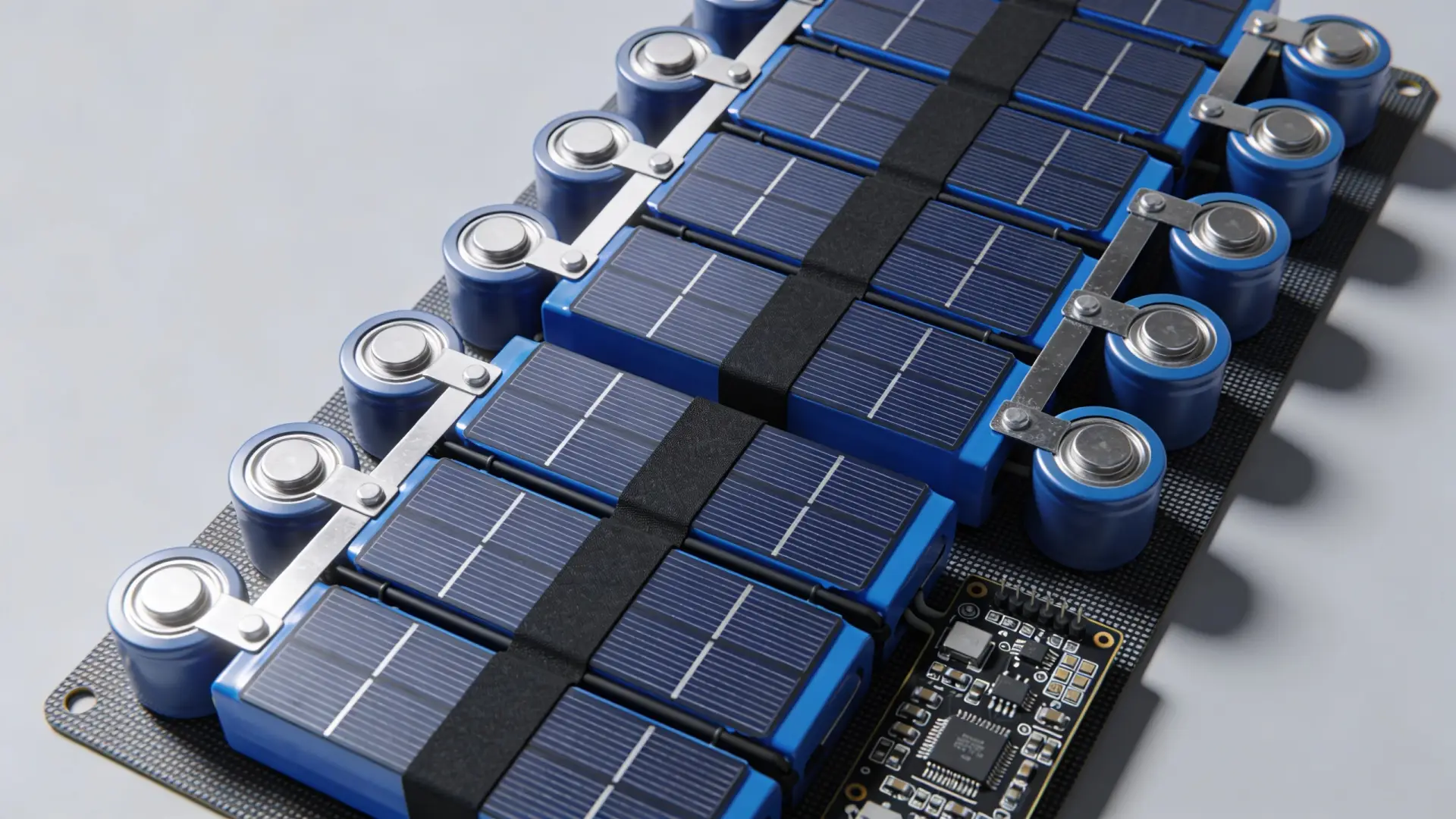
Every off-grid solar system has four main components working together. Understanding what each does helps you make informed decisions about quality, sizing, and installation. Let’s break down each element and why it matters.
Solar Panels: Your Power Source
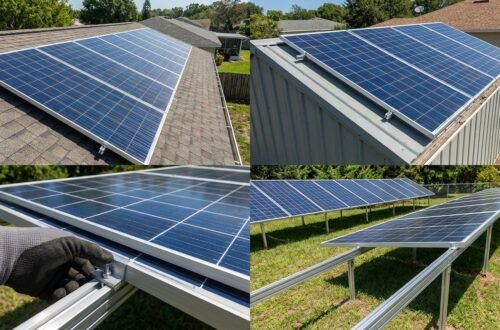
Solar panels convert sunlight into direct current (DC) electricity. Modern panels are remarkably efficient and increasingly affordable. Most residential systems use either monocrystalline panels, which offer high efficiency in a compact footprint, or polycrystalline panels, which are slightly less efficient but more budget-friendly.
Panel output is measured in watts. A typical residential panel produces between 300 and 400 watts under ideal sunlight conditions. You’ll need multiple panels to meet your household’s energy needs. The total wattage depends entirely on your location’s climate, your roof’s angle and orientation, and how much electricity you actually use.
Charge Controllers: Managing the Power
The charge controller sits between your solar panels and battery bank, regulating the voltage and current flowing from the panels. Without it, you’d overcharge and destroy your batteries.
Two main types exist: PWM (Pulse Width Modulation) and MPPT (Maximum Power Point Tracking). MPPT controllers are more efficient and better handle mismatched panel-to-battery voltage systems, making them ideal for most off-grid setups. They cost more upfront but recover that investment through better system performance.
Battery Banks: Your Energy Storage
Batteries store the electricity your panels generate during sunny hours, releasing it when you need power at night or during bad weather. This component determines how many days your system can run without sunlight, so it’s crucial to size it correctly.
Lithium-ion batteries (like LiFePO4) have become the preferred choice for new off-grid systems. They last longer, require minimal maintenance, and deliver better performance than older lead-acid alternatives. However, they cost significantly more. Understanding the true cost to go off-grid requires honestly assessing battery investment.
Inverters: Converting Power to Usable Electricity
Your batteries store power as direct current (DC), but your home’s appliances need alternating current (AC). The inverter converts DC to AC. It’s the device that allows you to run standard household equipment without modification.
Size your inverter based on your largest simultaneous power draw. If you’re running a well pump (5,000 watts) while the kitchen microwave is heating (1,000 watts), you need at least 6,000 watts of inverter capacity. Undersizing an inverter is a common beginner mistake that leads to frustrating power outages.
Understanding Battery Storage and Capacity
Battery sizing is where many beginners struggle, but the concept is straightforward once you understand the terminology. Capacity is measured in kilowatt-hours (kWh) or amp-hours (Ah). “Days of autonomy” describes how long your batteries can power your home without sunlight.
Here’s a practical example: If your household uses 10 kWh daily and you want three days of backup power, you need 30 kWh of battery capacity. However, most battery systems shouldn’t discharge completely—doing so reduces lifespan dramatically. You typically use only 80% of total capacity, so you’d actually need about 37.5 kWh of installed capacity.
Climate matters tremendously. Northern regions experience significantly less solar production in winter, requiring larger battery banks for year-round reliability. Southern locations with consistent winter sun can get by with smaller systems. Before choosing battery capacity, research how to properly size an off-grid solar system for your specific location and usage patterns.
Battery Types: Making the Right Choice
Your battery choice affects cost, lifespan, maintenance requirements, and performance. Here’s what you should know about the main options:
- Lithium-ion (LiFePO4): Long lifespan (10+ years), minimal maintenance, high efficiency, but higher upfront cost
- Lead-acid: Lower initial cost, proven technology, but requires regular maintenance and shorter lifespan (5-7 years)
- Gel batteries: Middle ground between lead-acid and lithium, moderate cost and maintenance
For beginners with realistic budgets, lithium batteries are increasingly the recommended choice despite higher initial investment. Their longevity and low maintenance typically save money over a 10-20 year period.
Sizing Your System Correctly
System sizing involves three calculations: determining your daily energy consumption, calculating panel capacity, and selecting appropriate battery storage. Getting this right prevents expensive mistakes and ensures your system actually meets your needs.
Step 1: Calculate Your Daily Energy Use
Start by reviewing your current electricity bills to understand average consumption. If you don’t have this information, estimate by listing every electrical device you’ll use and how long it runs daily. A refrigerator might use 3 kWh daily, while an electric water heater could consume 5 kWh.
Many beginners underestimate consumption. Include seasonal variations—heating or cooling demands change throughout the year. Plan for growth too; if you’re starting with modest use, factor in future additions like an electric vehicle.
Step 2: Size Your Solar Array
Your location’s peak sun hours determine panel sizing. Phoenix, Arizona receives about 6 peak sun hours daily, while Seattle, Washington averages around 3.5. Search for “peak sun hours [your city]” to find your local value.
Divide your daily consumption by peak sun hours, then add 25% for system losses and weathering. This gives your required panel wattage. If you use 20 kWh daily with 5 peak sun hours, you need at least 5 kW of panels (20 ÷ 5 × 1.25).
Step 3: Determine Battery Capacity
Plan for autonomy days—how many days your system should run without sun. Most off-grid systems target 3-7 days. Multiply daily consumption by autonomy days, then divide by 0.8 (usable capacity percentage) to get your required battery size.
This is where finding the cheapest way to start off-grid living gets real. Battery costs dominate system expenses. Smaller autonomy targets reduce battery investment but require a backup generator for extended poor weather.
| Component | Function | Key Consideration |
|---|---|---|
| Solar Panels | Convert sunlight to DC electricity | Size based on location’s peak sun hours |
| Charge Controller | Regulate power from panels to batteries | MPPT controllers offer better efficiency |
| Batteries | Store generated electricity for later use | Lithium batteries recommended for longevity |
| Inverter | Convert DC battery power to AC power | Match capacity to largest simultaneous loads |
Installation Basics for Beginners
Whether you install your system yourself or hire professionals depends on your comfort with electrical work, local regulations, and available expertise. Many beginners handle simple components but hire licensed electricians for complex work.
Planning Your Layout
Physical placement matters significantly. Solar panels need unobstructed southern exposure (in the Northern Hemisphere) with minimal shading from trees or structures. Avoid locations shaded in winter when production matters most.
Keep battery banks in a cool, dry location away from living spaces. Batteries generate heat, so ventilation prevents excess temperature buildup. Inverters should be mounted indoors, protected from weather but with adequate airflow for cooling.
Wire sizing is critical—undersized wiring causes voltage drop and system inefficiency. Calculate required wire gauge based on current flow and distance from panels to controller to batteries. This is an area where professional guidance prevents costly mistakes.
System Interconnection
The wiring sequence matters. Current flows from panels → charge controller → battery bank → inverter → your home’s electrical panel. Each connection requires appropriately sized breakers and disconnect switches for safety.
Your electrical panel must be properly grounded, and the entire system needs disconnects at strategic points. This allows safe maintenance and prevents back-feeding power into circuits during maintenance. Check your local electrical codes before proceeding; many jurisdictions require licensed electricians for final connections, even if you handle other work.
Monitoring and Testing
After installation, test each component thoroughly before relying on the system. Verify panel output matches specifications. Check charge controller settings match your battery type. Monitor inverter operation under various loads.
Install a system monitor to track power generation and consumption. Most modern systems include digital displays showing real-time data. Understanding this information helps you optimize usage and identify problems early.
Common Mistakes to Avoid
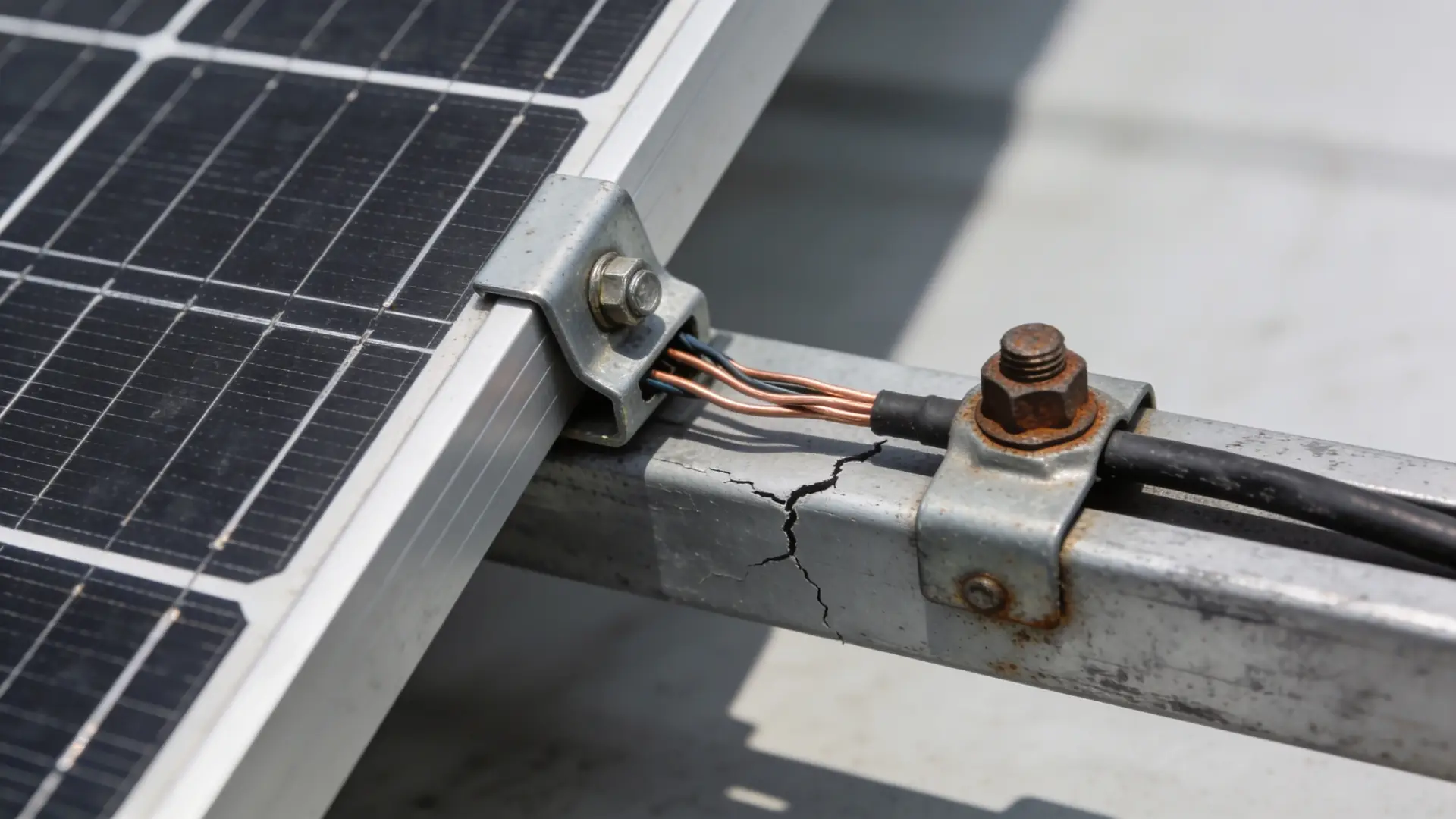
Learning from others’ experiences prevents expensive errors. These are the most frequent mistakes beginners make when setting up off-grid systems.
Undersizing Components
The most common error is undersizing batteries or panels to save money. A system that barely meets average needs fails during cloudy weeks or when you add new appliances. Build in 20-30% extra capacity as a buffer.
Many beginners also choose inverters too small for their peak loads. This creates frustrating situations where simultaneous appliance use triggers shutdowns. Plan for realistic simultaneous power demands, not just average use.
Ignoring System Maintenance
Off-grid systems aren’t fire-and-forget installations. Batteries need monitoring; charge controllers need firmware updates; panels need occasional cleaning. Neglecting maintenance reduces lifespan and efficiency.
Regular inspections catch problems early. Check battery terminals for corrosion, monitor water levels (if using flooded lead-acid), and track system performance trends. Read 15 off-grid living mistakes beginners make for more detailed guidance on avoiding these pitfalls.
Underestimating Energy Consumption
People consistently underestimate how much electricity they use. Electric heating, cooling, and water heating dominate consumption. If you’re electrifying systems previously powered by propane or natural gas, account for the increased electrical demand.
Start with modest expectations and allow room for adjustment. Track actual consumption carefully and adjust behavior or system capacity based on real data.
Poor Planning for Seasonal Variation
Solar production varies dramatically between seasons. Winter often brings 50-75% less production than summer. Systems sized only for average production fail in winter.
Design for worst-case scenarios, or plan a backup power source like a generator for seasonal shortfalls. Acknowledge that off-grid living requires accepting some seasonal limitations unless you invest substantially in battery storage.
Proper planning from the start makes off-grid living truly sustainable. Take time to understand your specific location’s conditions, honestly assess your energy needs, and size your system generously. This foundation sets you up for years of reliable, independent power. For a comprehensive overview of the full transition, explore off-grid living for beginners to understand the broader context beyond just solar power.
Before you purchase components, create a detailed inventory of your actual electricity usage over a full year, accounting for seasonal peaks. This single step—spending a few weeks with a kill-a-watt meter or detailed billing analysis—will reveal whether you’re realistic about your needs. Most people who skip this step end up either with an oversized, expensive system or an undersized one that fails to deliver independence. Use your location’s historical weather data to size for winter solar production, not average annual production. If your region experiences extended cloudy periods, invest in a quality backup generator rather than trying to bank enough batteries for worst-case scenarios—it’s almost always more cost-effective.
Frequently Asked Questions
How much does an off-grid solar system cost?
Off-grid solar system costs typically range from $15,000 to $60,000+ depending on system size, battery type, and installation complexity. Smaller systems for modest homes might cost $15,000-$25,000, while larger systems with lithium batteries can exceed $50,000. Battery storage represents the largest expense, often consuming 40-60% of total cost. Installation costs vary by location and whether you hire professionals. Check detailed cost breakdown information for more specific pricing based on system specifications.
Can I install an off-grid solar system myself?
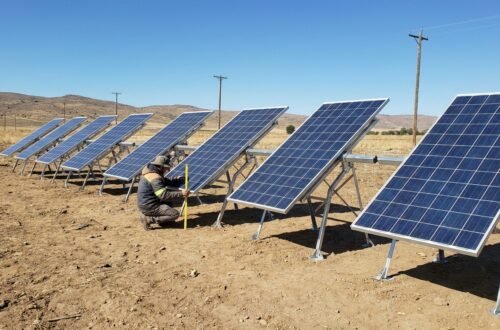
Many beginner-friendly components can be installed by homeowners, including mounting panels and assembling battery banks. However, most jurisdictions require licensed electricians for final electrical connections and integration with your home’s main panel. Local electrical codes vary significantly, so verify requirements before starting. If you’re comfortable with basic electrical work, handling mechanical installation can save money, but always hire professionals for critical safety connections.
How many days can an off-grid system run without sun?
This depends on your battery capacity relative to daily consumption. Most residential systems are designed for 3-7 days of autonomy (running on stored battery power alone). Northern locations often require longer autonomy due to extended winter periods with minimal sun. Systems with smaller battery banks typically incorporate a backup generator for extended cloudy periods. Larger battery installations provide more days of independence but increase costs significantly.
What maintenance does an off-grid solar system require?
Off-grid systems require regular monitoring and basic maintenance. Battery terminals should be inspected monthly for corrosion, water levels checked if using flooded lead-acid batteries, and the entire system monitored for performance changes. Solar panels benefit from occasional cleaning to remove dust and debris, and charge controller firmware should be updated when available. Most lithium systems require minimal maintenance beyond monitoring. Establishing a maintenance schedule prevents unexpected failures and extends system lifespan.
Is off-grid living legal where I live?
Off-grid solar systems are legal in most jurisdictions, but some local codes require connection to municipal utilities or prohibit certain battery types. Zoning regulations, building permits, and electrical codes vary by location. Before installing any system, check with your local building department and review any applicable HOA restrictions. Some states actively encourage off-grid living while others maintain stricter utility connection requirements. See essential laws and zoning information for location-specific guidance.
Before you commit to an off-grid system, spend time talking with people in your region who’ve already made the switch. They’ll tell you what actually works in your climate, which components hold up to local conditions, and which mistakes cost them money. Check your local electrical codes, get written quotes from at least two installers, and verify that your planned system will genuinely provide the independence you’re seeking.


4 Comments on “Off-Grid Solar System Setup for Beginners (Complete Guide)”