
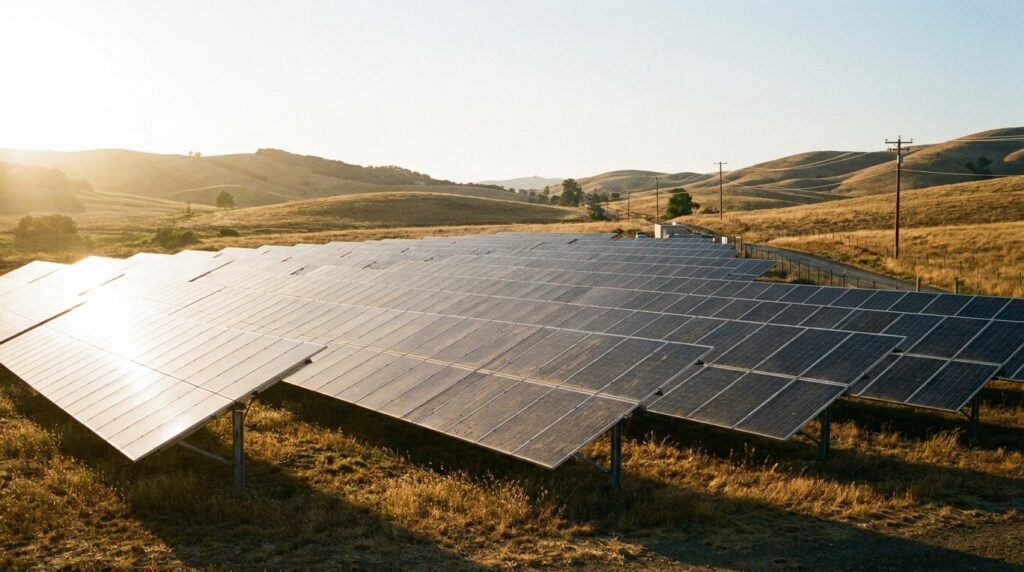
Yes, solar panels absolutely can power an entire house. It’s not just a futuristic dream; it’s happening for many homeowners right now. Whether you’re aiming to drastically cut your electricity bill, become more energy independent, or reduce your carbon footprint, solar can be a fantastic solution. The key isn’t whether it’s possible, but rather understanding what it takes to make it work for your specific home and energy needs.
Before you even think about solar panels, the first practical step is to get a clear picture of how much electricity your home actually uses. This isn’t just a vague idea; we’re talking numbers.
Table of Contents
Checking Your Electricity Bills
Your monthly electricity bills are your best friend here. Look for the “kWh” (kilowatt-hour) usage. Most bills will show your consumption for the current month and often for the past year.
- Average Daily Use: Divide your total annual kWh by 365 days. This gives you a good average of your daily consumption. For example, if you use 12,000 kWh per year, that’s roughly 32.8 kWh per day.
- Peak Usage: Notice if your usage fluctuates dramatically by season. Air conditioning in summer or heating in winter can significantly increase demand. This information helps in sizing your system to handle those peak times.
Conducting an Energy Audit
Beyond just looking at bills, an energy audit can pinpoint where your energy is going and suggest ways to reduce consumption before you even install solar.
- Professional Audit: An energy professional can use specialized equipment to identify drafts, insulation issues, and inefficient appliances. They’ll provide a detailed report and recommendations.
- DIY Audit: You can do a basic audit yourself. Walk around your house and look for obvious culprits: old incandescent bulbs, always-on electronics, leaky windows or doors, and inefficient appliances.
If you’re curious about the feasibility of using solar panels to power an entire house, you might find it helpful to explore related insights on solar energy systems. A great resource is the article titled “Never Run Out of Power: How Many Solar Panels?” which delves into the specifics of how many solar panels are typically required to meet a household’s energy needs. You can read it [here]. This article complements the discussion on whether solar panels can fully power a home by providing detailed calculations and considerations for homeowners looking to make the switch to renewable energy.
Sizing Your Solar System
Once you know your energy needs, you can start to figure out how many solar panels you’ll actually need. This isn’t a one-size-fits-all calculation.
Calculating Your Power Requirements
This involves translating your daily kWh usage into the amount of power your solar array needs to generate.
- Sunlight Hours: This is a crucial factor. Different regions receive different amounts of usable sunlight throughout the year. A location like Arizona will have more “peak sun hours” than, say, Seattle. Solar installers use sophisticated tools to determine this for your specific address. You could use this site to determine peak sun hours.
- System Oversizing: It’s often recommended to slightly “oversize” your system. This accounts for less-than-ideal weather days, seasonal variations, and the natural degradation of panel efficiency over time.
- Future Needs: Are you planning to get an electric vehicle? Install a hot tub? Have more kids? Consider how your energy needs might change in the next 5-10 years and factor that into your sizing.
Panel Efficiency and Degradation
Not all panels are created equal, and even the best ones will slowly lose efficiency.
- Efficiency Ratings: Modern solar panels typically range from 17% to over 22% efficiency. A higher efficiency panel can generate more power in a smaller footprint.
- Degradation Rate: Panels degrade by a small percentage (usually 0.5% to 1%) per year. Most manufacturers guarantee a certain power output (e.g., 80% of original capacity) after 20-25 years. This is why slightly oversizing your system can be a good idea.
Solar System Components Beyond the Panels
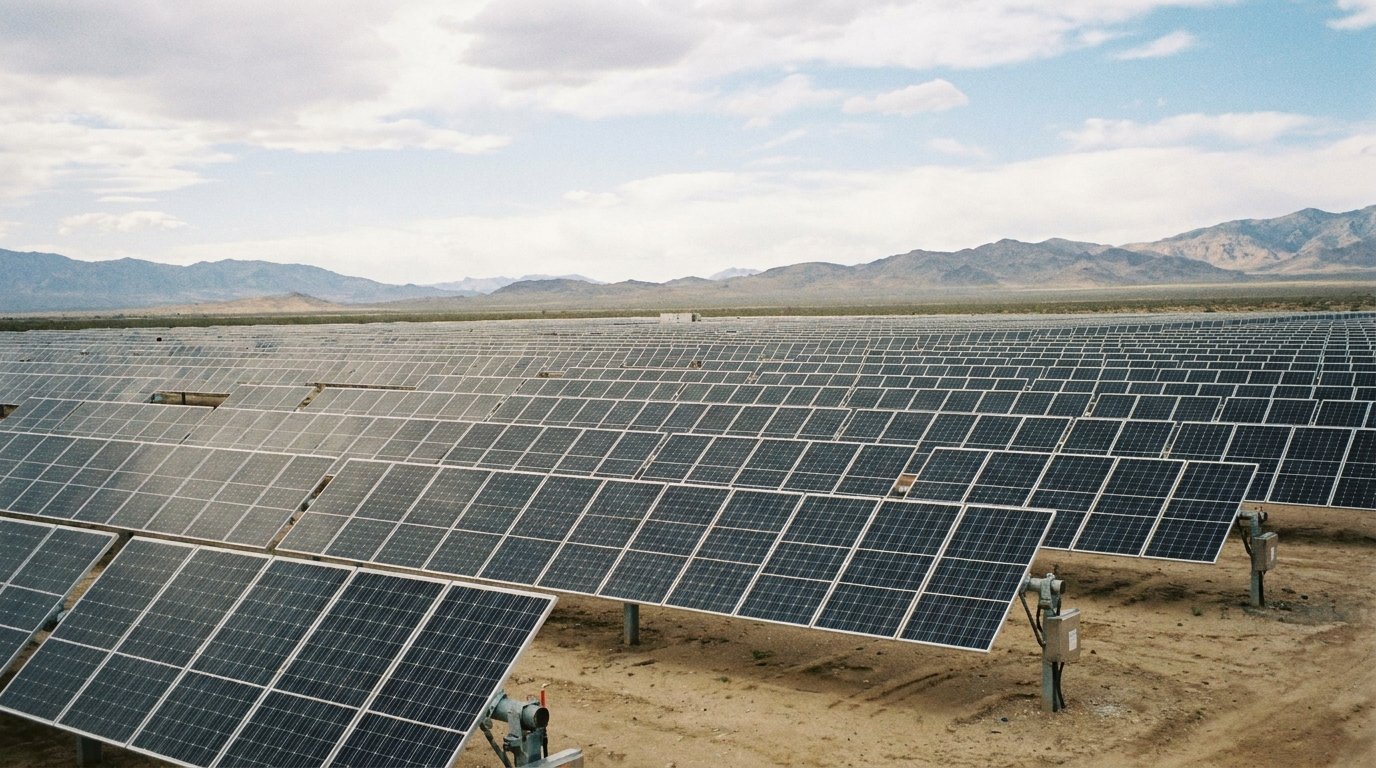
While the panels get all the glory, a complete solar system involves several other critical pieces of equipment that make it all work together.
Inverters: The Brains of the Operation
Solar panels produce direct current (DC) electricity, but your home appliances use alternating current (AC). Inverters convert DC to AC.
- String Inverters: These are common and connect a “string” of panels to a single inverter. If one panel in the string is shaded or underperforms, it can affect the output of the entire string.
- Microinverters: Installed under each individual panel, microinverters optimize the output of each panel independently. If one panel is shaded, the others continue to perform at their best. This often results in higher overall system efficiency, especially in complex roof layouts or areas with partial shading.
- Hybrid Inverters: These are designed to work with both solar panels and battery storage, seamlessly managing the flow of power.
Mounting Systems: Holding it All Together
Panels need to be securely attached to your roof or ground.
- Roof Mounts: The most common type. They need to be robust enough to withstand local wind and snow loads. The angle and orientation of your roof are critical for maximizing sun exposure.
- Ground Mounts: An option if your roof isn’t suitable or if you have ample yard space. Ground mounts can often be angled more precisely for optimal sun exposure throughout the year. They also make maintenance easier.
- Tracking Systems: Some ground-mounted systems can be equipped with trackers that move the panels to follow the sun throughout the day. While more expensive, they can significantly increase energy production.
Battery Storage: Energy Independence
While not strictly necessary to power your house with solar, batteries are a game-changer for energy independence and reliability.
- Storing Excess Energy: When your panels generate more electricity than your home is using, batteries store that surplus instead of sending it back to the grid (though net metering can also handle this).
- Power Outage Protection: This is a major benefit. When the grid goes down, your house can remain powered by your stored battery energy. Without batteries, most solar systems automatically shut off during an outage for safety reasons (to prevent backfeeding the grid when utility workers are trying to fix lines).
- Time-of-Use Optimization: If your utility has “time-of-use” rates where electricity is more expensive during peak hours, batteries allow you to discharge stored, cheaper solar energy during those high-cost periods, further reducing your bills.
Grid-Tied vs. Off-Grid Systems
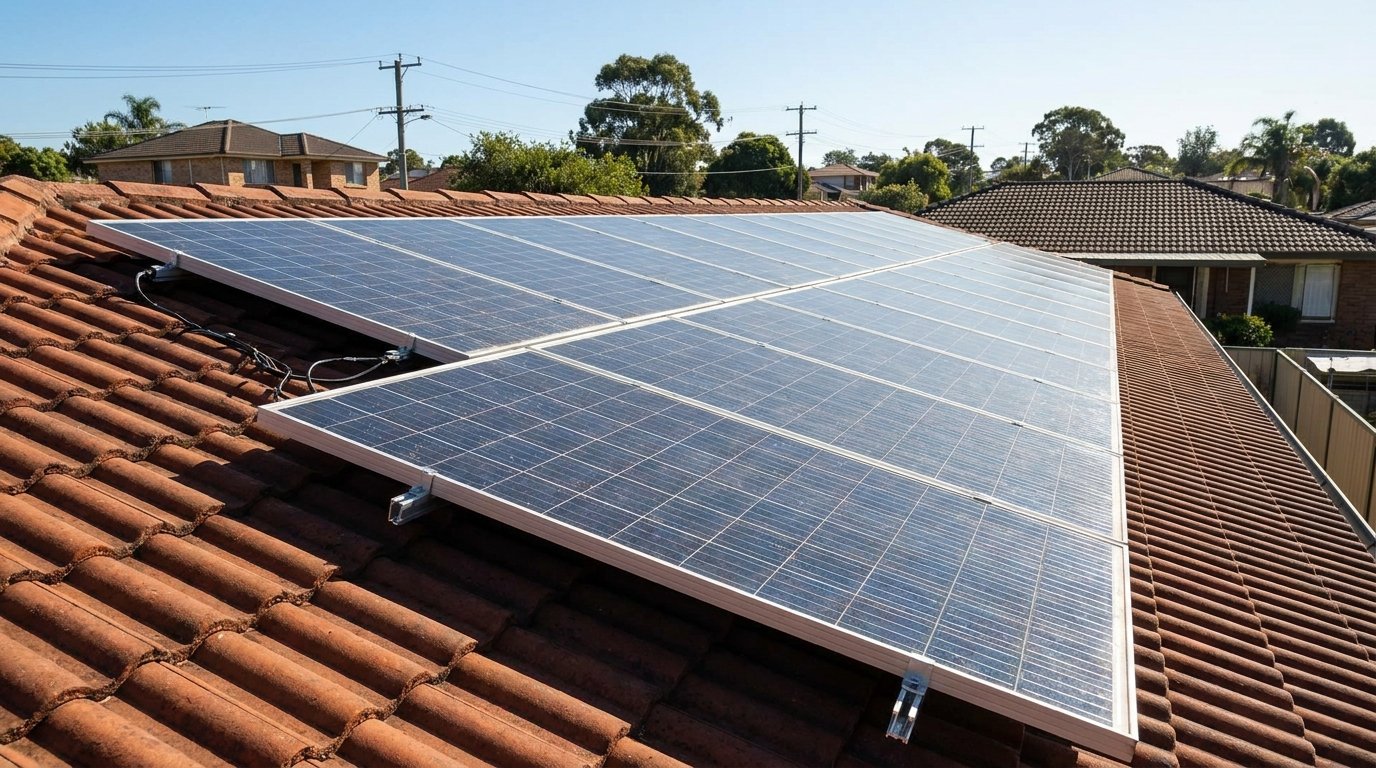
How your solar system interacts with the main electricity grid is a fundamental choice.
Grid-Tied Systems (with Net Metering)
This is by far the most common setup for homeowners.
- Connected to the Utility: Your home remains connected to your utility provider.
- Net Metering: When your solar panels produce more electricity than you’re using, the excess is sent back to the grid, and your utility credits your account. When you need more power than your panels are producing (e.g., at night or on cloudy days), you draw electricity from the grid. This effectively uses the grid as a giant battery.
- Benefits: Lower upfront cost (no batteries needed), reliable backup from the grid, and you still benefit from utility services.
- Drawbacks: You’re still reliant on the grid, meaning you lose power during outages unless you have battery backup.
Off-Grid Systems
This is for true energy independence, typically in remote locations where connecting to the grid is cost-prohibitive.
- No Grid Connection: Your home is completely disconnected from the utility grid.
- Requires Batteries: A substantial battery bank is absolutely essential to store power for nights and cloudy days. You’re responsible for generating 100% of your own electricity.
- Backup Generator: Many off-grid systems include a backup generator (propane, diesel) to kick in during extended periods of low sun or high demand, to top off batteries, or when repairs are needed.
- Benefits: Complete energy independence, no electricity bills from a utility, environmental benefits.
- Drawbacks: Higher upfront cost (due to batteries and often generators), requires careful energy management and monitoring, more complex maintenance.
If you’re curious about the potential of solar energy, you might find it interesting to explore how solar panels can not only power an entire house but also contribute to a sustainable lifestyle. A related article discusses the various factors that influence solar panel efficiency and installation costs, which can help you make informed decisions about your energy needs. For more insights, check out this informative piece on How to Size an Off-Grid Solar System.
Factors Affecting Solar Panel Performance
| Metrics | Value |
|---|---|
| Average household energy consumption | 10,649 kWh per year |
| Number of solar panels needed | 20-25 panels |
| Cost of solar panel installation | 15,000 – 25,000 |
| Energy production per panel | 250-400 kWh per month |
| Return on investment | 5-10 years |
Even with the best equipment, several environmental and structural factors can impact how much electricity your panels produce.
Sunlight Exposure
This is the biggest factor, naturally.
- Geographic Location: As mentioned, areas with more intense and consistent sunlight will yield more power.
- Shading: Trees, chimneys, neighboring buildings, or even just dirt on the panels can significantly reduce output. Even partial shading on one part of a string-inverter system can reduce the output of all panels in that string.
- Roof Angle and Orientation: In the Northern Hemisphere, south-facing roofs generally receive the most sun throughout the day. The ideal tilt angle usually matches your latitude, but installers will optimize for year-round production.
Weather Conditions
Sunshine isn’t the only weather consideration.
- Temperature: Surprisingly, very hot temperatures can slightly reduce panel efficiency (around 0.25% to 0.5% per degree Celsius above 25°C). Panels prefer cooler, sunny weather.
- Cloud Cover: Obviously, cloudy days reduce production. Heavy overcast conditions can reduce output to 10-25% of peak.
- Snow and Ice: Snow accumulation blocks sunlight entirely. While dark panels can melt snow faster than the surrounding roof, manual removal might be necessary in heavy snowfall areas. Ice can also be problematic.
Maintenance and Lifespan
Like any system, solar panels need some care to perform optimally.
- Cleaning: Dust, dirt, pollen, bird droppings, and leaves can accumulate on panels, reducing their efficiency. Occasional cleaning (often just rinsing with a hose) can help. In dry, dusty areas, this might be needed more frequently.
- Inspection: Periodically checking for loose wires, damaged panels, or inverter errors can catch problems early.
- Lifespan: Most solar panels come with performance warranties of 20-25 years, guaranteeing a certain percentage of their original output. The actual physical lifespan can be 30 years or more. Inverters typically have a shorter lifespan (10-15 years) and will likely need replacement at some point.
Is Solar Right for Your Home? Practical Considerations
Beyond the technical aspects, there are several real-world factors that determine if solar is a good fit for your specific situation.
Financial Aspects and Incentives
The cost of solar has come down dramatically, but it’s still a significant investment.
- Upfront Cost: This varies widely based on system size, panel efficiency, inverter type, and installation complexity.
- Federal Tax Credit (ITC): The U.S. federal solar tax credit (Investment Tax Credit) currently offers a 30% credit on the total cost of your solar system. This is a dollar-for-dollar reduction in your tax liability.
- State and Local Incentives: Many states, counties, and even cities offer additional rebates, grants, or property tax exemptions for solar installations. Research what’s available in your area.
- Net Metering Policies: As discussed, net metering allows you to sell excess electricity back to the grid. The terms of these policies vary by utility and state, and they can significantly impact your financial returns.
- Financing Options: You can purchase a system outright, take out a solar loan, or enter into a solar lease or Power Purchase Agreement (PPA). Each has its pros and cons regarding ownership, savings, and upfront costs.
Roof Condition and Structure
Your roof is the foundation for your solar array.
- Age and Condition: Solar panels last for decades. If your roof is old or needs repairs, it’s wise to address that before installing solar panels. Removing and reinstalling panels for a roof replacement can be costly.
- Structural Integrity: A qualified installer will assess your roof’s structural integrity to ensure it can safely support the weight of the panels and mounting hardware, especially in areas with heavy snow loads.
- Material: Most roof types (shingle, tile, metal) are suitable for solar, though some may require specialized mounting hardware.
Choosing a Reputable Installer
This is perhaps the most important decision you’ll make.
- Certifications: Look for installers with certifications like NABCEP (North American Board of Certified Energy Practitioners).
- References and Reviews: Check online reviews and ask for references from previous customers.
- Warranties: Understand the warranties offered for the panels, inverter, and workmanship.
- Multiple Quotes: Get quotes from at least three different installers to compare prices, equipment, and proposed system designs. Don’t just go for the cheapest; prioritize quality and a good reputation.
Ultimately, powering your entire home with solar panels is a very achievable goal. It requires a bit of research, understanding your own energy habits, and working with knowledgeable professionals. But for those looking to take control of their energy future, the benefits are clear.
FAQs
1. How much power can solar panels generate for a house?
Solar panels can generate enough power to meet the energy needs of an entire house, depending on the size of the solar panel system and the energy consumption of the household.
2. What factors determine if solar panels can power an entire house?
The factors that determine if solar panels can power an entire house include the size and efficiency of the solar panel system, the energy consumption of the household, the geographical location, and the amount of sunlight the area receives.
3. Can solar panels provide power during the night or on cloudy days?
Solar panels can store excess energy in batteries for use during the night or on cloudy days, ensuring a continuous power supply for the house.
4. Are there any government incentives for installing solar panels?
Many governments offer incentives such as tax credits, rebates, and net metering programs to encourage the installation of solar panels, making it more affordable for homeowners to power their houses with solar energy.
5. What are the environmental benefits of using solar panels to power a house?
Using solar panels to power a house reduces reliance on fossil fuels, decreases greenhouse gas emissions, and helps combat climate change, making it a more sustainable and environmentally friendly energy source.
Pingback: Berkey vs Reverse Osmosis: The Ultimate Guide to Safe, Reliable Water for Off-Grid Living