
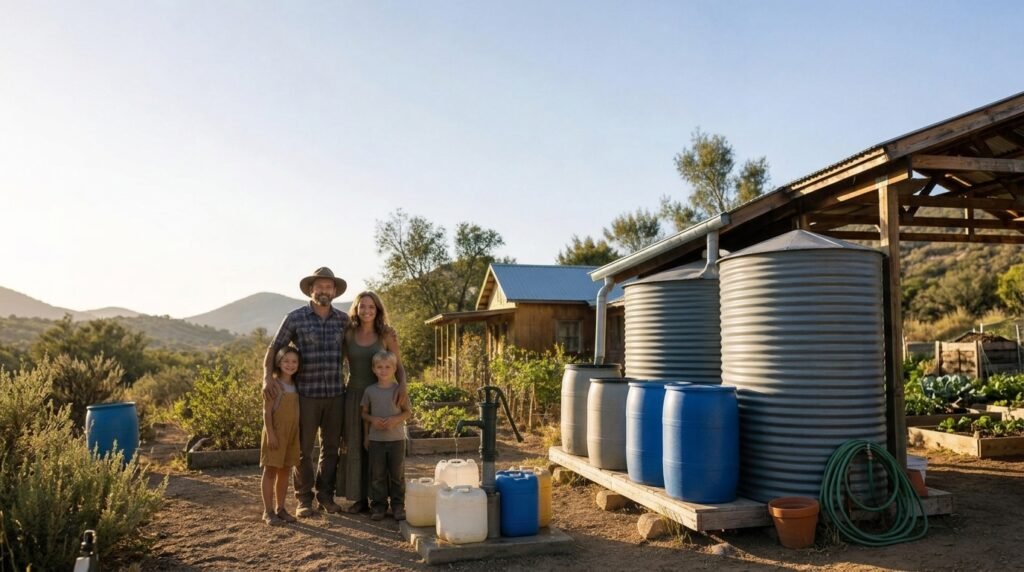
How much water does an off-grid family need? isn’t a one-size-fits-all number. It really boils down to how you plan to use water and how long you want your backup supply to last. You’ll find figures ranging from a very lean 5-10 gallons per person per day for super-conservation focused setups, all the way up to 50 gallons per person per day for a more comfortable, no-compromise approach. The key is to think about your actual habits and how much buffer you want to build into your system.
Table of Contents
Understanding Your Daily Water Needs
Figuring out your daily water usage is the first, and arguably most important, step in planning your off-grid water system. It’s not just about drinking; it’s about everything from flushing toilets to washing dishes and showering.
Lean Living: The Bare Minimum
If you’re aiming for extreme conservation, perhaps in a tiny home or a very minimalist setup, you might be surprised how little water you can get by with. We’re talking about 5–10 gallons per person per day. This usually means composting toilets, very short showers (or sponge baths), and highly efficient dishwashing methods. It’s doable, but it requires a conscious effort to minimize every drop. Think about it: a quick shower can easily use 2-3 gallons, so if you’re aiming for 5 gallons total, every other use needs to be carefully managed.
Moderate Off-Grid Use
For many off-grid families, a more realistic and comfortable baseline for indoor needs falls in the range of 20–35 gallons per person per day. This allows for things like flushing a low-flow toilet, regular (but still water-conscious) showering, and typical kitchen use without feeling overly restrictive. This is often the sweet spot for those who want to be off-grid but also maintain a reasonable level of modern convenience. It’s not about luxury, but about sustainable, comfortable living.
Comfortable, Frugal, or No-Compromise Use
When you start to factor in a bit more comfort, especially if you’re transitioning from a grid-tied home, your usage might creep up. A frugal but comfortable setup is often described as 20–30 gallons per person per day. This means you’re not showering every day for 20 minutes, but you’re also not meticulously measuring every cup of water for handwashing.
For those who truly want to feel like they’re not making significant compromises compared to a grid-tied home, planning for 50 gallons per person per day is a good benchmark. This allows for daily showers, laundry, and more typical kitchen activities without constant vigilance over water use. This higher estimate gives you more breathing room and reduces the stress of constant water rationing.
Family-of-Four Planning
Let’s put this into perspective for a typical family of four. For basic living with an emphasis on conservation, you might plan for roughly 40–80 gallons per day (10-20 gallons per person). If you lean towards that more comfortable, less restrictive 50 gallons per person estimate, you’re looking at a daily usage of 200–400 gallons. That’s a significant difference, and it directly impacts the size and complexity of your water collection and storage systems. It’s a choice between lifestyle and infrastructure investment.
In exploring the water needs of an off-grid family, it’s essential to consider the methods of water sourcing and management. A related article that delves into one such method is titled “Hand Pumps for Wells: Are They Worth It?” This article provides valuable insights into the practicality and efficiency of using hand pumps for accessing well water, which can be a crucial resource for families living off the grid. For more information, you can read the article here: Hand Pumps for Wells: Are They Worth It?.
Sizing Your Water Storage Backup
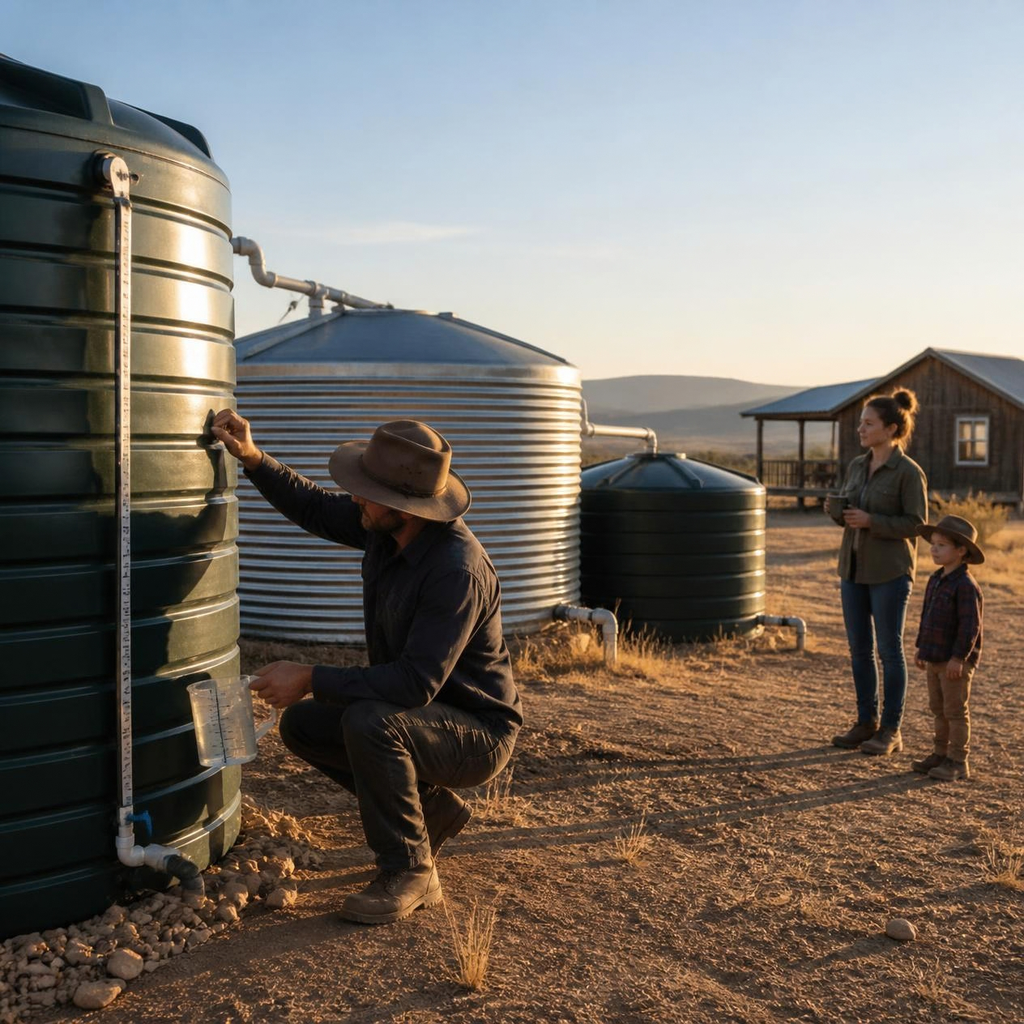
Once you have a handle on your daily usage, the next big question is: how much water should you actually store? This isn’t just about what you use day-to-day, but about having a buffer for unexpected dry spells, system failures, or emergencies.
Recommended Storage Duration
Many guides now suggest aiming for at least 1 to 2 weeks of clean water storage. This gives you a decent safety net. However, some off-grid systems are designed for even greater autonomy, targeting 30 days of backup. The longer your desired autonomy, the larger your storage tanks will need to be. Think about your local climate: if you live somewhere with unpredictable rainfall or long dry seasons, a longer buffer is just good common sense.
Backup Sizing Examples
Let’s illustrate with a concrete example. Imagine a family of four, planning for a comfortable 50 gallons per person per day. If you want a two-week reserve, you’d calculate it like this:
- Daily family use: 4 people * 50 gallons/person = 200 gallons/day
- Two-week reserve: 200 gallons/day * 14 days = 2,800 gallons of storage
That’s a substantial amount of water, requiring multiple large tanks or a very big single tank. It’s important to consider not just the volume but also the footprint of such storage.
Rainwater-Specific Storage Considerations
If rainwater harvesting is your primary source, you need to be particularly cautious about storage. A good rule of thumb for rainwater reliance is to have at least 1–2 months of storage capacity. Why so much? Because dry spells can come out of nowhere and last longer than you’d expect, severely interrupting your supply. If you’re building a new home, this storage capacity needs to be factored into the design from the very beginning. It’s far easier and cheaper to install large tanks during construction than to retrofit them later.
Exploring Your Off-Grid Water Sources
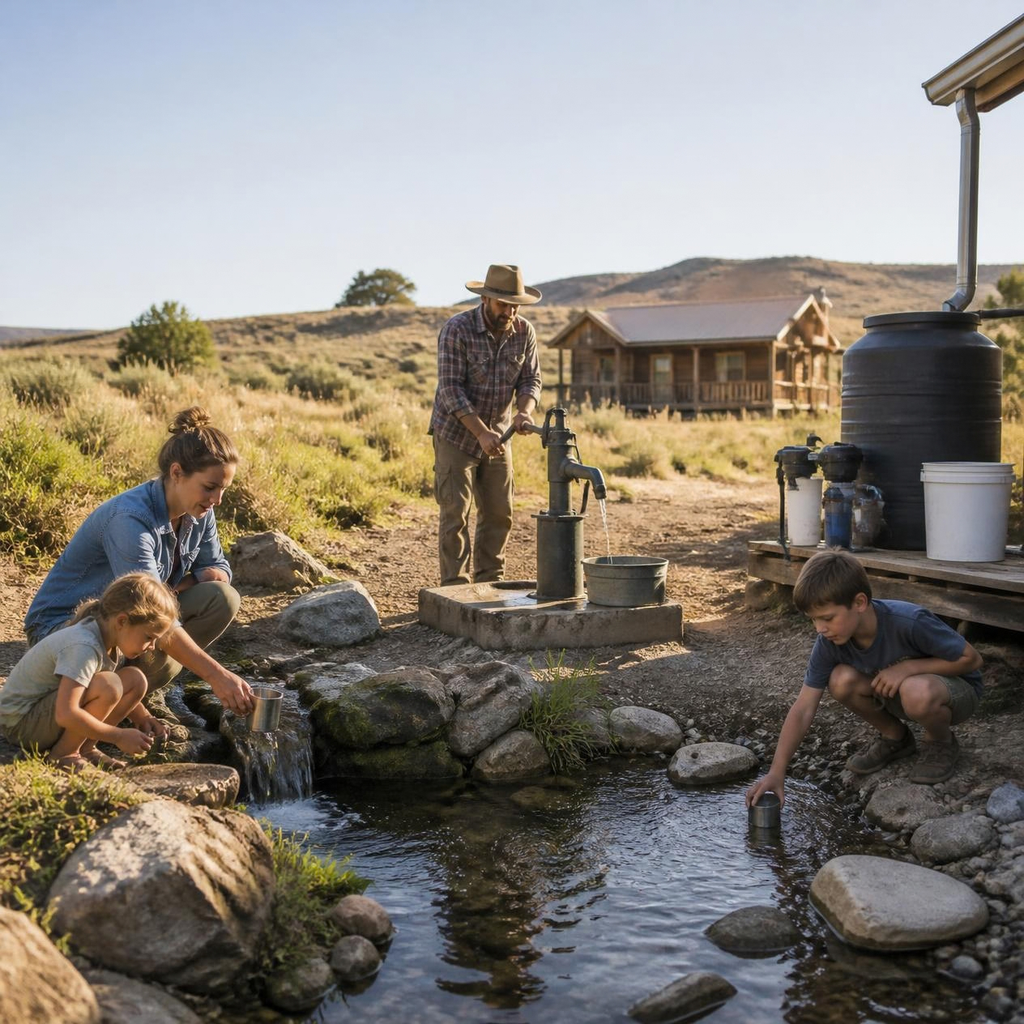
Your choice of water source is foundational to your off-grid water independence. Each option comes with its own set of advantages, challenges, and maintenance requirements.
Private Wells: A Reliable Staple
For many off-gridders, a private well remains the gold standard for a reliable primary water source. A well taps into groundwater, which is often a consistent supply, less subject to the immediate whims of weather than rainwater.
Advantages of Wells
- Consistency: Once drilled and established, a well can provide a steady supply of water year-round, regardless of rainfall patterns.
- Quantity: Depending on the aquifer, a well can often provide ample water for higher usage rates, including irrigation for gardens or livestock.
- Temperature Stability: Groundwater tends to be at a more consistent cool temperature, which can be a plus in warmer climates.
Challenges of Wells
- Initial Cost: Drilling a well is a significant upfront investment, often costing thousands to tens of thousands of dollars, depending on depth and geological conditions.
- Energy Consumption: Pumping water from a well typically requires electricity, so you’ll need to integrate a robust solar or wind power system to operate your pump. Sizing this correctly is crucial to avoid running out of water during cloudy or calm periods.
- Maintenance: Wells require occasional maintenance, including pump checks, pressure tank adjustments, and potential sediment removal.
- Water Quality: While often considered cleaner than surface water, well water can still contain contaminants. Regular testing is essential, and filtration might be needed for drinking water.
- Permitting: Depending on your location, drilling a well will likely require permits and adherence to local regulations.
Rainwater Harvesting: A Sustainable Option
Collecting rainwater is a time-honored method of obtaining water, and it’s a fantastic sustainable option, especially as a backup or supplemental source.
Advantages of Rainwater
- Free Supply: Once your collection system is in place, the “fuel” (rain) is free.
- Soft Water: Rainwater is naturally soft, meaning fewer mineral deposits in your plumbing and appliances, and less soap needed for cleaning.
- Independence: It further reduces reliance on external sources or infrastructure.
- Eco-Friendly: It reduces stormwater runoff and conserves groundwater resources.
Challenges of Rainwater
- Inconsistent Supply: Rainfall is inherently unpredictable. You need ample storage to bridge dry periods. This is where the recommendation for 1-2 months of storage comes into play.
- Collection Surface Quality: The quality of your roof or collection surface directly impacts water quality. You’ll want to ensure it’s clean, non-toxic (e.g., avoid asphalt shingles that can leach petroleum products), and regularly maintained.
- Contamination Risks: Rainwater can pick up dust, leaves, bird droppings, and other airborne pollutants. A “first flush” diverter is highly recommended to discard the initial, dirtiest runoff. Filtration and purification are essential for potable use.
- System Sizing: You need enough roof area and enough storage capacity to meet your demands, which can be a challenge in drier climates or for larger households.
- Mosquitoes: Stored rainwater can become a breeding ground for mosquitoes if not properly sealed or treated.
Other Supplemental Sources and Systems
Beyond wells and rainwater, other options often serve as backups or specialized components of a larger water system.
Cisterns
Cisterns are simply large storage tanks. They are integral to rainwater harvesting systems, but they can also be used to store water delivered by truck or to hold filtered well water. They are your primary buffer against supply fluctuations.
Filtration and Purification
No matter your source, filtration and purification are non-negotiable for drinking and cooking water. This can range from simple sediment filters to UV purifiers, activated carbon filters, or even reverse osmosis systems. The level of filtration depends entirely on your raw water quality and intended use.
Greywater Systems
These systems reuse water from sinks, showers, and laundry (non-toilet wastewater) for non-potable uses like irrigation. This dramatically reduces your overall demand for fresh water, making your existing supply go much further. It’s a great way to close the loop on water usage and achieve true sustainability.
Blackwater Treatment
For toilet water (blackwater), composting toilets are a popular off-grid solution, eliminating the need for flush water and traditional septic systems. Alternatively, a properly designed and permitted septic system will handle blackwater, but it adds to your water demand.
Ensuring Water Quality and Safety
Having enough water is one thing; making sure it’s safe to drink and use is another critical layer of off-grid planning. Don’t skip this step – your health depends on it.
The Importance of Regular Testing
This is where many off-gridders sometimes fall short. It’s easy to assume your well water or rainwater is clean, but unseen contaminants can be present. Regular testing is absolutely crucial. This isn’t a one-time thing; it should be done periodically, especially if you notice changes in water taste, smell, or appearance, or after heavy rain events for rainwater systems.
What to Test For
Recent guidance emphasizes testing for a range of potentially harmful contaminants. This includes:
- Arsenic: A naturally occurring contaminant in some groundwater, highly toxic.
- Nitrates: Can be from agricultural runoff or septic systems, particularly dangerous for infants.
- PFAS (Per- and Polyfluoroalkyl Substances): “Forever chemicals” that are widespread environmental pollutants from various industrial and consumer products.
- Lead: Often from old plumbing, but can also be naturally present.
- Heavy Metals: Other metals like mercury, cadmium, or chromium, which can be toxic.
- Bacteria and Viruses: Especially important for surface water or rainwater, but can also be found in wells. Coliform bacteria are common indicators.
Your local health department or a certified lab can provide testing kits and guidance on what contaminants are common in your region. They can also recommend the frequency of testing.
Filtration and Purification Strategies
Once you know what’s in your water, you can design an effective filtration and purification system.
Multi-Stage Filtration
Most robust off-grid systems use multiple stages. This often starts with a sediment filter to remove physical particles, followed by activated carbon filters to remove chlorine, organic compounds, and improve taste and odor.
UV Sterilization
For bacterial and viral contaminants, a UV (ultraviolet) light purification system is highly effective. As water passes through, the UV light neutralizes microorganisms. This is a common and reliable method, especially for rainwater or surface water sources.
Reverse Osmosis (RO)
For removing a very wide range of contaminants, including dissolved solids, heavy metals, nitrates, and even PFAS, a reverse osmosis system is a powerful option. RO systems typically produce very clean water, but they do waste some water in the process, which is an important consideration for off-grid living. Often, RO is used only for drinking and cooking water, while other water is filtered to a lower standard for general use.
Chemical Disinfection
While less common for primary off-grid systems, chemical disinfection (like chlorine bleach) can be used for emergency situations or to sanitize storage tanks. However, long-term reliance on chemicals can impact water taste and may not be suitable for all contaminants.
System Maintenance for Safety
Even the best filtration system needs regular maintenance.
- Filter Replacement: Follow manufacturer recommendations for changing sediment and carbon filters. Clogged filters are ineffective filters.
- UV Lamp Replacement: UV lamps have a finite lifespan and need to be replaced periodically (typically annually) to maintain their effectiveness.
- Tank Cleaning: Rainwater tanks, in particular, should be inspected and cleaned periodically to remove sediment buildup and prevent algal growth.
- Plumbing Integrity: Regularly check your plumbing for leaks or potential contamination points.
When considering the water needs of an off-grid family, it’s also important to evaluate their energy requirements, as both water and energy are crucial for sustainable living. For those interested in optimizing their off-grid lifestyle, you might find the article on off-grid solar systems particularly useful, as it discusses various options that can complement water conservation strategies and enhance overall efficiency. Understanding how to balance these resources can lead to a more harmonious and self-sufficient living environment.
Lifestyle and Conservation Practices
How Much Water Does an Off-Grid Family Need
| Water Usage Category | Average Daily Usage per Person (Gallons) | Notes |
|---|---|---|
| Drinking | 0.5 – 1 | Depends on climate and activity level |
| Cooking | 1 – 2 | Includes food preparation and cleaning |
| Personal Hygiene | 2 – 5 | Includes bathing, brushing teeth, etc. |
| Laundry | 5 – 10 | Varies with frequency and washing method |
| Cleaning (dishes, house) | 2 – 4 | Includes dishwashing and general cleaning |
| Gardening/Irrigation | Varies | Depends on garden size and plant types |
| Total Estimated Daily Usage per Person | 10 – 22 | Typical range for off-grid living |
| Family of 4 Estimated Daily Usage | 40 – 88 | Multiply per person usage by 4 |
Your daily habits and the design of your home play an enormous role in how much water you actually need. Conservation isn’t just a good idea off-grid; it’s often a necessity.
Water-Saving Fixtures and Appliances
This is one of the easiest ways to dramatically reduce your water consumption.
- Low-Flow Showerheads: Modern low-flow showerheads can use as little as 1.5-2 gallons per minute (GPM), compared to 5 GPM or more for older models. This is a huge saving over time.
- Composting or Low-Flush Toilets: Composting toilets eliminate the need for flush water entirely. Low-flush toilets, often using 1.28 gallons per flush or less, are a significant upgrade from older models that used 3.5-7 gallons per flush.
- Efficient Washing Machines: High-efficiency (HE) washing machines use considerably less water than traditional agitator models. Look for machines designed for minimal water use.
- Aerators on Faucets: These small devices mix air with water, reducing flow without sacrificing pressure, making handwashing or dish rinsing more efficient.
Conscious Daily Habits
Beyond the fixtures, how you use water day-to-day makes a massive difference.
- Shorter Showers: This is probably the biggest single water saver. Get in, get wet, turn off the water to soap up, turn it back on to rinse.
- Turn Off Taps: Don’t let water run while brushing teeth, shaving, or scrubbing dishes.
- Full Loads: Only run your dishwasher or washing machine when you have a full load.
- Efficient Dishwashing: Consider a two-basin system for washing dishes – one for soapy water, one for rinse water – rather than letting the tap run.
- Reuse Water: Collect water from rinsing vegetables or waiting for the shower to warm up and use it for watering plants.
- Greywater Recycling: As mentioned earlier, directing greywater from sinks and showers to your garden is a fantastic way to minimize fresh water demand for irrigation.
Landscaping and Outdoor Use
Outdoor water use can quickly dwarf indoor consumption, especially for gardening.
- Drought-Tolerant Landscaping (Xeriscaping): Choose plants native to your region or those that require minimal water.
- Drip Irrigation: This delivers water directly to the plant roots, minimizing evaporation and runoff compared to sprinklers.
- Mulch: A thick layer of mulch around plants helps retain soil moisture, reducing the need for frequent watering.
- Rainwater for Gardens: If your rainwater collection is robust enough, prioritize using it for outdoor irrigation.
- Avoid Watering During Heat of Day: Water in the early morning or late evening to reduce evaporation.
By thoughtfully implementing these conservation strategies, you can significantly reduce your estimated daily water needs, thereby lowering the initial investment in your water system and increasing your overall water security. It’s a holistic approach, where technology meets mindful living.
FAQs
1. How much water does an off-grid family typically need per day?
An off-grid family typically needs about 13-20 gallons of water per person per day for drinking, cooking, cleaning, and hygiene purposes.
2. What are some ways an off-grid family can conserve water?
An off-grid family can conserve water by fixing leaks, using low-flow fixtures, taking shorter showers, collecting rainwater, reusing greywater, and being mindful of water usage.
3. How can an off-grid family ensure their water is safe to drink?
An off-grid family can ensure their water is safe to drink by regularly testing it for contaminants, using a water filtration system, boiling water before consumption, and properly maintaining their water storage tanks.
4. What are some alternative sources of water for off-grid families?
Some alternative sources of water for off-grid families include rainwater harvesting, well water, spring water, and hauling water from a nearby source.
5. How can an off-grid family calculate their specific water needs?
An off-grid family can calculate their specific water needs by considering the number of people in the household, daily water usage habits, climate conditions, water storage capacity, and any additional water needs for gardening or livestock.