
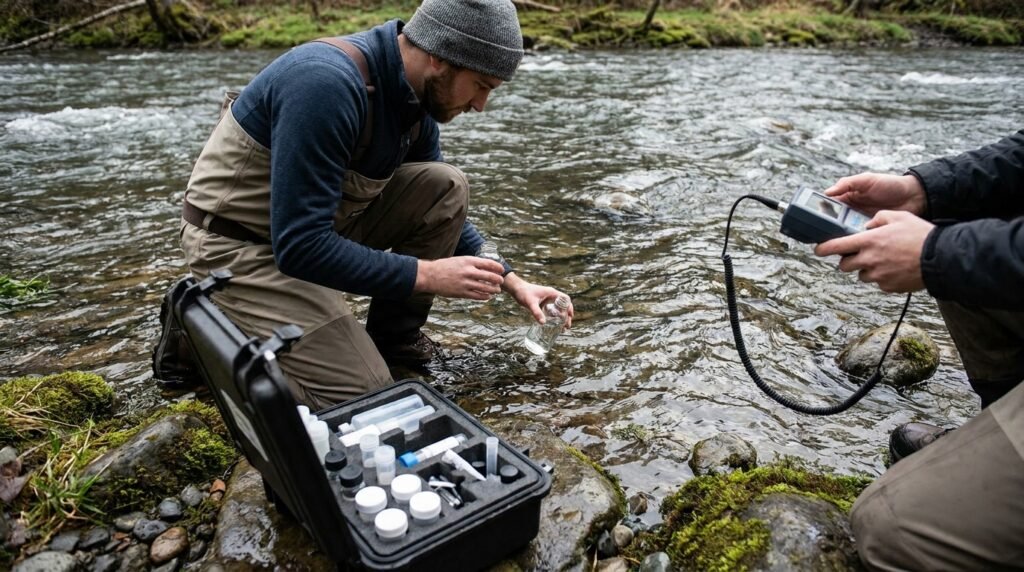
Water testing for off-grid homes might not be the most exciting part of living off-grid, but it’s absolutely crucial for your health and peace of mind. If you’re relying on a private well, a rainwater harvesting system, or any other non-municipal water source, knowing what’s in your water is a top priority. Think of it like getting regular check-ups for your home’s water supply.
The short answer is: you should be testing your water regularly, and the specific tests and frequency depend on your water source and potential local risks. For most off-grid homes, a baseline annual test for common contaminants like bacteria, nitrates, and basic water chemistry is essential. However, it’s also wise to test more frequently or for specific issues when certain events occur or if you suspect problems.
Table of Contents
Understanding Your Off-Grid Water Sources
When you’re off the grid, your water likely comes from a private well or a rainwater collection system. Each has its own unique set of potential contaminants and requires a slightly different approach to testing. It’s not just about taste or hardness; unseen bacteria, dissolved minerals, and even chemical pollutants can pose serious health risks.
Private Wells: A Direct Connection to the Earth
Private wells draw water from underground aquifers. While this can be a great source of clean water, it also means your water is directly exposed to whatever is happening in the ground around it. Surface water can seep into the ground, carrying contaminants from agricultural runoff, septic systems, or even industrial spills.
Rainwater Harvesting: Nature’s Collection, Man’s Responsibility
Rainwater harvesting systems collect precipitation directly from your roof. While rain itself is pure, it picks up contaminants from the air and the surfaces it touches before it reaches your storage tanks. Things like bird droppings, dust, and atmospheric pollutants can all end up in your water.
For off-grid homeowners, ensuring a safe and reliable water supply is crucial, and understanding the importance of water testing is just one aspect of sustainable living. In addition to water quality, those living off the grid may also be interested in food preservation methods that complement their lifestyle. A related article that explores innovative solutions for food storage is available at Root Cellar Alternatives, which discusses various techniques to keep food fresh without relying on traditional refrigeration.
What to Test For: The Essential Checklist
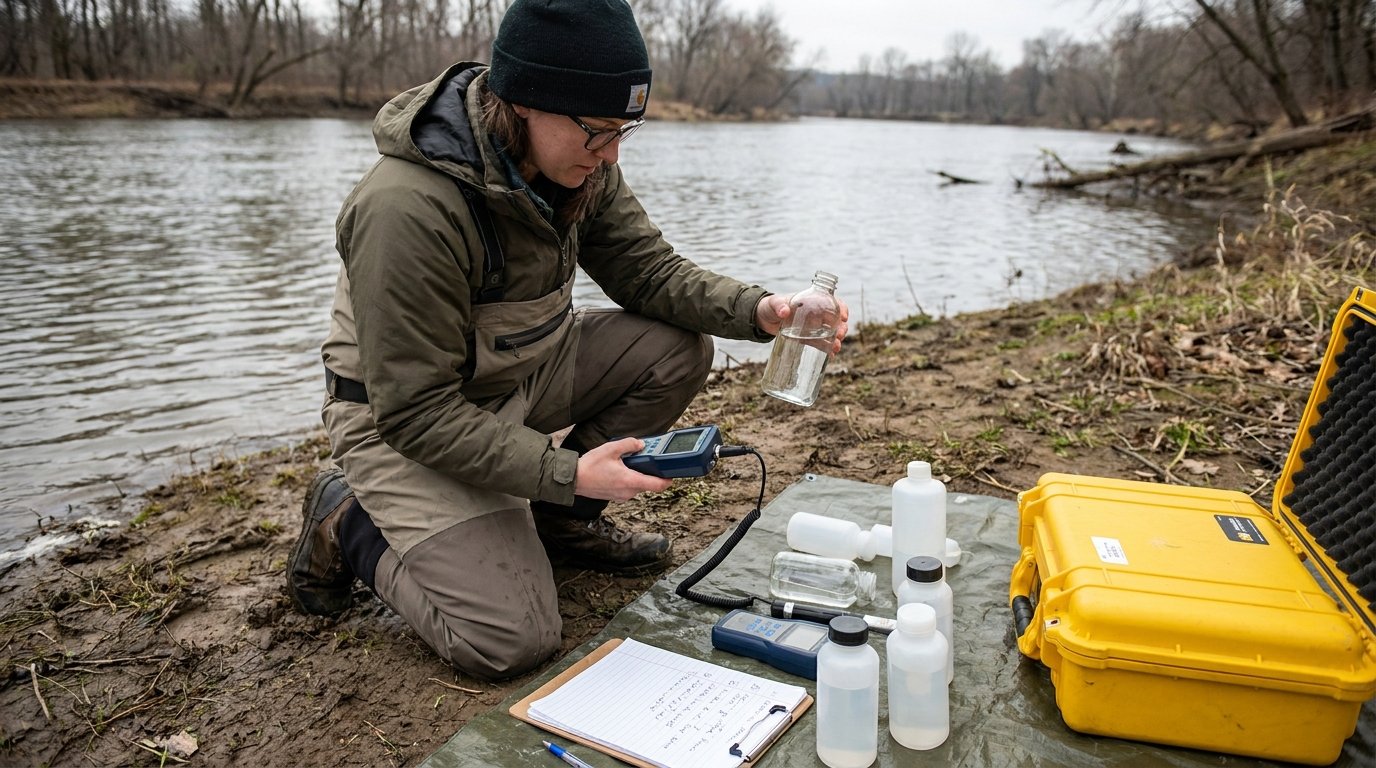
It’s easy to get overwhelmed by the sheer number of potential water contaminants. However, focusing on the most common and critical ones will give you the most bang for your buck when it comes to testing. The experts, like the EPA and CDC, have clear recommendations.
The Annual Baseline: What Every Off-Gridder Needs
Regardless of your water source, there are core tests you should be performing at least once a year. These cover the most immediate health threats.
Bacteria: The Invisible Invaders
Coliform bacteria, and especially E. coli, are the most critical to test for annually. These are indicators that fecal contamination may be present, which can mean harmful pathogens are also in your water. While they don’t always make you sick themselves, their presence is a serious warning sign. For rainwater systems, this is particularly important as bird droppings are a common source of contamination.
Nitrate and Nitrite: Agricultural and Septic Concerns
Nitrates and nitrites can leach into groundwater from fertilizers used in agriculture and from septic system failures. High levels are particularly dangerous for infants, potentially causing methemoglobinemia, or “blue baby syndrome.” Annual testing is a standard recommendation for wells.
pH: Water Chemistry Basics
pH measures how acidic or alkaline your water is. It affects the taste, can cause corrosion in your plumbing, and influences how other contaminants behave in the water. Most drinking water is ideally between 6.5 and 8.5.
Total Dissolved Solids (TDS): A General Indicator
TDS is a measure of all the inorganic and organic substances dissolved in your water. While not always a direct health threat, high TDS can affect taste and indicate the presence of other dissolved minerals or contaminants. It’s often included in basic water testing panels.
Expanding Your Testing: When to Go Deeper
While the annual baseline is vital, there are situations and specific contaminants that warrant broader testing.
Lead: A Persistent Danger
Lead is a serious neurotoxin, especially harmful to children. It often leaches into water from old lead pipes, solder, or fixtures in your home’s plumbing or even the well casing itself. Even if your water source is clean, your home’s plumbing can contaminate it. Testing for lead is becoming increasingly recommended for all water sources, especially in older homes.
Arsenic: Naturally Occurring and Dangerous
Arsenic is a naturally occurring element that can be found in groundwater. It’s a known carcinogen and can cause a range of health problems with long-term exposure. If your well is in an area known for arsenic contamination, this should be a regular test.
Heavy Metals: Beyond Lead and Arsenic
Depending on your local geology and any industrial activity nearby, other heavy metals like copper, iron, or manganese could be present. While some are essential in trace amounts, others can cause health issues or simply affect the taste and appearance of your water.
Volatile Organic Compounds (VOCs): Chemical Contaminants
VOCs are chemicals that can evaporate easily and often come from sources like pesticides, industrial solvents, or gasoline. If you live near agricultural areas, industrial sites, or underground storage tanks, testing for VOCs might be advisable.
PFAS: The “Forever Chemicals”
Per- and polyfluoroalkyl substances (PFAS) are a group of synthetic chemicals found in many consumer products and industrial processes. They don’t break down easily in the environment and have been linked to various health problems. Due to growing concern, many states are starting to offer free PFAS testing for well owners, and it’s worth investigating if this is an option for you.
Choosing the Right Testing Method: Accuracy Matters
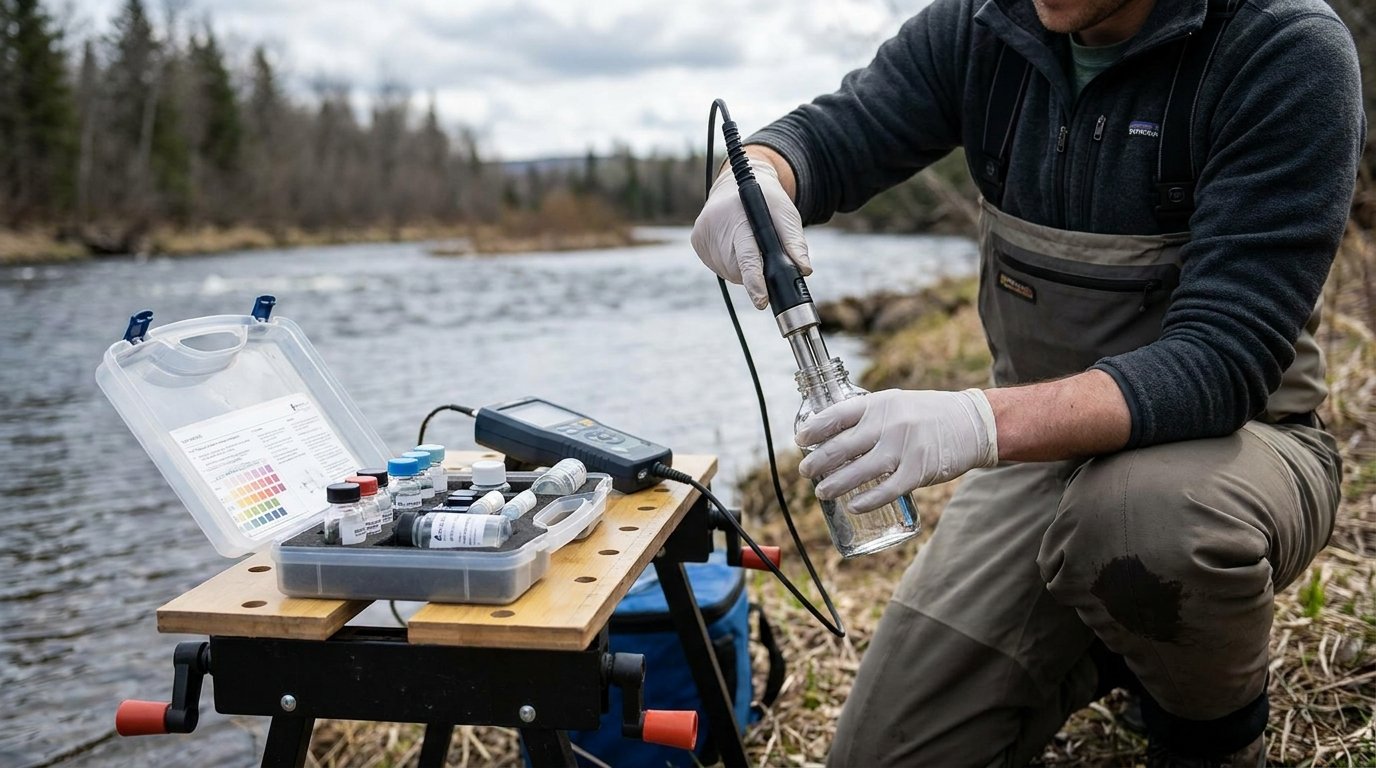
When it comes to water testing, not all methods are created equal. While the convenience of DIY kits is appealing, they often fall short when it comes to accuracy and reliability.
Certified Lab Testing: The Gold Standard
The most reliable way to get accurate results is to send your water sample to a state-certified drinking-water laboratory. These labs use standardized methods and equipment to ensure the results are precise. The EPA, USGS, and CDC all strongly recommend using certified labs for critical health-related testing.
DIY Test Strips: A Preliminary Check, Not a Final Answer
Home water testing kits or strips can be useful for quick, preliminary checks. They can sometimes indicate a problem or give you a general idea of water quality. However, they are often less sensitive and accurate than lab tests, and their results can vary significantly. If a DIY test shows a potential issue, it’s always best to confirm it with a certified lab. Think of them as a “heads-up” rather than a definitive diagnosis.
When to Test: Beyond the Annual Routine
While annual testing is the cornerstone of off-grid water management, certain situations demand more immediate attention.
New Source or System Installation: A Fresh Start
When you first drill a new well, install a new rainwater harvesting system, or significantly modify an existing one, it’s imperative to test the water. This establishes a baseline for that specific source and ensures it’s safe for immediate use.
Post-Event Testing: Reacting to Changes
Significant environmental events can impact your water quality.
Flooding and Extreme Weather
Heavy rainfall or flooding can overwhelm your well’s protective casing or flush contaminants from the surface into your water source. Testing after such events is crucial, especially if your wellhead is near floodwaters.
Construction and Land Disturbances
Nearby construction, excavation, or land clearing can disturb the soil and potentially introduce sediment or contaminants into your groundwater. It’s wise to test after such activities, especially if they occur close to your well.
Changes in Water Quality: Trust Your Senses
Don’t ignore changes in your water. If you notice any of the following, it’s time to test:
- New or unusual taste: A metallic, salty, or chemical taste can indicate dissolved minerals or contaminants.
- Strange odors: Sulfur (rotten egg) smells can indicate hydrogen sulfide gas, while a musty or earthy smell might suggest the presence of organic matter or certain bacteria.
- Cloudiness or discoloration: Turbidity (cloudiness) can be caused by suspended particles, sediment, or microorganisms. Reddish-brown or yellowish water might indicate iron or manganese.
- Changes in water pressure or flow: While not always directly related to water quality, significant changes can sometimes be an early indicator of issues with the well itself.
When considering water testing for off-grid homes, it’s essential to also evaluate the energy needs of your setup. Understanding how many batteries you require for your solar system can significantly impact your overall efficiency and sustainability. For more insights on this topic, you can read a related article that discusses the necessary battery calculations for off-grid solar systems. This information can help you create a well-rounded approach to living off the grid. To explore this further, check out the article on how many batteries you need for off-grid solar.
Practical Steps and Cost Considerations
| Test Type | Parameter | Recommended Frequency | Acceptable Range | Purpose |
|---|---|---|---|---|
| Physical | pH Level | Monthly | 6.5 – 8.5 | Check water acidity/alkalinity |
| Chemical | Nitrate | Quarterly | < 10 mg/L | Detect agricultural runoff contamination |
| Chemical | Chlorine | Monthly | 0.2 – 4.0 mg/L | Ensure disinfection levels |
| Biological | Coliform Bacteria | Monthly | 0 CFU/100 mL | Detect bacterial contamination |
| Physical | Turbidity | Monthly | < 1 NTU | Measure water clarity |
| Chemical | Lead | Annually | < 0.015 mg/L | Check for heavy metal contamination |
| Chemical | Iron | Annually | < 0.3 mg/L | Detect metallic taste and staining |
Getting your water tested doesn’t have to be a complicated or prohibitively expensive process. With a little planning, you can ensure you’re regularly monitoring your water quality.
Finding a Certified Lab: Where to Look
Your state’s Department of Health or Environmental Protection Agency website is usually the best place to start. They often maintain lists of accredited laboratories in your region. You can also ask local well drillers or plumbing professionals for recommendations.
Mail-In Testing Kits: Convenience and Comprehensiveness
Many certified labs offer convenient mail-in testing kits. You collect the sample according to their instructions, send it back, and receive your results via email or mail. This is a popular option for off-grid homes that might not be near a physical lab.
Cost of Testing: Investing in Your Health
The cost of water testing can vary depending on the type of panel you choose and the laboratory. Basic annual testing panels, covering bacteria, nitrates, and basic chemistry, can often start in the range of $50 to $100. More comprehensive panels, which might include heavy metals, VOCs, and PFAS, can run from $100 to $200 or more. While it might seem like an expense, consider it an investment in your health and the long-term well-being of your household. Many state programs are also emerging that offer subsidized or free testing for specific contaminants like PFAS, so it’s always worth checking local resources.
When considering water testing for off-grid homes, it’s essential to also evaluate the energy solutions that will support your lifestyle. For instance, exploring the best solar panel mounting options can significantly enhance your energy independence. You can find valuable insights in this article about solar panel mounting, which complements your efforts in ensuring a sustainable and self-sufficient living environment. By integrating effective water testing practices with reliable energy systems, you can create a more resilient off-grid home.
Resources and Further Information
Staying informed is key to maintaining safe drinking water for your off-grid home. Here are some excellent places to find more detailed information and resources.
Government Agencies: Trusted Sources
- U.S. Environmental Protection Agency (EPA): The EPA provides extensive information on drinking water quality, private well protection, and health risks associated with various contaminants. Their website is a primary resource for understanding regulations and best practices.
- Centers for Disease Control and Prevention (CDC): The CDC offers guidance on water safety, especially concerning health impacts. They are a good source for understanding the risks of waterborne illnesses.
- State Health Departments: Your state’s health department or environmental agency will have specific recommendations, resources, and lists of certified laboratories tailored to your region. They often provide the most relevant and up-to-date information for local conditions.
- U.S. Geological Survey (USGS): The USGS conducts research on water quality and can provide data on naturally occurring contaminants in different geological areas.
Other Helpful Resources
- National Ground Water Association (NGWA): The NGWA is a professional organization that offers resources and educational materials for well owners.
- Local Extension Offices: University extension offices often have resources and experts who can provide advice on well maintenance and water quality.
By understanding the risks, knowing what to test for, choosing reliable testing methods, and staying informed, you can confidently manage your off-grid water supply and ensure it’s safe for you and your family. Regular testing is not a chore; it’s a proactive step towards a healthier, more secure off-grid lifestyle.
FAQs
What is water testing for off-grid homes?
Water testing for off-grid homes is the process of analyzing the quality of water from sources such as wells, springs, or rainwater catchment systems that are not connected to a municipal water supply.
Why is water testing important for off-grid homes?
Water testing is important for off-grid homes to ensure that the water is safe for drinking, cooking, and other household uses. It helps identify any contaminants or impurities that may be present in the water and can pose health risks.
What are common contaminants found in off-grid water sources?
Common contaminants found in off-grid water sources include bacteria, viruses, parasites, heavy metals, nitrates, pesticides, and other chemicals. These contaminants can come from various sources such as agricultural runoff, septic systems, and natural geological formations.
How often should water testing be done for off-grid homes?
Water testing for off-grid homes should be done at least once a year to ensure ongoing water quality. However, it is recommended to test more frequently if there are any changes in the water source, such as a new well being dug or nearby construction activities.
How can off-grid homeowners get their water tested?
Off-grid homeowners can get their water tested by contacting a certified water testing laboratory or a local health department. They can provide instructions on how to collect water samples properly and send them for analysis to determine the water quality.