
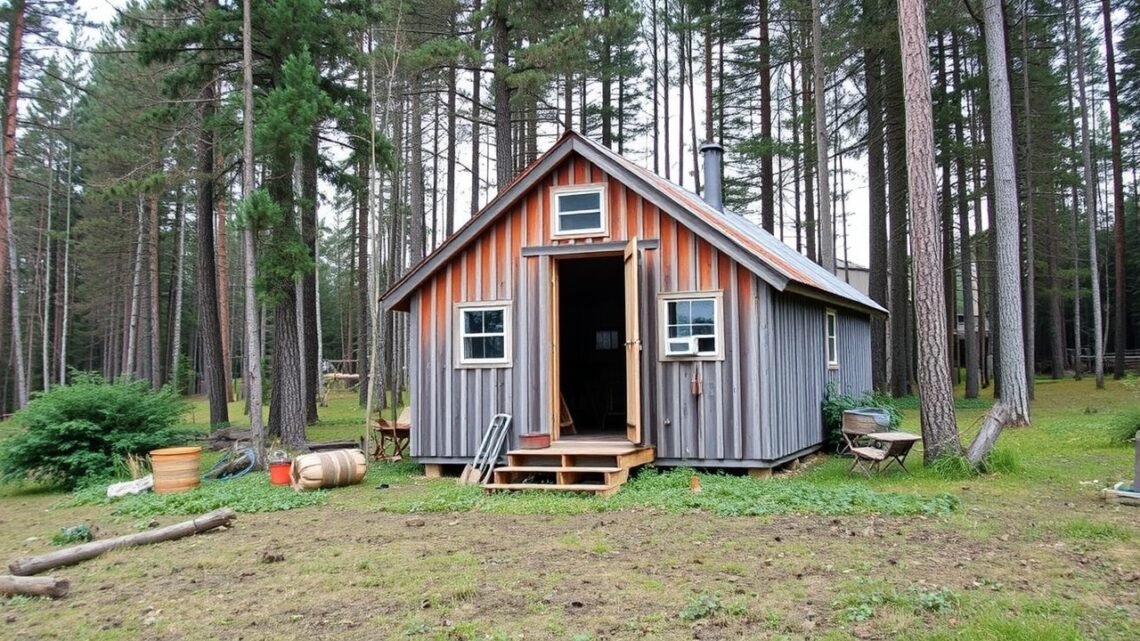
So, you’re thinking about living off the grid? That’s awesome! It’s a fantastic journey, but it’s not without its bumps. The 15 Off-Grid Living Mistakes beginners make? Simply put, it’s underestimating just how much planning, effort, and knowledge goes into it. Off-grid living is less about escaping and more about deliberate, proactive preparation.
Table of Contents
Getting Started: Mind Your Money and Your Land
Transitioning to an off-grid lifestyle isn’t quite the “sell everything and buy a cabin” fantasy some imagine. There are some serious practicalities to nail down early on, especially concerning your finances and where you put down roots.
Don’t Skimp on Upfront Costs
- Solar Panels and Batteries: These aren’t cheap. You’re not just buying a few panels; you need inverters, charge controllers, batteries, wiring, and professional installation to make sure it’s all safe and efficient.
- Water Systems: This includes well drilling, pumps, storage tanks, filtration systems, and potentially rainwater harvesting setups. Each component costs money, and you’ll want reliable, durable parts.
- Sustainable Food Sources: Think greenhouses, garden tools, fencing, irrigation, and possibly livestock infrastructure. It all adds up.
It’s tempting to cut corners when you start seeing the numbers, but under-investing often leads to headaches and more expenses down the line. A properly sized and installed system will save you frustration and money in the long run.
The Right Land Matters More Than You Think
Buying land off-grid isn’t like buying a suburban lot. You’re not just looking for a pretty view.
- Affordability vs. Suitability: Cheap land might be cheap for a reason – maybe it’s completely shaded, has no water access, or has impossible terrain. Balance your budget with practical needs.
- Remote Doesn’t Mean Unregulated: Just because it’s remote doesn’t mean you can do whatever you want. Building codes, septic regulations, and even water rights can be surprisingly strict in unexpected places. Always check local ordinances.
Location, Location, Location!
Seriously, this isn’t just a real estate cliché. Your off-grid success hinges hugely on your chosen spot.
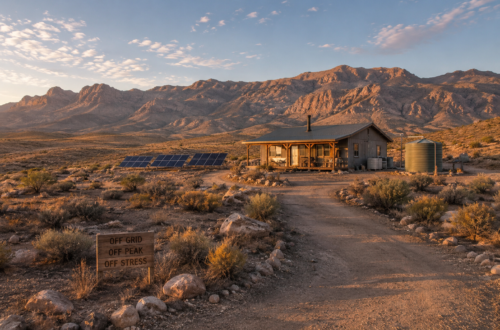
- Sun Exposure: Crucial for solar. If your land is heavily treed and perpetually shaded, your solar system will be constantly underperforming. Do a thorough site survey.
- Water Sources: Is there a reliable well, spring, or ample rainfall? How deep is the water table? What are the water rights? Making water an afterthought is a huge mistake.
- Accessibility: How will you get supplies in? What about emergency services? A truly isolated spot might sound romantic, but think about winter access or medical emergencies.
- Terrain Stability: Is your land prone to landslides, erosion, or flooding? This affects building foundations and overall safety.
- Environmental Hazards: Are there wildfire risks? Is it in a tornado alley or hurricane zone? Factor in natural disasters.
For those interested in off-grid living, it’s essential to learn from the experiences of others to avoid common pitfalls. A related article that provides valuable insights is “15 Off-Grid Living Mistakes Beginners Make (And How to Avoid Them),” which outlines key errors and offers practical solutions. To further enhance your understanding of off-grid lifestyles, you can also check out this introductory piece on off-grid living at Off-Grid Lore, which delves into the basics and benefits of living independently from traditional utilities.
Powering Your Life: Don’t Underestimate Energy and Water
Once you have your land, your next big challenge is making sure you have the basics – power and water. These aren’t set-it-and-forget-it systems; they require careful planning and realistic expectations.
Planning for Your Needs: It’s Not Set and Forget
Many beginners vastly underestimate their actual power and water consumption, or they fail to account for variations.
- Energy Audit is Gold: Before you even buy equipment, list every appliance you plan to use, its wattage, and how long you’ll use it daily. Multiply this by your expected days of autonomy (how many days you want your system to last without sun). This is your foundation for system sizing.
- Seasonal Swings: Solar output changes dramatically with the seasons. Winter months mean less sun, often accompanied by higher energy demands (heating, more indoor time). Your system needs to cope with the worst-case scenario.
- Water Security: How much water do you realistically need per person per day for drinking, cooking, cleaning, and hygiene? Do you need water for a garden or livestock? What’s your backup plan if your well pump fails or your rainwater tanks run low during a drought?
Your Power System Isn’t a Magic Genie
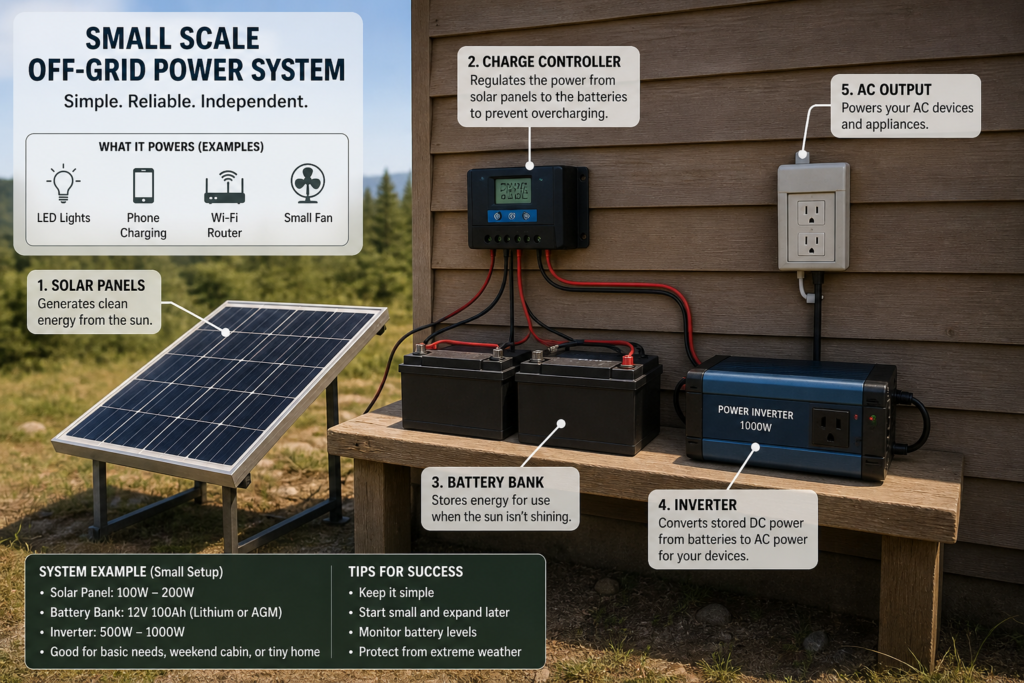
Solar panels are amazing, but they have limits. Expecting them to power everything you ran in your suburban home, all the time, is a recipe for disappointment.
- Shade is the Enemy: Even partial shading on a solar panel can drastically reduce the output of an entire string of panels. Trees that look small now will grow.
- Battery Management Matters: Batteries are the heart of your off-grid system. They don’t last forever, and draining them too low too often shortens their lifespan. You need to understand charge cycles and daily usage limits.
- Generators Are Tools, Not Primary Power: Many will use a generator as a backup or for charging batteries during extended cloudy periods or for high-demand tasks. They need fuel, maintenance, and produce noise. Factor this into your daily routine.
Water: More Than Just a Tap
Making sure you have enough clean water isn’t just about digging a well. It’s a comprehensive system that needs careful thought.
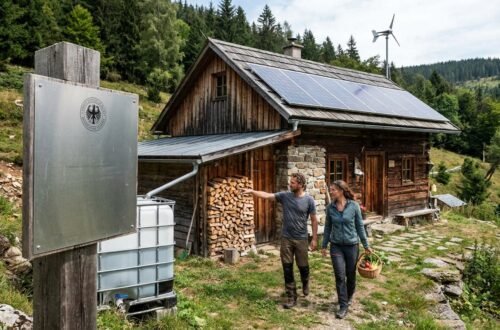
- Prioritize Sourcing and Storage: How will you get water? Well, spring, rainwater? Each has its pros and cons. How will you store it? Above ground tanks? Underground cisterns? Consider gravity feed options where possible to save on pumping energy.
- Filtration and Potability: Don’t assume natural water is safe to drink. Filtration, and often purification, are essential. Know your water quality and invest in appropriate systems.
- Conservation is Key: In an off-grid setting, every drop counts. Greywater systems, composting toilets, and mindful usage drastically reduce your water demands.
Knowledge is Power (Literally)
You can have the best equipment in the world, but if you don’t know how to use it, maintain it, or fix it, you’re in for a tough time. Off-grid living demands a hands-on approach.
Don’t Fly Blind: Understand Your Systems
You don’t need to be an engineer, but a basic understanding of how your off-grid components work is non-negotiable.
- Solar Panels, Inverters, and Charge Controllers: What do all the numbers on the display mean? How do you know if your panels are producing optimally? What’s a fault code?
- Generators: How do you start one? What kind of fuel does it take? When does it need an oil change?
- Water Pumps and Filters: How do you prime a pump? When do filters need to be cleaned or replaced?
- Composting Toilets/Septic Systems: How do they work? What can and can’t go into them? How do you maintain them to avoid issues?
Spending time learning these basics before you’re reliant on them will save you immense stress and potential system damage.
Essential Skills: Your New Daily Grind
Off-grid life isn’t just about peace and quiet; it’s about active participation in your own survival.
- Troubleshooting: Things will break. Knowing how to diagnose a problem with your solar system, a faulty water pump, or a sputtering generator is invaluable. YouTube tutorials and detailed manuals will become your best friends.
- System Maintenance: Regular checks, cleaning, and preventative maintenance extend the life of your expensive equipment. This includes cleaning solar panels, checking battery water levels (for flooded lead-acid batteries), and inspecting wiring.
- Resource Management: Learning to read your charge controller screen to understand battery state of charge, or monitoring your water tank levels, becomes a daily ritual. You’re constantly managing your resources.
Gardening Isn’t Just for Green Thumbs
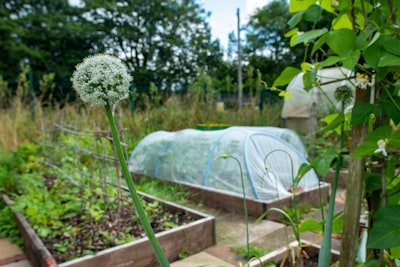
For many, growing at least some of their own food is a huge draw of off-grid living. But it’s more complex than planting a seed.
- Soil Science 101: What kind of soil do you have? Is it good for gardening? Does it need amendments? How do you build healthy soil over time?
- Watering Wisely: How much water do your plants need? When? Drip irrigation can be a lifesaver in terms of water conservation.
- Sunlight Needs: Different plants need different amounts of sun. Understanding your microclimates and planting accordingly is crucial.
- Pest and Disease Management: Organic pest control methods are important when you can’t just run to the store for chemicals.
- Seasonality and Storage: What grows well in your climate? How will you preserve your harvest for the winter months?
Unrealistic Expectations: The Reality Check
It’s easy to romanticize off-grid life, seeing only the picturesque aspects. But the reality involves a lot of grit, sweat, and sometimes, dirt under your fingernails.
The Workload is Real
Forget the “easy life” narrative. Off-grid living is hard work, often more so than conventional living.
- Daily Chores Multiply: Cooking from scratch, heating water, chopping firewood, hand-washing laundry (unless you have a robust system), maintaining your systems – these tasks consume a significant portion of your day.
- Maintenance is Constant: Your power system, water system, garden, and dwelling all need ongoing attention. Ignoring it leads to bigger problems.
- No “Maintenance Guy” on Call: You are the maintenance guy, the plumber, the electrician, and the general contractor. Be prepared to learn and do, or pay a premium for specialized help that might be a long drive away.
Romanticizing Can Bite You
The idea of living simply, closer to nature, is beautiful. But beauty doesn’t power a refrigerator or pump water.
- “Simpler” Doesn’t Mean Easier: It means fewer dependencies on external systems, but more on your own skills and labor. You exchange money for effort.
- Isolation Can Be Tough: While solitude is appealing to many, it’s also important to have a sense of community, even if it’s just a few neighbors for support or trading goods.
- It’s Not a Vacation: This is your life, every day. There will be bad weather, equipment failures, and days where you just don’t feel like splitting firewood.
Physical Demands: Get Ready to Sweat
Off-grid life is surprisingly physical. If you’re used to a sedentary lifestyle, prepare for a shock.
- Manual Labor is Standard: Chopping and stacking firewood, hauling water (if your pump is down), digging garden beds, repairing structures – these are all parts of the job.
- Building Skills: From basic carpentry for repairs to fixing a sputtering generator, a moderate level of mechanical and plumbing aptitude is extremely helpful. If you’re not strong, you need to be smart and use tools effectively.
- Endurance: You’ll be outside in all weather, lifting, carrying, and generally being more active. Building up your physical endurance is a good idea before making the full jump.
If you’re interested in learning more about the challenges of off-grid living, you might find the article on “15 Off-Grid Living Mistakes Beginners Make (And How to Avoid Them)” particularly insightful. It highlights common pitfalls that newcomers often encounter and offers practical solutions to help you navigate this lifestyle more effectively. For additional tips on sustainable living, check out this related article on sustainable living tips, which provides valuable information on how to make your off-grid experience even more rewarding.
The Best Approach: Prepare, Prepare, Prepare
So, how do you avoid these common pitfalls? It all boils down to one word: preparation. Don’t rush into it; treat it like a serious life change that requires research and deliberate steps.
- Detailed Planning: Seriously, create a business plan for your off-grid life. Map out your energy needs, water sources, building plans, and financial projections. What’s your budget for initial setup? What are your ongoing monthly costs (fuel, repairs, food you can’t grow)?
- Consult Experts: Talk to people who are already living off-grid. Reach out to solar installers, well drillers, and sustainable builders in your target area. Their real-world experience is invaluable.
- Join Online Communities: There are countless forums, Facebook groups, and websites dedicated to off-grid living. Ask questions, read success stories, and learn from other people’s mistakes. Just remember to filter information and verify sources.
- Educate Yourself: Read books, watch documentaries, take workshops on solar power, gardening, carpentry, and plumbing. Start learning even if you’re years away from moving. The more knowledge you acquire, the better equipped you’ll be.
- Start Small: If possible, try a scaled-down version first. Maybe a smaller solar setup for a shed, or a robust garden at your current home. Dip your toes in before diving headfirst.
- Be Adaptable: Things will go wrong. The weather won’t cooperate. Equipment will fail. Your plans will change. The ability to adapt, troubleshoot, and keep a positive attitude is a huge asset.
Off-grid living is an incredibly rewarding path for those who are prepared for its unique challenges. By understanding and proactively addressing these common beginner mistakes, you’ll set yourself up for a much smoother, more enjoyable, and ultimately more successful transition to a self-sufficient life.
FAQs
1. What are some common mistakes beginners make when transitioning to off-grid living?
Some common mistakes beginners make when transitioning to off-grid living include underestimating the amount of resources needed, not having a reliable water source, inadequate food storage and preservation, insufficient power generation, and poor planning for emergencies.
2. How can beginners avoid underestimating the amount of resources needed for off-grid living?
Beginners can avoid underestimating the amount of resources needed for off-grid living by conducting thorough research, creating a detailed plan, and seeking advice from experienced off-grid individuals. It’s important to consider factors such as water usage, food consumption, energy needs, and emergency supplies.
3. What are some tips for ensuring a reliable water source in off-grid living?
To ensure a reliable water source in off-grid living, beginners should consider installing rainwater collection systems, digging wells, or locating natural springs. It’s also important to have a water filtration system in place to purify collected water for drinking and cooking.
4. How can beginners improve their food storage and preservation methods in off-grid living?
Beginners can improve their food storage and preservation methods in off-grid living by investing in root cellars, canning supplies, dehydrators, and other long-term food storage solutions. Learning proper food preservation techniques and rotating food supplies regularly can also help prevent spoilage.
5. What are some essential considerations for power generation in off-grid living?
Essential considerations for power generation in off-grid living include choosing the right renewable energy sources such as solar panels, wind turbines, or hydroelectric systems. Beginners should also calculate their energy needs accurately and invest in efficient battery storage systems to ensure a reliable power supply.


5 Comments on “15 Off-Grid Living Mistakes Beginners Make (And How to Avoid Them)”
Comments are closed.