
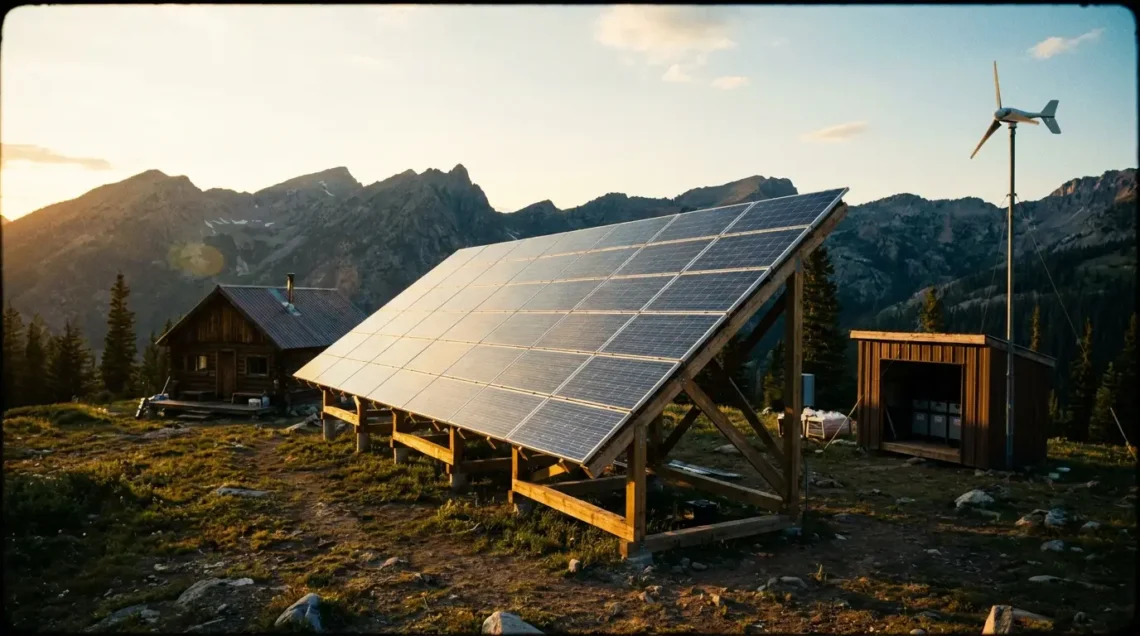
Thinking about escaping the grid? The Brutal Truth of Off-Grid Living offers a compelling vision of self-sufficiency and freedom from monthly utility bills, but the reality involves far more complexity than most people anticipate. The pros of off-grid living—financial independence, environmental sustainability, and personal autonomy—come packaged with significant challenges that deserve honest examination. Before you sell your suburban home and invest in solar panels, understanding both sides of this lifestyle choice is essential.
Off-grid living means disconnecting from public utilities and generating your own power, water, and waste management systems. While this lifestyle attracts thousands of people annually seeking simplicity and self-reliance, it demands substantial upfront investment, ongoing maintenance expertise, and a fundamental shift in daily habits. The advantages include reduced long-term costs, minimal environmental impact, and genuine independence from infrastructure failures. However, the disadvantages—high initial expenses, technical learning curves, social isolation, and location restrictions—can overwhelm unprepared individuals. This comprehensive guide examines every dimension of off-grid living to help you make an informed decision.
Financial Considerations: The Real Costs
The financial advantages of off-grid living materialize over time, but the initial investment often shocks newcomers. A complete off-grid system typically costs between $30,000 and $100,000 depending on your energy needs, property size, and chosen technologies. Solar panel installations alone range from $15,000 to $40,000 for adequate residential capacity, while water wells add another $5,000 to $15,000. These figures don’t include backup generators, battery banks, or septic systems.
Moreover, many people underestimate the ongoing maintenance expenses. Battery replacements occur every 5-10 years at costs exceeding $10,000 for quality systems. Pump repairs, inverter replacements, and system upgrades create continuous financial demands. Additionally, insurance companies often charge higher premiums for off-grid properties due to limited emergency service access and increased fire risks from alternative heating methods.
For detailed cost breakdowns and budgeting strategies, our comprehensive cost analysis provides real-world numbers from experienced off-gridders across different climates and property types.
Long-Term Savings vs. Upfront Investment
The payback period for off-grid systems typically extends 10-20 years, assuming minimal major repairs. Traditional utility costs average $150-300 monthly, totaling $18,000-$36,000 over ten years. However, this calculation assumes your off-grid systems function optimally without expensive component failures. In practice, unexpected repairs frequently extend the break-even timeline beyond initial projections.
Furthermore, off-grid properties often sell for less than grid-connected equivalents, potentially erasing your investment upon resale. Buyers concerned about system maintenance or preferring conventional utilities may significantly discount their offers. This market reality contradicts the common assumption that sustainable features always increase property values.
Energy Independence and Its Challenges
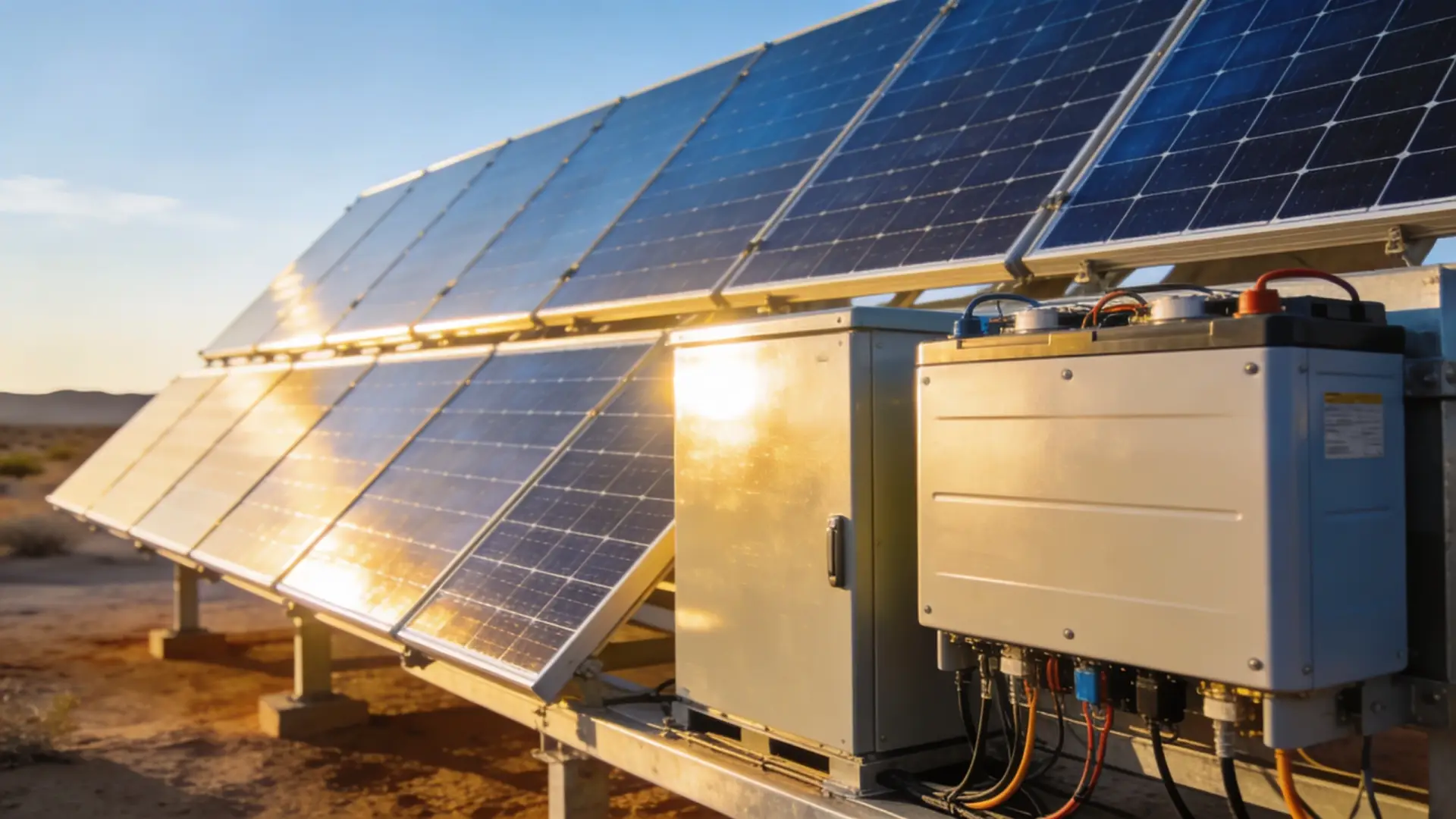
Generating your own electricity provides unmatched freedom from utility companies and protection against grid failures. Solar, wind, and micro-hydro systems can power modern homes indefinitely when properly designed and maintained. The satisfaction of harvesting sunlight or wind to run your household creates a tangible connection between resources and consumption that grid-connected living never provides.
Nevertheless, energy independence requires constant vigilance. Cloudy weeks reduce solar production dramatically, forcing reliance on backup generators or battery reserves. Wind systems need consistent 10+ mph winds and regular turbine maintenance. Most off-gridders learn to monitor daily energy production obsessively and adjust consumption accordingly—a mental burden that never completely disappears.
Winter months in northern climates present particularly difficult challenges. Shorter days and snow-covered panels can reduce solar production by 70-80% precisely when heating demands peak. This seasonal mismatch forces oversized system designs or acceptance of generator dependency during the coldest months, undermining the independence initially sought.
Technology Limitations and Learning Curves
Managing off-grid power systems demands technical knowledge that most people lack initially. Understanding voltage, amperage, battery chemistry, and charge controller settings becomes essential rather than optional. Component failures at midnight or during storms require troubleshooting skills that utility customers never develop. Mastering these systems takes months or years of hands-on experience.
Additionally, appliance compatibility creates ongoing frustrations. High-wattage devices like electric dryers, air conditioners, and traditional electric stoves often exceed off-grid system capacities. You’ll need to replace or eliminate power-hungry appliances, fundamentally changing how you cook, clean, and maintain comfort. These lifestyle adjustments extend far beyond simple conservation—they require reimagining basic household functions.
Water and Waste Management Realities
Water self-sufficiency offers protection from municipal supply issues and treatment chemical exposure. Wells, springs, and rainwater collection systems provide abundant water in most locations. The water tastes noticeably better than chlorinated city supplies, and filtration systems give you complete control over quality. During droughts or infrastructure failures affecting neighboring areas, you maintain uninterrupted access.
However, water system management introduces responsibilities that city dwellers never face. Well pump failures leave you without water until repairs complete, sometimes requiring emergency tank deliveries. Rainwater systems need regular cleaning to prevent contamination, and filtration equipment requires scheduled maintenance. Winter freezing risks demand heated pump houses or buried lines in cold climates, adding complexity and expense.
Septic systems or composting toilets replace municipal sewer connections, creating additional maintenance requirements. Septic tanks need pumping every 3-5 years at costs exceeding $300. Composting toilets work effectively but require hands-on waste management that many find unpleasant. Greywater systems for irrigation add another layer of complexity requiring permits and proper design to avoid environmental damage.
| System Component | Initial Cost Range | Maintenance Frequency | Lifespan |
|---|---|---|---|
| Solar Panel Array | $15,000-$40,000 | Annual cleaning | 25-30 years |
| Battery Bank | $8,000-$15,000 | Monthly monitoring | 5-15 years |
| Well and Pump System | $5,000-$15,000 | Annual inspection | 15-25 years |
| Septic System | $3,000-$10,000 | Pumping every 3-5 years | 20-30 years |
| Backup Generator | $2,000-$7,000 | Quarterly testing | 10-15 years |
Lifestyle Adjustments Nobody Mentions
Off-grid living cultivates mindfulness about resource consumption that modern life obscures. You become acutely aware of every kilowatt-hour and gallon, fostering conservation habits that feel rewarding rather than restrictive. The slower pace and reduced screen time that naturally emerge from limited power availability often improve mental health and family relationships. Many off-gridders report feeling more grounded and purposeful after making the transition.
Conversely, convenience disappears almost entirely. Simple tasks like laundry become weather-dependent projects requiring planning around sunny days for solar power. Cooking adjusts around propane availability and energy budgets. Entertainment options narrow dramatically without unlimited streaming or gaming capacity. Guests unfamiliar with off-grid protocols accidentally drain batteries or waste water, creating awkward conversations about resource limitations.
The time commitment required for system maintenance surprises most newcomers. Monitoring battery levels, cleaning solar panels, checking water filters, managing firewood supplies, and troubleshooting equipment consume 5-15 hours weekly. These responsibilities never pause for vacations or illness. Finding reliable caretakers who understand your systems becomes essential for any extended absence.
Weather Dependency and Seasonal Challenges
Your daily schedule becomes intimately connected to weather patterns. Extended cloudy periods force difficult decisions about generator runtime and energy rationing. Heavy snow requires immediate panel clearing to restore production. Summer storms threaten equipment with lightning strikes and power surges. This constant weather vigilance creates low-level stress that grid-connected living eliminates.
Additionally, seasonal preparation demands foresight that urban living never requires. You must stockpile firewood months before winter, maintain backup fuel supplies, prepare systems for freezing temperatures, and ensure all equipment functions before harsh weather arrives. Procrastination or poor planning creates genuine hardship rather than mere inconvenience. Common mistakes that catch beginners off-guard are detailed in this essential guide for new off-gridders.
Social and Practical Limitations
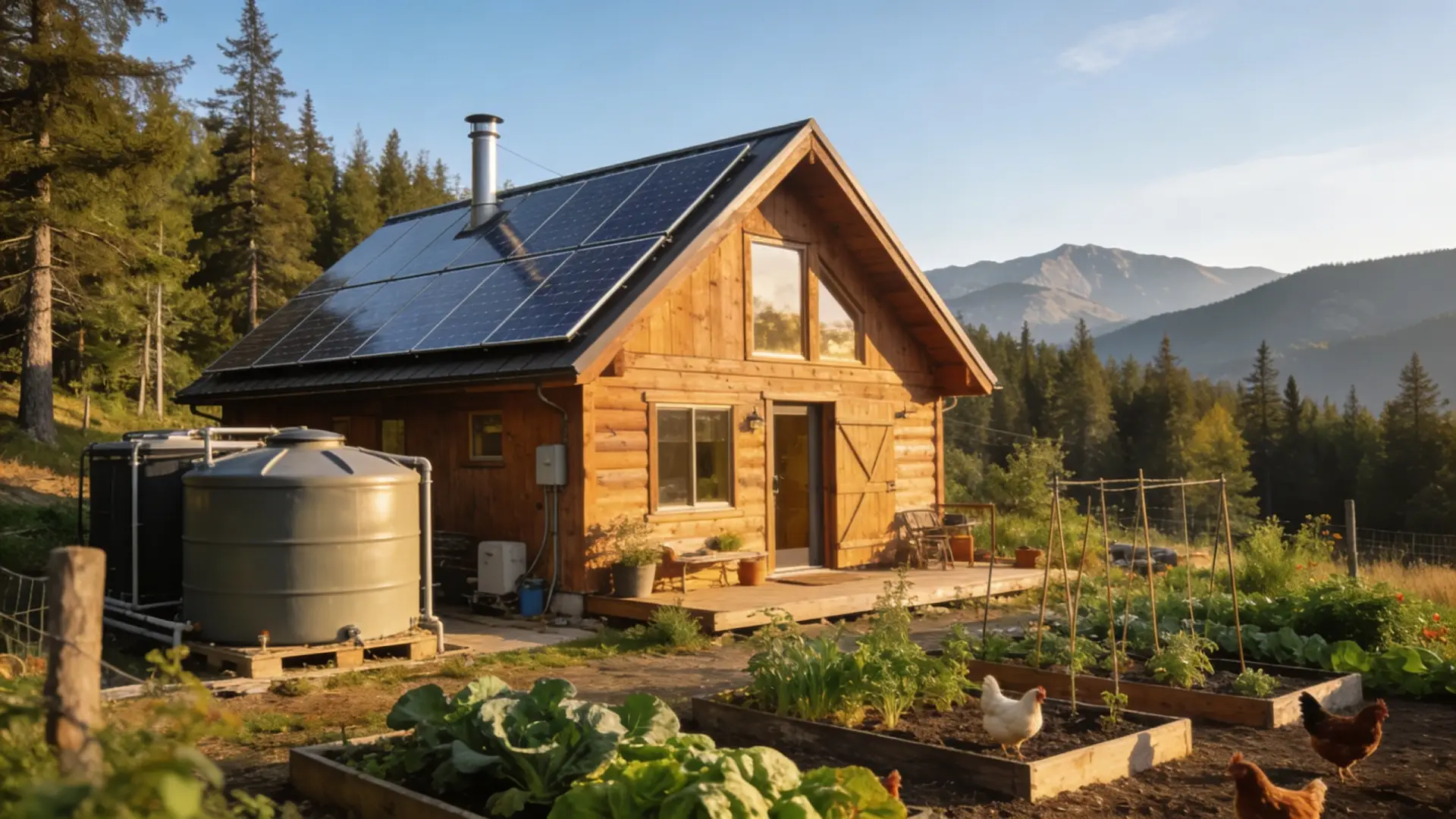
Remote property locations offering affordable off-grid opportunities typically sit far from employment centers, medical facilities, and social amenities. Your nearest grocery store may be 30-60 minutes away, turning every shopping trip into a significant expedition. Emergency services response times extend to 30+ minutes in many areas, creating genuine safety concerns during medical crises or fires. Internet connectivity relies on expensive satellite or cellular systems with data caps and weather-related interruptions.
Furthermore, social isolation affects most off-gridders eventually. Neighbors are sparse, friends hesitate to visit remote locations, and spontaneous social interaction becomes rare. This solitude appeals initially but can evolve into loneliness, particularly for families with children needing peer interaction or adults accustomed to active social lives. According to U.S. Census Bureau definitions, many off-grid properties fall into remote rural categories with population densities below 50 people per square mile.
Professional opportunities shrink dramatically in rural areas. Remote work requires reliable internet, which off-grid locations often cannot provide consistently. Local employment options typically involve manual labor, agriculture, or service industries with limited advancement potential. Career-focused individuals find this professional isolation particularly challenging, forcing choices between career aspirations and off-grid ideals.
Environmental Impact: The True Picture
Off-grid living significantly reduces your carbon footprint when executed properly. Solar and wind power generate electricity without emissions, while water conservation practices minimize aquifer depletion. Many off-gridders adopt permaculture principles, organic gardening, and minimal-waste lifestyles that substantially lessen environmental impact compared to conventional living. The satisfaction of living lightly on the land provides deep fulfillment for environmentally conscious individuals.
However, the environmental benefits depend entirely on implementation choices. Diesel generators running frequently during low-production periods emit substantial pollution. Battery production and disposal create toxic waste streams, particularly with older lead-acid technologies. Poorly designed septic systems contaminate groundwater. Wood heating contributes to particulate air pollution and deforestation if not managed sustainably. These contradictions rarely appear in idealized off-grid narratives.
Manufacturing and Disposal Considerations
The environmental cost of producing solar panels, batteries, and inverters includes mining, manufacturing, and transportation emissions. While these components eventually offset their carbon debt through clean energy production, the initial environmental burden isn’t negligible. Lithium mining for batteries raises particular environmental and ethical concerns in source countries. Responsible off-gridders must acknowledge these upstream impacts rather than claiming absolute environmental purity.
Legal and Regulatory Obstacles
Zoning regulations and building codes create unexpected barriers for off-grid aspirants. Many jurisdictions require grid connections for occupancy permits, making legal off-grid living impossible regardless of your system capabilities. Minimum dwelling size requirements prevent tiny homes or simplified structures. Composting toilet prohibitions force expensive septic installations. These regulations vary dramatically by location, requiring extensive research before property purchase.
Permitting processes for wells, septic systems, and electrical installations consume time and money while demanding professional involvement. Some counties impose restrictive covenants preventing solar installations or alternative building methods. Homeowners associations in rural subdivisions may prohibit off-grid living entirely. Understanding local regulations thoroughly prevents costly mistakes and legal conflicts. Before committing to off-grid living, review this comprehensive checklist covering legal requirements and essential preparations.
Additionally, financing proves challenging for off-grid properties. Many lenders refuse mortgages on homes without grid connections or conventional utility hookups. Insurance companies limit coverage or charge premium rates. Property values suffer in conventional markets, affecting refinancing options and equity building. These financial realities contradict assumptions that sustainable features automatically increase property desirability.
In conclusion, off-grid living offers genuine pros including energy independence, reduced environmental impact, and freedom from utility dependence. These advantages appeal strongly to those valuing self-sufficiency and sustainability. However, the significant cons—substantial upfront costs, ongoing maintenance demands, social isolation, and legal complexities—require honest evaluation. Success depends on thorough preparation, realistic expectations, and genuine commitment to lifestyle changes that extend far beyond installing solar panels. For those properly prepared, off-grid living provides deeply rewarding independence; for others, the challenges outweigh the benefits. Assess your priorities, resources, and adaptability carefully before making this transformative decision. For comprehensive guidance on beginning your journey, our ultimate beginner’s guide offers detailed planning resources and realistic timelines.
Frequently Asked Questions
How much money do you really need to start living off-grid?
Initial off-grid setup typically requires $30,000-$100,000 depending on your system size, location, and comfort requirements. This includes solar panels ($15,000-$40,000), battery storage ($8,000-$15,000), well drilling ($5,000-$15,000), and septic installation ($3,000-$10,000). Budget an additional 10-20% for unexpected expenses and professional installation costs. Many people phase their transition over several years to spread costs, starting with essential systems and adding conveniences gradually.
Can you legally live off-grid anywhere in the United States?
No, off-grid living legality varies dramatically by county and municipality. Some jurisdictions require mandatory grid connections for occupancy permits, while others welcome alternative systems. Building codes may mandate minimum dwelling sizes, prohibit composting toilets, or restrict solar installations. Before purchasing property, research local zoning ordinances, building codes, and health department regulations. Rural counties in states like Arizona, New Mexico, Tennessee, and Missouri generally offer more permissive regulations for off-grid living than urban or coastal areas.
What happens to off-grid homes during extended cloudy weather?
During prolonged cloudy periods, solar production drops 70-90%, forcing reliance on battery reserves and backup generators. Well-designed systems include 3-7 days of battery storage for typical consumption, but extended weather events require either dramatic energy reduction or generator runtime. Most experienced off-gridders monitor weather forecasts closely and adjust usage preemptively—postponing laundry, limiting cooking, and reducing heating to extend battery reserves. This weather dependency requires flexibility and planning that grid-connected living never demands.
How difficult is maintaining off-grid systems without technical experience?
Most people without electrical or mechanical backgrounds struggle initially but develop necessary skills through hands-on experience over 6-12 months. Basic maintenance includes monitoring battery levels, cleaning solar panels, checking water filters, and troubleshooting simple issues. However, complex problems like inverter failures, pump malfunctions, or electrical faults often require professional assistance. Online forums, YouTube tutorials, and supportive off-grid communities provide valuable learning resources. Plan for a steep learning curve and budget for professional help during the first year as you develop competence.
Do off-grid homes have good resale value?
Off-grid properties typically sell for 10-30% less than comparable grid-connected homes, depending on location and system quality. Many conventional buyers avoid off-grid properties due to concerns about system maintenance, financing difficulties, and lifestyle limitations. Your buyer pool narrows to off-grid enthusiasts or those willing to invest in grid connection. Properties with professional installations, well-documented maintenance records, and backup systems sell more readily. Location matters significantly—off-grid homes in desirable areas with recreational amenities retain value better than remote properties with limited appeal.


4 Comments on “The Brutal Truth of Off-Grid Living: What No One Tells You””
Comments are closed.