
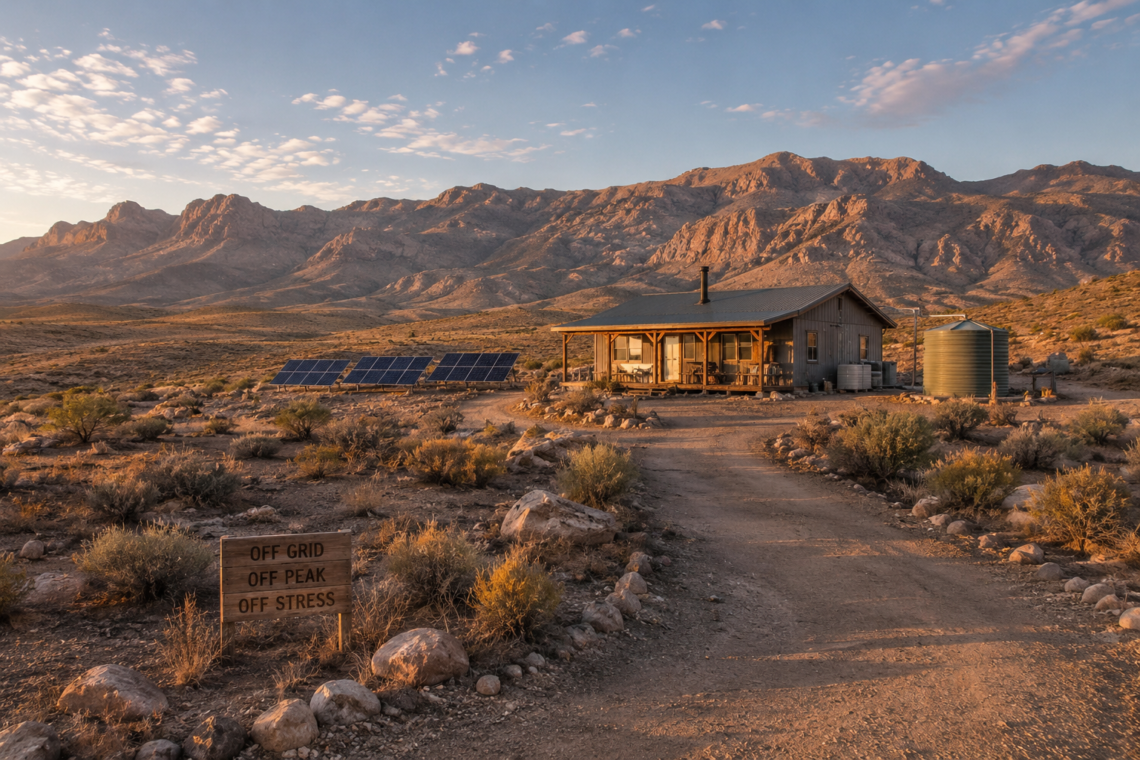
Off-Grid Living is becoming more popular every year. Some people want lower utility bills, others want more freedom, and many simply want a quieter lifestyle. But before you disconnect, there are many common Off-Grid Living FAQs for beginners to consider. To help you get started, we have compiled the most essential answers for your journey toward self-reliance.
If you are just starting your off-grid journey, this beginner FAQ guide will help you understand the basics of power, water, land, costs, internet, and everyday life off the grid.
Whether you dream of a remote cabin, an RV lifestyle, or a full homestead, these are the most common off-grid living questions beginners ask.
1. What Does “Off-Grid Living” Actually Mean?
Off-grid living means living independently from public utilities like the electrical grid, city water systems, sewer systems, and sometimes even natural gas services.
Off-grid living means living independently from public utilities like the electrical grid, city water systems, sewer systems, and sometimes even natural gas services.
That usually includes:
- Solar power systems
- Battery storage
- Backup generators
- Rainwater collection or wells
- Septic systems or composting toilets
- Propane appliances
- Wood heat or alternative heating systems
Some people live fully off grid year-round, while others start small with cabins, RVs, or weekend properties.
The biggest appeal of off-grid living is self-sufficiency. You control your own power, water, and many parts of your daily life.
2. Is Off-Grid Living Legal?
In many places, yes — but laws vary depending on your state, county, and local zoning rules.
Some areas are very friendly toward off-grid homes, while others require:
- Building permits
- Septic approvals
- Minimum home sizes
- Utility hookups
- Occupancy permits
Before buying land, always research:
- Zoning laws
- Water rights
- Septic regulations
- Tiny home rules
- RV living restrictions
- Solar installation requirements
Rural counties are often more flexible than cities and suburban areas.
Purchasing land beforehand and looking up restrictions later is one of the biggest blunders made by beginners.
3. How Much Does It Cost to Live Off the Grid?
The cost varies widely depending on your setup and lifestyle.
A simple off-grid cabin or RV setup may cost only a few thousand dollars to start. A fully equipped off-grid homestead can cost tens of thousands.
Common off-grid expenses include:
Solar Power System
- Solar panels
- Charge controller
- Inverter
- Batteries
- Wiring and mounting hardware
Water System
- Water tanks
- Filters
- Rain catchment systems
- Well drilling
- Pumps
Waste Management
- Septic system
- Composting toilet
- Greywater systems
Heating and Cooking
- Wood stove
- Propane appliances
- Backup fuel storage
The good news is that monthly living costs are often lower once the system is built.
Many off-grid families save money over time because they no longer pay:
- Electric bills
- Water bills
- Sewer bills
- High housing costs
Starting small and upgrading over time is often the smartest approach.
4. Can You Really Power an Entire Home With Solar?
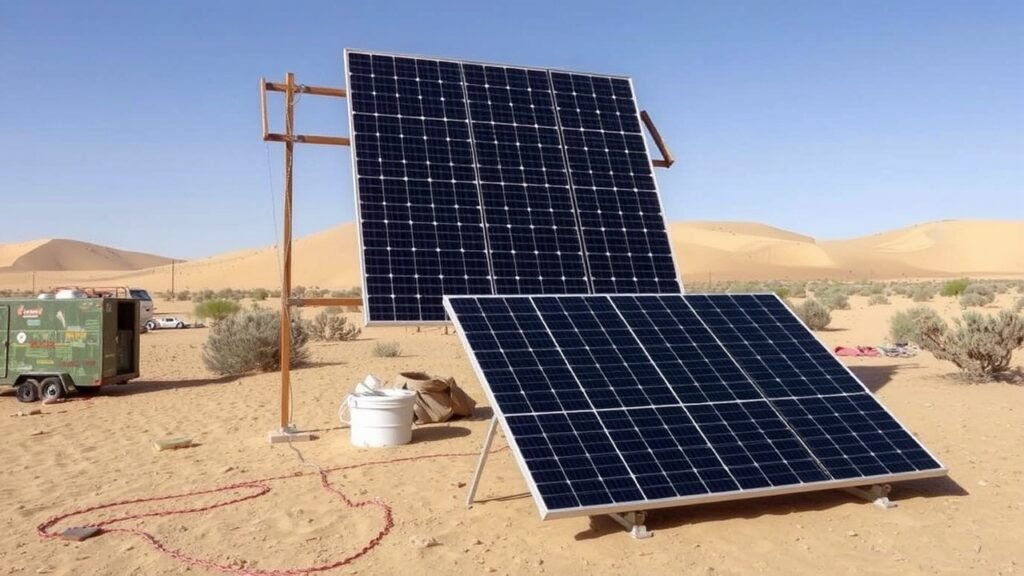
Yes, many people successfully run full homes entirely on solar power.
However, your system must be properly sized for your energy needs.
A beginner off-grid solar setup usually includes:
- Solar panels
- Charge controller
- Battery bank
- Power inverter
- Generator backup
Your energy usage determines how large your system needs to be.
High-power appliances like:
- Air conditioners
- Electric water heaters
- Electric stoves
- Dryers
can dramatically increase system size and cost.
Most beginners save money by using:
- LED lighting
- Propane cooking
- Efficient refrigerators
- Energy-efficient appliances
- Wood heat when possible
Learning to manage power usage is one of the biggest adjustments in off-grid living.
5. What Is the Best Battery Type for Off-Grid Living?
The two most common battery types today are:
- Lead-acid batteries
- Lithium batteries
Lead-Acid Batteries
These are cheaper upfront but:
- Require maintenance
- Have shorter lifespans
- Cannot discharge deeply
- Need proper ventilation
Lithium Batteries
These cost more initially but offer:
- Longer lifespan
- Faster charging
- More usable capacity
- Little maintenance
- Better efficiency
For beginners with smaller budgets, lead-acid batteries may still work well.
For long-term off-grid systems, many people now prefer lithium batteries because of their reliability and lower maintenance.
6. How Do Off-Grid Homes Get Water?
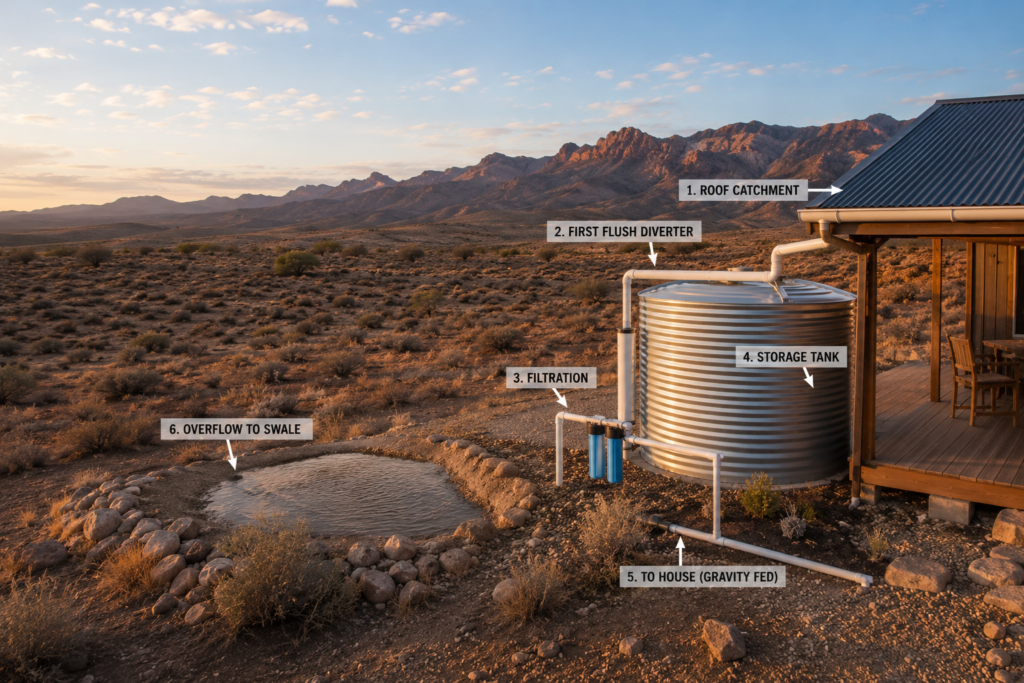
Water is one of the most important parts of any off-grid setup.
Most off-grid properties use one or more of these sources:
Wells
A private well provides groundwater through an electric or solar-powered pump.
Rainwater Collection
Rainwater systems collect water from rooftops and store it in tanks or cisterns.
Water Delivery
Some remote properties have water delivered and stored in large tanks.
Natural Water Sources
Streams, springs, and lakes may also be used, although filtration is critical.
Many off-grid homes combine multiple water sources for backup security.
No matter the source, proper water filtration and storage are essential.
7. How Do You Get Internet While Living Off the Grid?
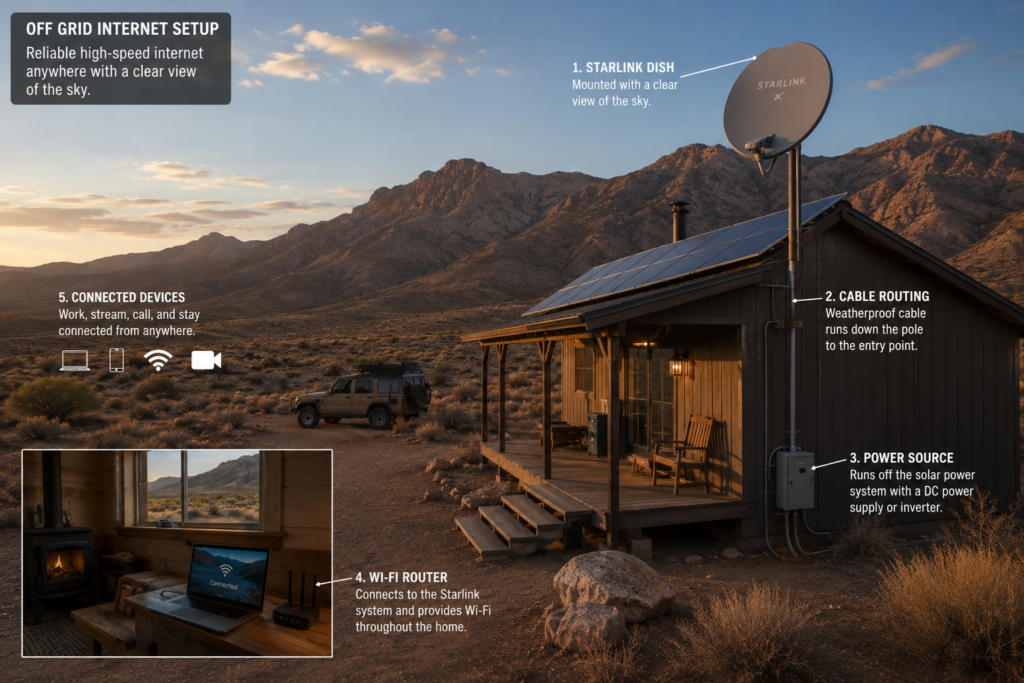
Modern off-grid living does not mean you have to disappear from the internet.
Many off-grid homes use:
- Starlink satellite internet
- Cellular hotspots
- LTE routers
- Fixed wireless internet
Satellite internet has improved dramatically in recent years and now allows many remote off-grid properties to:
- Work remotely
- Stream videos
- Run online businesses
- Use smart devices
- Stay connected with family
Internet availability often depends on location, terrain, and cell coverage.
Many beginners are surprised by how connected off-grid life can actually be.
8. Is Off-Grid Living Hard?
Off-grid living can be challenging at first, especially if you are used to unlimited utilities.
You become more aware of:
- Electricity usage
- Water consumption
- Weather conditions
- Fuel supplies
- Battery levels
- System maintenance
However, most people adapt quickly.
Over time, many off-grid families find the lifestyle simpler, quieter, and less stressful.
The key is starting realistically.
You do not need a perfect homestead on day one.
Many successful off-grid setups begin with:
- Small solar systems
- RV living
- Weekend cabins
- Portable power stations
- Gradual upgrades
Learning step by step is usually easier than trying to build a massive system immediately.
9. What Are the Biggest Beginner Mistakes?
New off-grid beginners often make the same mistakes.
Here are some of the most common:
Buying Too Much Land Too Soon
Large remote properties may sound exciting, but maintenance and access can become difficult.
Underestimating Power Needs
Many people build systems that are too small for their actual daily energy use.
Ignoring Local Laws
Always research zoning and permit rules before buying property.
Skipping Water Planning
Reliable water access is just as important as solar power.
Buying Cheap Equipment
Low-quality batteries, inverters, and solar components can create major problems later.
Trying to Build Everything at Once
Starting small reduces stress and helps you learn what you truly need.
One of the smartest things beginners can do is test off-grid systems before making major investments.
10. Is Off-Grid Living Worth It?
For many people, absolutely.
Off-grid living offers:
- More independence
- Lower monthly expenses
- Greater self-reliance
- More connection to nature
- Less dependence on utility companies
- A simpler lifestyle
But it is not for everyone.
Living off the grid requires:
- Planning
- Maintenance
- Patience
- Flexibility
- Problem-solving skills
The people who succeed long-term are usually those who enjoy learning and adapting.
Off-grid living is less about escaping society and more about building a lifestyle that matches your goals and values.
Final Thoughts
Starting an off-grid lifestyle can feel overwhelming in the beginning, but every experienced off-grid homeowner started with questions too.
The key is to learn one system at a time.
Start with the basics:
- Power
- Water
- Waste
- Heating
- Food storage
- Internet
As your knowledge grows, your confidence grows with it.
You do not need a massive homestead or expensive setup to begin living more independently.
Many successful off-grid journeys start with simple, affordable systems and gradual improvements over time.
The most important step is simply getting started.


6 Comments on “10 Essential Off-Grid Living FAQs for Beginners”
Comments are closed.