
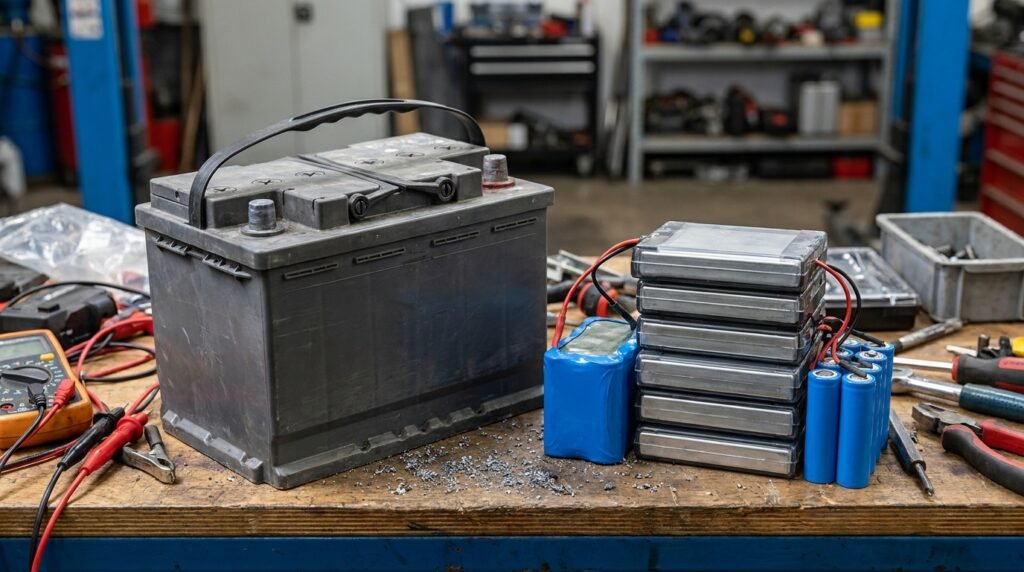
So, you’re thinking about going off-grid with solar, and the big battery question is staring you in the face: Lithium vs Lead-Acid batteries? This is a crucial decision, and honestly, there’s no single “best” answer that fits everyone. It really boils down to what you need, what can afford, and how you plan to use your system. We’ll dive into the nitty-gritty of both to help you figure out which one is the right fit for your setup.
Table of Contents
Before we get into the pros and cons, let’s quickly touch on what these batteries actually are. It’s helpful to know the fundamental differences in their construction to understand their performance.
Lead-Acid Batteries: The Tried and True
Lead-acid batteries are the veterans of the battery world. You’ve likely encountered them in cars, and the deep-cycle versions used for solar storage work on a similar principle.
- How they work: Inside, there’s a chemical reaction between lead plates and sulfuric acid. When you charge the battery, this reaction reverses, storing energy. When you discharge it, the reaction happens again, releasing energy.
- Types: For solar, we’re usually talking about “deep-cycle” lead-acid batteries. These are designed to be discharged more deeply and repeatedly than starter batteries, which are meant for short bursts of power. Common subtypes include flooded lead-acid (FLA), sealed lead-acid (SLA), and absorbed glass mat (AGM). FLA are the most common for off-grid, but require regular maintenance. AGM and gel batteries are sealed and maintenance-free but can be more sensitive to charging profiles and less tolerant of deep discharge.
Lithium Batteries: The Modern Contenders
Lithium batteries are the newer kids on the block, and they’ve brought a lot of advancements to the table. When people talk about lithium for solar, they’re usually referring to Lithium Iron Phosphate (LiFePO4 or LFP) batteries, due to their safety and longevity compared to other lithium chemistries.
- How they work: Instead of lead plates, lithium batteries use lithium ions that move between a positive and negative electrode during charge and discharge cycles.
- LiFePO4: This specific type of lithium battery is favored for solar and energy storage because it’s inherently more stable and safer than lithium-ion chemistries found in things like laptops or phones. They offer good energy density and a long lifespan.
Performance Differences: What to Expect Day-to-Day
This is where the rubber meets the road. How do these batteries actually perform in a real-world off-grid system? Their performance characteristics directly impact your energy availability and system management.
Capacity and Usable Energy
One of the biggest practical differences is how much energy you can reliably draw from each type.
- Lead-Acid “Usable” Capacity: With lead-acid batteries, it’s generally advised not to discharge them below 50% of their rated capacity. Deeper discharges significantly shorten their lifespan. So, if you have a 200Ah battery, you can realistically only use about 100Ah before needing to recharge. This means you need a larger bank of lead-acid batteries to achieve the same usable energy as a smaller lithium bank.
- Lithium’s Advantage: Lithium batteries, particularly LiFePO4, can often be discharged to 80% or even 90% of their capacity without significant degradation. This means a 100Ah lithium battery might offer as much usable energy as a 200Ah lead-acid battery, or even more. This translates to less physical space and weight for the same energy storage.
Discharge Rate Capability
How quickly can the battery deliver power? This matters if you have appliances with high startup surges or if you need to run multiple high-draw items simultaneously.
- Lead-Acid Limitations: Lead-acid batteries have a limited ability to deliver high currents. While they can certainly power most home appliances, very high surge loads can stress them. Their performance also degrades notably as they discharge.
- Lithium’s Strength: Lithium batteries, including LiFePO4, generally have a much higher continuous and surge discharge capability. This means they can handle demanding loads more effectively and consistently, even as they discharge. This can be a significant advantage for systems with AC inverters powering appliances that require a lot of initial power to start.
Charging Speed and Efficiency
How fast can you get stored energy back into the batteries, and how much energy is lost in the process?
- Lead-Acid Charging: Lead-acid batteries are relatively slow to charge. They often require a multi-stage charging process to avoid damage and maximize capacity. This can mean they take a full sunny day (or more) to fully recharge from a significant discharge, especially if the sun isn’t cooperating. They also have lower charge efficiency, meaning some energy is lost as heat during charging.
- Lithium’s Swiftness: Lithium batteries, on the other hand, can accept charge much faster. This means they can absorb more solar energy on shorter, cloudier days or when your solar panels are producing a lot of power at midday. They also have higher charge efficiency, meaning less energy is wasted during the charging process. This can be a significant benefit in locations with less consistent sunshine.
Longevity and Lifespan: How Long Will They Last?
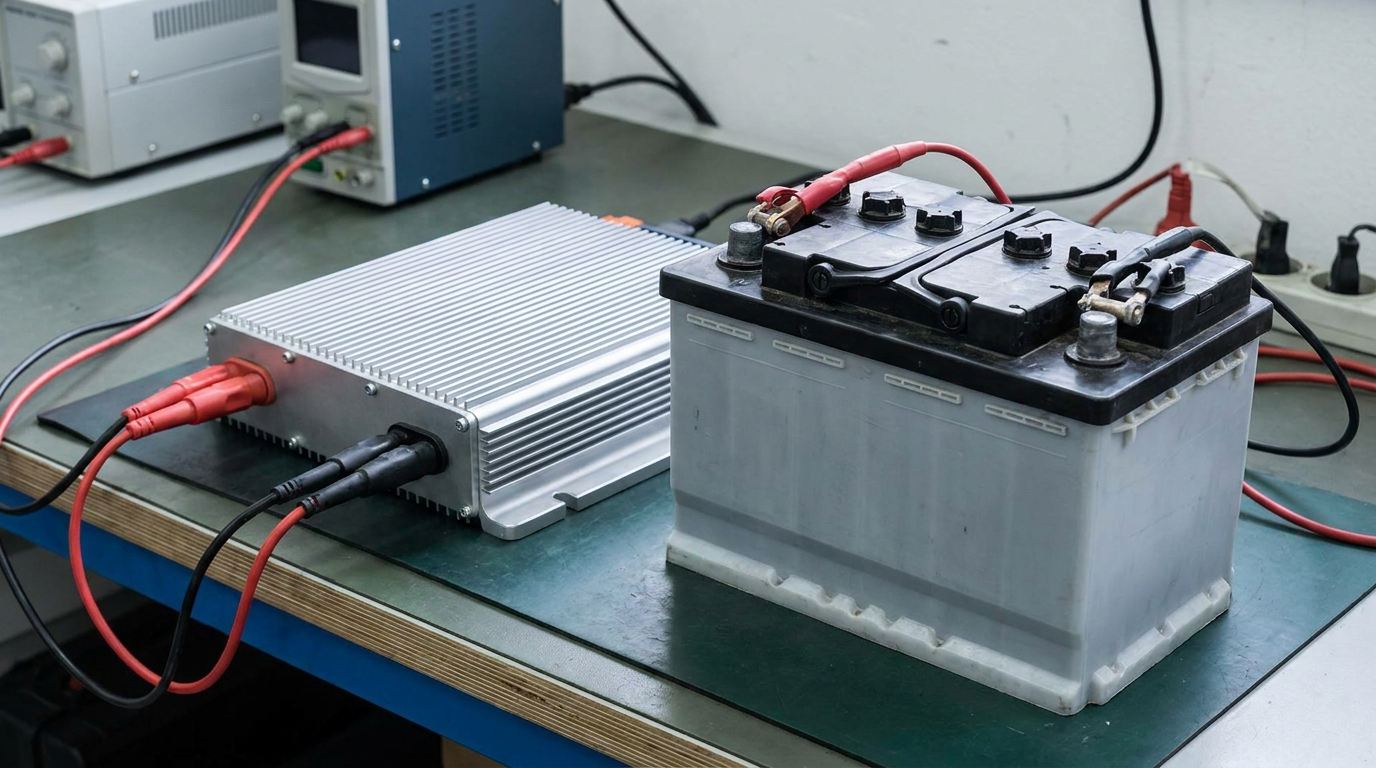
The lifespan of your battery bank is a major factor in the total cost of ownership. Replacing batteries can be a significant expense, so understanding how long each type will hold up is vital.
Cycle Life: The True Measure of Longevity
When we talk about battery lifespan for off-grid systems, we’re often referring to “cycle life” – the number of times a battery can be fully discharged and recharged before its capacity drops significantly.
- Lead-Acid Cycle Life: Deep-cycle lead-acid batteries typically offer between 500 to 1,500 cycles, depending on the type and how deeply they are discharged. If you only discharge them to 50%, you’ll get more cycles than if you consistently draw them down to 20%. However, even with careful management, they have a finite number of full cycles.
- Lithium’s Superior Cycle Life: LiFePO4 batteries boast a much longer cycle life, often ranging from 2,000 to 5,000 cycles, or even more in some high-quality units, when discharged to 80-90%. This means that over the lifespan of your off-grid system, you might only need to replace your lithium batteries once, compared to potentially multiple replacements for lead-acid.
Degradation Over Time
Both battery types will degrade over time, but the rate and mechanism differ.
- Lead-Acid Degradation: Lead-acid batteries can suffer from sulfation, where lead sulfate crystals build up on the plates, reducing efficiency and capacity. They are also sensitive to temperature extremes and can be damaged by overcharging or deep discharges.
- Lithium Degradation: Lithium degradation is generally more predictable. While they do lose a small amount of capacity with each cycle and over time due to chemical aging, they maintain a more consistent performance profile until the end of their life. They are also generally less affected by temperature than lead-acid, though extreme heat can still impact lifespan.
Cost Considerations: Upfront vs. Long-Term
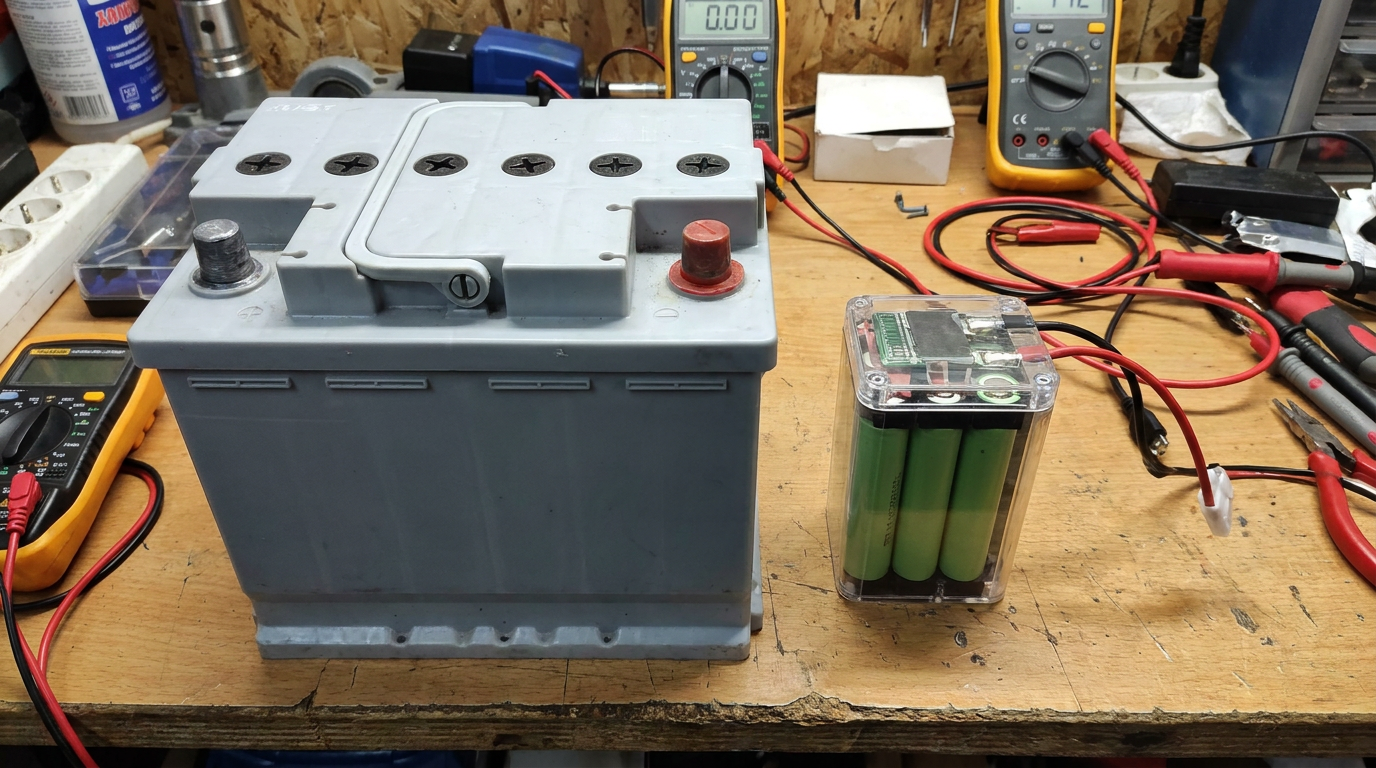
This is often the deciding factor for many people, and it’s not as simple as just looking at the initial price tag.
Initial Purchase Price
This is where lead-acid batteries typically have a significant advantage, especially for larger systems.
- Lead-Acid Affordability: You can generally purchase a bank of lead-acid batteries for a fraction of the cost of an equivalent capacity lithium bank. This lower upfront cost makes them an accessible entry point for many off-grid solar projects.
- Lithium Investment: Lithium batteries, especially LiFePO4, come with a much higher upfront price tag per kilowatt-hour (kWh) of storage. This can be a substantial barrier for some individuals and families.
Total Cost of Ownership (TCO)
This is where the picture starts to change. The TCO accounts for not just the initial purchase but also replacement costs, maintenance, and efficiency losses over the years.
- Lead-Acid TCO: While the initial cost is lower, you’ll likely need to replace lead-acid batteries multiple times over the lifespan of a solar system (e.g., 10-20 years). This repeated expense, coupled with potential inefficiencies and maintenance costs (like distilled water for flooded types), can make the TCO higher in the long run.
- Lithium’s Long-Term Savings: The significantly longer lifespan and higher number of cycles of lithium batteries mean you might only buy them once or twice over the same system lifetime. Combined with their higher efficiency and low maintenance, the TCO for lithium batteries can often be comparable to, or even lower than, lead-acid batteries over a 15-20 year period.
When considering the best battery options for off-grid solar systems, it’s essential to explore various resources that provide in-depth comparisons and insights. A related article that delves into cost-effective strategies for starting your off-grid journey can be found here: cheapest way to start off-grid living. This resource complements the discussion on Lithium vs Lead-Acid Batteries by highlighting practical tips and considerations that can help you make informed decisions about your energy storage needs.
Practicalities and Maintenance: What’s Involved?
| Comparison Factor | Lithium Batteries | Lead-Acid Batteries |
|---|---|---|
| Energy Density | Higher | Lower |
| Lifespan | Longer | Shorter |
| Depth of Discharge | Deeper | Shallower |
| Charging Efficiency | Higher | Lower |
| Maintenance | Low | High |
| Initial Cost | Higher | Lower |
Beyond performance and cost, the day-to-day realities of using and maintaining each battery type are important.
Installation and Weight
The physical aspects of installing and managing your battery bank matter.
- Lead-Acid Weight and Size: Lead-acid batteries are heavy and bulky. A bank of lead-acid batteries capable of storing a significant amount of energy can weigh hundreds, or even thousands, of pounds and take up a considerable amount of space. Installation can require reinforced flooring and careful handling.
- Lithium’s Lighter Footprint: Lithium batteries, particularly LiFePO4, are considerably lighter for the same amount of energy storage. This makes them more manageable for installation and can be a huge advantage in RVs, boats, or locations where weight is a concern. They also tend to be more compact.
Maintenance Requirements
What do you need to do to keep them in good working order?
- Lead-Acid Maintenance: Flooded lead-acid batteries require regular checking and topping up of electrolyte levels with distilled water. Terminals need to be cleaned to prevent corrosion. Overcharging can cause gassing and water loss, while undercharging can lead to sulfation. They also need a well-ventilated space due to off-gassing of hydrogen.
- Lithium’s Low Maintenance: LiFePO4 batteries are essentially maintenance-free. They are sealed units and do not require watering or terminal cleaning (beyond general good practice). They also don’t off-gas, meaning they can be installed in more confined spaces. Most lithium batteries have an integrated Battery Management System (BMS) that protects them from overcharging, over-discharging, and temperature extremes.
Environmental Considerations
How do they stack up from an environmental perspective?
- Lead-Acid Environmental Impact: Lead and sulfuric acid are hazardous materials. While recycling programs for lead-acid batteries are well-established and effective, the mining and manufacturing processes have environmental impacts. Improper disposal can lead to significant pollution.
- Lithium Environmental Impact: The mining of lithium and cobalt (used in some other lithium chemistries, less so in LiFePO4) has environmental concerns, including water usage and potential ecosystem disruption. However, the longer lifespan means fewer batteries need to be manufactured and disposed of over time. Recycling processes for lithium batteries are developing but are not as mature as those for lead-acid.
Which Battery is Right For You? A Practical Decision Guide
So, after all that, how do you make the choice? It’s about matching the battery’s strengths to your specific needs and limitations.
When Lead-Acid Might Still Make Sense
Despite the advent of lithium, lead-acid batteries still have a place in off-grid solar.
- Tight Upfront Budget: If your budget for the initial system build is your absolute top priority, and you can’t stretch to lithium, lead-acid is a viable and proven option. You can start with a smaller lead-acid bank and expand later if needed.
- System Size and Usage Predictability: For smaller systems where you have a good understanding of your energy usage and can manage charging effectively, lead-acid can work. If you have ample sunlight and can ensure you don’t frequently deep discharge, their lifespan might be acceptable for your needs.
- Familiarity and Support: If you or your installer have extensive experience with lead-acid systems and are comfortable with their maintenance requirements, this familiarity can be a factor.
When Lithium Shines Brightest
For many modern off-grid solar setups, lithium is increasingly the preferred choice.
- Maximizing Usable Energy in Limited Space/Weight: If you’re looking to get the most energy storage from a limited physical footprint or weight capacity (think RVs, boats, or small cabins), lithium is a clear winner.
- Predictable Performance and Deep Discharge Needs: If you anticipate needing to draw down your battery bank regularly to lower levels, or if you want consistent voltage output throughout the discharge cycle, lithium is superior.
- Long-Term Cost Savings: If you’re building an off-grid system with the expectation of it lasting 15-20 years and want to minimize future replacement costs, the higher upfront investment in lithium can pay off significantly.
- Minimal Maintenance and Hassle: If you want a “set it and forget it” solution with no watering, simple installation, and no concerns about toxic fuming, lithium is the way to go.
- Frequent or Intermittent Solar Input: In locations with less consistent sunshine, the faster charging capability of lithium batteries means you can capture more energy from shorter, sunnier periods.
Making Your Final Choice
Ultimately, think about:
- Your Budget: What can you afford now, and what can you afford over the next 10-20 years?
- Your Energy Needs: How much power do you use daily, and what are your peak demands?
- Your Location: How much sunlight do you get, and what are the typical weather patterns?
- Your Tolerance for Maintenance: Are you happy to check water levels and clean terminals, or do you prefer a hands-off approach?
- Your Space and Weight Constraints: Does the physical size and weight of the batteries matter for your installation?
By honestly assessing these factors, you can make an informed decision between lithium and lead-acid batteries that will serve your off-grid solar system reliably for years to come. It’s a big decision, but understanding these differences should give you a much clearer path forward.
FAQs
1. What are the main differences between lithium and lead-acid batteries for off-grid solar systems?
Lithium batteries are lighter, have a longer lifespan, and higher efficiency compared to lead-acid batteries. Lead-acid batteries are generally more affordable but have a shorter lifespan and are heavier.
2. Which type of battery is more suitable for off-grid solar systems?
Lithium batteries are generally considered more suitable for off-grid solar systems due to their longer lifespan, higher efficiency, and lighter weight. They also require less maintenance compared to lead-acid batteries.
3. What are the key factors to consider when choosing between lithium and lead-acid batteries for off-grid solar systems?
Key factors to consider include cost, lifespan, weight, efficiency, maintenance requirements, and the specific needs of the off-grid solar system. It’s important to evaluate these factors to determine which type of battery best suits the system’s requirements.
4. Are there any safety considerations when using lithium batteries in off-grid solar systems?
Lithium batteries have built-in safety features, but it’s important to follow proper installation and usage guidelines to ensure safe operation. Overcharging, overheating, and physical damage can pose safety risks, so it’s crucial to adhere to manufacturer recommendations.
5. What are the long-term cost implications of choosing lithium over lead-acid batteries for off-grid solar systems?
While lithium batteries have a higher upfront cost, their longer lifespan and higher efficiency can result in lower long-term costs compared to lead-acid batteries. Additionally, the reduced maintenance requirements of lithium batteries can contribute to overall cost savings over time.