Setting up an off-grid pantry isn’t about hoarding, it’s about building resilience and gaining independence from the grocery store supply chain. The main idea is simple: have enough food on hand to sustain you and your household for an extended period, even if external resources become unavailable. This is crucial for anyone looking to live off-grid or even just reduce their reliance on conventional systems. Think of it as your personal food security blanket, designed to keep you fed and healthy without a daily run to the supermarket.
An off-grid pantry, at its core, is a strategic food storage system. It’s not just about having a few extra cans; it’s about a well-thought-out plan for sustenance.
Table of Contents
Beyond Emergencies: A Lifestyle Choice
While often associated with emergencies, an off-grid pantry is more than just a disaster preparedness strategy. For those truly living off-grid, it’s a daily reality. Access to fresh produce and regularly stocked grocery stores might be limited or nonexistent. A robust pantry ensures consistent nutrition and reduces the need for frequent, time-consuming supply runs. It also encourages a deeper understanding of food preservation and seasonal eating. You become more connected to where your food comes from and how to make it last.
The Peace of Mind Factor
Knowing you have a substantial food supply can significantly reduce stress. This isn’t just about avoiding starvation; it’s about having control over a fundamental aspect of your well-being. Imagine an unexpected illness, a severe weather event, or even just a tight budget – your off-grid pantry provides a buffer, allowing you to focus on other priorities without constant worry about your next meal. This peace of mind is invaluable, especially when living an unconventional lifestyle.
If you’re interested in learning more about off-grid living, you might find the article on essential off-grid living FAQs for beginners particularly helpful. It covers a variety of topics that can enhance your understanding and preparation for a self-sufficient lifestyle. To explore this resource, check out the article here: 10 Essential Off-Grid Living FAQs for Beginners.
Planning Your Pantry: The Foundation of Success
Before you buy a single jar, you need a solid plan. haphazardly buying shelves and filling them will lead to waste and frustration.
Assess Your Needs: Who, What, and How Much?
This is the most critical step. Without a clear understanding of your household’s unique situation, your pantry won’t be effective.
Household Size and Dietary Requirements
How many people are you feeding? Are there children, elderly individuals, or people with specific dietary restrictions (allergies, intolerances, vegan, vegetarian)? These factors directly impact the types and quantities of food you’ll need. Don’t forget about pets – their food needs to be factored in as well. A family of four with a dog will have very different requirements than a single individual.
Calorie and Nutrient Calculation
While you don’t need to be a nutritionist, a basic understanding of caloric intake is helpful. An average adult requires around 2000-2500 calories per day. This number fluctuates based on activity levels. For an off-grid lifestyle, which often involves more physical labor, you might need a bit more. Focus on nutrient-dense foods (grains, legumes, healthy fats, preserved fruits and vegetables) to ensure a balanced diet. Don’t forget protein sources like canned meats, dried beans, and protein powders.
Duration of Storage
How long do you want your pantry to last? A few weeks? A few months? A year or more? This determines the type and quantity of preservation methods you’ll prioritize. Short-term storage allows for more fresh produce, while long-term requires robust preservation like canning, dehydrating, or freeze-drying. Be realistic about your goals and build up gradually. It’s better to start with a three-month supply and expand than to aim for a year and feel overwhelmed.
Location, Location, Location: Where to Store Your Bounty
The physical space where you store your food is almost as important as the food itself.
Ideal Storage Conditions
Cool, dark, and dry. These are non-negotiable for most long-term food storage. Fluctuations in temperature and humidity can drastically shorten shelf life. A consistent temperature between 50-70°F (10-21°C) is ideal, with humidity below 60%. Light degrades food quality and nutrients, so a dark space is crucial.
Options for Off-Grid Storage
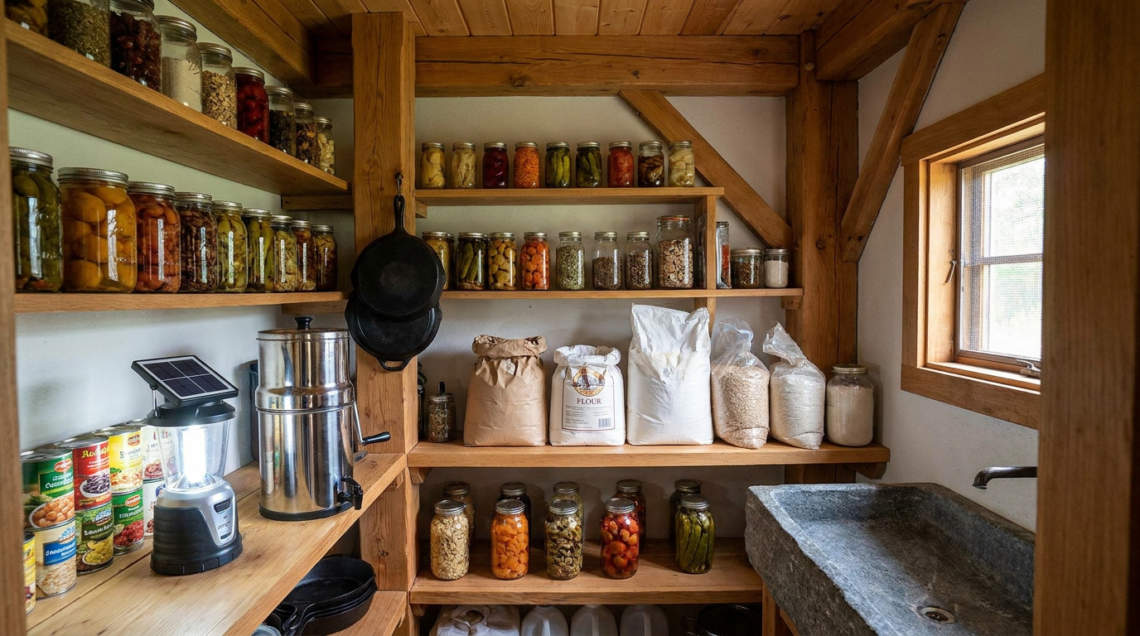
- Dedicated Pantry Room/Closet: The most straightforward option if you have the space. Ensure it’s well-insulated and ideally located on an interior wall or in a basement to maintain stable temperatures.
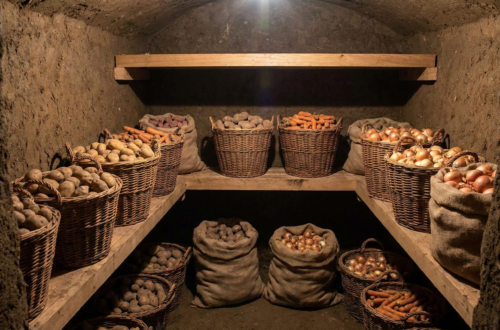
- Root Cellar: An excellent, passive option for storing root vegetables, canned goods, and even some fruits. These naturally maintain cool, humid conditions without electricity. If you’re building from scratch or renovating, a root cellar is a truly off-grid solution.
- Underground Storage/Buried Containers: For extreme long-term storage or security, some people opt for sealed, heavy-duty containers buried in the ground. This requires careful planning for ventilation and moisture control, and ensuring the containers are food-grade and rodent-proof.
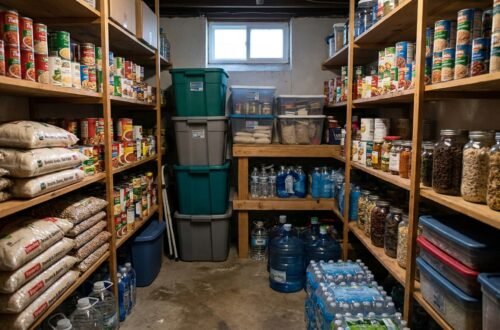
- Shelving Units: Heavy-duty, adjustable shelving is a must. Wire shelving allows for air circulation, while solid shelves can be easier to clean. Organize items by type and expiration date for easy rotation.
Building Your Inventory: What to Stock
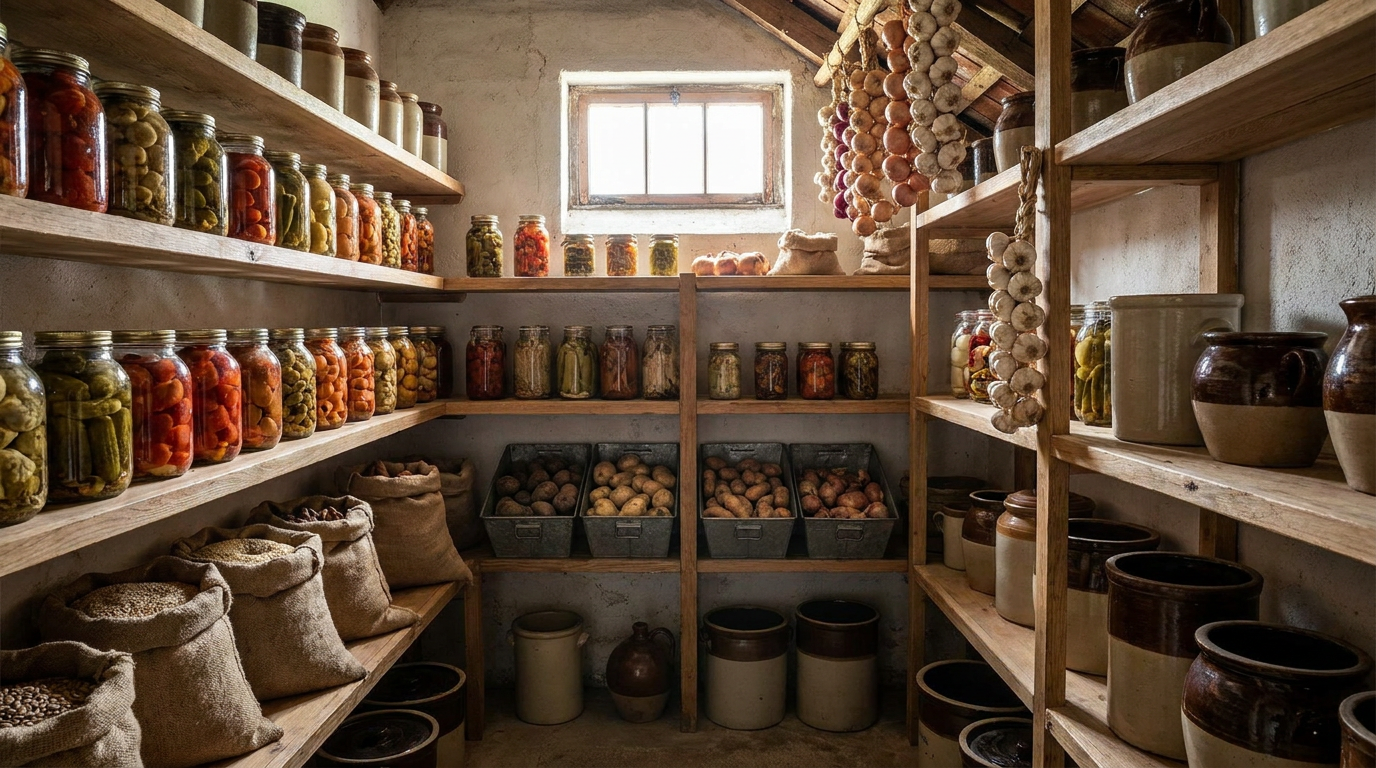
Now for the fun part: filling those shelves. Focus on a balanced approach that covers all your nutritional needs.
Staples: The Backbone of Your Pantry
These are the items that will form the basis of most of your meals. They are typically calorie-dense and have a long shelf life.
Grains and Legumes
- Rice: White rice (long shelf life), brown rice (shorter shelf life, best for regular rotation).
- Pasta: Various shapes.
- Oats: Rolled, steel-cut for breakfasts and baking.
- Flour: All-purpose, whole wheat (store whole wheat in the fridge/freezer for longer shelf life if possible due to oils).
- Cornmeal: For baking and thickening.
- Dried Beans: Black beans, kidney beans, pinto beans, lentils (excellent protein and fiber).
- Dried Peas: Green split peas, yellow split peas.
Oils and Fats
- Vegetable Oil/Canola Oil: Neutral flavor, good for cooking.
- Olive Oil: For flavor and some cooking (note: extra virgin olive oil has a shorter shelf life than refined oils).
- Lard/Coconut Oil: Good for baking, frying, and long-term stability.
- Shortening: Another stable option for baking.
Sweeteners and Salt
- Sugar: White sugar, brown sugar.
- Honey: Indefinite shelf life if stored correctly.
- Maple Syrup: Another long-lasting natural sweetener.
- Salt: Essential for cooking and preservation. Consider both fine and coarse varieties.
Protein Powerhouses: Staying Strong
Protein is vital for satiety and muscle maintenance. Diversify your sources.
Canned Meats and Fish
- Canned Chicken, Beef, Pork: Readily available, pre-cooked, and store well.
- Canned Tuna, Salmon, Sardines: Excellent sources of Omega-3s and protein.
Dried and Dehydrated Options
- Jerky: Homemade or commercially prepared, a good protein snack.
- Freeze-Dried Meats: More expensive but incredibly lightweight and long-lasting if you have the equipment for home freeze-drying.
- Powdered Milk/Eggs: Versatile for cooking and baking.
Legumes and Nuts
- Peanut Butter: High in calories and protein, long shelf life.
- Other Nut Butters: Cashew, almond (check shelf life as some go rancid quicker).
- Dried Edamame/Chickpeas: Can be rehydrated or roasted for snacks.
Fruits and Vegetables: The Vital Nutrients
Don’t neglect your vitamins and minerals. Preservation methods are key here.
Canned Fruits and Vegetables
- Canned Tomatoes: Diced, crushed, sauce – incredibly versatile.
- Canned Corn, Green Beans, Peas: Easy additions to meals.
- Canned Fruit: Peaches, pears, pineapple (in juice or light syrup).
Dried Fruits and Vegetables
- Raisins, Apricots, Cranberries: Great for snacks, baking, and adding to breakfast.
- Dried Potatoes, Carrots, Onions: Rehydrate for soups, stews.
- Dried Herbs and Spices: Don’t underestimate the power of flavor!
Home Preserves
- Jams, Jellies, and Pickles: If you’re into canning, these offer variety and use up garden excess.
- Fermented Vegetables (e.g., Sauerkraut): Packed with probiotics, but typically require refrigeration for optimal long-term storage after opening.
Beyond the Basics: Important Extras
Don’t forget the items that make meals enjoyable and help with hygiene.
Beverages
- Coffee/Tea: For morale and routine.
- Powdered Drink Mixes: For variety and electrolytes.
- Water Filters/Purification Tablets: Absolutely essential. Your biggest pantry item is water.
Condiments and Flavorings
- Vinegar: Multiple uses for cooking, cleaning, and preserving.
- Soy Sauce, Hot Sauce: Flavor enhancers that last a long time.
- Spices: Variety of common spices for enhancing meals.
Comfort Foods
Having some treats can significantly boost morale during challenging times. Chocolate, hard candies, or even pre-packaged cookies can make a big difference. These might not be “essential” but they are part of a balanced mental state.
Preservation Techniques: Making Food Last
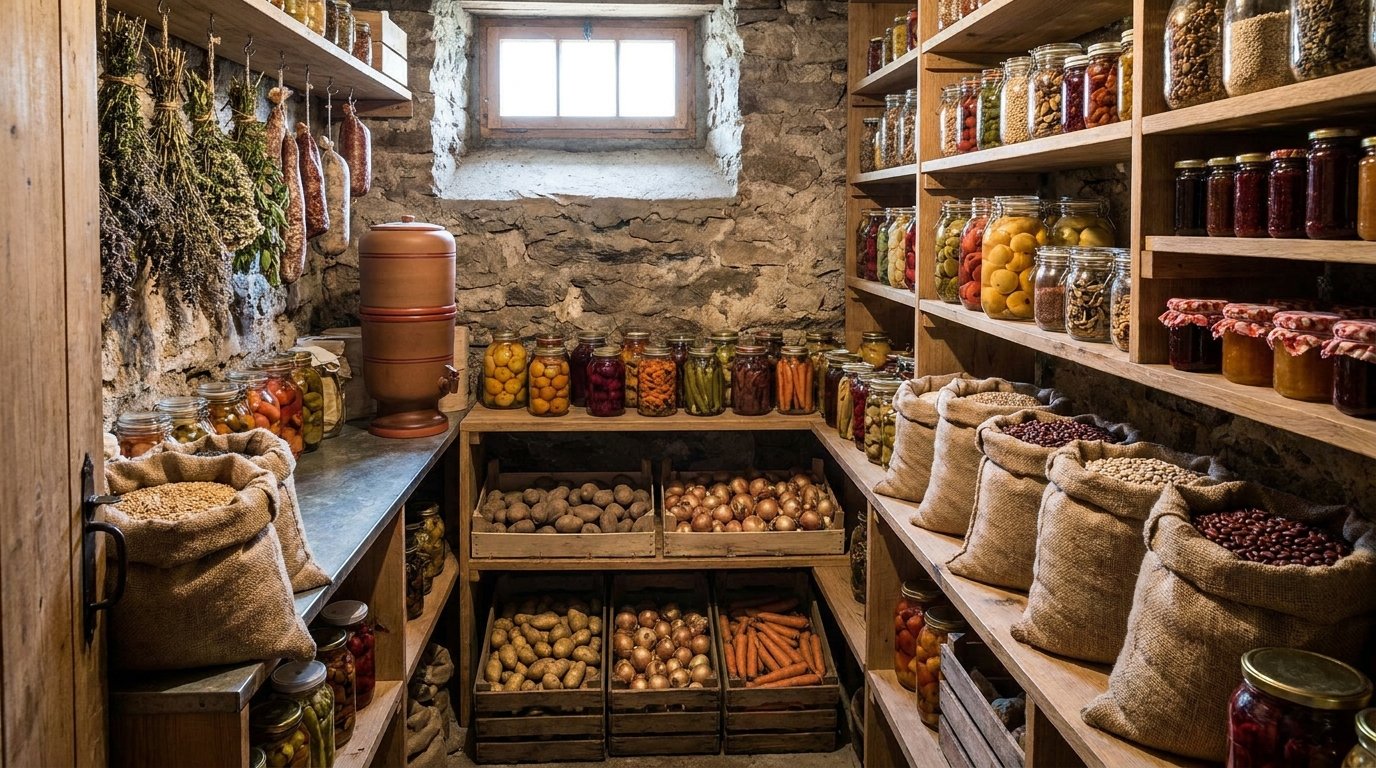
This is where you truly extend the life of your food beyond its grocery store expiration date.
Canning: The Time-Honored Method
Canning involves sealing food in jars and heating them to a temperature that destroys spoilage organisms.
Water Bath Canning
Suitable for high-acid foods (fruits, pickles, tomatoes with added acid). It’s a simpler method, often appealing to beginners. A large pot, canning rack, jars, and lids are all you need.
Pressure Canning
Essential for low-acid foods (vegetables, meats, poultry, fish). This method uses higher temperatures achieved under pressure to kill botulism spores, which can thrive in low-acid environments. A pressure canner is a significant investment but a necessity for safely preserving a wide range of foods.
Dehydrating: Removing Moisture for Longevity
Dehydration removes water content, inhibiting microbial growth.
Dehydrator Use
An electric dehydrator provides controlled heat and airflow, making it efficient for drying fruits, vegetables, and even meats (for jerky).
Sun/Air Drying
A passive and truly off-grid method, suitable for herbs, some fruits, and vegetables in dry, sunny climates. Requires protection from insects and often isn’t consistent enough for meats or bulk quantities.
Freeze-Drying: The Ultimate Preservation
Freeze-drying removes nearly all moisture by freezing the food and then sublimating the ice directly into vapor in a vacuum.
Home Freeze-Drying Machines
A significant investment, but home freeze-dryers allow you to preserve almost any food (cooked meals, dairy, eggs, raw meats, fruits, vegetables) with minimal nutrient loss and an incredibly long shelf life (25+ years if stored correctly). This is the gold standard for long-term, diverse food storage.
Other Methods
- Fermentation: While some fermented foods (like sauerkraut) eventually need refrigeration, initial fermentation can extend the life of fresh produce.
- Salting/Curing: For meats, traditional methods like salting can preserve them for extended periods, though they require careful execution to be safe.
- Vacuum Sealing: While not a preservation method on its own, vacuum sealing extends the shelf life of dry goods by removing oxygen, which slows spoilage and prevents insect infestation. Combine it with oxygen absorbers for even better results.
If you’re interested in creating an Off-Grid Pantry Setup for Beginners, you might also find value in exploring a comprehensive resource on off-grid living. This article offers essential tips and insights that can help you navigate the challenges of self-sufficient living. You can read more about it in this ultimate beginners guide, which covers various aspects of off-grid life, from food storage to energy solutions.
Organization and Rotation: The “Use It Before You Lose It” Principle
| Item | Quantity | Notes |
|---|---|---|
| Shelf-stable foods (canned goods, dried fruits, nuts) | Various | Ensure a variety for balanced nutrition |
| Water storage containers | 2-3 | Consider capacity and portability |
| Cooking equipment (camp stove, portable grill) | 1-2 | Check fuel availability and safety precautions |
| Basic utensils (knife, can opener, spatula) | 1 set | Choose durable and multi-purpose tools |
| First aid kit | 1 | Include essential medical supplies |
A well-stocked pantry is useless if you can’t find anything or if food expires before you eat it.
First-In, First-Out (FIFO) Rule
Always use the oldest items first. When you bring new supplies in, place them behind the existing ones. This prevents food from languishing at the back of the shelf until it’s past its prime. Labels with purchase dates or expiration dates are crucial.
Inventory System
Keep a running inventory. This can be as simple as a notepad and pen or a spreadsheet.
- List of Items: What you have.
- Quantity: How much of each.
- Location: Where it’s stored.
- Expiration Date: When it needs to be used by.
- Notes: Any special considerations.
This helps you track consumption, identifies what you need to replenish, and prevents overbuying.
Shelter for Your Pantry: Pest and Rodent Control
Off-grid living often means you’re closer to nature, and nature wants your food.
Secure Storage Containers
- Mylar Bags with Oxygen Absorbers: Excellent for storing dry goods (grains, legumes, flour) in five-gallon buckets. They protect against moisture, light, and oxygen, and deter insects.
- Airtight Containers: Glass jars with tight-fitting lids, food-grade plastic containers.
- Metal Bins: For items like pet food or highly sought-after staples.
Physical Barriers and Traps
- Seal Entry Points: Caulk cracks, use steel wool to block small holes.
- Door Sweeps: Prevent pests from crawling under doors.
- Traps: Maintain a regular schedule of traps (snap traps for mice, sticky traps for insects) and inspect them frequently.
- Natural Deterrents: Peppermint oil, bay leaves, cedar chips can deter some pests, but are not foolproof.
Regular Inspections
Periodically check your pantry for signs of pest activity (droppings, chewed bags, webs). Address any issues immediately to prevent wider infestations. Cleanliness is paramount. Spilled food or crumbs are an open invitation.
If you’re interested in creating an efficient off-grid pantry setup, you might also want to explore the importance of a reliable water source for your self-sufficient lifestyle. A related article on setting up an off-grid water system can provide valuable insights and tips to complement your pantry preparations. You can read more about it in this helpful guide that covers essential aspects of water management for beginners.
Beyond Food: What Else Your Pantry Needs
An off-grid pantry isn’t just about edible items. A truly resilient setup includes other essentials.
Water Storage and Purification
This deserves its own major consideration. You can live for weeks without food, but only days without water.
- Stored Water: Several gallons per person per day for drinking and hygiene. Large, food-grade barrels are popular.
- Rainwater Harvesting: A great off-grid solution, but requires filtration and purification.
- Water Filters: Gravity filters, pump filters, or whole-house filtration systems.
- Purification Tablets/Bleach (unscented): For emergency disinfection.
Hygiene and Sanitation Supplies
Don’t overlook these. Sickness spreads quickly without proper hygiene.
- Soap: Bar soap, liquid soap, laundry soap.
- Hand Sanitizer: For times when water is scarce.
- Toilet Paper/Sanitary Wipes: Essential for comfort and hygiene.
- Feminine Hygiene Products: Stock appropriately.
- Toothbrushes, Toothpaste: Basic oral hygiene.
First Aid and Medical Supplies
Having a well-stocked first aid kit is paramount when professional medical help might be distant.
- Basic First Aid Kit: Bandages, antiseptics, pain relievers, allergy medication.
- Prescription Medications: A long-term supply if possible (consult your doctor).
- Over-the-Counter Medications: Cold and flu remedies, antacids, anti-diarrhea medicine.
Cooking and Fuel
You need a way to prepare your pantry items.
- Off-Grid Cooking Solutions: Wood-burning stove, rocket stove, solar oven, propane/butane camp stove.
- Fuel Storage: Firewood, propane tanks, charcoal.
- Manual Can Opener: Absolutely vital.
- Cast Iron Cookware: Durable and retains heat well.
Beginning Your Journey: Practical Steps
Don’t get overwhelmed. Start small and build up.
Start with What You Eat
Don’t buy exotic survival foods you’ve never tried. Begin by stocking extra quantities of the shelf-stable foods you regularly consume. This makes rotation easier and ensures you’ll actually eat what you store.
Build Gradually
Instead of making one massive, expensive shopping trip, add a few extra items to your cart each time you go shopping. This spreads the cost and allows you to learn as you go.
Practice and Experiment
Cook with your pantry items. Learn how to rehydrate dried vegetables or prepare meals from basic staples. Experiment with your preservation methods. Nothing beats hands-on experience.
Be Flexible
Circumstances change. Your dietary needs might change, or new preservation techniques might become available. Be prepared to adapt your pantry to suit your evolving off-grid lifestyle. The goal isn’t perfection, it’s resilience.
An off-grid pantry is an ongoing project, not a one-time setup. It requires planning, effort, and continuous maintenance, but the independence and security it provides are well worth the investment. Think of it as a journey towards greater self-sufficiency, one bean, and one jar at a time.
FAQs
What is an off-grid pantry setup?
An off-grid pantry setup refers to the organization and storage of food and supplies in a way that allows for self-sufficiency and sustainability, typically in a remote location without access to traditional utilities.
What are the essential items for an off-grid pantry setup?
Essential items for an off-grid pantry setup include non-perishable food items such as canned goods, dried beans, rice, and pasta, as well as water storage containers, a manual can opener, and basic cooking supplies like a portable stove or campfire cooking equipment.
How can beginners start setting up an off-grid pantry?
Beginners can start setting up an off-grid pantry by assessing their food and water needs, creating a list of essential items, and gradually building up their pantry stockpile over time. It’s important to prioritize items with long shelf lives and consider the space available for storage.
What are some tips for maintaining an off-grid pantry setup?
Tips for maintaining an off-grid pantry setup include regularly rotating food items to ensure freshness, keeping an inventory of supplies, and properly sealing and storing items to prevent spoilage. It’s also important to regularly check for pests and keep the pantry area clean and organized.
What are the benefits of having an off-grid pantry setup?
The benefits of having an off-grid pantry setup include being prepared for emergencies or natural disasters, reducing reliance on grocery stores, and having a sense of self-sufficiency and security. Additionally, it can lead to cost savings and the ability to maintain a healthy and varied diet even in remote locations.