So, you’re thinking about ditching the grid for a bit, or maybe a lot? That’s a big step, and one of the most immediate concerns is, “What are the best foods to stockpile and what do I actually eat when the power’s out and the store’s not an option?” The good news is, you don’t need to live on canned beans and hardtack (unless you really like them!). Stockpiling for off-grid living is all about smart choices that give you variety, nutrition, and longevity. Think of it as building a delicious, resilient pantry.
Table of Contents
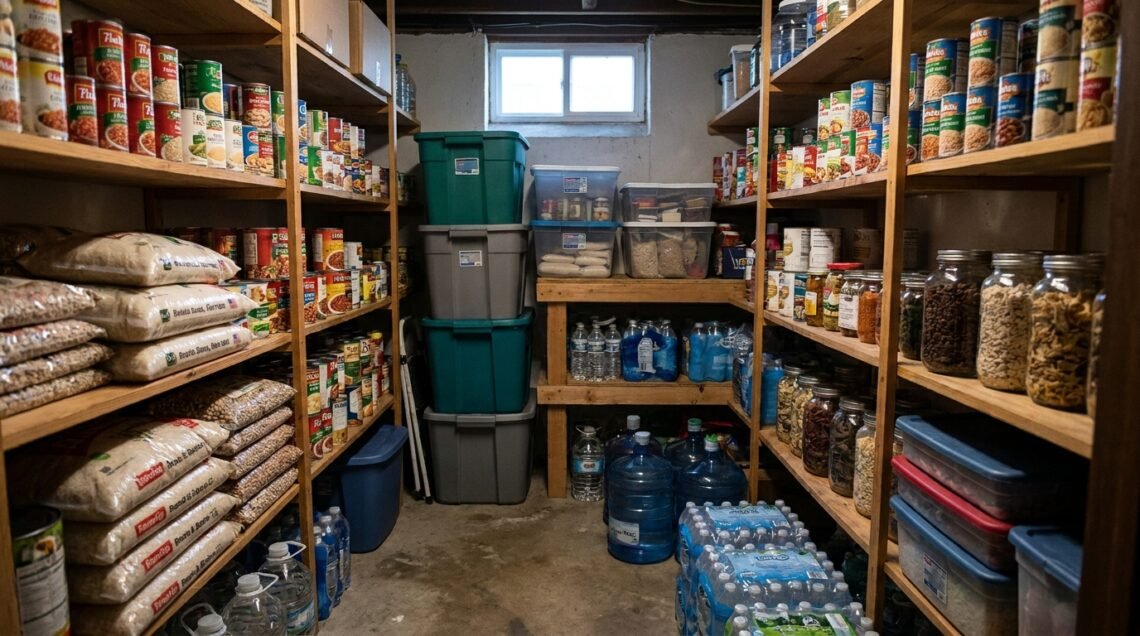
The Foundation: Grains and Legumes
These are your workhorses. They’re packed with calories, protein, and fiber, and they store for ages if kept dry and cool. They form the base of countless meals and are surprisingly versatile.
Rice: The Unsung Hero
- Why it’s great: Rice is incredibly cheap, filling, and lasts for decades unopened. White rice is more calorie-dense and has a slightly longer shelf life than brown rice, but brown rice offers more fiber and nutrients.
- What to stock: All kinds! Long-grain white rice for everyday meals, basmati or jasmine for a bit of flair, and even short-grain for dishes where a stickier texture is desired. Consider both white and brown for a good balance.
- Storage: Keep it in airtight containers – Mylar bags with oxygen absorbers are ideal for long-term storage, but well-sealed plastic tubs or glass jars will also work for shorter to medium durations. Protect it from moisture and pests.
Beans and Lentils: Protein Powerhouses
- Why they’re great: Dried beans and lentils are nutritional giants, offering protein, complex carbs, and iron. They’re also incredibly economical and take up minimal space.
- What to stock: A variety! Kidney beans, black beans, pinto beans, chickpeas, split peas, and various lentils (red, green, brown). Different types offer different textures and flavors, which keeps meals interesting.
- Storage: Similar to rice, airtight containers are key. Mylar bags are excellent for long-term. Ensure they are completely dry before storing.
Oats: The Breakfast Champion
- Why they’re great: Rolled oats (also known as old-fashioned oats) are a fantastic source of fiber and sustained energy. They’re quick to prepare and can be used in more than just breakfast.
- What to stock: Rolled oats. Instant oats have been processed and tend to go rancid faster. Steel-cut oats are also an option but require longer cooking times.
- Storage: Airtight containers. They are susceptible to moisture and oils from other foods, so keep them separate and sealed.
Wheat and Other Ancient Grains
- Why they’re great: If you have the means to grind your own flour, whole wheat berries (hard red, hard white) are an excellent long-term food source. You can also stock up on other grains like quinoa, barley, and millet.
- What to stock: Whole wheat berries are a great starting point. If you have a grain mill, this becomes a very powerful option for fresh flour. Quinoa is a complete protein and cooks relatively quickly.
- Storage: Dry, cool, and airtight. Grains with higher fat content, like oats and quinoa, might not store quite as long as plain white rice or dried beans.
For those interested in sustainable living and preparing for off-grid lifestyles, a great resource to explore is the article on “Off-Grid Living for Beginners: A Simple Guide.” This comprehensive guide offers valuable insights into the essentials of off-grid living, including tips on food storage and preparation. To learn more about how to effectively transition to an off-grid lifestyle, you can read the article here: Off-Grid Living for Beginners: A Simple Guide.
Preserved Proteins: Beyond Canned Tuna
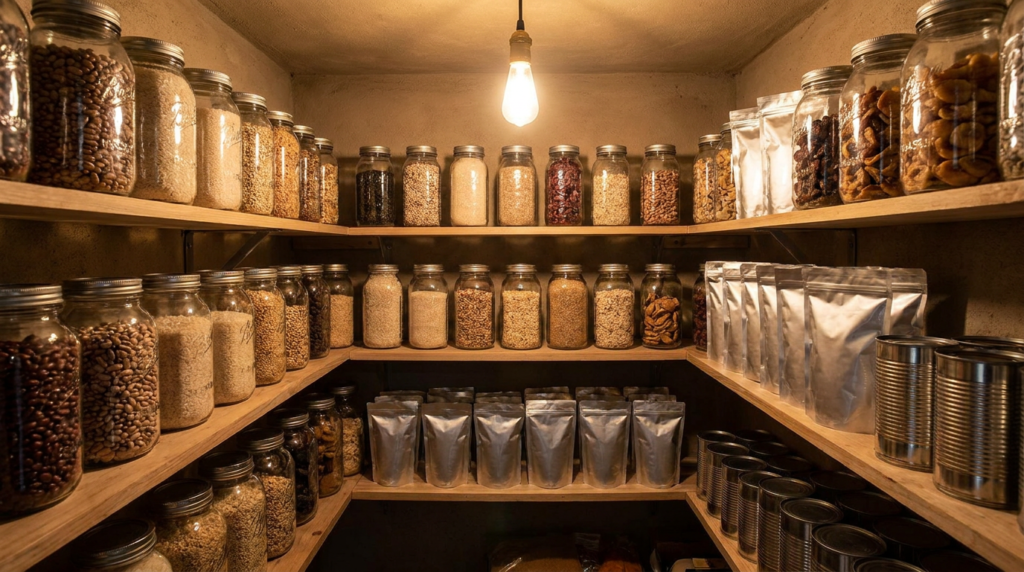
While canned fish and chicken are useful, there are other ways to ensure you have a good protein supply when off-grid. This is crucial for maintaining energy and muscle.
Canned and Pouched Meats and Fish
- Why they’re great: They offer immediate protein without needing refrigeration or cooking. They’re convenient and require no special preparation.
- What to stock: Tuna, salmon, chicken, sardines, and even canned beef or pork. Look for options packed in water or oil. Pouches are lighter and often preferred for portability.
- Storage: Store in a cool, dark place. Check for any damage to the cans or pouches. They have a decent shelf life, but it’s not indefinite like dried goods. Rotate your stock.
Dried Meats and Jerky
- Why they’re great: Properly dried jerky is shelf-stable, incredibly high in protein, and nutrient-dense. It’s also portable and satisfying.
- What to stock: Beef jerky is the most common, but you can also find turkey, venison, and even salmon jerky. Look for brands with minimal additives and low sodium if possible.
- Storage: Keep in airtight packaging, ideally in a cool, dry environment. It’s susceptible to moisture and oils, which can lead to spoilage.
Freeze-Dried Meats and Meals
- Why they’re great: Freeze-drying removes water while preserving the food’s nutrients, texture, and flavor remarkably well. They have an extremely long shelf life and are very lightweight.
- What to stock: Consider individual freeze-dried meats like chicken breast, ground beef, or salmon. You can also get complete freeze-dried meals which are convenient for busy times.
- Storage: Keep in their original Mylar pouches, sealed. They are highly resistant to spoilage.
Eggs: A Versatile Storable Protein
- Why they’re great: While fresh eggs require refrigeration, there are ways to store them for longer periods. They’re a fantastic source of protein, fat, and nutrients.
- What to stock: Consider powdered eggs or freeze-dried eggs. These are excellent alternatives to fresh eggs when refrigeration isn’t a guarantee.
- Storage: Powdered eggs need to be kept dry and cool. Freeze-dried eggs are stored in the same way as other freeze-dried items. If you have access to fresh eggs and good preservation methods (like water glassing), that’s another option for shorter to medium-term storage.
Fats and Oils: Essential for Energy and Flavor
Fats are vital for energy, hormone production, and absorbing fat-soluble vitamins. They also make food taste much better, which is important for morale when you’re living simply.
Cooking Oils: The Lifeblood of Flavor
- Why they’re great: Without cooking oil, many of your stored staples will be bland and less palatable. They provide essential calories and improve the cooking experience.
- What to stock: Coconut oil, olive oil, and vegetable oil are good choices. Coconut oil has a high smoke point and is very stable and long-lasting. Olive oil is great for flavor, but some varieties can go rancid faster.
- Storage: Store in dark, cool places. For very long-term storage, consider vacuum-sealing smaller containers or using opaque bottles. They are sensitive to light and heat.
Fats for Cooking and Baking: Lard and Shortening
- Why they’re great: These provide satiety and are invaluable for baking and certain types of cooking. They are generally more shelf-stable than liquid oils due to lower water content.
- What to stock: Lard (rendered pork fat) and vegetable shortening.
- Storage: Keep in cool, dark places. Lard can be canned or vacuum-sealed for extended storage. Shortening is typically quite stable.
Nuts and Seeds: Nutrient-Dense Powerhouses
- Why they’re great: Nuts and seeds are packed with healthy fats, protein, fiber, vitamins, and minerals. They are calorie-dense and can be eaten as snacks or added to meals.
- What to stock: Almonds, walnuts, peanuts, sunflower seeds, pumpkin seeds, chia seeds, and flax seeds.
- Storage: Store in airtight containers in a cool, dark place. For longer storage, consider vacuum-sealing them. Their natural oils can go rancid over time.
Fruits and Vegetables: Vital for Vitamins and Variety
This is where many people get concerned. How do you keep getting your vitamins and minerals when you can’t just pop to the produce aisle? Thankfully, there are excellent long-term solutions.
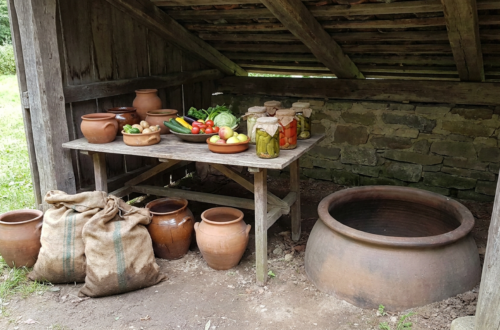
Canned Fruits and Vegetables: The Old Standbys
- Why they’re great: They provide essential vitamins, minerals, and fiber. They’re readily available and don’t require any special preparation beyond opening the can.
- What to stock: A wide variety! Think corn, peas, green beans, carrots, tomatoes, peaches, pears, pineapple, and berries. Look for options packed in water or their own juice, rather than heavy syrups.
- Storage: Cool, dark, and dry. Inspect cans for dents or rust. They have a substantial shelf life but are not as long-lasting as dried goods.
Freeze-Dried Fruits and Vegetables: The Modern Marvel
- Why they’re great: As mentioned with proteins, freeze-drying preserves nutrients and texture exceptionally well. They rehydrate quickly and make a huge difference for variety and micronutrient intake.
- What to stock: Everything! Apples, berries, bananas, broccoli, spinach, peas, carrots, onions, mushrooms – the list is extensive.
- Storage: Keep in their original Mylar pouches. They are incredibly stable and will last for years.
Dehydrated Fruits and Vegetables
- Why they’re great: Dehydrating is a fantastic way to preserve produce at home if you have a dehydrator. It’s lighter than canning and retains a good amount of nutrients.
- What to stock: Sun-dried tomatoes, dehydrated onions, garlic flakes, apple rings, and vegetable flakes for soups and stews.
- Storage: Store in airtight containers in a cool, dark, dry place. They are susceptible to moisture.
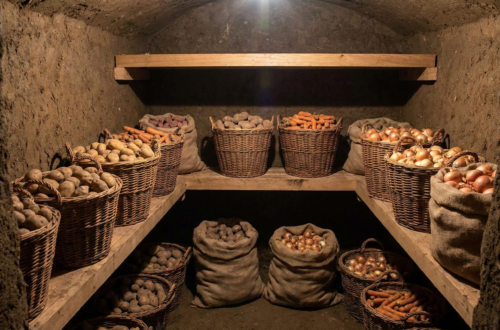
Root Vegetables: The Long Haul
- Why they’re great: Certain root vegetables are naturally long-storing and can be kept for months in the right conditions, even without specialized preservation.
- What to stock: Potatoes, sweet potatoes, onions, garlic, carrots, and beets.
- Storage: Store in a cool, dark, and well-ventilated place (think root cellar conditions). Avoid storing them near each other, as some emit ethylene gas that can speed up spoilage. Keep them dry.
When preparing for off-grid living, it’s essential to consider not only the best foods to stockpile but also the energy solutions that will support your lifestyle. For instance, understanding the differences between battery types can significantly impact your energy management. You can learn more about this in the article on lithium vs lead-acid batteries for off-grid solar, which provides valuable insights into choosing the right power source for your needs. This knowledge will help ensure that your off-grid experience is both sustainable and efficient.
Sweeteners, Flavorings, and Comfort Foods
Life off-grid isn’t just about survival; it’s also about maintaining morale and enjoying your food. These items add that crucial element of comfort and versatility.
Sweeteners: From Natural to Shelf-Stable
- Why they’re great: Sugar, honey, and maple syrup are not only for treats but also play roles in preserving and flavoring.
- What to stock:
- Honey: If stored properly, true raw honey can last indefinitely. It’s a natural sweetener and has some antimicrobial properties.
- Sugar: Granulated sugar has a very long shelf life if kept dry and pest-free.
- Maple Syrup: Real maple syrup stored in sealed containers will last a good while, though it’s often best to refrigerate after opening.
- Storage: Keep sugars dry and sealed. Honey is best in glass jars.
Spices and Herbs: The Flavor Multipliers
- Why they’re great: A well-stocked spice rack can transform bland ingredients into delicious meals. They are incredibly potent and a little goes a long way.
- What to stock: Salt, pepper, garlic powder, onion powder, chili powder, cumin, oregano, basil, thyme, paprika, and any other favorites. Don’t forget bouillon cubes or powder for added savory flavor to broths and dishes.
- Storage: Keep in airtight containers away from light and heat. Whole spices tend to last longer than ground.
Coffee, Tea, and Cocoa: The Morale Boosters
- Why they’re great: These are essential comfort items for many people. They provide warmth, flavor, and a sense of normalcy.
- What to stock:
- Coffee: Whole bean coffee stored in airtight containers or vacuum-sealed bags.
- Tea: Black, green, herbal teas – whatever you prefer, stored in airtight containers.
- Cocoa Powder: Unsweetened cocoa powder stores very well and can be used in baking and drinks.
- Storage: Keep dry and away from strong odors.
Comfort Foods: The Little Luxuries
- Why they’re great: Having a few special items can make a significant difference to morale.
- What to stock: Think about what makes you feel good. Maybe it’s chocolate, hard candies, crackers, or even a bottle of your favorite hot sauce.
- Storage: Varies by item, but generally cool, dry, and protected from pests.
This list isn’t exhaustive, of course. The “best” foods for you will depend on your dietary needs, cooking skills, available storage space, and personal preferences. The key is to prioritize nutrient density, variety, and longevity. Happy stockpiling!
FAQs
What are the best foods to stockpile for off-grid living?
Some of the best foods to stockpile for off-grid living include non-perishable items such as canned goods, dried fruits and vegetables, rice, pasta, beans, and nuts. These foods have a long shelf life and provide essential nutrients.
How long do these stockpiled foods last?
The shelf life of stockpiled foods can vary, but generally, canned goods can last for 1-5 years, dried fruits and vegetables can last for 6-12 months, rice and pasta can last for 1-2 years, and beans and nuts can last for 1-3 years if stored properly in a cool, dry place.
What are some considerations for stockpiling food for off-grid living?
When stockpiling food for off-grid living, it’s important to consider the nutritional value of the foods, the storage conditions, and the dietary needs of individuals in the household. It’s also important to rotate stockpiled foods to ensure they are used before their expiration dates.
How much food should I stockpile for off-grid living?
The amount of food to stockpile for off-grid living can vary depending on factors such as the number of people in the household, dietary needs, and the length of time you want to be prepared for. A general guideline is to have a 3-month supply of non-perishable foods.
What are some other essential items to stockpile for off-grid living?
In addition to food, other essential items to stockpile for off-grid living include water, medical supplies, hygiene products, cooking fuel, and emergency supplies such as flashlights, batteries, and a first aid kit. These items can help ensure you are prepared for any off-grid living situation.