
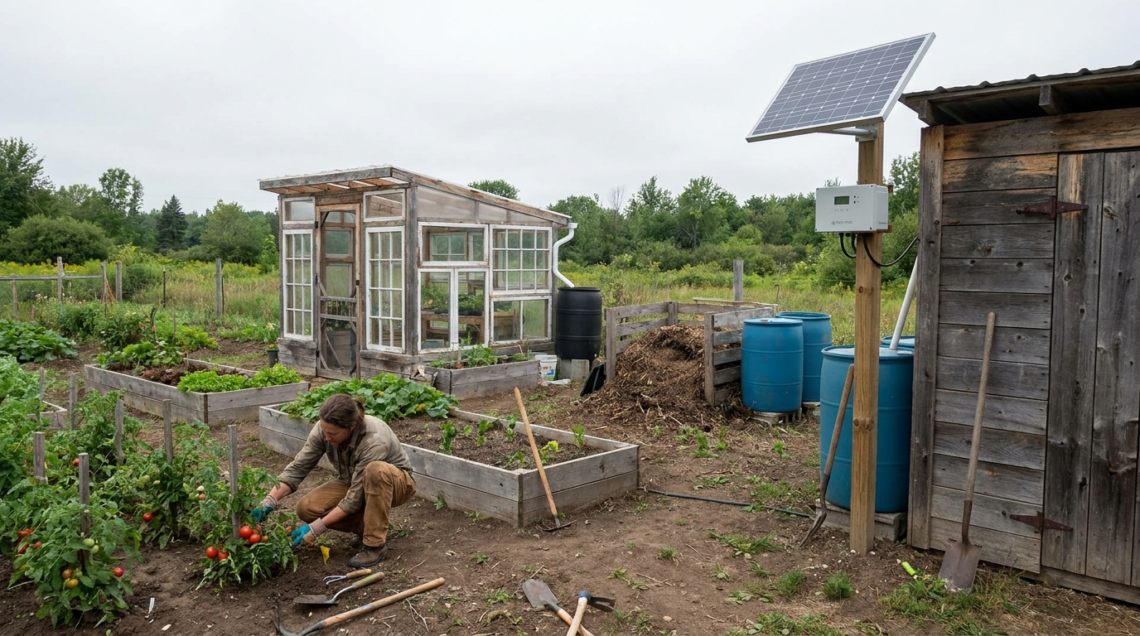
So, you’re thinking about diving into off-grid gardening? Great idea! It’s all about growing your own food without relying on mains power, public water, or store-bought inputs. Think self-sufficiency, resilience, and a deeper connection to where your food comes from. This isn’t just about saving a few bucks or escaping the grocery store; it’s about building a sustainable system that works for you. Let’s get started on your journey from seed to supper.
Off-grid gardening, at its core, is about minimizing external dependencies. It’s not necessarily about living in a remote cabin with no contact with the outside world, though it can be. It’s more about adopting practices that reduce your reliance on conventional infrastructure and resources. This means everything from capturing rainwater to making your own compost and choosing resilient plant varieties.
Table of Contents
What Makes it Different?
Traditional gardening often assumes access to municipal water, electricity for pumps, and a readily available supply of amendments and fertilizers from a garden center. Off-grid gardening challenges these assumptions from the get-go. You’re consciously opting out of those systems wherever possible, building your own little ecosystem.
Why Go Off-Grid?
People choose off-grid gardening for various reasons. For some, it’s about preparedness and food security in an uncertain world. For others, it’s a philosophical choice, a desire to live more sustainably and reduce their environmental footprint. It can also be a fantastic way to save money in the long run and enjoy exceptionally fresh, healthy produce.
If you’re interested in enhancing your off-grid gardening experience, you might find it beneficial to explore the article on off-grid solar systems. Understanding how to harness solar energy can significantly improve your gardening efforts, especially when it comes to powering tools and irrigation systems. For more insights, check out this related article on solar systems: Off-Grid Solar Systems: Which is Best?.
Planning Your Off-Grid Garden
Good planning is absolutely crucial when you’re going off-grid. You can’t just wing it like you might with a small balcony garden. Every resource is precious, and every decision has a ripple effect.
Site Selection: Location, Location, Location
Where you put your garden is probably the most important decision you’ll make. It affects everything from sunlight to water access.
Sun Exposure
Most vegetables need at least 6-8 hours of direct sunlight per day. Observe your proposed garden spot throughout the day and across different seasons if possible. Are there any trees or buildings that cast long shadows? A south-facing slope (in the northern hemisphere) or north-facing (in the southern hemisphere) is often ideal.
Water Access
This is paramount. Is there a natural slope that could help with gravity-fed irrigation? Is it close enough to a rainwater collection point? Avoid low-lying areas that might get waterlogged, but also high, exposed areas that dry out quickly.
Soil Quality
While you can amend soil, starting with decent soil saves a lot of work. How does it drain? What’s its texture like? A simple soil test can give you a lot of information about its pH and nutrient levels.
Wind Protection
Strong winds can dry out plants, knock them over, and even damage garden structures. Consider natural windbreaks like existing hedges or fences, or plan to plant some.
Choosing Your Crops
Not all plants are created equal when it comes to off-grid resilience. Think about what will give you the most bang for your buck in terms of nutrition and yield, with minimal inputs.
Staple Crops
These are your workhorses: potatoes, sweet potatoes, squash, corn, beans (especially drying beans), and grains if you have the space and ambition (though grains are a big undertaking). They provide bulk calories and can often be stored for long periods.
High-Yield Vegetables
Tomatoes, peppers, cucumber, leafy greens (like perpetual spinach or chard), and root vegetables (carrots, beets) are good choices for consistent harvests.
Perennials for Longevity
Consider fruit trees, berry bushes (raspberries, blueberries, currants), asparagus, and rhubarb. These require an initial investment of time but provide harvests for years without replanting. They also often require less active management once established.
Drought-Tolerant Varieties
Especially if you’re in a drier climate, prioritize plants known to handle less water, such as certain varieties of corn, squash, sunflowers, and some herbs like rosemary.
Water Management: The Lifeblood of Your Garden
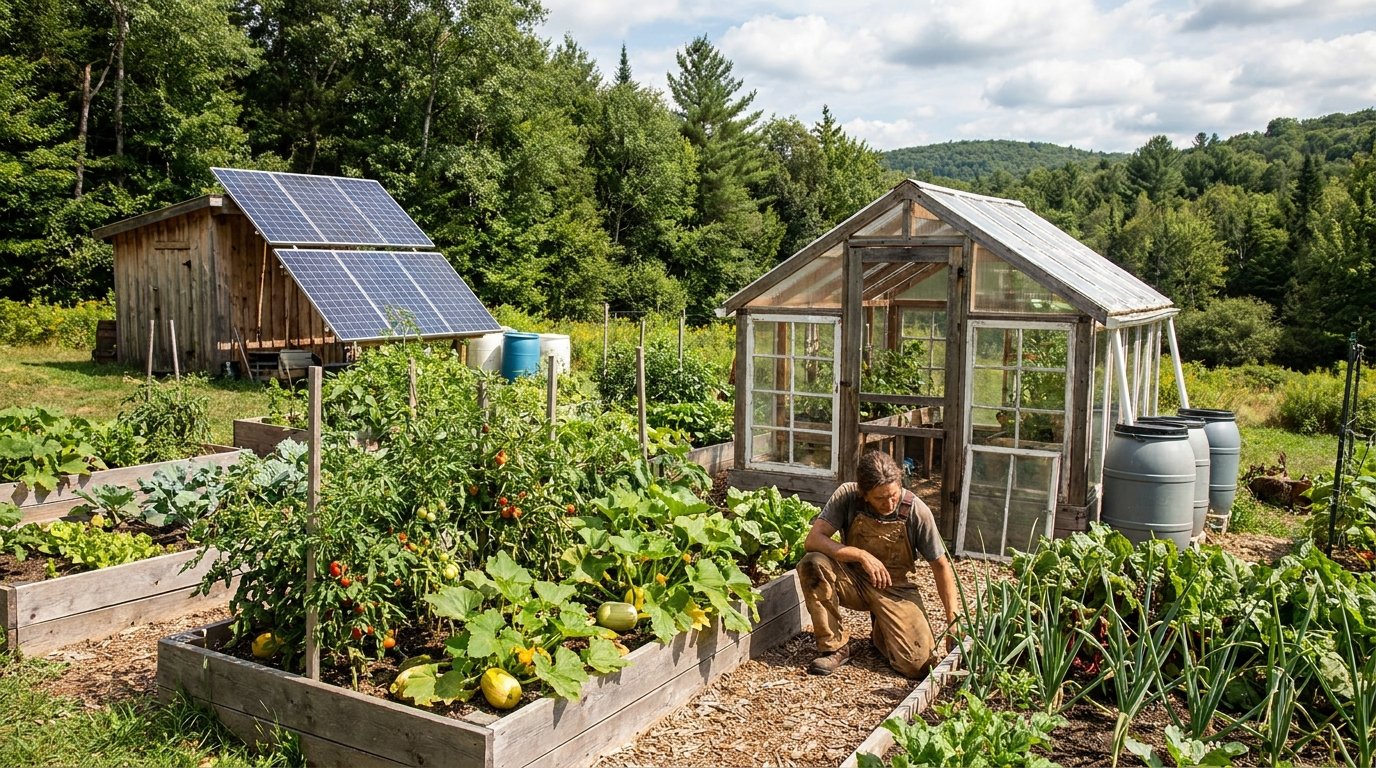
Perhaps the biggest challenge in off-grid gardening is water. You can’t just turn on a tap. You need to capture, store, and use it wisely.
Rainwater Harvesting
This is your primary source of pure, soft water. It’s often better for plants than chlorinated tap water.
Gutters and Barrels
Install gutters on any structure – your home, shed, even a dedicated rainwater harvesting “roof” – and direct the downspouts into large barrels or cisterns. Start with 55-gallon drums, but consider larger IBC totes or even underground tanks for significant storage.
First-Flush Diversion
Crucial for collecting clean water. The first bit of rain washes dust, leaves, and bird droppings off your roof. A first-flush diverter sends this initial dirty water away before clean water fills your storage.
Filtering
For general garden use, a simple screen over the downspout to prevent large debris is usually enough. For highly sensitive plants or if you want to store water for very long periods, consider more advanced filtration.
Water Conservation Techniques
Every drop counts when you’re off-grid.
Mulching
Apply a thick layer (4-6 inches) of organic mulch like straw, wood chips, or shredded leaves around your plants. This dramatically reduces evaporation, suppresses weeds, and enriches the soil as it breaks down.
Drip Irrigation and Soaker Hoses
These deliver water directly to the plant’s root zone, minimizing waste from evaporation and runoff. They are much more efficient than overhead sprinklers. You can often gravity-feed these systems from elevated water tanks.
Watering Deeply and Infrequently
Encourage deep root growth by watering less often but more thoroughly. This makes plants more resilient to dry spells.
Companion Planting
Some plants can share resources or even shade the soil for others, helping to conserve moisture. For example, the “three sisters” method (corn, beans, squash) where the squash leaves shade the soil.
Soil Building: Your Garden’s Foundation
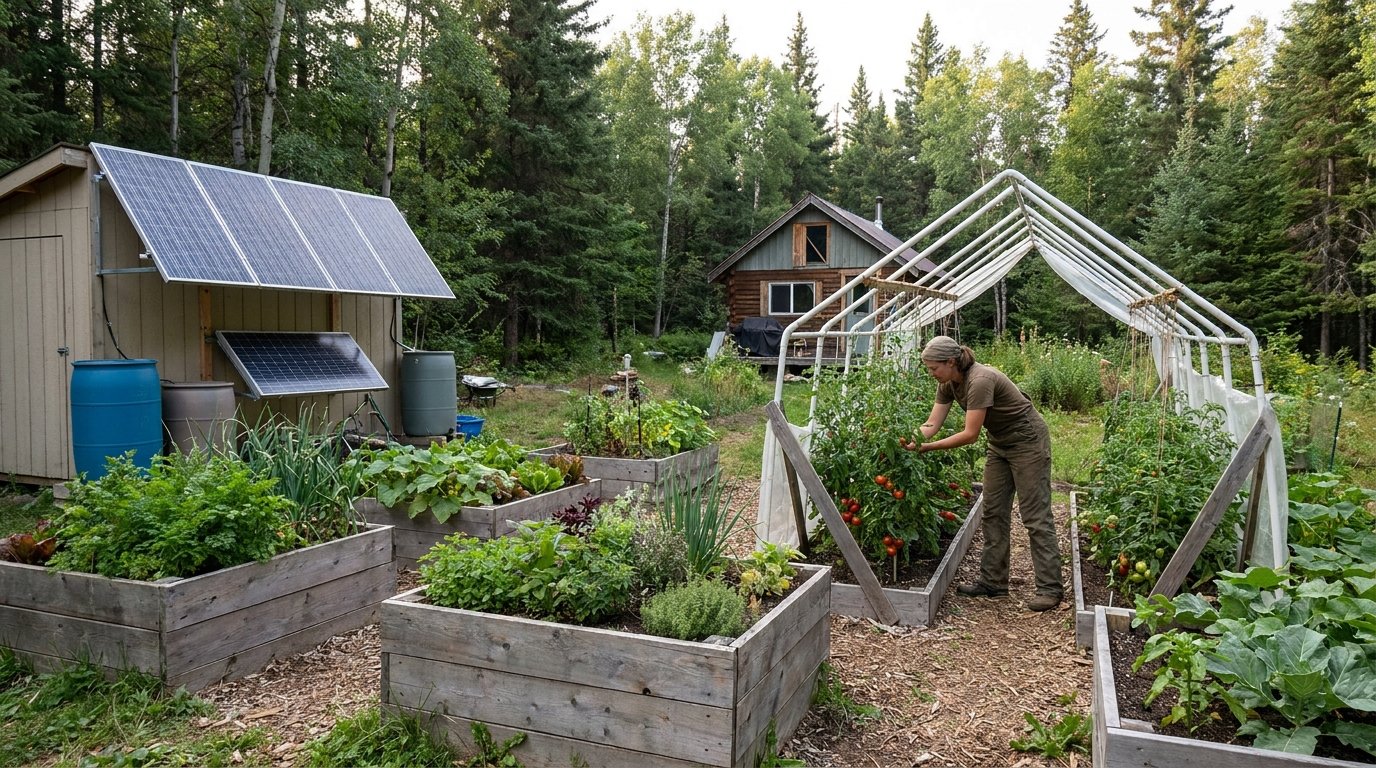
Healthy soil is the engine of your off-grid garden. You won’t be running to the store for bags of chemical fertilizer; you’ll be making your own.
Composting
This is non-negotiable. Composting turns kitchen scraps, garden waste, and other organic materials into nutrient-rich soil amendment.
Hot Composting
For faster results, aim for a balanced mix of “greens” (nitrogen-rich: food scraps, grass clippings) and “browns” (carbon-rich: dry leaves, straw, wood chips). Keep it moist and turn it regularly to aerate it and speed up decomposition. A typical hot pile can be ready in a few weeks to a few months.
Cold Composting
Slower, but less work. Just pile up organic materials and let nature do its thing. It takes longer (6 months to a year or more) but still produces valuable compost.
Vermicomposting (Worm Composting)
A great option for kitchen scraps, especially if space is limited. Red wigglers efficiently convert food waste into nutrient-rich worm castings, an excellent soil amendment.
Cover Cropping
When garden beds are not actively growing vegetables, plant cover crops like clover, vetch, or ryegrass.
Benefits of Cover Crops
They prevent soil erosion, add organic matter, suppress weeds, and some (like legumes) fix nitrogen, enriching the soil for your next crop without external inputs. They also help improve soil structure.
“Chop and Drop”
When it’s time to plant, simply cut down your cover crops at the base and leave them on the soil surface as a natural mulch and slow-release fertilizer.
Soil Testing and Amendments
Start with a basic soil test to understand your baseline. You can do this with DIY kits or send samples to local agricultural extensions.
Natural Amendments
Based on your test results, you might need to add specific minerals. Sources could include wood ash (for potassium and to raise pH), bone meal (phosphorus), or crushed eggshells (calcium). Always use these in moderation and based on need.
If you’re interested in off-grid gardening, you might also want to explore the legal aspects of off-grid living. Understanding the essential laws can help you navigate the challenges of cultivating your own food sustainably. For more information on this topic, check out this insightful article on off-grid living laws, which provides valuable guidance for beginners looking to thrive in their off-grid gardening journey.
Pest and Disease Management (Off-Grid Style)
| Topic | Metrics |
|---|---|
| Number of Chapters | 10 |
| Total Pages | 150 |
| Number of Illustrations | 50 |
| Recommended Tools | Shovel, Hoe, Watering Can, Pruning Shears |
| Key Topics | Soil Preparation, Planting, Watering, Pest Control |
Without synthetic pesticides, you’ll rely on observation, prevention, and natural methods to keep your plants healthy.
Healthy Plants are Resistant Plants
The best defense is a strong offense. Plants grown in healthy, nutrient-rich soil with adequate water and sunlight are far less susceptible to pests and diseases. Focus on good growing practices first.
Integrated Pest Management (IPM)
This is a holistic approach, prioritizing prevention and non-toxic solutions.
Companion Planting for Pest Control
Certain plants can deter pests or attract beneficial insects. Marigolds are known to repel nematodes. Nasturtiums can act as a “trap crop,” luring aphids away from your main plants. Dill and fennel attract beneficial predatory insects like ladybugs.
Physical Barriers
Nets, row covers, and even simple fences can protect young plants from birds, rabbits, and larger insects. Hand-picking larger pests like tomato hornworms or slugs is also an effective, low-tech method.
Crop Rotation
Don’t plant the same crop in the same spot year after year. Rotating your crops helps break disease cycles and prevents specific pests from building up in the soil. Different plant families have different nutrient needs, so rotation also helps balance soil health.
Homemade Pest Sprays
Simple concoctions can work wonders. A diluted soap spray can deter aphids. Garlic or chili pepper sprays can repel various insects. Neem oil is a natural insecticide that can disrupt insect life cycles. Always test on a small area first.
Dealing with Diseases
Prevention is key, as treating plant diseases can be difficult without chemical interventions.
Proper Spacing and Airflow
Crowded plants lead to poor air circulation, which can encourage fungal diseases. Give your plants room to breathe.
Sanitation
Remove and destroy diseased plant material immediately to prevent spread. Clean your tools between uses.
Choosing Resistant Varieties
When selecting seeds, look for varieties known to have good resistance to common local diseases.
If you’re eager to dive into off-grid gardening, you might find it beneficial to explore related topics that enhance your self-sufficiency skills. A great resource is an article that provides a simple guide to off-grid living, which can complement your gardening journey by offering insights into sustainable practices and lifestyle choices. You can read more about it in this simple guide to off-grid living, where you’ll discover tips that can help you thrive in a self-sustained environment.
Harvesting, Storage, and Seed Saving
You’ve put in all that hard work; now it’s time to enjoy the fruits (and vegetables!) of your labor. Off-grid living often means a greater focus on preserving your harvest.
Optimal Harvesting Times
Learning when to harvest for peak flavor and nutrition is an art. Don’t let produce get overripe, and harvest leafy greens frequently to encourage more growth. Root vegetables can often stay in the ground longer.
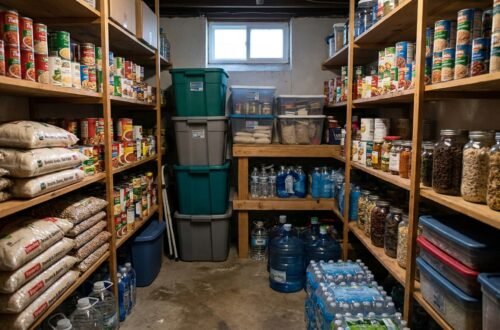
Off-Grid Storage Solutions
Since you might not have constant refrigeration or freezer access, traditional storage methods become very important.
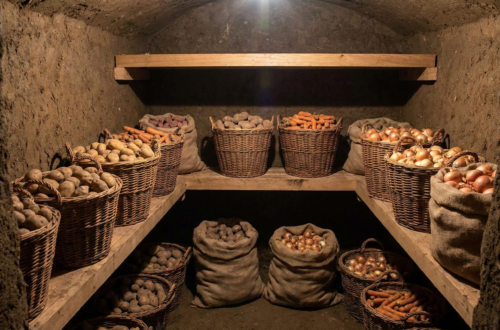
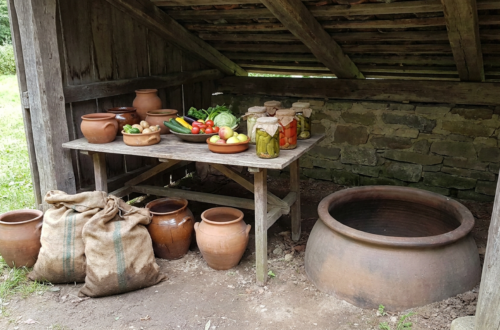
Root Cellars or Cool Basements
Ideal for storing root vegetables (carrots, potatoes, beets), squash, and apples. A consistent cool (35-50°F / 2-10°C) and humid environment is key.
Drying
Herbs, some fruits (apples, berries), and even thin slices of vegetables can be dried in the sun, a solar dehydrator, or indoors in a warm, dry area.
Fermentation
Sauerkraut, kimchi, and lacto-fermented pickles are excellent ways to preserve vegetables and add probiotics to your diet. Requires minimal energy and simple ingredients.
Canning (Water Bath and Pressure)
While canning can be energy-intensive if done indoors on a stove, it’s a very effective way to preserve a wide variety of produce for long-term shelf storage. Consider using a rocket stove or outdoor fire for the heat source.
Seed Saving
Closing the loop on your gardening journey means saving your own seeds. This reduces future costs, allows you to develop varieties adapted to your specific garden conditions, and makes you truly self-sufficient.
Open-Pollinated vs. Hybrid Seeds
Always choose open-pollinated (OP) or heirloom varieties if you plan to save seeds. Hybrid (F1) seeds will not reliably produce true-to-type plants in the next generation.
Isolation and Selection
To keep varieties pure, you might need to isolate them from other similar plants (though for home gardens, this is less critical unless you’re aiming for commercial quality). Select seeds from your healthiest, most productive plants.
Proper Cleaning and Storage
Clean seeds thoroughly, ensuring no pulp or debris, and dry them completely. Store them in airtight containers in a cool, dark, dry place. Label everything!
Off-grid gardening is a journey, not a destination. You’ll learn something new every season, face challenges, and celebrate successes. It’s about building resilience, understanding natural cycles, and enjoying the incredible satisfaction of providing for yourself. Take it one step at a time, observe your environment, and adapt as you go. Happy growing!
FAQs
What is off-grid gardening?
Off-grid gardening refers to the practice of growing plants and vegetables without relying on traditional utilities such as electricity, water, or gas. It involves using alternative methods for irrigation, fertilization, and pest control.
What are the benefits of off-grid gardening?
Off-grid gardening allows individuals to become more self-sufficient and reduce their reliance on external resources. It also promotes sustainability, reduces environmental impact, and provides access to fresh, organic produce.
What are some essential tools and supplies for off-grid gardening?
Essential tools and supplies for off-grid gardening include hand tools (such as shovels, hoes, and rakes), watering cans, rain barrels, compost bins, organic fertilizers, and non-GMO seeds. Additionally, having a reliable source of water, such as a well or rainwater collection system, is crucial.
What are some common challenges of off-grid gardening?
Common challenges of off-grid gardening include limited access to water, unpredictable weather conditions, and the need for alternative pest control methods. Additionally, off-grid gardeners may face difficulties in storing and preserving their harvest without traditional refrigeration or canning methods.
What are some tips for beginners interested in off-grid gardening?
For beginners interested in off-grid gardening, it’s important to start small and gradually expand your garden as you gain experience. Focus on learning about sustainable gardening practices, water conservation techniques, and natural pest control methods. Additionally, consider joining a community garden or seeking guidance from experienced off-grid gardeners.


One comment on “Off-Grid Gardening for Beginners (Start to Harvest)”
Comments are closed.