Choosing where to establish your off-grid homestead isn’t just about finding affordable land—it’s about navigating a complex web of regulations, climate considerations, and infrastructure costs. The best states for off-grid living balance permissive building codes with reasonable land prices and favorable natural conditions. After analyzing real-world experiences from dozens of off-grid families and examining state-by-state regulations, clear patterns emerge about which locations offer the smoothest path to self-sufficient living.
Based on comprehensive data from off-grid communities across America, the top states consistently rank high due to three critical factors: minimal building restrictions, low property costs, and abundant natural resources like water and sunlight. Tennessee, Missouri, and Texas lead the pack for their combination of lenient regulations and affordable entry points. However, the “best” state ultimately depends on your specific priorities—whether that’s solar potential, water rights, or freedom from zoning enforcement. The following case studies examine real families who successfully transitioned to off-grid living in different states, revealing the practical challenges and costs they encountered along the way.
Case Study: The Morrison Family in Tennessee
When the Morrison family decided to leave suburban Atlanta in 2021, they spent six months researching states before settling on rural Tennessee. Their primary concerns were building code flexibility and startup costs under $80,000 for land and initial infrastructure.
They purchased 12 acres in Humphreys County for $42,000—significantly below the national average for comparable acreage. Tennessee’s advantage became immediately clear during the permitting process. The county required only a basic septic permit, costing $350, with no mandatory inspections for their owner-built cabin under 1,000 square feet.
The Morrison’s total initial investment breakdown looked like this:
- Land purchase: $42,000
- Well drilling (180 feet): $8,500
- Septic system: $3,200
- Solar setup (6kW): $14,000
- Cabin materials: $18,000
- Permits and fees: $850
Total startup cost: $86,550. While slightly over their initial budget, they completed the transition within eight months. Tennessee’s lack of statewide building codes meant decisions happened at the county level, and Humphreys County proved remarkably accommodating to alternative building methods.
Navigating Tennessee’s Regulatory Environment
What the Morrisons discovered is that Tennessee operates on a county-by-county basis for most regulations. Some counties enforce International Building Codes strictly, while others have minimal oversight. Before purchasing land, they contacted three different county building departments to compare requirements.
Their cabin construction approach utilized standard materials but avoided the need for professional inspections by staying under square footage thresholds. This flexibility saved them approximately $6,000 in inspection fees and architectural plans that neighboring counties would have required.
The county inspector told us outright: ‘Build it safe, but we’re not going to micromanage owner-occupied structures on this much land.’ That attitude made everything possible.
Tennessee also allows rainwater harvesting without restrictions, which the Morrisons implemented as a backup to their well system. This dual-water approach provides redundancy while adding minimal cost—roughly $1,200 for collection barrels and basic filtration.
Case Study: Retired Couple in Missouri Hill Country
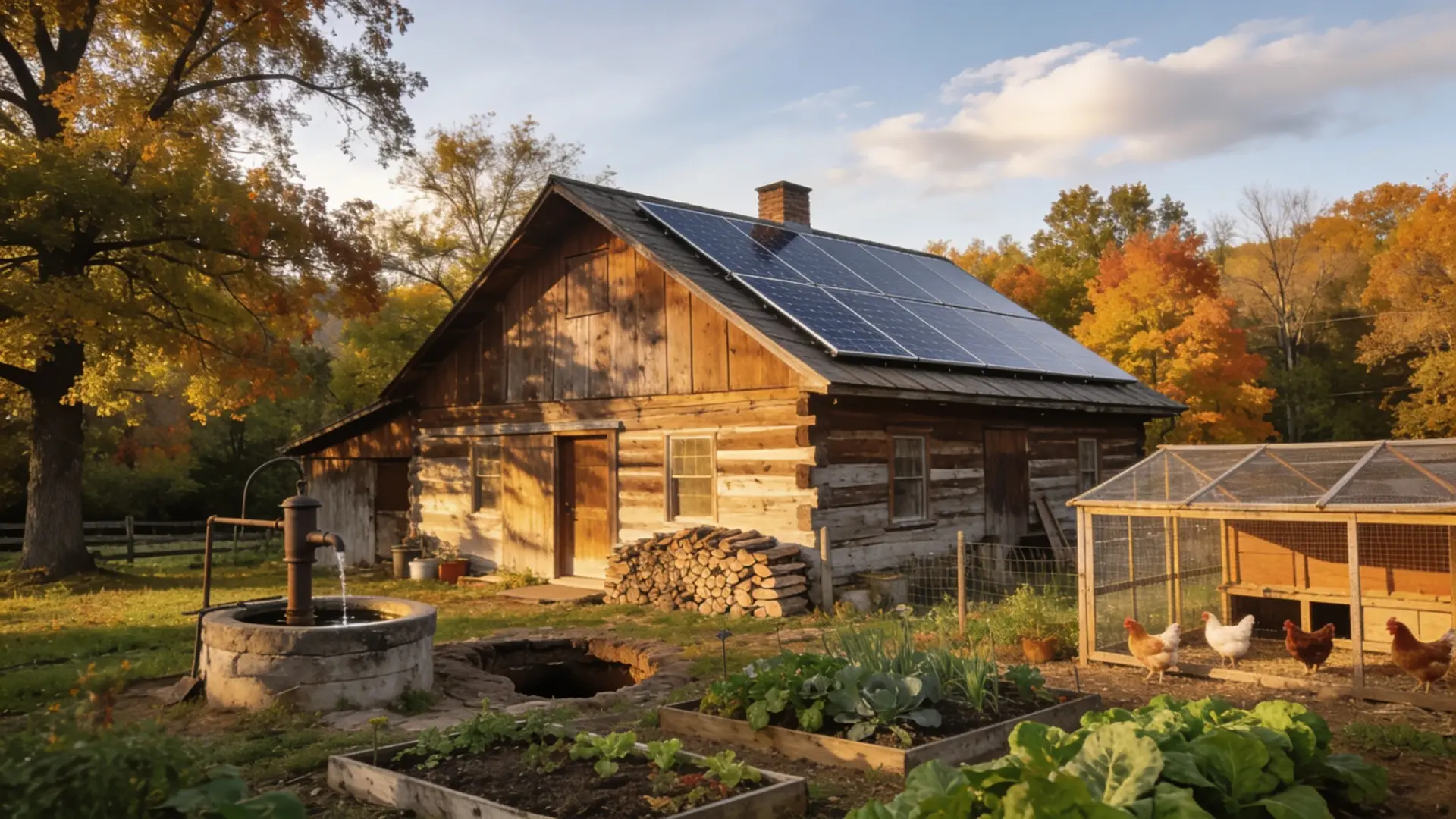
David and Susan Chen purchased 20 acres in Missouri’s Ozark region in 2020 for just $28,000—one of the lowest land costs among off-grid-friendly states. Missouri attracted them specifically because of its hands-off approach to rural property regulations and abundant water resources.
Missouri has no statewide building code enforcement in unincorporated areas. Counties can adopt codes voluntarily, but most rural counties don’t. The Chens’ property in Texas County required absolutely zero permits for their cabin, solar installation, or water system. Their only mandatory expense was a $250 septic permit required by the health department.
Their cost structure differed significantly from the Morrisons:
- Land purchase: $28,000
- Drilled well (240 feet): $11,000
- Septic permit and installation: $2,800
- Solar system (4kW): $9,500
- Cabin kit: $22,000
- Tools and equipment: $3,400
Total investment: $76,700. The lower land cost and simpler regulatory environment allowed them to allocate more budget toward a prefabricated cabin kit, accelerating their timeline considerably. They moved onto the property within five months of purchase.
Water Rights and Natural Resource Access
Missouri’s water laws follow riparian rights doctrine, meaning property owners with water sources on their land have significant usage rights. The Chens’ property includes a year-round creek, providing irrigation for their extensive garden operation without drawing from their well.
Additionally, Missouri law explicitly protects the right to collect rainwater, making it one of the most water-secure states for off-grid living. The Chens installed a 2,500-gallon rainwater collection system that handles most household needs during Missouri’s relatively wet climate, reserving well water primarily for drinking.
The practical advantage became clear during their first year: zero conflicts with county authorities, no surprise fees, and complete autonomy over building decisions. According to David, “We checked in with the county office as a courtesy, and they basically said, ‘It’s your land—just don’t create a public health hazard.'”
Texas: Where Size Meets Freedom
Texas deserves special attention because it combines large lot availability with some of the most permissive off-grid regulations in the country. The key advantage lies in Texas’ constitutional property rights protections and minimal state-level interference in rural building practices.
Jake Martinez purchased 15 acres in Hudspeth County (far West Texas) for $18,000 in 2022—among the cheapest land prices in any off-grid-suitable location. His total startup costs came to just $58,000, including a modest cabin and full solar installation. What makes Texas unique isn’t just affordability; it’s the legal framework protecting off-grid living choices.
Texas allows off-grid sewage systems on properties over one acre, permits rainwater harvesting, and most rural counties require no building permits whatsoever for residential structures. Martinez faced zero permitting costs and zero inspections. His only interaction with county government was paying annual property taxes of approximately $340.
Solar Potential and Energy Independence
West Texas receives some of the highest solar irradiance in the continental United States—averaging 5.5-6.5 peak sun hours daily. Martinez’s 5kW system, which cost $11,500 installed, generates surplus power nine months per year. He sized his solar system using regional data specific to his location’s sun exposure.
Texas law also prohibits homeowner associations from banning solar installations, though this matters less in rural off-grid contexts. More importantly, the state’s hands-off regulatory approach means no special permits or grid-tie approvals—you simply install your system and operate independently.
The climate challenge in West Texas involves extreme heat and limited water. Martinez drilled to 380 feet at a cost of $15,200—significantly deeper than wells in Tennessee or Missouri. However, water quality proved excellent, requiring minimal filtration. His advice: “Factor in deeper wells for arid regions, but the water rights freedom compensates for the drilling cost.”
Understanding State-by-State Legal Frameworks
The case studies above highlight successful outcomes, but understanding why these states work requires examining their legal structures. Off-grid living legality hinges on three primary regulatory areas: building codes, water rights, and sewage regulations.
States with no statewide building code mandates—like Missouri, Tennessee (partially), and rural Texas—place regulatory authority at the county level. This creates opportunities because rural counties often lack resources or interest in strict enforcement. Conversely, states like California, New Jersey, and Massachusetts enforce comprehensive statewide codes that make off-grid living significantly more expensive and complex.
Building Code Variations
According to the U.S. Census Bureau’s building permit data, states without mandatory statewide codes show dramatically lower compliance costs for rural construction. In practice, this means:
- No mandatory electrical inspections (though safe installation remains your responsibility)
- No architectural plans required for small structures
- Freedom to use alternative building materials like reclaimed lumber or shipping containers
- No contractor licensing requirements for owner-built homes
Alabama, Arkansas, and Oklahoma join Tennessee and Missouri in this category. Each offers affordable land and minimal bureaucratic barriers. However, always verify specific county regulations before purchasing—even within permissive states, some counties adopt stricter local ordinances.
Water Rights and Rainwater Collection
Water access can make or break off-grid viability. Western states generally follow prior appropriation doctrine, where water rights are separated from land ownership and allocated based on historical use. Eastern states typically follow riparian rights, granting water access to property owners with water sources on their land.
For off-grid purposes, riparian rights states (including Tennessee, Missouri, Alabama, Arkansas) offer simpler water access. You can drill wells and use surface water with minimal permitting. States like Colorado historically restricted rainwater harvesting, though recent reforms have relaxed these rules for domestic use.
The practical takeaway: verify well-drilling requirements and rainwater laws before committing to property. A state with cheap land but restricted water access creates expensive long-term problems. The families profiled earlier all prioritized locations with straightforward water system development.
Cost Comparison Across Top States
Drawing from the case studies and additional off-grid community data, here’s a realistic cost comparison for establishing basic off-grid infrastructure across the most favorable states. These figures assume 10-20 acres of rural land and a modest cabin (800-1,200 square feet).
Tennessee:
- Land: $35,000-$55,000
- Well: $6,000-$10,000
- Septic: $3,000-$4,500
- Solar (5kW): $12,000-$16,000
- Total: $56,000-$85,500
Missouri:
- Land: $25,000-$40,000
- Well: $8,000-$12,000 (deeper drilling often needed)
- Septic: $2,500-$3,500
- Solar (5kW): $11,000-$15,000
- Total: $46,500-$70,500
Texas (rural areas):
- Land: $15,000-$35,000 (huge regional variation)
- Well: $10,000-$18,000 (depth-dependent)
- Septic/composting system: $2,000-$4,000
- Solar (5kW): $11,000-$15,000
- Total: $38,000-$72,000
The difference between a $40,000 startup and a $90,000 startup often comes down to choosing the right county within the right state—not just the state itself.
These costs exclude cabin construction, which varies wildly based on DIY capability, material choices, and size. Budget an additional $15,000-$40,000 for basic shelter if building yourself, or $60,000+ for contractor-built structures.
Hidden Costs to Anticipate
Beyond major infrastructure, every off-grid transition involves unexpected expenses. The families studied encountered costs including:
- Access road improvements: $2,000-$8,000
- Survey and title work: $800-$2,000
- Tool and equipment purchases: $1,500-$5,000
- Temporary housing during construction: $3,000-$12,000
- Water testing and treatment: $400-$1,200
Most experienced off-gridders recommend budgeting an additional 20-30% above estimated costs for contingencies. Well drilling particularly tends toward cost overruns when unexpected geological conditions require deeper drilling or multiple attempts.
Critical Lessons from Real Off-Grid Transitions
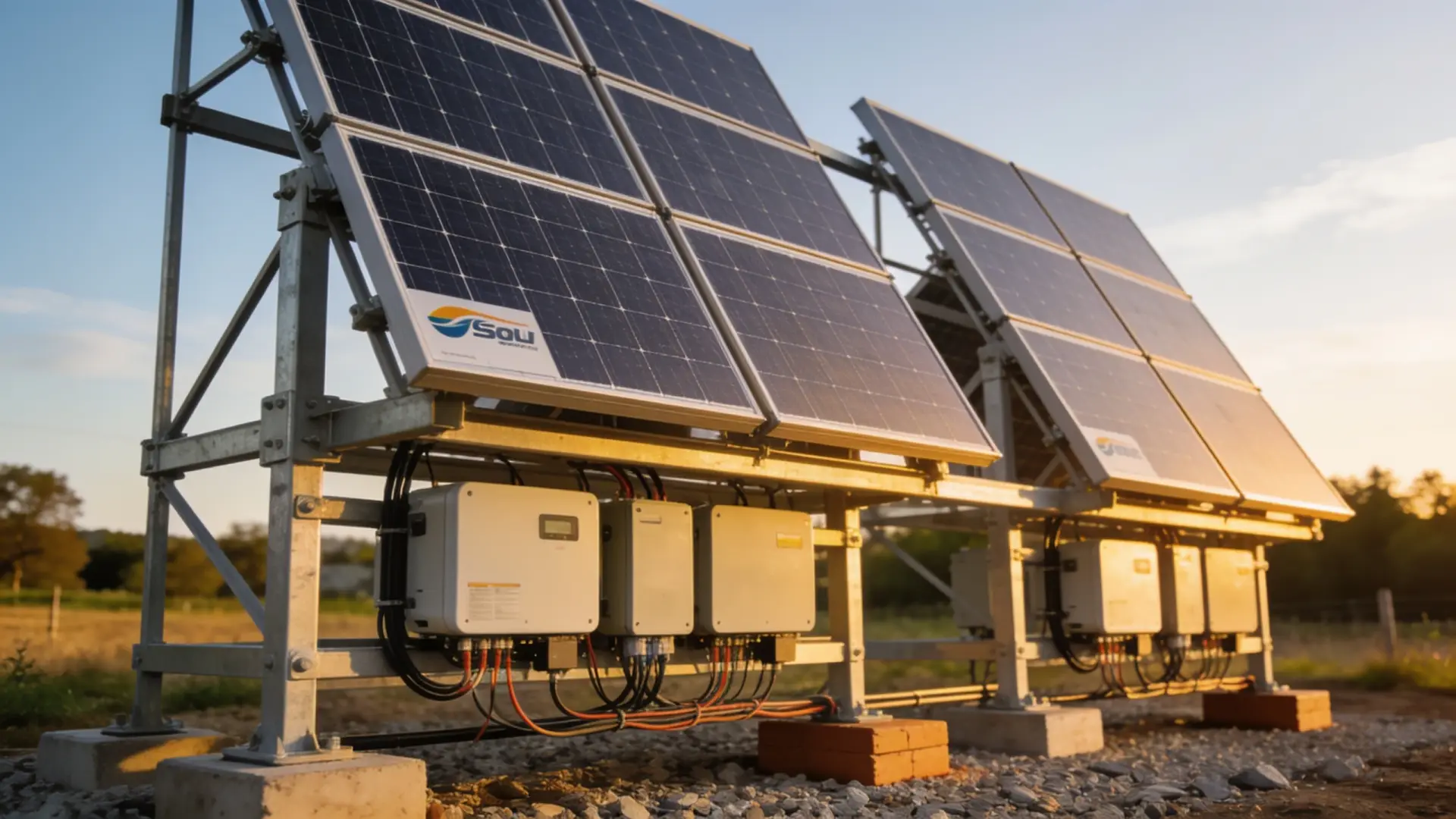
Across all three case studies, several consistent patterns emerged that apply regardless of which state you choose. These practical insights come directly from families who navigated the transition successfully—and from mistakes that cost them time and money.
First, visit county offices before purchasing land, not after. Susan Chen emphasized this point: “We almost bought cheaper land in a different Missouri county before discovering they’d recently adopted strict building codes. That one phone call saved us thousands in compliance costs.”
Second, prioritize water security over everything else. Jake Martinez initially considered even cheaper Arizona land before recognizing that drilling costs and water scarcity would create permanent challenges. His West Texas property, while requiring a deep well, provides reliable water without ongoing hauling costs or elaborate storage needs.
Timing Your Transition
All three families lived on-site in RVs or temporary structures while completing their primary cabins. This approach provided several advantages: reduced rush to finish construction, direct oversight of building progress, and immediate connection to the land’s seasonal patterns.
However, this requires planning for temporary waste management and basic amenities. The Morrisons used a composting toilet in their RV for four months—an experience that convinced them to install a permanent composting system rather than relying solely on septic.
The Chens took a different approach, completing their cabin shell before moving to the property. They spent weekends working on-site for three months before the full transition. This method cost more in travel but reduced the stress of living in construction chaos. Choose the approach that matches your timeline, budget, and tolerance for rustic conditions.
Community and Support Networks
Despite choosing rural isolation, all three families stressed the importance of local connections. Martinez joined a West Texas off-grid community forum where experienced locals shared well-driller recommendations, solar installer reviews, and seasonal climate tips.
The Morrisons connected with Tennessee homesteaders through social media before their move, gaining insights into specific counties and realistic timelines. This pre-transition research prevented costly mistakes and accelerated their learning curve. In practice, successful off-grid living balances self-reliance with strategic relationship-building.
Building relationships with neighbors also provides practical benefits: equipment sharing, emergency assistance, and local knowledge about water sources, wildlife patterns, and weather extremes. Even families seeking solitude benefit from occasional cooperation with nearby rural residents.
Regulatory Changes and Future-Proofing
One concern across all interviews involved potential regulatory tightening. Tennessee, Missouri, and Texas currently offer exceptional freedom, but counties can adopt new ordinances. The strategy recommended by multiple families: establish your homestead quickly once you purchase land.
Grandfather clauses typically protect existing structures when new regulations appear. By completing your cabin, well, and septic system promptly, you secure your position even if future county boards adopt stricter codes. This doesn’t mean rushing dangerously—it means avoiding multi-year delays between land purchase and infrastructure development.
Additionally, several families mentioned documenting everything: permits obtained (or lack thereof), installation dates, and compliance with standards existing at the time of construction. This paper trail protects against future challenges if regulations change.
Evaluating Your Priorities
The “best” state ultimately depends on your specific circumstances. Consider creating a weighted scoring system based on your priorities:
- Climate preferences (cold tolerance vs. heat management)
- Water abundance vs. solar potential
- Proximity to family or urban amenities
- Land cost vs. infrastructure development expenses
- Regulatory freedom vs. building code safety nets
Tennessee excels for moderate climate and balanced regulations. Missouri wins on land cost and water resources. Texas offers maximum freedom and solar potential with climate challenges. Other strong contenders include Arkansas (similar benefits to Missouri with slightly stricter county regulations), Alabama (affordable with variable county attitudes), and parts of Oklahoma (very low land costs but limited water in some regions).
Before finalizing your decision, spend time in your target state during its least favorable season. The Morrisons visited Tennessee in August humidity; the Chens experienced Missouri’s February cold; Martinez endured July in West Texas. These reality checks confirmed their choices despite discomfort—or revealed deal-breakers before commitment. For comprehensive preparation, review this essential moving checklist before taking the leap.
Ultimately, the families profiled here succeeded not because they chose perfect locations, but because they thoroughly researched regulations, realistically budgeted costs, and committed to learning from both successes and setbacks. Their experiences demonstrate that multiple states offer viable paths to off-grid living—the key lies in matching state characteristics to your specific needs, skills, and resources.
Frequently Asked Questions
Can I legally live off-grid in all 50 states?
Technically yes, but practical feasibility varies dramatically by state and county. States like Tennessee, Missouri, and Texas have minimal restrictions in rural areas, while states like New Jersey, California, and Hawaii enforce strict building codes, mandatory grid connections in some counties, and expensive permitting processes. The key is researching specific county regulations within your target state, as local ordinances often matter more than state-level laws.
What’s the minimum budget needed to start off-grid living?
Based on real case studies, the minimum realistic budget ranges from $40,000 to $60,000 in the most affordable states like rural Missouri or Texas. This covers basic land purchase, well drilling, septic or composting toilet systems, minimal solar power, and very modest shelter. However, most families budget $70,000-$100,000 for a more comfortable transition with adequate infrastructure and contingency funds for unexpected costs.
Do I need permits to drill a well on my own property?
This depends entirely on state and county regulations. In Missouri and most of Texas, rural well drilling requires no permits for domestic use. Tennessee typically requires registration but not pre-approval. States with prior appropriation water laws (most Western states) often require water rights permits before drilling. Always contact your county health department and state water resources agency before drilling to avoid legal complications and potential fines.
Which states prohibit rainwater harvesting?
As of 2024, no states completely prohibit rainwater harvesting, though Colorado and Utah historically had restrictions that have since been relaxed for residential use. Most states now explicitly allow or encourage rainwater collection. The best states for unrestricted harvesting include Texas, Tennessee, Missouri, Alabama, and Arkansas. Always verify current state regulations, as water laws occasionally change, and some HOAs or municipalities may impose additional restrictions even where state law permits collection.