
Cost to go off-grid represents one of the most significant financial decisions a homeowner can make. The cost of transitioning to off-grid living varies dramatically based on location, system type, and personal energy needs—ranging anywhere from $20,000 for a modest solar setup to over $500,000 for a fully autonomous property with backup systems. Understanding where your money goes and what factors drive expenses is essential before committing to this lifestyle change.
Most off-grid systems require substantial upfront investment in renewable energy infrastructure, water collection and treatment, waste management, and structural improvements. However, the long-term savings on utility bills, property independence, and potential government incentives can offset initial outlays significantly. This article examines real case studies of families and individuals who’ve completed the transition, breaking down their actual expenses and revealing which investments deliver genuine value.
Table of Contents
The Smith Family: Moderate Budget Off-Grid Transition ($85,000)
The Smith family purchased a 15-acre property in North Carolina with an existing cabin and made the deliberate choice to eliminate their dependence on the municipal grid. With a household of four and moderate energy consumption habits, they approached their transition strategically, prioritizing essential systems over luxury upgrades.
Their breakdown reveals what a realistic mid-range off-grid installation looks like:
- Solar photovoltaic system (6 kW): $28,000
- Battery storage (lithium-ion, 40 kWh): $22,000
- Well drilling and pump system: $12,000
- Water filtration and tank storage: $8,500
- Septic system upgrade: $9,000
- Backup generator (propane): $4,500
- Miscellaneous wiring, installation labor, and permits: $1,000
“We spent $85,000 upfront, but our electricity bills dropped from $180 monthly to essentially zero, and we gained complete peace of mind about water security.”
Two years after installation, the Smiths report saving approximately $2,160 annually on energy costs alone. Their water system has eliminated the $40 monthly well maintenance fee they’d previously paid to a contractor. Moreover, they’ve avoided the $150+ monthly utility increases that have plagued their neighborhood during this period.
Why the Smith Family’s Approach Works
Their strategy focused on proven, reliable technologies rather than cutting-edge systems. They chose lithium-ion batteries over more exotic options, selected established solar manufacturers with strong warranties, and hired local installers with multi-year track records. This conservative approach meant no experimental systems to troubleshoot and faster ROI timelines. They also benefited from understanding off-grid systems before making purchases, which helped them avoid oversizing components and paying for capacity they’d never use.
Solar Power: The Largest Single Investment
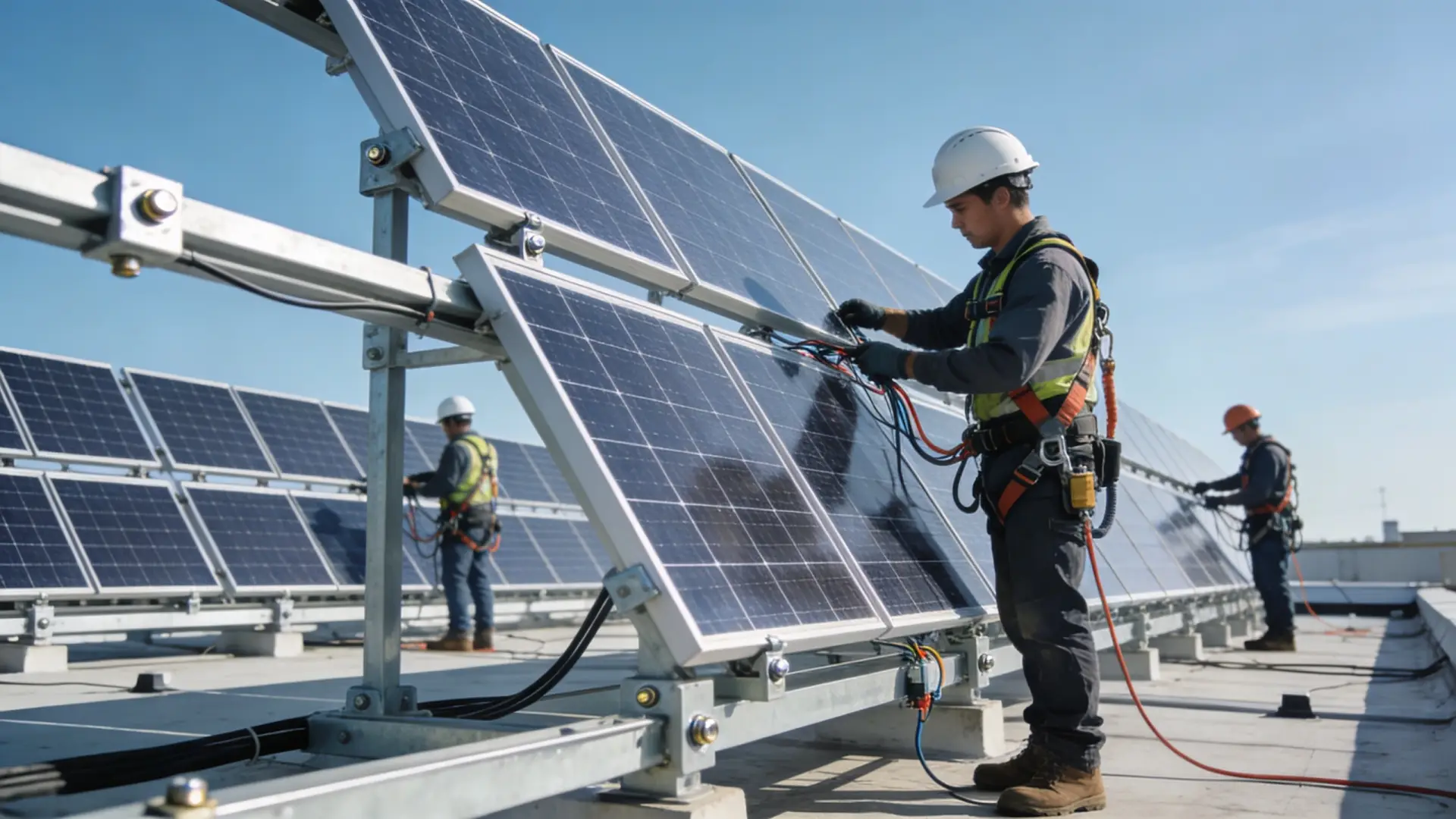
Across nearly every off-grid installation, solar photovoltaic systems represent the single largest expense category. Understanding what drives this cost helps homeowners allocate their budget effectively.
Solar installation expenses depend on several interconnected factors. System size—measured in kilowatts—forms the foundation of pricing. A small 3 kW system suitable for minimal consumption costs between $9,000 and $15,000 installed. Medium systems (6-8 kW) run $20,000 to $35,000. Large installations (10+ kW) exceed $40,000 and climb substantially from there.
Cost Breakdown: What You’re Actually Paying For
The photovoltaic panels themselves typically represent 25-30% of the total solar cost. Modern residential panels cost roughly $0.80 to $1.20 per watt before installation. A 7 kW system requires about 20-22 panels, which alone might run $5,600 to $8,400.
The remaining 70-75% covers critical components:
- Inverter and charge controller: $3,000-$6,000
- Mounting hardware and racking: $2,000-$4,000
- Electrical wiring, disconnects, and breakers: $2,500-$4,000
- Labor installation: $4,000-$8,000
- Permits and inspections: $500-$1,500
Real Variability: Location Matters Significantly
A solar installation in California typically costs 15-20% less than the same system in remote mountain areas. Rural installers must account for travel time, equipment delivery challenges, and smaller market competition. An identical 6 kW system might cost $22,000 in suburban Colorado but $28,000 in rural Maine.
Climate zones also influence design requirements. Regions with heavy snow require stronger mounting systems and more frequent maintenance access, adding $2,000-$5,000 to projects. Extreme wind areas demand reinforced installations, similarly increasing costs.
Water Systems and Treatment Costs
Water infrastructure consistently represents the second-largest expense category for off-grid homeowners. Unlike grid-connected properties where municipalities handle water sourcing and treatment, off-grid residents bear these costs entirely.
Well drilling remains the most common water sourcing method for rural off-grid properties. Drilling costs average $3,000 to $15,000 depending on depth and geological conditions. Shallow wells in areas with accessible water tables might cost $3,000-$5,000. Deep wells in areas requiring 300+ feet of drilling can reach $15,000-$25,000. Some cases—particularly in arid regions—exceed $30,000.
Complete Water System Components
Beyond drilling, functional water systems require multiple components that add up quickly:
- Submersible pump and pressure tank: $2,500-$4,500
- Water filtration system (multi-stage): $2,000-$5,000
- Storage tanks (2,000-5,000 gallons): $3,000-$8,000
- Distribution piping and fittings: $1,500-$3,000
- UV sterilization or ozone treatment (optional): $1,500-$3,000
The Johnson family, whom we’ll examine in detail below, discovered that sourcing water from a natural spring on their property reduced these costs dramatically. Their $4,500 water system investment versus the typical $12,000-$15,000 for well-based systems proved both fortunate and uncommon.
The Johnson Homestead: Premium Off-Grid Setup ($280,000)
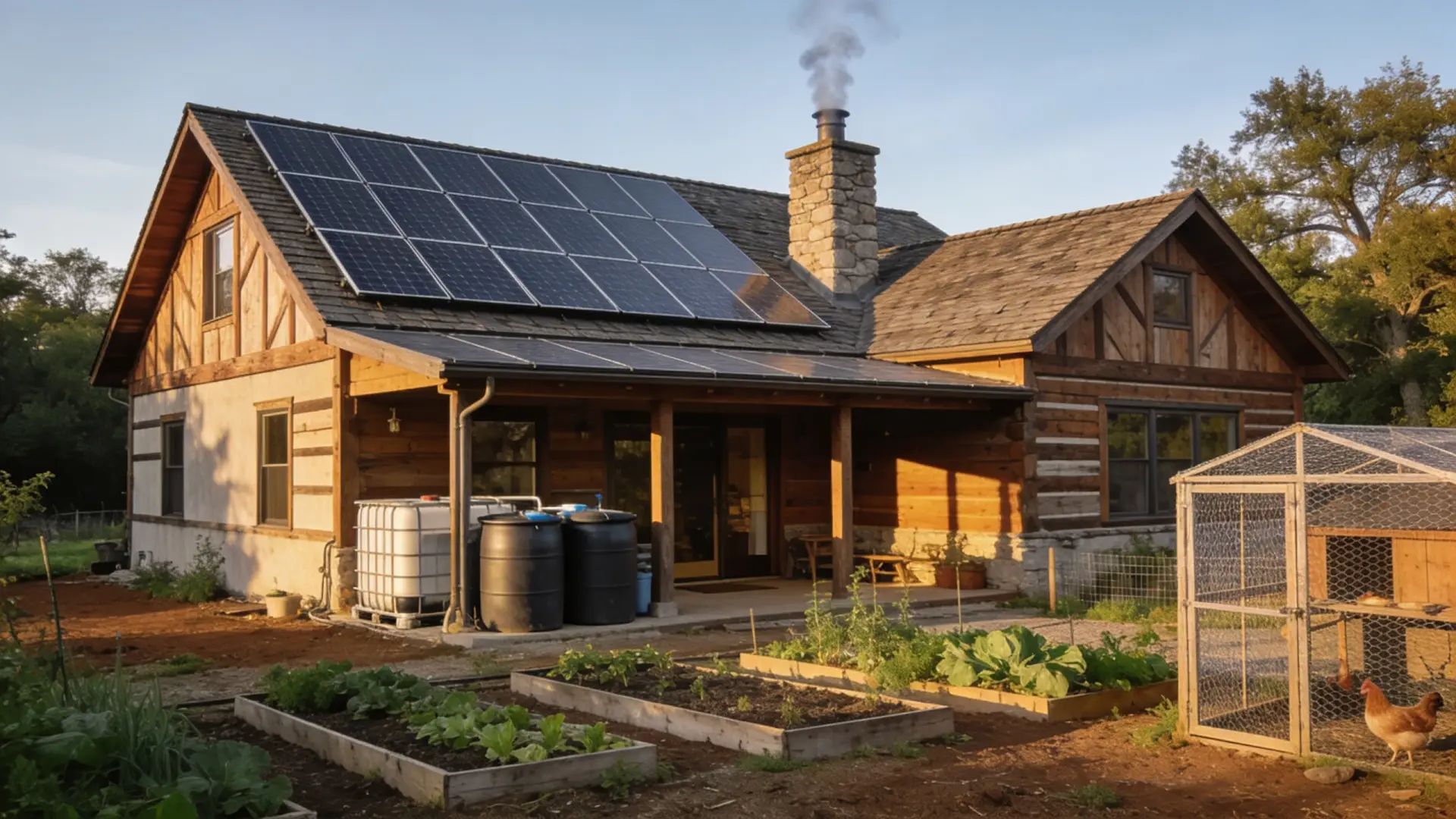
Where the Smiths prioritized affordability and essential systems, the Johnson family pursued comprehensive comfort and redundancy. With six household members, extensive workshop space, and agricultural ambitions, they designed a premium installation with capacity reserves and backup systems throughout.
Their investment allocation demonstrates how off-grid costs scale with ambition:
- Solar system (15 kW with dual inverters): $65,000
- Battery storage (LiFePO4, 120 kWh): $85,000
- Backup diesel generator with automatic transfer: $18,000
- Spring-fed water system with multiple treatment stages: $16,000
- Rainwater catchment system (20,000 gallon storage): $12,000
- Advanced septic with constructed wetland treatment: $22,000
- Geothermal heat pump system: $28,000
- Electric vehicle charging infrastructure: $8,000
- Home network and smart monitoring systems: $12,000
- Installation, permitting, and contingency: $14,000
Their total expenditure of $280,000 reflects a design philosophy centered on resilience, comfort, and future flexibility. However, their experience reveals something critical: premium systems don’t always deliver proportionally greater satisfaction.
Where Premium Investments Paid Off
The Johnson family’s battery storage choice proved exceptionally valuable. Their 120 kWh system enables 3-4 days of independence during extended cloudy periods, while the Smith family’s 40 kWh system covers only one day. This difference created genuine lifestyle value—the Johnsons maintained normal usage patterns during winter; the Smiths modified consumption during grey stretches.
Redundant water systems similarly justified their cost. Their dual spring-and-rainwater approach meant water security during drought conditions. When the spring’s flow dropped 60% during an unusually dry summer, their rainwater tanks sustained them seamlessly.
Where the Johnsons Overpaid
Their geothermal system ($28,000) now represents their biggest regret. The property’s geological survey indicated favorable conditions, but actual installation revealed dense bedrock requiring expensive drilling modifications. They achieved only modest heating efficiency improvements over a simpler air-source heat pump system that would have cost $8,000.
Similarly, their “smart monitoring” budget of $12,000 exceeded practical necessity. Most critical systems provide manual shut-off and local monitoring options. Advanced remote dashboards added convenience but minimal genuine value—the Smiths’ simple approach to system monitoring proves equally effective and costs under $1,000.
Hidden Costs and Budget Overruns

Both case study families encountered unexpected expenses that emerge only during the implementation phase. Understanding these common overruns helps prospective off-grid homeowners build realistic contingencies into their planning.
Site Preparation and Infrastructure
The Smiths initially budgeted $2,000 for site work and discovered their property required extensive clearing, grading, and drainage improvements before solar arrays could be safely mounted. Actual costs: $8,500. Their installer noted that overgrown properties frequently conceal slope issues and poor drainage patterns invisible before clearing.
Road improvements represent another frequent surprise. Delivery of large battery banks, solar panels, and heavy equipment sometimes requires temporary road grading, bridge reinforcement, or temporary access construction. Budget $2,000-$10,000 if your property sits more than a quarter-mile from public roads.
Structural and Building Upgrades
The Johnson family’s existing structures couldn’t safely support their planned solar array weight. Roof reinforcement and structural engineering added $18,000 to their project—expenses that never appeared in their initial quotes.
Off-grid living often requires upgraded building envelopes to function efficiently. Improved insulation, new windows, and air sealing that might cost $5,000-$20,000 become essential when you’re responsible for all heating and cooling costs. Grid-connected homes tolerate poor insulation; autonomous homes cannot.
Permitting and Professional Services
Rural areas vary wildly in permitting requirements and approval timelines. Some counties approve off-grid systems within weeks; others demand environmental assessments, endangered species evaluations, and geological surveys costing $3,000-$8,000.
Professional services beyond installation often exceed expectations. Engineering consultations, hydrological assessments, and soil testing can easily total $5,000-$10,000. Neither family anticipated these costs clearly during initial planning.
ROI Timeline and Long-Term Savings
Evaluating off-grid investments requires understanding both direct utility savings and indirect financial benefits. The timeline to recoup initial expenses varies dramatically based on starting conditions, system design, and usage patterns.
The Smith Family’s Financial Recovery
The Smiths’ $85,000 investment generated immediate impact. Their pre-installation energy costs totaled $2,160 annually. Post-installation, they eliminated nearly all electricity expenses while maintaining normal usage. Water system savings added another $480 yearly.
However, they factored in maintenance and eventual component replacement. Battery systems require monitoring and occasional cell balancing, costing roughly $200 annually. Professional inspections and filter replacements add $400 yearly. Their realistic annual savings: approximately $1,900.
Simple payback calculation: $85,000 divided by $1,900 annual savings equals 44.7 years. This reflects a critical reality: off-grid systems primarily generate savings through avoided future utility increases, not immediate cost recovery.
Federal and state incentives substantially alter this calculation. The investment tax credit (ITC) for renewable energy provided the Smiths with a federal tax credit covering 30% of their solar installation, effectively reducing their net investment to $59,500. North Carolina’s property tax exemption for renewable energy systems added another benefit layer.
The Johnson Family’s Premium Payback
The Johnsons’ $280,000 investment generates approximately $4,500 in annual utility savings, but their larger system maintains luxury comfort levels the Smiths sacrificed. Their payback period stretches to 62 years using simple calculation, but this figure obscures genuine financial value.
Their property value increased substantially post-installation. Appraisals for off-grid homes with proven, reliable systems consistently command premiums of $80,000-$150,000 over comparable grid-connected properties in their region. The Johnsons’ eventual sale could recoup a substantial portion of their investment through appreciation.
Additionally, their agricultural operations now operate independently from grid outages and rate increases. During a four-day grid failure in their region, their farm equipment and crop refrigeration systems continued functioning—a benefit that would have cost roughly $8,000 in lost production if they remained grid-dependent.
Optimal Investment Strategy
Both families discovered that moderate system sizing with measured expansion strategies outperformed either undersizing (requiring constant generator use) or oversizing (paying for unused capacity). Careful planning before off-grid transition prevents the common mistake of building systems that don’t match actual needs.
The financial reality: off-grid systems rarely achieve payback through utility savings alone within reasonable timeframes. Instead, they deliver value through lifestyle independence, property appreciation, resilience, and protection against future utility rate increases. Homeowners who frame their decision around these factors rather than expecting rapid financial return experience greater satisfaction with their investment.
Both the Smith and Johnson families report genuine satisfaction with their transitions. They’ve achieved something beyond mathematics: freedom from infrastructure dependence, lower environmental impact, and property resilience that persists through any future utility disruption or rate increase. If you’re seriously considering off-grid living, start with our ultimate beginner’s guide to off-grid living to evaluate whether this lifestyle aligns with your values and financial situation.


5 Comments on “How Much Does It Cost to Go Off-Grid? Real Costs & Budget Breakdown”
Comments are closed.