Thinking about life off the grid? The land you pick is probably the most crucial decision you’ll make. It’s not just about a pretty view; it’s about practicality, resources, and your long-term success. The biggest secret to choosing land for off-grid living is to prioritize your needs and realistically assess the land’s ability to meet them before anything else. Skipping this step can lead to a lot of headaches and wasted money down the road.
Before you even start looking at properties, take some time to really think about what “off-grid” means to you. It’s a broad term, and your definition will heavily influence your land choice.
Table of Contents
What Does “Off-Grid” Mean to You?
Are you aiming for total self-sufficiency, producing all your own food and power, and handling all your waste? Or are you looking for a more “grid-tied” off-grid existence, where you have solar panels but maybe still buy supplemental water or use local dump services?
- Total Self-Sufficiency: This path demands the most from your land. You’ll need reliable water sources, good soil for gardening, and ample space for solar panels or wind turbines. Waste management (composting toilets, greywater systems) will also be a major consideration.
- Partial Self-Sufficiency (Grid-Tied Off-Grid): This can be a good starting point. You might still rely on certain municipal services or simply reduce your dependence. Your land requirements might be a bit less stringent, but still important.
What are Your Non-Negotiables?
Every off-gridder has a dream, but also some absolute must-haves. Jot these down.
- Climate Preferences: Do you thrive in hot weather or prefer a cooler climate? This isn’t just about comfort; it impacts growing seasons, heating/cooling needs, and water availability.
- Community Desires: Do you want to be completely isolated or are you looking for a small, like-minded community nearby? Proximity to towns for supplies, medical care, or social interaction is a big factor for many.
- Skill Set & Comfort Level: Be honest with yourself about what you’re willing and able to learn. If you’re not a natural builder, an existing structure needing major renovation might be a nightmare. If you don’t want to dig a well, a property with an existing well or good access to municipal water becomes a higher priority.
When considering how to choose land for off-grid living, it’s essential to understand the legal implications of such a lifestyle. A related article that provides valuable insights into this topic is titled “Is Off-Grid Living Legal? Essential Laws to Consider.” This resource outlines the various regulations and laws that may affect your off-grid plans, ensuring you make informed decisions about your land purchase. For more information, you can read the article here: Is Off-Grid Living Legal? Essential Laws to Consider.
Researching & Assessing Legalities and Access
Even the most beautiful, resource-rich parcel of land can be a nightmare if you can’t legally live there or easily get to it. This is where you put your detective hat on.
Zoning Regulations and Building Codes
This is often overlooked, but it’s critical. Counties and municipalities have rules, even in rural areas.
- Permitted Uses: Can you legally build what you want to build (tiny home, earthship, yurt, house)? Some areas have minimum square footage requirements for dwellings or restrict certain alternative building methods.
- Off-Grid Specifics: Are composting toilets, greywater systems, or rainwater harvesting allowed? Some areas are surprisingly restrictive. Check if there are minimum acreage requirements for certain types of waste systems.
- Subdivision Covenants (HOAs): If the land is part of a subdivision, even rural ones, there might be covenants (Homeowners Association rules) that restrict everything from building materials to keeping livestock or even how your property looks. Always get and read these documents.
Access to the Property
How will you get to your new off-grid home? And how will others, like delivery trucks or emergency services, get there?
- Road Quality: Is it a paved road, gravel, or a dirt track? What’s it like in different seasons (rain, snow)? A deeply rutted dirt road might save you money on land but cost you big in vehicle repairs or make resupply difficult.
- Easements: Do you need to cross someone else’s property to get to yours? Is there a legal easement for access? If not, you could be cut off. Ensure any easements are properly recorded and transfer with the property.
- Emergency Services: How far away are fire, police, and medical services? In a true emergency, every minute counts. Consider the distance and road quality.
When considering how to choose land for off-grid living, it’s essential to explore various factors such as location, accessibility, and natural resources. A related article that offers valuable insights into starting your off-grid journey is available at the cheapest way to start off-grid living. This resource can help you understand the financial aspects and practical steps involved in making your off-grid dream a reality.
Property Taxes
Taxes are an ongoing cost, even off-grid. Understand what they are now and how they might change.
- Current Rate: What are the annual property taxes?
- Potential Changes: If you build a new structure or make significant improvements, your property’s assessed value – and therefore your taxes – will likely increase. Factor this into your long-term budget.
- Agricultural Exemptions: Does the state offer agricultural exemptions that could lower your taxes if you plan on farming? Understand the requirements.
Water: The Lifeblood of Off-Grid Living
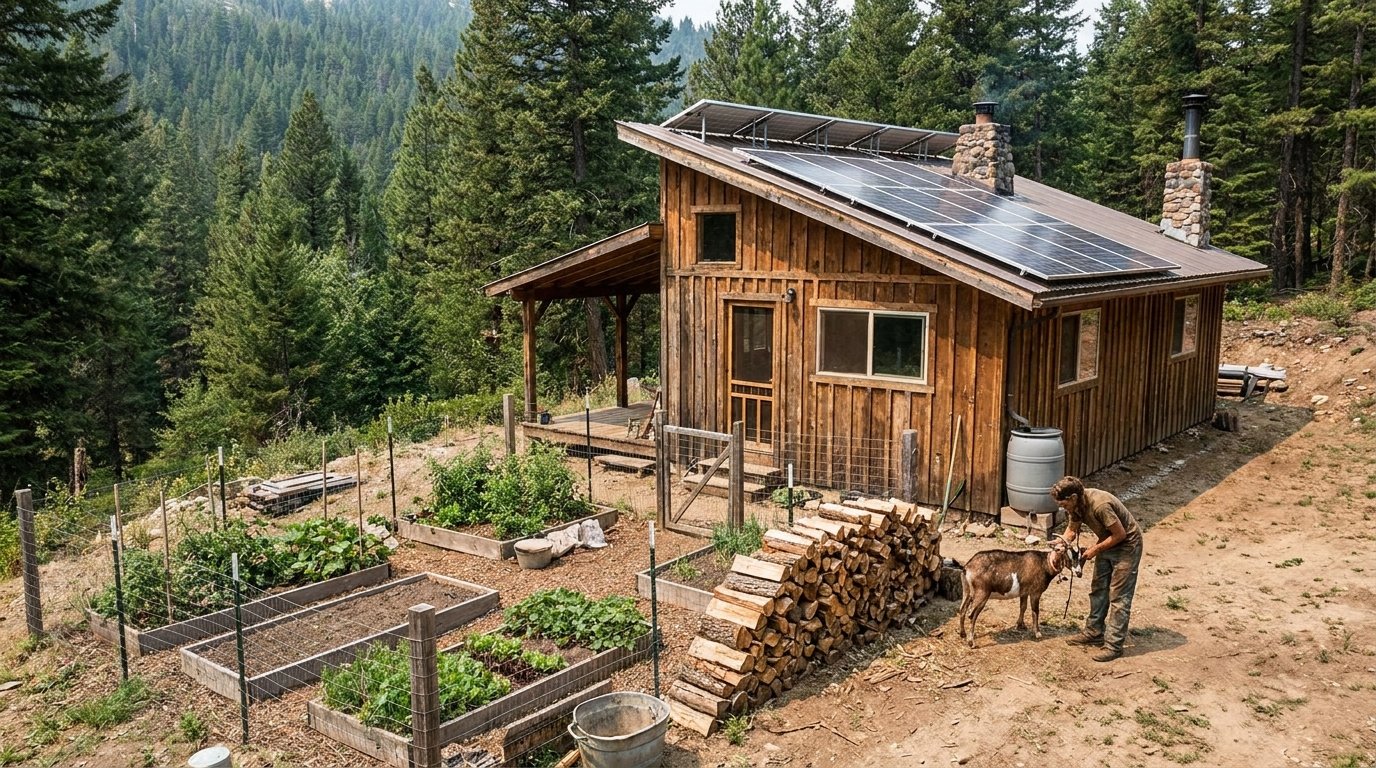
Without reliable water, off-grid living is impossible. This is usually the number one resource you need to secure.
Potential Water Sources
One of the first decisions you’ll make when planning an off-grid property is where your water will come from. Unlike a home connected to a municipal water system, an off-grid homestead depends entirely on the sources you develop and maintain yourself. The best choice depends on your location, climate, budget, and the amount of water your household needs throughout the year.
Many successful off-grid properties rely on more than one water source. Combining a primary source with a backup helps ensure you have water during droughts, freezing weather, equipment failures, or seasonal changes.
Drilled Wells
A drilled well is the most common and reliable long-term water source for off-grid homes. A well taps into underground aquifers, providing a consistent supply of groundwater that is generally protected from surface contamination.
Modern wells may range from less than 100 feet to several hundred feet deep, depending on local geology. Water is typically pumped using a submersible electric pump powered by solar panels, batteries, a generator, or a combination of these systems.
Advantages
- Reliable year-round water supply
- Generally cleaner than surface water
- Minimal daily maintenance
- Can produce large amounts of water
Disadvantages
- High drilling costs
- Pump requires electricity
- Well production varies by location
- Repairs can be expensive
Before drilling, it’s wise to speak with local well drillers and neighbors to learn about typical well depths, water quality, and expected yields in your area.
Natural Springs
A spring occurs when groundwater naturally reaches the surface. If your property includes a dependable spring, it can provide one of the most valuable water sources available.
Many off-grid homes use gravity to move spring water downhill into storage tanks, eliminating the need for electric pumps. This makes springs especially attractive for remote properties.
However, not every spring flows year-round. Some are seasonal and may slow significantly during extended dry periods.
To protect water quality, the spring should be enclosed with a properly designed spring box that keeps out leaves, insects, wildlife, and surface runoff.
Surface Water
Lakes, ponds, creeks, and rivers can provide large quantities of water, but they require careful treatment before human consumption.
Surface water is exposed to bacteria, parasites, algae, agricultural runoff, and wildlife contamination. Even crystal-clear water can contain harmful microorganisms that are invisible to the naked eye.
Many off-grid homeowners use surface water for:
- Irrigation
- Livestock
- Washing equipment
- Emergency household use
If used for drinking or cooking, surface water should pass through a complete treatment system that may include sediment filtration, activated carbon filtration, ultraviolet (UV) sterilization, boiling, or chemical disinfection.
Surface water can be an excellent backup source, especially when combined with rainwater harvesting or a well.
Rainwater Harvesting
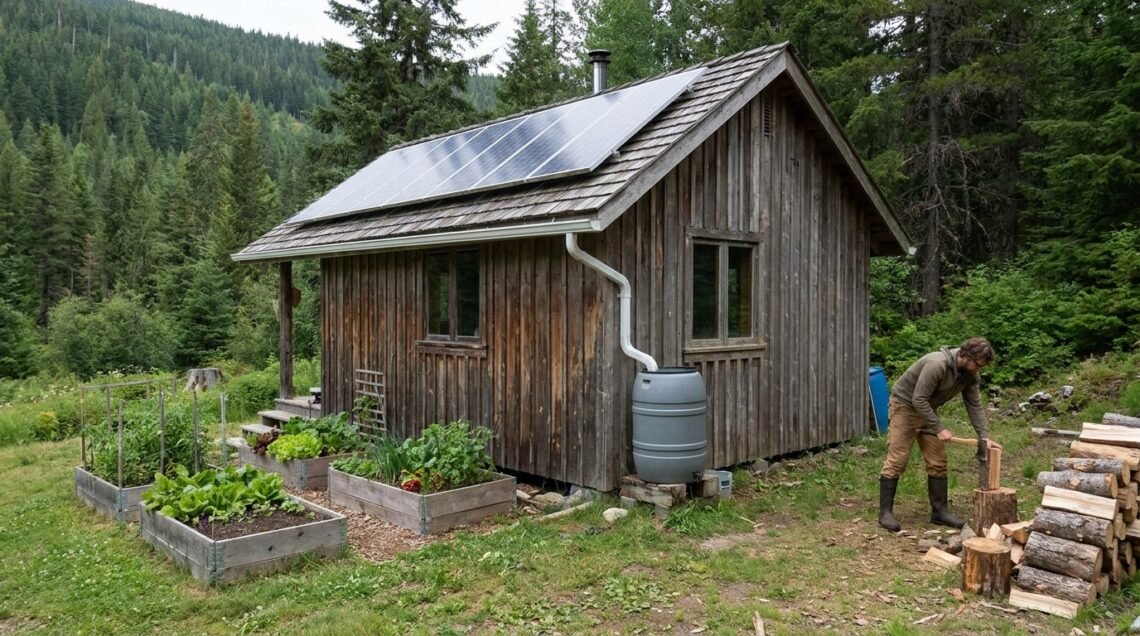
Rainwater collection is one of the simplest ways to supplement your water supply. Roofs capture rainfall, which is directed through gutters into storage tanks or cisterns.
A properly designed rainwater system includes:
- Clean roofing material
- Gutters and downspouts
- Leaf screens
- First-flush diverters
- Storage tanks
- Filtration system
The amount of water you can collect depends on annual rainfall and roof size. Even a modest roof can collect thousands of gallons of water each year in many climates.
Rainwater works well for gardening, livestock, laundry, and—with proper treatment—drinking water.
In dry regions, larger storage tanks help capture water during rainy seasons for use during extended dry spells.
Delivered Water
Some off-grid homeowners choose to have potable water delivered by truck to large storage tanks or cisterns.
While this option isn’t fully self-sufficient, it can be practical for seasonal cabins, remote properties where drilling a well isn’t feasible, or locations with poor groundwater availability.
Water delivery also serves as a useful emergency backup if another water source temporarily fails.
There is no single “best” water source for every off-grid property. The ideal solution depends on your local climate, available natural resources, budget, legal regulations, and long-term goals.
Experienced off-grid homeowners rarely rely on a single source of water. Instead, they build redundancy into their systems to improve reliability.
FAQs
1. What factors should I consider when choosing land for off-grid living?
When choosing land for off-grid living, it’s important to consider factors such as access to water sources, sunlight for solar power, soil quality for gardening, and the local climate for sustainable living.
2. Are there any legal considerations when purchasing land for off-grid living?
Yes, it’s important to research local zoning laws, building codes, and any restrictions on off-grid living in the area before purchasing land. Some areas may have specific regulations regarding off-grid living and alternative building methods.
3. How can I ensure the land is suitable for off-grid living before purchasing?
Before purchasing land for off-grid living, it’s recommended to visit the property in person, conduct soil tests, assess the availability of water sources, and evaluate the potential for renewable energy sources such as solar or wind power.
4. What are some common challenges of off-grid living when choosing land?
Common challenges of off-grid living when choosing land include limited access to utilities, potential for extreme weather conditions, distance from emergency services, and the need for self-sufficiency in terms of food, water, and energy.
5. Are there any resources or professionals that can help with choosing land for off-grid living?
There are various resources available, such as off-grid living forums, real estate agents specializing in off-grid properties, and professionals such as environmental consultants or permaculture experts who can provide guidance and advice on choosing land for off-grid living.