
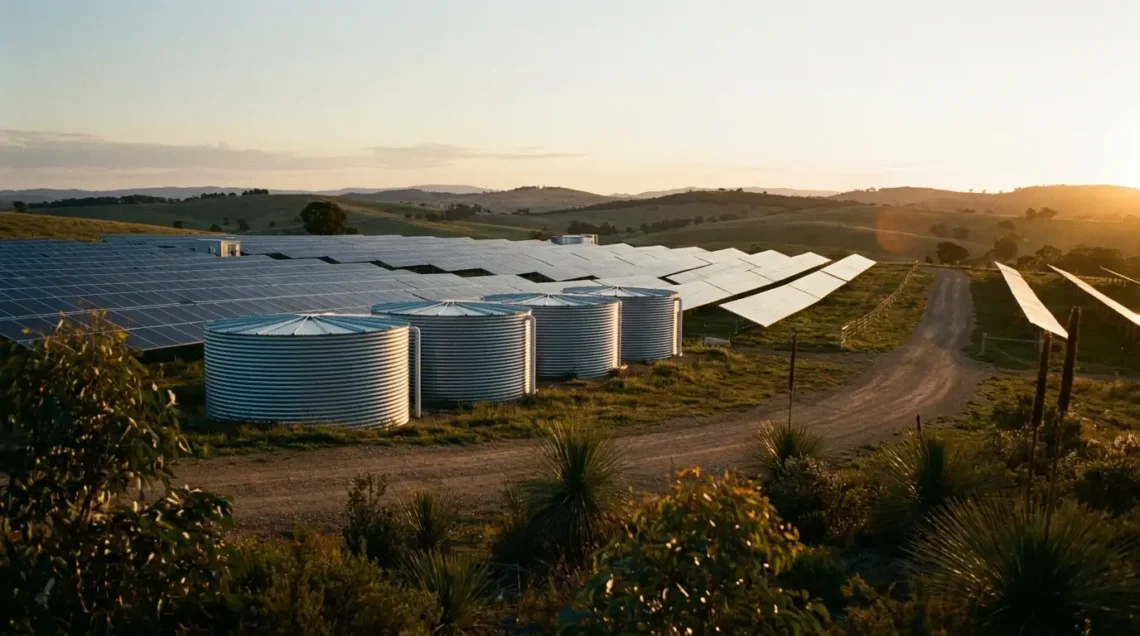
Making the leap to off-grid living requires careful planning, realistic expectations, and a willingness to embrace a different way of life. Whether you’re motivated by sustainability, self-reliance, or a desire to disconnect from modern conveniences, the transition demands thorough preparation. Many aspiring homesteaders underestimate the complexity involved, only to face unexpected challenges that could have been avoided with proper groundwork.
Successfully establishing an off-grid homestead involves mastering multiple interconnected systems: power generation, water sourcing, waste management, food production, and shelter construction. Each element depends on the others, creating a holistic ecosystem that requires both initial investment and ongoing maintenance. The good news is that thousands of people have successfully made this transition, and their experiences provide a roadmap for newcomers ready to take the plunge.
Key Takeaways
- Start with a clear assessment of your skills, budget, and long-term goals before purchasing land or equipment
- Prioritize water access and power generation as your foundational systems—everything else depends on these working reliably
- Begin with a small-scale setup and expand gradually rather than attempting to build everything simultaneously
- Invest in quality tools and backup systems for critical infrastructure to avoid costly failures
- Plan for a 12-24 month transition period to establish basic systems before committing to full-time off-grid living
Understanding Off-Grid Basics and What to Expect
Living off the grid means disconnecting from public utilities and providing your own power, water, waste management, and often food. However, the definition varies widely among practitioners. Some people maintain internet access and modern appliances while generating their own electricity, while others pursue complete self-sufficiency with minimal technology. Defining your personal version of off-grid living shapes every subsequent decision you’ll make.
The most common mistake beginners make is romanticizing the lifestyle without acknowledging the substantial work involved. Daily tasks that were once simple—doing laundry, taking a hot shower, or cooking a meal—require more planning and physical effort. Solar panels need cleaning every few months depending on dust and pollen levels. Water filters require replacement on schedules based on water volume processed. Composting toilets demand regular maintenance. Battery banks need monitoring to prevent damage from overcharging or deep discharge. These aren’t minor inconveniences—they’re regular responsibilities that don’t pause when you’re sick, tired, or traveling.
Assessing Your Skills and Knowledge Gaps
Before investing significant resources, conduct an honest inventory of your current abilities. Essential skills for off-grid living include basic carpentry, electrical work, plumbing, gardening, food preservation, and equipment repair. You don’t need to be an expert in all areas initially, but you should identify which skills you’ll need to develop or which tasks you’ll need to hire professionals to complete.
Consider spending time volunteering at existing off-grid homesteads or attending workshops focused on specific skills. Organizations like WWOOF (World Wide Opportunities on Organic Farms) connect volunteers with established homesteaders, providing invaluable hands-on experience. This approach allows you to test your interest and aptitude before making irreversible commitments. Many people discover through this process that certain aspects of off-grid living—the physical isolation, constant maintenance demands, or reduced social access—don’t align with their actual preferences.
Legal and Regulatory Considerations
Zoning laws, building codes, and health regulations significantly impact where and how you can establish an off-grid homestead. Some jurisdictions prohibit dwelling in structures without connections to municipal water and sewer systems. Others require permits for well drilling, septic installation, or alternative waste systems. Researching these requirements before purchasing land saves considerable frustration and expense.
Rural counties typically offer more flexibility than suburban areas, but regulations vary dramatically even within the same state. Contact the local planning department to understand specific requirements for your intended location. Ask about minimum dwelling sizes, approved waste treatment systems, and any restrictions on alternative building methods. Some progressive counties like those in Colorado and New Mexico have embraced off-grid living with supportive ordinances, while others maintain strict requirements that make it prohibitively difficult.
Finding and Evaluating the Right Land
Your land selection determines the feasibility of nearly every other aspect of your off-grid setup. The property must provide adequate sunlight for solar panels, access to water sources, suitable soil for septic systems or alternative waste treatment, and reasonable access for hauling materials and supplies. Consequently, finding the right parcel requires patience and thorough evaluation of multiple candidates before committing.
Start by identifying regions that match your climate preferences and budget constraints. Land prices vary dramatically across the country, with remote areas in states like Arkansas, Missouri, and northern Maine offering affordable options. However, extreme climates demand more robust building techniques and larger power systems to handle heating or cooling needs. Balance affordability against the increased costs of weatherizing and maintaining systems in harsh conditions.
Critical Land Features to Evaluate
When visiting potential properties, assess these essential characteristics systematically:
- Water availability: Check for existing wells, springs, ponds, or streams, and research the water table depth and aquifer reliability in the area
- Solar exposure: Observe whether trees or terrain features would shade solar panel locations during peak sun hours, particularly in winter when the sun sits lower in the sky
- Soil quality: Evaluate both for growing food and for percolation rates if planning a septic system or leach field
- Access and terrain: Consider whether roads remain passable year-round and whether building sites require extensive grading
- Wind patterns: Determine if the location experiences consistent winds that could supplement solar power or create challenges for structures
Hiring professionals for land evaluation pays dividends before purchase. A well driller can estimate drilling depth and costs, while a soil engineer can perform percolation tests and assess building foundation requirements. These assessments typically cost a few hundred dollars but can reveal deal-breaking issues before you’re committed. Furthermore, some sellers allow contingencies in purchase agreements based on successful well drilling or perc tests.
Acreage Requirements and Layout Planning
The minimum acreage you need depends on your goals and local regulations. A basic off-grid cabin with a small garden might fit on two to five acres, while serious homesteading with livestock and extensive food production typically requires ten acres or more. Additionally, zoning often dictates minimum parcel sizes for residential use, particularly when using well and septic systems.
Walk the property extensively and visualize your layout before purchasing. Identify potential building sites that balance solar exposure, water access, and protection from prevailing winds. Consider where you’ll locate gardens, animal pens, equipment storage, and potential expansion areas. The relationship between these elements affects daily efficiency—nobody wants to haul water uphill or traverse steep terrain multiple times daily to feed animals.
Setting Up Solar and Alternative Power Systems
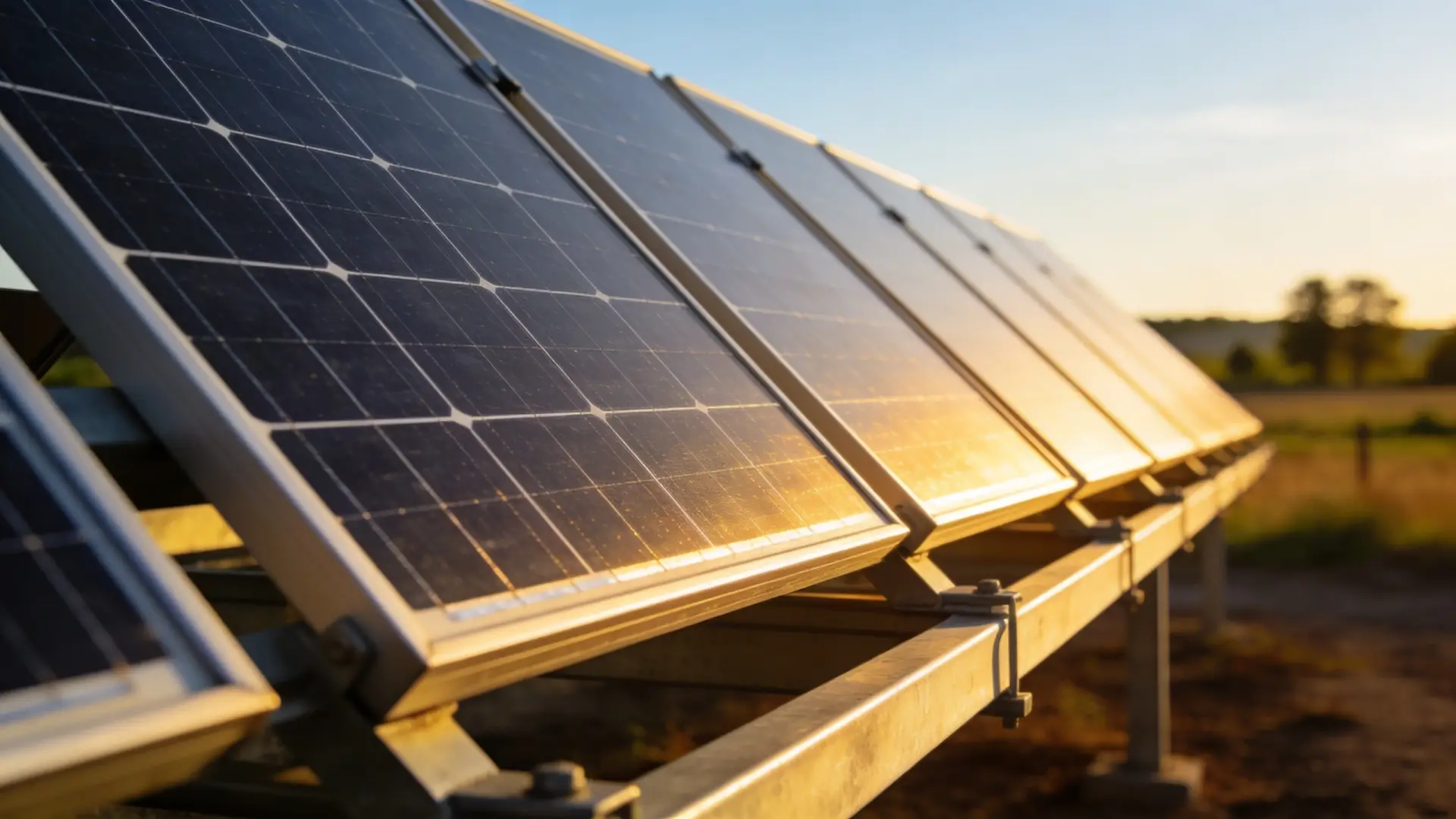
Electricity generation represents one of the largest initial investments in an off-grid setup, but modern solar technology has made reliable power increasingly accessible. A well-designed system provides sufficient energy for daily needs while maintaining battery reserves for cloudy periods. However, solar power systems require careful sizing based on realistic consumption patterns rather than wishful thinking about using less electricity.
Begin by calculating your actual power needs through a detailed energy audit. List every device you plan to use, its wattage, and estimated daily usage hours. Common loads include refrigeration, water pumping, lighting, communication devices, and power tools. Most off-grid homes need between 3,000 and 10,000 watts of solar capacity, depending on usage patterns and climate. Many beginners significantly underestimate their needs, resulting in undersized systems that force uncomfortable compromises or expensive upgrades.
Components of a Complete Solar Power System
A functional off-grid solar installation requires several integrated components working together:
- Solar panels: These convert sunlight to DC electricity; monocrystalline panels offer better efficiency in limited space, while polycrystalline panels provide a more economical option for larger arrays
- Charge controller: This device regulates power flow from panels to batteries, preventing overcharging; MPPT controllers cost more but extract 20-30% more energy than PWM controllers
- Battery bank: Stores energy for use during nighttime and cloudy periods; lithium batteries offer longer lifespan and better performance but cost significantly more than lead-acid options
- Inverter: Converts DC power from batteries to AC power for standard appliances; pure sine wave inverters prevent damage to sensitive electronics
- Monitoring system: Tracks production, consumption, and battery status to optimize system performance and identify problems early
Quality matters significantly in solar components. Cheap panels degrade quickly, while inferior inverters fail prematurely or damage connected devices. Research brands thoroughly and prioritize products with strong warranties and proven track records. Many experienced off-gridders recommend brands like Renogy, Victron Energy, and Outback Power for reliable performance across multiple seasons and varying weather conditions.
Alternative and Backup Power Options
Relying solely on solar power leaves you vulnerable during extended cloudy periods, particularly in northern climates during winter months. Most successful off-grid systems incorporate backup generation. A properly sized gas or diesel generator provides security during emergencies and can reduce required battery capacity, lowering overall system costs.
Wind turbines complement solar in locations with consistent wind resources, generating power during weather that limits solar production. However, wind systems require careful siting, sturdy towers, and regular maintenance. Small-scale hydro power offers exceptional reliability where year-round flowing water exists, often providing continuous generation that eliminates the need for large battery banks. Each alternative source has trade-offs in cost, complexity, and maintenance requirements that must align with your skills and commitment level.
Managing Energy Consumption Strategically
Successful off-grid living requires shifting from unlimited grid power mentality to strategic energy management. Run washing machines, power tools, and other heavy loads during sunny midday hours when panels produce excess power, rather than draining batteries at night. This timing strategy makes the difference between comfortable living and constant power rationing.
Energy-efficient appliances significantly reduce required system size. LED lighting uses 75% less power than incandescent bulbs, while modern DC refrigerators designed for off-grid use consume a fraction of standard models’ energy. Propane often handles cooking and water heating more economically than electricity in off-grid situations. These choices compound over time, making the difference between a comfortable, reliable system and one that constantly disappoints.
Securing Reliable Water Sources
Water access determines whether a property is viable for off-grid living. Adults need roughly one gallon per day for drinking, plus additional amounts for cooking, bathing, laundry, and other household uses. Total consumption typically ranges from 20 to 50 gallons per person daily, though conservation-minded individuals can manage on less. Beyond household use, gardens and livestock dramatically increase water requirements, potentially demanding hundreds of gallons daily during growing season.
The most reliable and convenient option is drilling a well, though costs vary enormously based on depth requirements. Shallow wells under 100 feet might cost $3,000 to $5,000, while deep wells reaching 400 feet or more can exceed $15,000. Furthermore, well drilling involves uncertainty—you pay for the attempt regardless of water quantity or quality discovered. Research the typical well depths and success rates in your specific area before purchasing land without existing water sources.
Alternative Water Collection Methods
Rainwater harvesting provides supplemental or primary water depending on local rainfall patterns and storage capacity. A simple formula helps calculate potential collection: for every inch of rain, a 1,000-square-foot roof collects roughly 600 gallons of water. A location receiving 40 inches of annual rainfall could theoretically harvest 24,000 gallons from that roof size, though actual collection is always lower due to losses and system inefficiencies.
Surface water from springs, streams, or ponds offers another option where available. Springs provide the most reliable quality and flow, while streams and ponds require more extensive filtration due to potential contamination from upstream sources or wildlife. Always test water quality thoroughly before depending on any source for drinking water. Local health departments often provide low-cost testing, or you can use certified laboratories for comprehensive analysis.
Water Storage Solutions
Adequate storage capacity provides security during dry periods and emergencies. Most off-grid homes maintain at least one to two weeks of water storage, though many aim for a month or more. Food-grade plastic tanks offer affordable storage, available in sizes from 250 to 10,000 gallons. Concrete cisterns provide permanent solutions but require professional installation and significant expense.
Storage location affects system efficiency significantly. Elevating tanks above your point of use creates gravity-fed pressure without pumping, saving energy and providing water even during power outages. However, elevated storage requires sturdy platforms and increases structural complexity. Underground cisterns maintain stable temperatures and remain out of sight but complicate access for cleaning and maintenance.
Water Pumping and Pressure Systems
Moving water from source to storage and then to fixtures requires pumping systems sized appropriately for your setup. Submersible well pumps bring water to the surface, while pressure pumps distribute it throughout your home. DC pumps designed for solar systems operate more efficiently than AC models running through inverters, reducing overall power consumption.
Establishing adequate pressure involves either pressure tanks with pump systems or elevated storage with gravity feed. Standard household pressure runs around 40-60 PSI, sufficient for comfortable showers and appliance operation. Gravity systems need roughly 2.3 feet of elevation per PSI, meaning a tank 50 feet higher than fixtures provides approximately 22 PSI—adequate for basic use but notably less pressure than grid-connected homes.
Water Treatment and Filtration
Regardless of source, implementing proper filtration protects your health and extends appliance lifespan. Multi-stage filtration typically includes sediment removal, carbon filtration for taste and chemical reduction, and UV sterilization or other disinfection for biological contaminants. Well water often requires additional treatment for minerals like iron or sulfur that affect taste and stain fixtures.
Regular testing ensures your treatment systems work effectively. Annual testing for bacteria and periodic testing for chemicals, minerals, and other contaminants maintains confidence in your water quality. Filters require replacement on schedules based on water volume processed, not just time elapsed, so tracking consumption helps maintain effective treatment.
Building and Setting Up Your Off-Grid Shelter
Your dwelling represents the most visible aspect of off-grid living and likely your largest expense. The structure must provide adequate shelter while integrating efficiently with power, water, and waste systems. Additionally, building codes and permit requirements significantly influence design choices, construction methods, and overall project costs. Starting with thorough planning prevents expensive mistakes and ensures systems work cohesively.
Many beginning off-gridders opt for smaller structures initially, both to reduce costs and to simplify system requirements. A well-designed 400-800 square foot cabin meets basic needs while demanding far less energy for heating, cooling, and maintenance than conventional homes. This approach allows you to establish reliable systems before potentially expanding later. Moreover, some jurisdictions exempt small structures from certain permit requirements, though you should verify local regulations rather than assume exemptions apply.
Choosing Construction Methods
Several building approaches suit off-grid situations, each with distinct advantages:
- Conventional framing: Uses standard lumber and techniques familiar to most contractors; readily permits in most locations but offers limited thermal performance without added insulation
- Structural insulated panels (SIPs): Provide excellent insulation and quick assembly; higher material costs offset by reduced labor and superior energy efficiency
- Log or timber frame: Creates thermal mass that stabilizes interior temperatures; requires skill or expensive professional help but offers exceptional durability
- Alternative methods: Include straw bale, cob, earthbag, or shipping containers; offer unique benefits but may face permitting challenges in conservative jurisdictions
Climate considerations heavily influence appropriate construction methods. Cold climates demand superior insulation and attention to thermal bridging, while hot climates benefit from thermal mass and ventilation strategies. Humid regions require careful moisture management to prevent mold and rot. Research successful projects in your specific climate zone rather than copying designs from different environments.
Site Preparation and Foundation Work
Proper foundation work prevents structural problems that plague poorly built structures. The foundation type depends on soil conditions, frost depth, and building size. Pier foundations work well for smaller structures and uneven terrain, while slab or crawlspace foundations suit larger buildings on appropriate soil. In practice, many off-gridders hire professionals for foundation work even when handling other construction themselves, since correcting foundation mistakes proves extremely expensive.
Site preparation includes clearing building areas, establishing access routes, and creating level areas for construction. Equipment rental costs add up quickly, so many people coordinate site work with other tasks requiring heavy machinery—like digging trenches for utilities or creating a pond. However, minimize disturbance beyond necessary areas to preserve topsoil for future gardens and reduce erosion problems.
Integrating Systems During Construction
Installing power, water, and waste systems during construction proves far easier than retrofitting later. Plan conduit paths for wiring before pouring concrete or closing walls. Locate plumbing chases where they provide access without compromising energy efficiency. Position your battery bank in climate-controlled space that remains accessible for maintenance while keeping dangerous hydrogen gases properly vented.
Insulation quality dramatically affects long-term comfort and energy consumption. Air sealing matters as much as insulation thickness—gaps around penetrations waste more energy than slightly thin insulation. Focus on creating a continuous thermal boundary with careful attention to problem areas around windows, doors, and transitions between building elements. This meticulous approach reduces heating and cooling loads, directly shrinking required power system capacity.
Temporary Shelter During Construction
Building takes longer than expected, particularly when working part-time or learning skills as you go. Many off-gridders establish temporary living arrangements on-site using RVs, trailers, or small cabins while constructing their primary dwelling. This approach allows immediate occupancy while providing direct oversight of construction. Furthermore, temporary structures often transition into guest quarters, workshops, or storage once the main house is complete.
Even temporary shelter requires functional systems for water, power, and sanitation. Fortunately, smaller spaces need proportionally less infrastructure. A modest solar setup and rainwater collection might suffice during construction, with expansion occurring as the main dwelling nears completion. This staged approach spreads costs over time while building experience with simpler systems before committing to larger installations.
Managing Waste and Sanitation
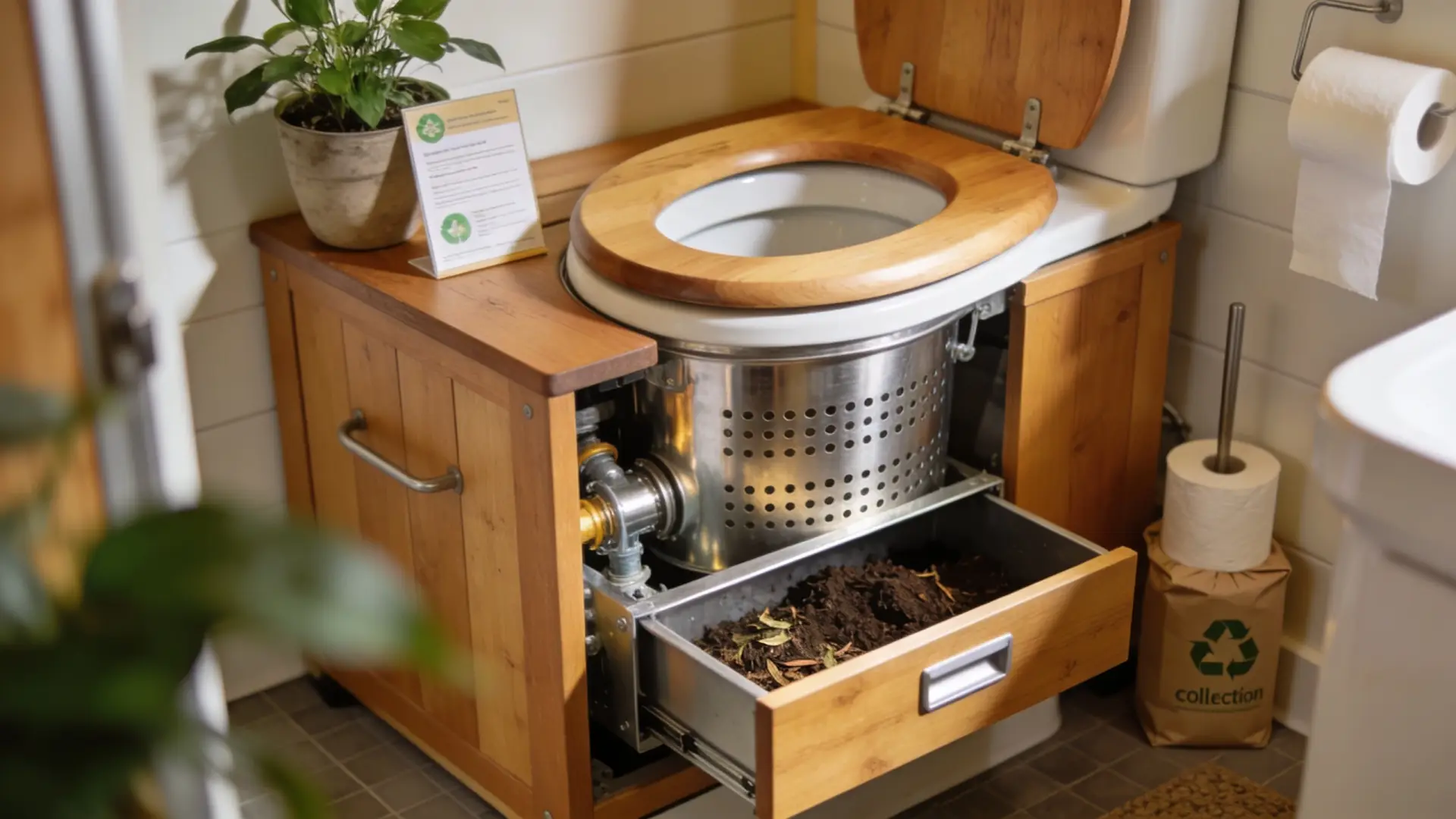
Effective waste management protects both environmental and personal health while maintaining comfort and convenience. Off-grid sanitation requires more involvement than simply flushing municipal sewers, but modern systems function reliably when properly designed and maintained. The key involves matching solutions to your specific situation—soil conditions, water availability, local regulations, and personal preferences all influence appropriate choices.
Conventional septic systems remain the most common option where regulations permit and soil conditions allow. These systems use settling tanks to separate solids from liquids, then distribute liquids through leach fields where soil bacteria complete treatment. Properly sized and maintained septic systems function for decades with minimal attention. However, installation requires suitable soil percolation rates, adequate space for leach fields, and typically costs $5,000 to $15,000 depending on system complexity and local labor rates.
Alternative Sanitation Systems
Where septic systems aren’t feasible or desired, several alternatives provide effective waste treatment. Composting toilets eliminate water use entirely while producing valuable soil amendments. These systems range from simple bucket systems requiring manual management to sophisticated commercial units with fans, heaters, and automated mixing. The best composting toilets remain odor-free with proper operation, though they demand regular maintenance that some people find objectionable.
Constructed wetlands offer elegant biological treatment for graywater and even blackwater where regulations permit. These systems use plants and soil microorganisms to filter and purify water through natural processes. Properly designed wetlands handle household waste effectively while creating attractive landscape features. However, they require significant space, careful design to prevent contamination, and may not receive approval in all jurisdictions.
Graywater Management
Graywater from sinks, showers, and laundry contains much less contamination than toilet waste and offers opportunities for reuse in irrigation. Simple systems divert graywater directly to mulch basins around fruit trees or ornamental plants, while more complex installations include filtration and storage. Using graywater reduces overall water consumption and fertilizes plants simultaneously, maximizing resource efficiency.
However, graywater systems require careful management to prevent problems. Use only biodegradable, plant-safe cleaning products since everything goes into soil. Distribute graywater across multiple irrigation points rather than concentrating in one area to prevent soil saturation. Furthermore, many health codes restrict graywater use or require permits, so research local regulations before implementing systems.
Solid Waste Disposal
Garbage management receives less attention than sewage but requires planning nonetheless. Rural off-grid locations often lack municipal trash pickup, leaving residents responsible for disposal or removal. Aggressive recycling and composting dramatically reduce trash volume, while conscious purchasing decisions minimize packaging waste from the start.
Establish designated areas for recycling storage until you can transport materials to recycling centers. Compost all organic waste that doesn’t go to animals, turning potential trash into garden gold. Burn paper and cardboard if local regulations permit, though many areas restrict open burning due to fire danger. Periodically hauling remaining trash to transfer stations or landfills becomes necessary, making it worthwhile to own a pickup truck or trailer for this and other homestead tasks.
Achieving Food and Self-Sufficiency
Growing your own food provides fresh, healthy ingredients while reducing dependence on supply chains and grocery stores. However, true food self-sufficiency demands significant land, time, knowledge, and effort that most beginners underestimate. A more realistic initial goal involves supplementing purchased food with homegrown produce, gradually expanding production as skills and infrastructure develop. This measured approach prevents overwhelming yourself while building sustainable systems over time.
Start by assessing your growing season length, climate conditions, and soil quality. These factors determine what crops thrive in your location and how much you can produce. Cold climates with short seasons limit options but still allow productive gardens with season extension techniques. Understanding these fundamentals helps you build appropriate infrastructure from the start, avoiding wasted effort on unsuitable crops or methods.
Garden Planning and Soil Preparation
Successful gardens begin with proper site selection and soil development. Choose locations receiving at least six hours of direct sunlight daily, with access to water and protection from harsh winds. Start small with manageable bed sizes—many beginners plant far more than they can maintain, leading to poor results and discouragement. A well-tended 400-square-foot garden produces more food than a neglected half-acre plot.
Soil improvement takes years, though you can accelerate the process through aggressive amendments and composting. Test soil to identify pH and nutrient deficiencies requiring correction. Add organic matter consistently—compost, aged manure, and cover crops build soil structure and fertility over time. Many off-gridders use raised beds filled with quality soil mix initially, allowing immediate production while improving native soil gradually in surrounding areas.
Crop Selection and Succession Planting
Focus initially on crops offering high yields relative to space and effort. Tomatoes, peppers, squash, beans, and leafy greens produce abundantly with reasonable care. Avoid space-intensive low-yield crops like corn or pumpkins until you’ve mastered basics and have adequate land. Additionally, choose varieties suited to your specific conditions—heirloom varieties adapted to your region often outperform modern hybrids bred for commercial agriculture.
Succession planting extends harvests by staggering plantings throughout the season. Rather than planting all lettuce simultaneously, plant small amounts every two weeks for continuous supply. This approach works for many crops and prevents feast-or-famine cycles common in beginning gardens. Furthermore, interplanting quick-maturing crops between slower ones maximizes production from limited space.
Food Preservation Methods
Preserving harvest surpluses allows year-round food security from seasonal production. Multiple preservation methods suit different foods and storage situations. Canning preserves vegetables, fruits, and even meats in shelf-stable jars requiring no refrigeration. Freezing maintains quality exceptionally well but depends on reliable electricity and sufficient freezer capacity. Dehydrating removes moisture that allows spoilage, creating lightweight preserved foods in compact storage.
Fermentation preserves food while enhancing nutrition and flavor through beneficial bacteria. Sauerkraut, kimchi, pickles, and other fermented vegetables store for months without refrigeration while supporting digestive health. Root cellaring uses cool temperatures and high humidity to store root vegetables, apples, and winter squash for months without processing. Combining multiple preservation methods ensures food security even if one system fails.
Livestock Integration
Animals provide meat, eggs, dairy, and fertilizer while converting garden waste and forage into valuable protein. However, livestock requires daily care, secure housing, and feed supplementation in most situations. Start with small, hardy animals like chickens before considering larger livestock. Chickens provide eggs daily, require modest space, and help control insects while fertilizing soil.
Larger animals like goats, sheep, or cattle demand more infrastructure and knowledge but offer greater food production potential. Goats adapt well to rough terrain and provide milk for fresh consumption or cheese making. Meat animals require less daily attention than dairy animals but need adequate grazing or purchased feed. Calculate feed costs realistically—purchased feed often makes home-raised meat more expensive than supermarket equivalents, though quality and ethics differ significantly.
Balancing Production and Practicality
Complete food self-sufficiency remains extremely difficult in most situations. Staple crops like wheat, rice, and corn require significant acreage and specialized equipment for practical production. Many items—coffee, tea, spices, cooking oil—don’t grow in temperate climates. Most successful off-gridders focus on producing vegetables, fruits, eggs, and perhaps meat while purchasing staples and specialty items. This partial approach provides security and satisfaction from homegrown food without consuming every waking hour.
Essential Gear and Tools for Off-Grid Living
Quality tools enable efficient work and reduce frustration throughout homestead development and maintenance. Building comprehensive tool collections takes time and money, but certain items prove essential from the start while others can wait until specific needs arise. Prioritizing versatile, durable tools that serve multiple purposes provides the best return on investment, particularly when budgets constrain initial purchases.
Power tools accelerate projects significantly but require electricity—either from solar systems, generators, or battery-powered models. Cordless tools offer flexibility without extension cords but demand multiple expensive battery packs for extended work sessions. Many experienced off-gridders maintain both powered and manual versions of critical tools, providing options regardless of power availability and backup capability when equipment fails.
Hand Tools and Manual Equipment
Basic hand tools remain relevant for off-grid living despite modern alternatives. Quality versions last decades with proper care and continue working when power isn’t available. Essential hand tools include:
- Shovels, spades, and digging bars for site work and gardening
- Axes, hatchets, and handsaws for wood processing and tree management
- Hammers, saws, and measuring tools for construction and repairs
- Wrenches, screwdrivers, and pliers for equipment maintenance
- Wheelbarrows or garden carts for hauling materials
Invest in professional-grade tools rather than cheap hardware store versions when possible. Quality tools balance properly, hold edges longer, and withstand hard use without breaking. A good shovel or axe costs three times what cheap ones do but lasts twenty times longer while working better every day. Over a lifetime of homesteading, quality tools prove far more economical than repeatedly replacing inferior alternatives.
Power Tools and Equipment
Certain projects become impractical without power tools, particularly during initial construction phases. Essential powered equipment varies by project but commonly includes circular saws, drills, impact drivers, and angle grinders. Battery-powered tools provide the most flexibility for off-grid use, though managing multiple battery platforms gets expensive. Consider standardizing on one manufacturer’s battery system to maximize compatibility across tools.
Larger equipment like chainsaws, tillers, and pressure washers serve specific purposes that justify their cost and storage space. Gas-powered versions offer more runtime than electric alternatives but require fuel storage and regular maintenance. Electric versions, particularly battery-powered models, run cleaner and quieter but may lack sufficient power for demanding tasks or extended sessions.
Kitchen and Food Processing Equipment
Food preservation equipment enables self-sufficiency through harvest season and beyond. Pressure canners safely preserve low-acid foods like vegetables and meats, while water bath canners handle high-acid foods like fruits and pickles. Chest freezers efficiently store frozen foods with minimal power consumption—critical for off-grid situations. Dehydrators remove moisture from foods for shelf-stable storage, though you can also construct simple solar dehydrators.
Manual food processing tools provide independence from electricity when needed. Hand-crank grain mills, meat grinders, and food strainers accomplish tasks that typically use power. These backup capabilities maintain food security during extended cloudy periods or equipment failures. Furthermore, many people find satisfaction in traditional food processing methods that connect them to historical foodways.
Water and Waste Management Tools
Maintaining water and sanitation systems requires specific tools and supplies. Water testing kits verify quality regularly, while replacement filters and treatment chemicals keep systems functioning properly. Plumbing tools handle repairs and modifications as needs evolve. For waste systems, composting requires pitchforks, shovels, and bins or tumblers. Septic systems need occasional pumping by professionals but may require drain maintenance tools for minor issues.
Rain gutters, downspouts, and storage tanks collect and hold water between rainfall events. Pumps, pipes, and fittings distribute water where needed. Having spare parts on hand for critical components prevents extended outages when failures occur. The remoteness of many off-grid locations makes next-day parts delivery unrealistic, so maintaining basic inventories of consumables and vulnerable components proves worthwhile.
Safety and Emergency Equipment
Remote living demands self-sufficiency during emergencies when help takes longer to arrive. Comprehensive first aid supplies and training treat injuries until professional medical care becomes available. Fire extinguishers protect structures, while smoke and carbon monoxide detectors provide early warnings. Emergency communications like satellite phones or radios maintain contact when cell service fails.
Backup power generation provides security during extended solar outages or equipment failures. A properly sized generator supplies critical loads—refrigeration, water pumping, and minimal lighting—until primary systems resume operation. Fuel storage, maintenance supplies, and spare parts keep generators operational when needed most. Additionally, weather radios, flashlights, and emergency supplies prepare you for natural disasters or unusual events.
Creating a Realistic Timeline and Budget
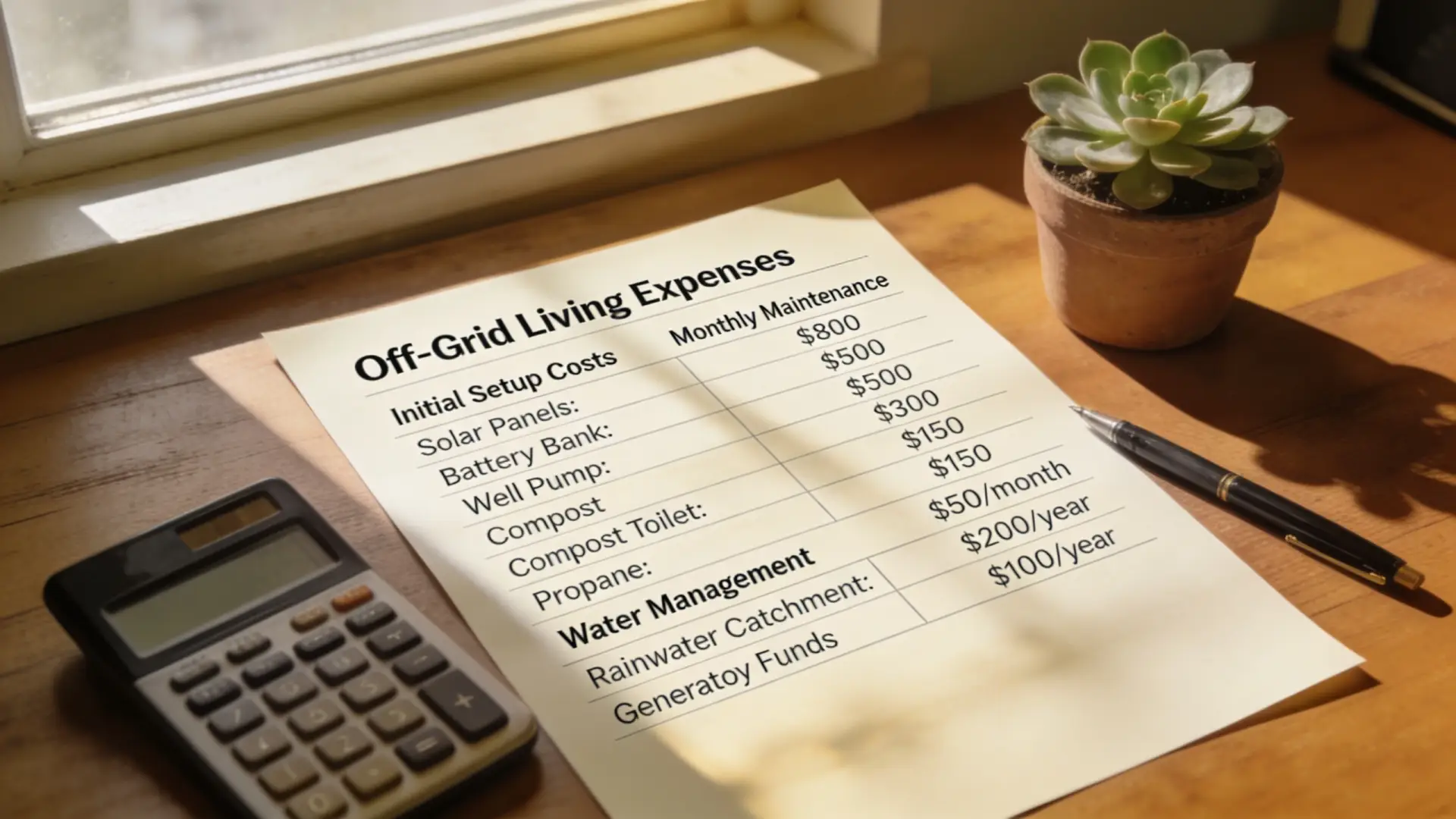
Off-grid transitions require substantial time and money, though exact figures vary enormously based on location, goals, and existing resources. Developing realistic budgets and timelines prevents financial strain and disappointment when projects exceed expectations. Most successful off-gridders spend one to three years establishing basic systems before transitioning to full-time residence, allowing staged investment while maintaining income from conventional employment.
Land purchases consume significant capital upfront, with prices ranging from a few thousand dollars for remote parcels to hundreds of thousands for developed properties near population centers. Additional immediate costs include site preparation, temporary shelter, and basic utility installations. These foundational investments often exceed $50,000 before you can occupy the property, even living simply in temporary structures.
System-by-System Cost Estimates
Breaking total costs into specific systems helps identify priorities and create staging plans. Typical cost ranges for each major system include:
- Solar power: $10,000-$30,000 for complete systems sized appropriately for off-grid homes, including panels, batteries, inverters, and installation
- Water systems: $3,000-$20,000 depending on well depth, storage capacity, and treatment requirements
- Waste management: $5,000-$15,000 for septic systems; composting toilets cost $1,000-$3,000 but may require additional graywater handling
- Shelter: $20,000-$200,000+ depending on size, methods, and finish levels; simple cabins cost far less than full-featured homes
- Tools and equipment: $5,000-$15,000 for comprehensive collections assembled over time
These figures represent typical ranges, but individual circumstances vary widely. Doing more work yourself reduces labor costs substantially but extends timelines. Salvaging materials and purchasing used equipment lowers expenses but requires more searching and potentially more repairs. Remote locations reduce land costs but increase hauling expenses for materials and supplies.
Phased Development Strategies
Few people possess sufficient capital to complete all systems simultaneously, nor is that approach advisable. Phased development spreads costs over time while allowing learning and adjustment between stages. A common progression begins with land purchase and temporary shelter, followed by well or water system installation, then basic power setup, and finally permanent dwelling construction.
Living on-site during development, even in temporary quarters, provides immediate benefit from your land while enabling direct oversight of projects. This approach works particularly well for people maintaining conventional employment initially—weekends and vacations advance homestead development while regular income funds materials and equipment. Over two to three years, substantial progress occurs without requiring complete financial commitment upfront.
Ongoing Operational Costs
After initial infrastructure investments, off-grid living involves lower but still significant ongoing expenses. Property taxes continue regardless of grid connection. Equipment maintenance, replacement parts, and fuel for backup generators create regular costs. Many people underestimate these expenses, assuming off-grid living eliminates monthly bills entirely.
Realistically, expect several thousand dollars annually for system maintenance, repairs, and replacements. Batteries eventually need replacement—typically every five to fifteen years depending on type and usage. Pumps, inverters, and other components fail periodically. Gardens require seeds, amendments, and tools. Livestock need feed, veterinary care, and infrastructure. These costs prove substantially lower than urban living expenses, but they never disappear completely.
Income Considerations and Work Strategies
Maintaining income while developing and living off-grid presents challenges but remains essential for most people. Remote work opportunities through internet connections enable many to maintain professional careers while homesteading. Others pursue location-independent income through online businesses, freelancing, or creative endeavors. Some people work seasonal jobs with intensive hours, then focus on homestead development during off months.
The homestead itself might generate income through various enterprises—selling produce, eggs, or meat; offering farm stays or educational workshops; creating value-added products like jams or crafts. However, homestead-based income typically develops slowly and shouldn’t be counted on initially. Focus first on establishing reliable basic systems while maintaining outside income, then explore homestead income opportunities as time and infrastructure allow.
Setting Achievable Milestones
Break the overall transition into specific, measurable milestones—completing well installation, achieving specific solar capacity, harvesting your first garden, or moving into permanent dwelling. These milestones help track progress against timelines and budgets, enabling adjustments before small delays become major problems.
Flexibility remains crucial throughout the process. Unexpected challenges inevitably arise—difficult site conditions, equipment failures, weather delays, or budget overruns. Building contingency time and funding into plans prevents these normal complications from derailing entire projects. Most off-gridders report that establishing their homesteads took significantly longer and cost more than initially anticipated, but virtually all feel the results justified the investment. Start your transition now by honestly assessing your skills and available resources, then moving forward one clear milestone at a time.
Frequently Asked Questions
How much does it cost to start living off-grid?
Initial off-grid setup typically costs between $50,000 and $150,000, including land purchase, basic infrastructure, and temporary or permanent shelter. Costs vary dramatically based on location, existing resources, and how much work you do yourself. You can start more modestly with $20,000-$30,000 by purchasing inexpensive rural land, living in a trailer or small cabin, and installing minimal solar and water systems, then expanding over time as budget allows.
Can I legally live off-grid anywhere in the United States?
Legal requirements for off-grid living vary significantly by state, county, and municipality. Some jurisdictions prohibit dwelling in structures without connections to municipal utilities, while others embrace alternative systems with supportive regulations. Rural counties typically offer more flexibility than suburban or urban areas. Always research local zoning laws, building codes, and health regulations before purchasing property, as these rules determine what systems you can legally install and whether you can actually live off-grid in that location.
How many solar panels do I need to live off-grid?
Most off-grid homes require between 10 and 30 solar panels rated at 300-400 watts each, providing 3,000 to 10,000 watts of total capacity. The exact number depends on your daily energy consumption, local sun exposure, and whether you use energy-efficient appliances. Calculate your needs by listing every device you’ll use, its wattage, and daily usage hours, then size your system accordingly. Undersized systems lead to frustrating limitations, while properly sized systems provide comfortable, reliable power.
What is the biggest challenge when transitioning to off-grid living?
The biggest challenge is typically the learning curve required to manage multiple interconnected systems simultaneously while maintaining income to fund the transition. Off-grid living demands competence in areas most people never encounter—solar power management, water system maintenance, waste treatment, food production, and general building and repair skills. Additionally, the physical isolation and increased workload strain some people who romanticized the lifestyle without understanding daily realities. Starting with temporary or part-time off-grid living allows you to develop skills gradually while determining if this lifestyle truly suits you.
How do I find affordable off-grid land?
The most affordable off-grid land exists in rural areas of states with lower population density and fewer restrictions, such as Arkansas, Missouri, northern Maine, and parts of the Southwest. Search online land marketplaces, attend county tax auctions where properties sell for back taxes, or work with rural land specialists who understand off-grid buyers’ needs. Prioritize properties with existing water sources and good solar exposure, even if they lack other development, since installing water and power systems from scratch costs far more than modest land premiums for properties with these features already present.


7 Comments on “The Ultimate Beginner’s Guide to Off-Grid Living (2026 Update)”
Comments are closed.