
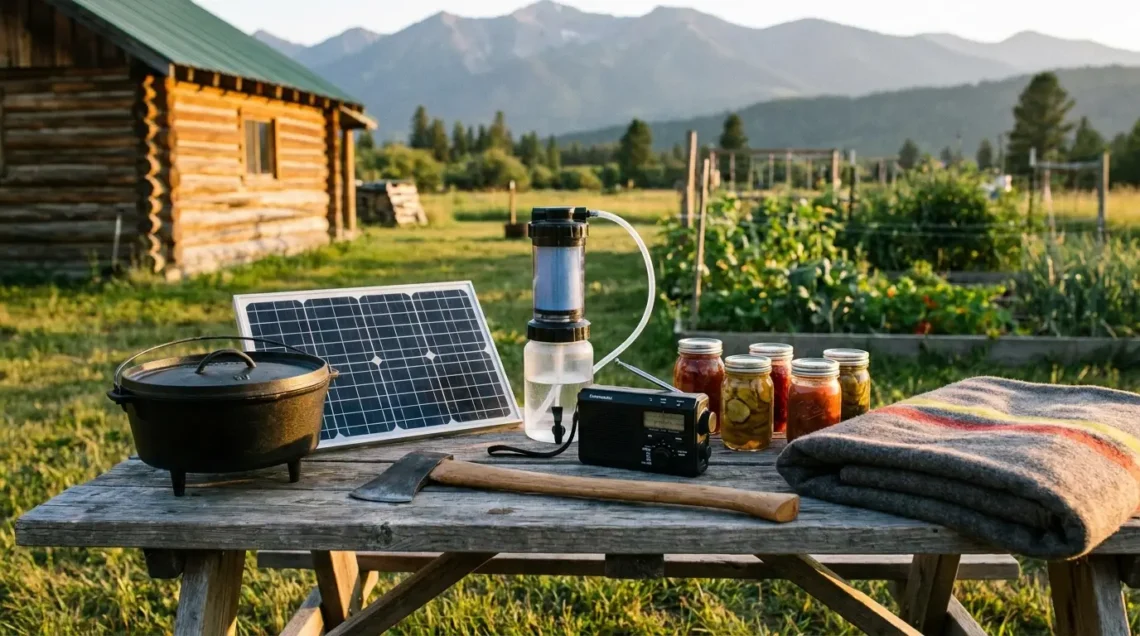
Moving off-grid living requires careful planning and a clear understanding of what you’ll need before taking the leap. Whether you’re drawn to self-sufficiency, environmental sustainability, or simply escaping the constraints of traditional utility systems, disconnecting from municipal utilities is a significant lifestyle shift that demands preparation. This comprehensive checklist breaks down the 25 essential items and systems you need to consider before establishing your independent homestead.
The difference between a successful off-grid transition and a frustrating one comes down to preparation. Most people who thrive in off-grid living spent months—or even years—planning before their first day without utility connections. This guide synthesizes the critical infrastructure, tools, knowledge, and resources that separate prepared homesteaders from those who face avoidable challenges. Each item on this checklist addresses a fundamental need: energy generation, water supply, waste management, food production, heating, cooling, or emergency preparedness.
Key Takeaways
- Successful off-grid living depends on redundant systems for power, water, and heat—single points of failure create dangerous situations.
- Your specific climate, location, and lifestyle determine which items are essential; a desert homestead needs different priorities than a forest property.
- Start with the beginner off-grid checklist focused on basic survival needs, then expand into convenience systems as you gain experience and capital.
- Professional assessments for solar potential, water availability, and soil quality save thousands in wasted investments on unsuitable systems.
- Knowledge and skills often matter more than equipment—investing in education through courses, books, and mentorship pays dividends throughout your off-grid journey.
Energy Generation Systems
Reliable energy generation is the foundation of off-grid living. Most homesteads combine multiple sources to account for seasonal variations and system failures. Solar panels are the most popular choice for off-grid properties, with photovoltaic systems ranging from small cabin setups to comprehensive whole-home installations that generate excess power.
A backup generator—typically propane-powered—becomes essential when batteries deplete during cloudy weather or high-demand periods. A quality battery bank stores excess power for nighttime use, with lithium or lead-acid options depending on your budget and technical comfort level. The beginner’s step-by-step guide to getting started with off-grid living covers these systems in greater detail, but understanding the relationship between generation capacity, storage capacity, and consumption patterns is crucial before purchasing any equipment.
Critical Energy Components
Your battery management system (BMS) prevents overcharging and undercharging, extending battery lifespan significantly. An inverter converts stored DC power into usable AC electricity for household appliances. Most off-grid homes use between 5-10 kilowatts of installed solar capacity paired with 20-50 kilowatt-hours of battery storage, though your specific requirements depend on household size, climate, and desired comfort level.
Charge controllers regulate power flowing from solar panels into your battery bank, preventing damage from overcharging. Many experienced off-grid homesteaders recommend starting with an oversized solar array and undersized battery bank rather than the reverse—it’s easier to add storage later than to discover insufficient generation capacity during winter months.
Water Systems and Storage
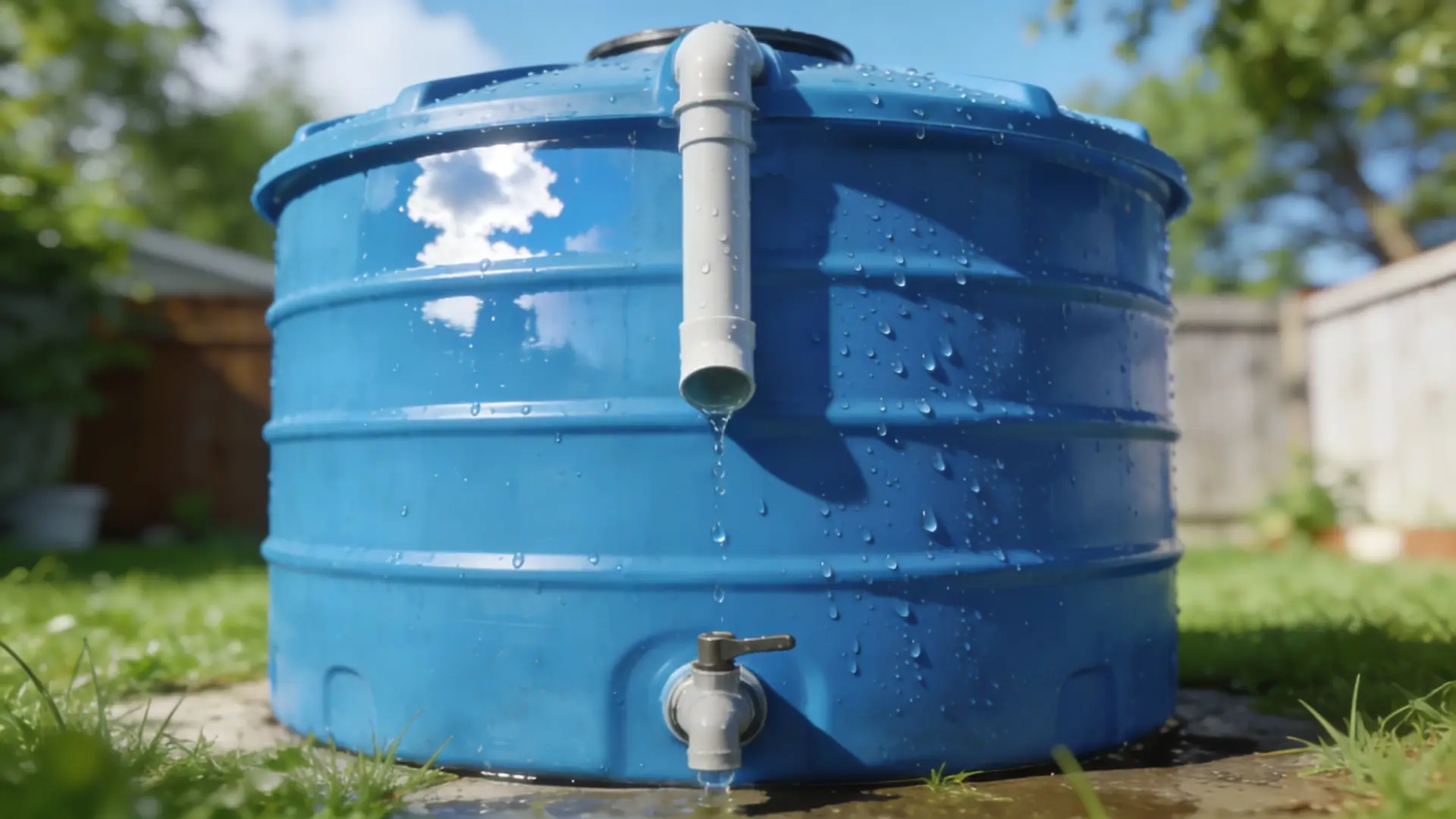
Clean water availability defines whether off-grid living is possible on your property. You need three distinct components: a water source (well, spring, or collected rainwater), storage capacity (tanks holding weeks of supply), and treatment systems ensuring potability. A well requires drilling, pumping mechanisms, and depth verification before property purchase—this is non-negotiable.
Rainwater catchment systems work excellently in regions with consistent precipitation, capturing water from rooflines into cisterns or underground tanks. However, even reliable rainfall sources need treatment through filtration, UV sterilization, or chemical disinfection. Assuming collected or pumped water is safe to drink without testing creates real danger—bacterial contamination, mineral content, and pH levels require professional analysis before relying on any water source.
Water Storage and Treatment Essentials
Storage capacity should equal at least 2-4 weeks of household consumption, protecting you during extended dry periods or system maintenance. This typically means 3,000-5,000 gallons for a family of four. Your treatment system might include sediment filters, activated charcoal filters, UV sterilizers, or reverse osmosis units depending on source water quality.
Backup hand pumps save the day when electrical systems fail during emergencies. Greywater recycling systems (reusing water from showers and sinks for irrigation) reduce freshwater demand by up to 50%. Hot water heaters powered by solar, propane, or wood-fired systems ensure this essential comfort without grid electricity. Test water quality annually to catch contamination early.
| Essential Item | Purpose | Priority Level |
|---|---|---|
| Solar panel array | Primary electricity generation | Critical |
| Battery bank | Power storage for nighttime/cloudy days | Critical |
| Backup generator | Emergency power during extended outages | Critical |
| Water source (well or catchment) | Drinking water supply | Critical |
| Water storage tanks | Reserve supply for dry periods | Critical |
| Water treatment system | Ensure water safety and potability | Critical |
Heating and Temperature Control
Heating becomes a survival issue in cold climates, making this infrastructure as important as electricity in many regions. Wood-burning stoves or fireplaces provide reliable heat when electricity fails, and they require a sustainable supply of firewood. Propane heating systems offer convenience and thermostat control but depend on delivery schedules and tank refills. Solar thermal systems supplement conventional heating, capturing sun energy to warm water and air.
Insulation often matters more than heating source—proper attic, wall, and foundation insulation reduces heating demand dramatically. Weatherstripping, caulking, and tight construction prevent heat loss that no heating system can efficiently compensate for. Air source heat pumps work well in moderate climates but lose efficiency in extreme cold.
Maintaining Comfort Year-Round
Include backup heat sources in your heating plan for when primary systems fail. A wood stove doubles as cooking capability during emergencies and requires minimal ongoing maintenance. Propane heaters provide instant warmth without electricity but need careful safety management in closed spaces. Thermal mass—concrete, masonry, or water features that absorb daytime heat and release it at night—reduces temperature swings naturally.
Cooling strategies prevent summer overheating in hot climates. Passive cooling through proper ventilation, shade structures, and reflective roofing materials reduces air conditioning demands. Evaporative coolers (swamp coolers) work exceptionally well in dry climates and use far less energy than traditional air conditioning. Cross-ventilation design allows breezes to flow through living spaces, naturally moderating temperature.
Food Production and Storage
True food security means growing some of your own nutrition and preserving harvests for year-round consumption. A productive garden requires soil testing, proper sun exposure (typically 6-8 hours daily), and water access. Perennial crops like fruit trees, berry bushes, and asparagus provide returns for years with minimal annual input once established.
Food preservation methods include canning, freezing, root cellaring, fermentation, and dehydration. Each method suits different foods and climates—freezing works when you have reliable electricity, while root cellaring suits cool climates naturally. Learn preservation techniques before relying on them; mistakes can create dangerous food-borne illnesses. Off-grid living (Wikipedia) covers various sustainable food systems in detail.
Building Food Self-Sufficiency
Livestock—chickens, goats, rabbits, or bees—provide protein, eggs, milk, or honey depending on your climate and space. Chickens require minimal space and effort while producing eggs reliably. Goats provide milk, meat, and land clearing services. Plan your animal infrastructure before acquiring animals; inadequate housing or feed sources lead to suffering and failure.
A root cellar or underground storage keeps vegetables fresh for months without electricity. Cool basements work for cold climates. Above-ground insulated structures suffice in warmer regions. Seed saving preserves genetics of plants that thrive in your specific environment, building long-term resilience. A small grain mill allows grinding flour from homegrown wheat or other grains, reducing dependence on commercial suppliers.
Waste Management and Sanitation
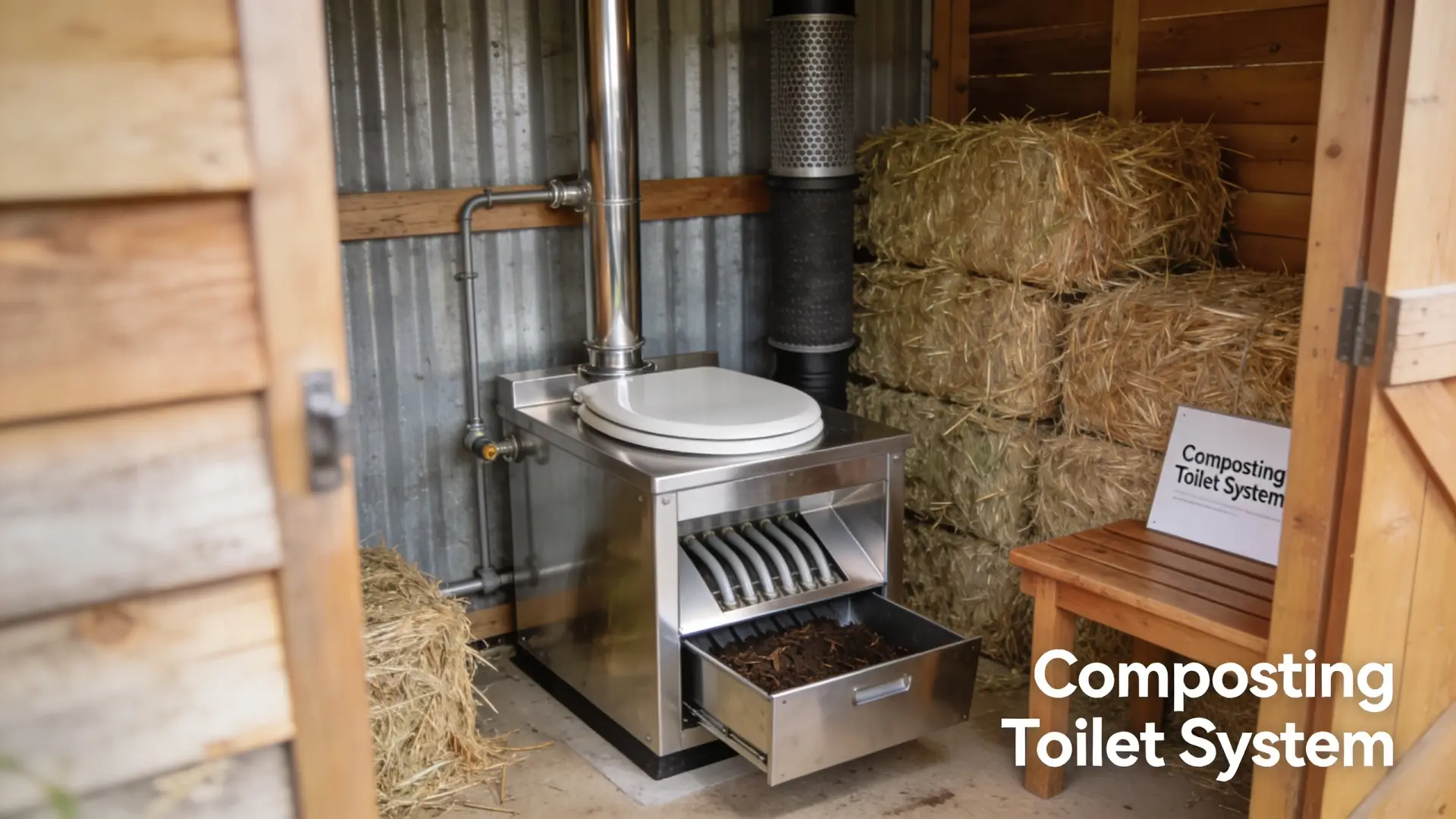
Off-grid living without proper waste systems becomes unsanitary quickly and endangers groundwater. Composting toilets eliminate human waste safely without water or sewage lines. Septic systems work well when properly installed and maintained by professionals. Both options require understanding your local regulations—many counties mandate specific systems or professional inspections.
Greywater systems recycle shower, sink, and laundry water for landscape irrigation, reducing freshwater consumption significantly. However, greywater can’t be stored long-term without developing odor and bacterial issues—design systems for immediate use or treatment. Solid waste management means composting organic material, recycling what’s possible, and minimizing trash volume through conscious consumption.
Creating Sustainable Systems
Composting transforms food scraps and yard waste into garden nutrients, closing nutrient cycles on your property. Three-bin systems allow proper layering of brown and green materials for faster decomposition. Hot composting creates finished material in months; cold composting takes longer but requires less management. Avoid composting meat, dairy, or diseased plants in open systems.
Graywater filtration prevents odors and bacterial growth when systems aren’t draining immediately. Sand filters, constructed wetlands, or commercial treatment units process water before reuse. Always research local regulations—some jurisdictions prohibit greywater systems entirely, while others have specific installation requirements. Septic tank maintenance prevents costly failures; pumping every 3-5 years keeps systems functioning properly.
Essential Tools and Skills
Knowledge matters more than equipment in off-grid living. A person with excellent diagnostic and repair skills can troubleshoot problems and keep systems running; someone with only equipment but no understanding struggles constantly. Prioritize education through courses, mentorship, books, and hands-on experimentation before relying on complex systems.
Your toolkit should include basic carpentry tools, plumbing supplies, electrical testing equipment, and specialized instruments for monitoring your specific systems. Multimeters test electrical circuits, water quality test kits verify safety, and soil testing reveals nutrient content. However, owning tools without understanding their use creates false confidence—invest time learning alongside acquiring equipment.
Building Practical Knowledge
First aid training becomes critical when professional medical services are distant. CPR certification and knowledge of treating burns, wounds, and common injuries can save lives. Emergency communication systems—weather radio, satellite communicator, or radio equipment—connect you to outside resources when needed. Fire suppression training and equipment prevent disasters when professional firefighters can’t reach remote properties.
System monitoring skills let you catch problems before they become catastrophes. Understanding battery charge levels, water tank capacity, propane reserves, and fuel wood supply prevents emergency situations. Keeping detailed logs of system performance reveals patterns and early warning signs of failures. Mechanical repair skills—replacing filters, adjusting components, troubleshooting electrical connections—keep equipment running longer and reduce replacement costs dramatically.
Emergency Preparedness and Backup Systems
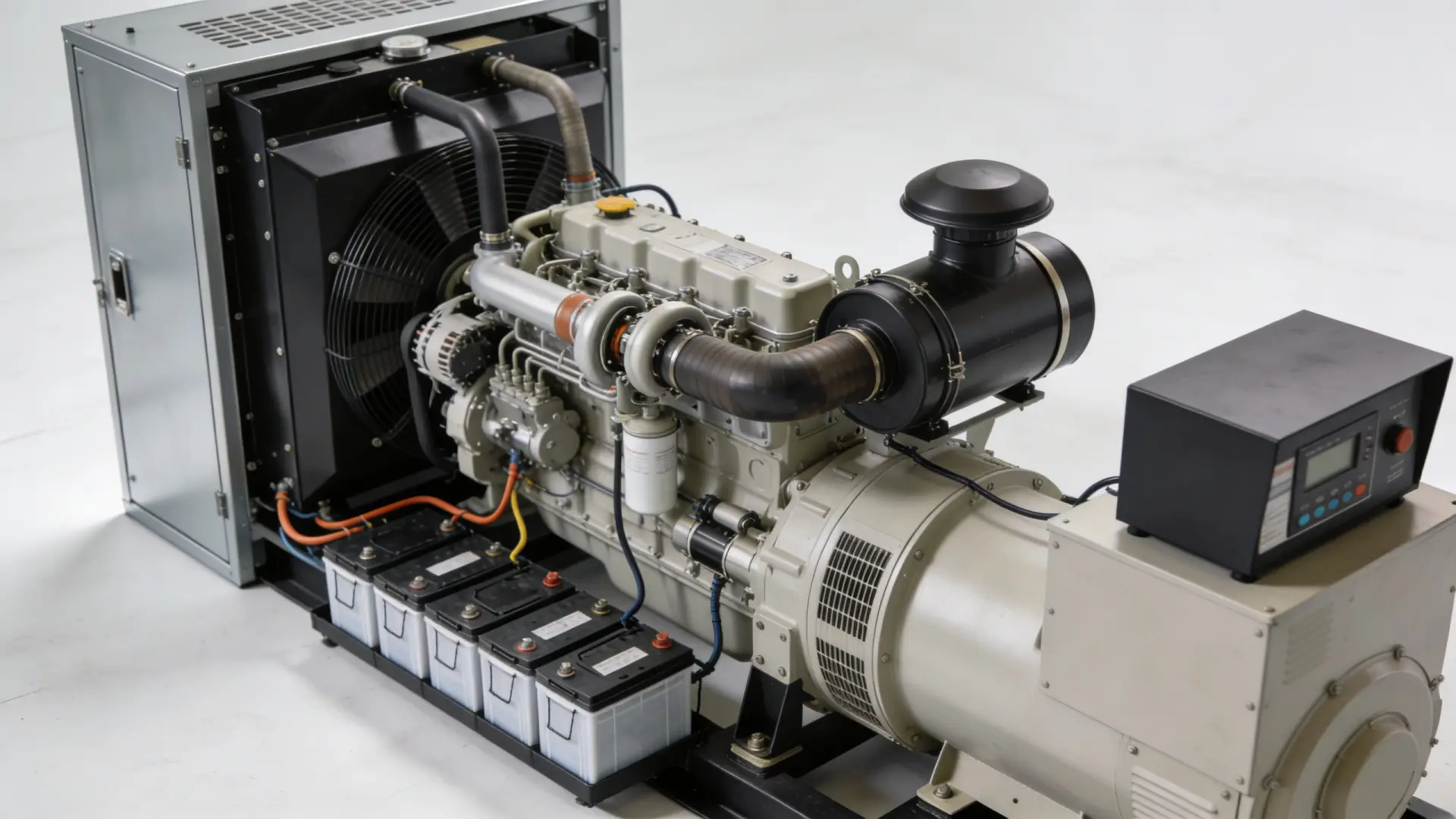
Off-grid living means you are entirely responsible for your own survival during emergencies. This demands redundancy—multiple paths for every critical function. If your primary power source fails, your backup generator must kick in automatically. If your well pump breaks, hand pumps provide water. If your main heating system quits, alternative heat sources sustain life.
Emergency supplies should include 2-4 weeks of shelf-stable food, potable water beyond normal reserves, medical supplies, and critical medications. Battery-powered or hand-crank flashlights, radios, and chargers maintain communication and lighting during power failures. Propane, fuel oil, or wood reserves ensure heating capacity even if resupply becomes impossible temporarily.
Building Resilience Into Your System
A backup water source (hand pump, alternative collection method, or secondary storage) ensures drinking water even when primary systems fail. Battery backup systems for critical electronics—refrigeration for medications, medical equipment, or security systems—require planning. Solar generators charged during normal operations power essential devices through extended outages.
Insurance coverage becomes more complex off-grid; standard homeowner policies may not cover unconventional systems. Consult with insurance professionals familiar with off-grid properties to ensure adequate protection. Legal documentation of system installation, professional inspections, and maintenance creates proof of proper operation—essential if disputes arise with neighbors or authorities regarding system compliance.
Your first step is assessment: verify water availability, solar potential, and seasonal weather patterns specific to your property. Then build infrastructure systematically, testing each system thoroughly before relying on it. Most successful off-grid homesteaders approach their transition gradually, adding complexity and convenience as basic needs become reliable and sustainable. Start with survival essentials—reliable power, clean water, and adequate heating—then build toward the comfortable lifestyle off-grid living can provide.
Frequently Asked Questions
How much does it cost to build an off-grid home system?
Off-grid system costs vary dramatically based on property location, climate, and desired comfort level. A basic system supporting 1-2 people might cost $15,000-$30,000, while a comprehensive whole-home system for a family of four typically runs $40,000-$100,000+. Solar arrays, battery banks, and well systems represent the largest expenses. Professional installation typically costs 30-50% more than DIY setups but ensures proper configuration and warranty coverage. Starting small and expanding as you gain experience often costs less than attempting a complete system initially.
Can you really live comfortably off the grid?
Yes, thousands of people live comfortably off-grid with modern conveniences comparable to grid-connected homes. Hot showers, reliable electricity for refrigeration and lighting, heating and cooling, and internet connectivity are all achievable with proper planning and investment. The key difference is intentionality—off-grid living requires daily awareness of resource consumption and occasional adjustments during weather extremes. Most people find this manageable, particularly those motivated by environmental values or self-sufficiency. The first 6-12 months typically involve a learning curve, but comfort increases as systems stabilize and routines develop.
What’s the biggest challenge of off-grid living?
Most off-grid homesteaders cite either the initial learning curve or system troubleshooting as their biggest challenge. Understanding how your power, water, and heating systems work together requires some technical knowledge, though it’s learnable by anyone motivated. The second challenge involves handling failures—if something breaks, you can’t simply call a utility company. However, this also becomes an advantage as you develop problem-solving skills and self-reliance. Preparation and gradual transition minimize these challenges significantly.
How much land do I need for off-grid living?
Land requirements depend entirely on your goals and preferred lifestyle. A basic off-grid home with solar power and a well can function on 1-2 acres if you’re comfortable with minimal food production. However, most people seeking genuine self-sufficiency prefer 5-10 acres to accommodate food gardens, pasture for livestock, firewood production, and space for system expansion. More land (20+ acres) allows complete food self-sufficiency and extensive forestry management. Start by assessing your specific goals and calculating space needed for each desired system, then work backward to determine minimum acreage.
Is off-grid living legal where I live?
Legality varies significantly by location, county, and even municipality. Some areas embrace off-grid living with minimal regulations, while others impose restrictions or require specific system types and professional certifications. Before purchasing property, research local building codes, zoning restrictions, septic/water system requirements, and any prohibitions on solar installations or alternative power sources. Many areas require permits and inspections for off-grid systems. Speaking with the local building department, county assessor, and neighboring off-grid homesteaders reveals what’s actually permitted in your area—regulations and enforcement vary widely even between neighboring counties.


6 Comments on “Moving off-grid Checklist: 25 Essentials You Need Before You Start”
Comments are closed.