Setting up a gravity-fed water system for your off-grid home might seem daunting, but it’s actually a surprisingly straightforward and reliable way to get water where you need it without relying on electricity. Essentially, you’re using the natural force of gravity to move water from a higher point to your home. This means no pumps, no electricity bills for water movement, and ultimately, a simpler, more sustainable way of living.
Table of Contents
Understanding the Core Principle: It’s All About Elevation
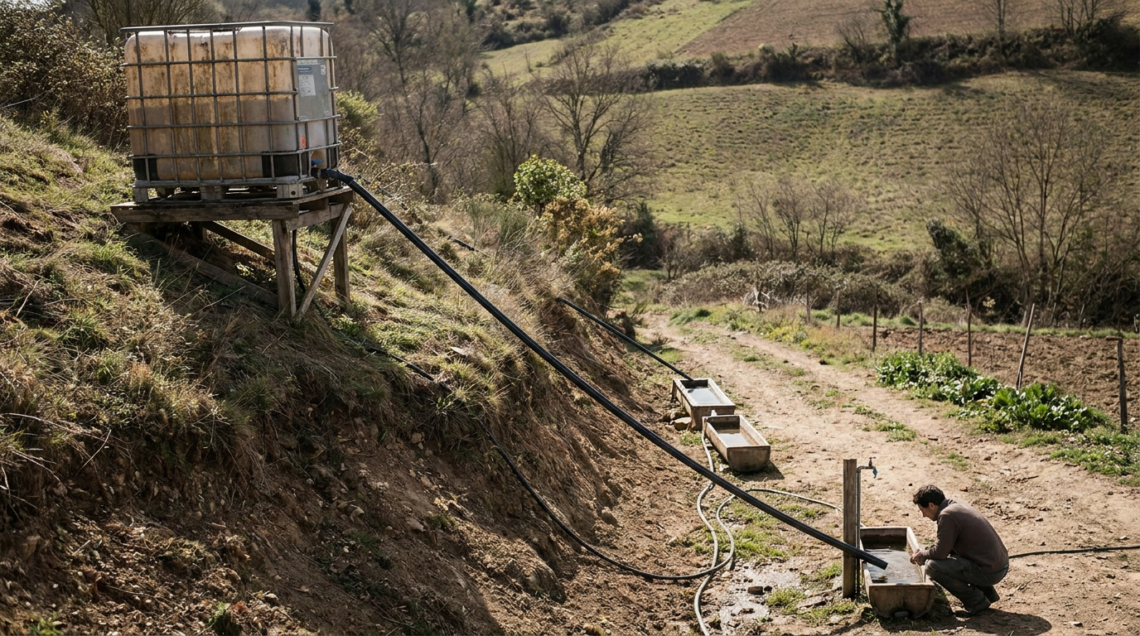
The fundamental concept behind a gravity-fed water system is simple: water flows downhill. The higher your water source is compared to your point of use (your tap, your shower, your toilet), the greater the water pressure you’ll generate. This elevation difference is your “head,” and it’s the magic ingredient that makes the system work. The more head you have, the stronger the water pressure. Think of a dam; the water behind it is at a high elevation, and when it flows out through turbines, that immense pressure drives the generators. Your off-grid system operates on a much smaller, but equally effective, scale.
For those interested in creating a Gravity-Fed Water System Setup for Off-Grid Homes, you may find it beneficial to explore a related article that provides a comprehensive overview of off-grid water system setups tailored for beginners. This resource offers valuable insights and practical tips that can enhance your understanding and implementation of efficient water systems. To read more, visit this article.
Designing Your Gravity-Fed System: What You Need to Consider
Before you start digging trenches or buying pipes, a bit of planning goes a long way. You’re not just shoving a pipe from one point to another; you’re creating a functional system. This involves understanding your water source, your needs, and how to connect them efficiently and reliably.
Sourcing Your Water
Where you get your water is the first, and arguably most critical, decision. What’s available to you, and what are the best options for your location and needs?
Rainwater Harvesting
This is a popular and sustainable option for off-grid living. Collecting rainwater from your roof is a smart way to secure a year-round water supply, provided you have adequate rainfall or storage.
- Roof Material: Consider what your roof is made of. Some materials can leach contaminants into the water. Metal roofs are generally good, while asphalt shingles might be less ideal without proper filtration.
- Gutters and Downspouts: These are your initial collection points. Ensure they are clean and free of debris. Leaf guards are a worthwhile investment here.
- First Flush Diverters: These are crucial. The first bit of rain washes accumulated dust, debris, and bird droppings off your roof. A first flush diverter directs this initial, dirtier water away from your storage tank.
- Screening: Fine mesh screens at the downspout outlets prevent leaves and larger debris from entering your storage.
Springs and Streams
If you’re lucky enough to have a natural spring or a reliable stream nearby, these can be excellent water sources. However, they come with their own set of considerations.
- Water Quality: This is paramount. Springs and streams can be contaminated by animal waste, agricultural runoff, or mining operations upstream. Comprehensive water testing is non-negotiable. You’ll need to set up a system that filters and purifies the water effectively.
- Permits and Water Rights: Depending on your location, you may need permits or have water rights to consider when drawing from a natural water source. It’s wise to check local regulations before you start.
- Protection: Your spring or stream intake needs protection from livestock, wildlife, and potential flooding. A well-protected intake structure is essential.
Wells
While traditionally associated with pumps, a well’s water level can be utilized for gravity feed if the groundwater table is sufficiently high and the wellhead is positioned above your home’s water fixtures.
- Depth and Water Table: The key here is that the water level in the well must be high enough that when you draw from it, the source remains above your household’s highest water outlet. This isn’t always the case for deep wells.
- Wellhead Protection: Similar to springs, the wellhead needs to be sealed and protected from surface contamination.
- Initial Lift: You might still need a way to get water from the well into your elevated storage tank initially when establishing the system, but once it’s in the tank, gravity takes over. This might require a small submersible pump for initial filling or if the well’s static water level drops too low.
Determining Your Water Storage Needs
How much water do you need to store? This depends on your daily consumption and how often you plan to replenish your supply.
Calculating Daily Usage
A good rule of thumb is to estimate your daily water usage. Think about:
- Drinking and Cooking: This is relatively low.
- Showers/Baths: This is a significant consumer. A shower can use 2.5 gallons per minute or more.
- Toilets: Modern low-flow toilets use around 1.6 gallons per flush. Older ones can use 3-7 gallons.
- Laundry: Washing machines vary greatly, but can use 20-40 gallons per load.
- Dishwashing: Handwashing or using a dishwasher.
A family of four might easily use 100-200 gallons per day. Over-estimate rather than under-estimate.
Sizing Your Storage Tank
Once you have your daily usage, you need to decide on tank size. Consider:
- Drought Periods: How long can you go without a significant refill from your source? If you rely on rainwater, you might want enough storage for several weeks or even months.
- Replenishment Rate: How quickly can your source provide water? A slow-recharging spring might require a larger storage buffer than a fast-flowing stream or a large roof catchment.
- Space and Budget: Larger tanks cost more and require more space. Find a balance that meets your needs and is feasible for your situation. Common tank sizes range from a few hundred gallons to several thousand.
Tank Material and Location
The material and placement of your tank are also important.
- Material: Food-grade polyethylene tanks are common, durable, and relatively inexpensive. Fiberglass tanks are another option. For very large volumes, concrete or metal cisterns might be considered. Ensure it’s rated for potable water.
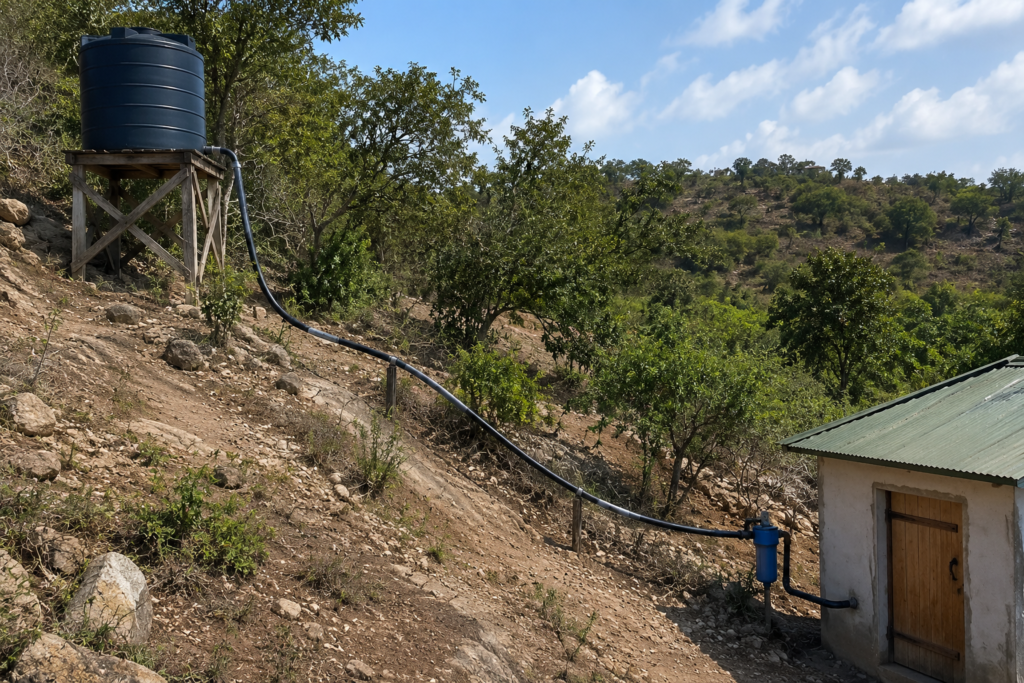
- Location: This is where the gravity comes in. Your storage tank must be located at a higher elevation than your home’s main water distribution point. The higher the better for pressure. Think about accessibility for cleaning and maintenance. Ideally, place it on a raised platform or a hillside.
Setting Up the Plumbing: Connecting the Dots
This is where you’ll be doing most of the physical work. The goal is to get water from your storage tank to your house as efficiently and cleanly as possible.
Intake and Filtration
Getting clean water into your tank and then out to your home requires careful consideration of how you filter.
Pre-filtration at the Source
- Screens: As mentioned with rainwater, screens are vital at the point of collection to keep out large debris.
- Settling Tanks (for Spring/Stream): If your source is a stream or spring, you might use a settling tank before pumping the water to your main storage. This allows heavier sediment to settle out.
Internal Tank Filtration
- Inlet Screen: Some tanks have a screen on the inlet pipe to catch any remaining larger debris before it enters the tank.
- Outlet Pre-filter: It’s wise to have a screen or a simple sediment filter on the outlet pipe from your tank, before the water enters your house plumbing. This catches anything that may have settled in the tank.
Pipe Selection and Installation
The type of pipe you use and how you install it significantly impact the system’s performance and longevity.
Pipe Material
- PVC (Polyvinyl Chloride): This is a standard, affordable, and durable option for water lines. Ensure you use potable water-grade PVC. It’s relatively easy to work with.
- HDPE (High-Density Polyethylene): This is a more flexible and robust option than PVC, often used for buried lines. It’s resistant to freezing and cracking.
- PEX (Cross-linked Polyethylene): PEX is excellent for interior plumbing and can be useful for connecting to the main line as it’s flexible and can be run through tight spaces.
Pipe Sizing
This is crucial for water pressure. If your pipes are too small, they’ll restrict water flow, reducing pressure.
- Friction Loss: Water flowing through pipes experiences friction, which reduces pressure. Longer runs and smaller diameters increase friction loss.
- General Guidelines: For typical residential use in a gravity system, 3/4 inch to 1 inch diameter pipes are common for the main line from the tank to the house. Smaller diameters (1/2 inch) are then used for branch lines to fixtures. It’s worth consulting a plumbing guide or designer if you’re unsure.
Installation Best Practices
- Slope: While the overall system relies on gravity from the tank to the house, ensure your supply lines from the source to the tank also have a slight downward slope to facilitate flow and drainage, if applicable.
- Burying Lines: Burying your main supply line below the frost line is essential in colder climates to prevent freezing. This also protects the pipe from UV damage and physical impact.
- Expansion Joints/Expansion Loops: In longer runs, especially with PVC, consider expansion joints or loops to accommodate temperature-induced expansion and contraction of the pipe.
- Air Vents: Sometimes, air can get trapped in the lines. Installing bleed valves (air vents) at high points can help purge any accumulated air.
Connecting to Your Home’s Plumbing
Integrating the gravity-fed system with your existing or new home plumbing requires careful planning.
Main Shut-off Valve
Install a main shut-off valve right where the supply line enters your home. This allows you to isolate your house from the water supply for maintenance or emergencies.
Pressure Regulation (Optional but Recommended)
Even with gravity, you can sometimes get too much pressure, especially if you have significant elevation from your tank.
- Pressure Reducing Valves (PRV): These devices reduce incoming water pressure to a safe and consistent level for your home’s fixtures. They protect your pipes, appliances, and prevent leaks.
- Is It Always Necessary?: If you have a modest elevation difference (say, under 30 feet), you might not need a PRV. However, for higher elevations or if you experience a “hammer” effect (sudden water shut-off causing a banging sound), a PRV is a wise investment.
Connecting Fixtures
The gravity-fed line then connects to your home’s internal plumbing system, feeding your sinks, toilets, showers, and any other water-using appliances.
Water Quality and Treatment: Ensuring Potability
Having water is one thing; having safe, drinkable water is another. Gravity-fed systems, especially those from natural sources, absolutely require a robust water treatment plan.
Sediment Filtration
This is your first line of defense.
In-line Sediment Filters
These are typically cartridge filters that catch smaller particles that might have made it through initial screens.
- Micron Rating: Filters come with a micron rating, indicating the size of particles they can remove. For drinking water, you’ll want something in the 5-20 micron range initially, and possibly finer for later stages.
- Cartridge Replacement: These filters have cartridges that need regular cleaning or replacement. Keep spares on hand.
Chemical and Biological Treatment
This is where you ensure the water is safe to drink.
Activated Carbon Filters
These filters are excellent at removing chlorine, volatile organic compounds (VOCs), and improving taste and odor. They are a common step after sediment filtration.
UV Sterilization
Ultraviolet (UV) treatment is a highly effective method for disinfecting water and killing bacteria, viruses, and other pathogens without adding chemicals.
- How It Works: Water passes through a chamber exposed to UV light, which damages the DNA of microorganisms, rendering them unable to reproduce.
- Pre-filtration is Key: UV systems work best with clear water. Pre-sediment and carbon filtration are crucial to ensure the UV light can effectively reach and sterilize the water.
- Power Consumption: While not a pump, UV sterilizers do require electricity. Choose a low-wattage unit if you’re running on limited power.
Ozonation (Less Common for DIY)
Ozone is another powerful disinfectant but is more complex to implement in a DIY gravity system and often requires a dedicated ozone generator.
Boiling (Last Resort/Emergency)
While not a continuous treatment method for a system, knowing how to boil water to kill pathogens is a crucial backup skill for any off-grid scenario.
Regular Water Testing
This cannot be stressed enough. Even with a comprehensive treatment system, you must regularly test your water to ensure it remains safe.
- Testing Kits: You can buy DIY water testing kits for common contaminants like bacteria (coliforms, E. coli) and nitrates.
- Professional Labs: For a more thorough analysis, send samples to a certified laboratory periodically. This will tell you about a wider range of potential contaminants, including heavy metals and dissolved solids.
When setting up a gravity-fed water system for off-grid homes, it’s essential to consider the overall energy requirements of your setup. A related article that provides valuable insights on optimizing energy use is available at how to size an off-grid solar system. Understanding how to effectively size your solar system can significantly enhance the efficiency of your water system, ensuring that you have a reliable and sustainable source of energy to support your off-grid lifestyle.
Maintenance and Troubleshooting: Keeping the Flow Going
Even the best-designed systems need a bit of TLC to keep them running smoothly. Think of this as preventative care for your water supply.
Regular Inspections
Make it a habit to visually check your system.
- Gutters and Downspouts: Clear them regularly, especially after storms.
- Tank: Inspect the tank for cracks or leaks. Check the overflow pipe to ensure it’s clear.
- Pipes: Walk the line of your buried pipes if accessible, looking for any signs of damage or leaks. Check exposed pipework for wear and tear.
- Filters: Check your filter cartridges for clogging and clean or replace them as needed.
Cleaning Your Storage Tank
Over time, sediment can accumulate in your storage tank, even with good filtration.
- Frequency: Depending on your water source quality and the effectiveness of your filtration, you might need to clean your tank annually or every few years.
- Process: This typically involves draining the tank and physically removing accumulated sediment. It’s a good opportunity to inspect the tank’s interior for any damage.
Troubleshooting Common Issues
Even with careful setup, you might encounter problems.
Low Water Pressure
This is the most common complaint in gravity systems.
- Check Elevation: Is your tank high enough compared to your fixtures?
- Clogged Filters: Dirty sediment or carbon filters will restrict flow.
- Kinked or Blocked Pipes: Inspect the entire pipe run from the tank to the fixture.
- Air Locks: Air trapped in the lines can significantly reduce pressure. Bleed valves can help.
- Tank Level: Is the water level in your tank too low?
- Pipe Diameter: Were the pipes sized correctly? Too small a diameter will create excessive friction loss.
Water Leaks
Leaks can waste water and reduce pressure.
- Joints and Fittings: Most leaks occur at connections. Tighten or re-seal as needed.
- Damaged Pipes: Look for cracks or holes in the pipes themselves.
- Tank Integrity: Inspect the tank for structural leaks.
Water Quality Issues (Taste, Odor, Cloudiness)
If your water treatment isn’t sufficient.
- Filter Life: Have your filter cartridges reached their lifespan?
- UV Lamp: Is your UV lamp functioning correctly? Check the indicator lights.
- Source Contamination: Has there been an upstream event that has introduced new contaminants to your source? Time for re-testing.
- Tank Sludge: If the tank hasn’t been cleaned in a while, sludge could be contributing.
The Advantages of Gravity: Simplicity and Sustainability
The biggest draw of a gravity-fed system for off-grid living is its inherent simplicity and sustainability.
No Reliance on Electricity
This is the most significant advantage. Your water supply won’t be cut off by a power outage, and you won’t have ongoing electricity costs associated with pumping water. This is a huge win for off-grid resilience.
Reduced Maintenance Compared to Pumps
While filters and tanks need maintenance, you’re generally avoiding the mechanical complexity, wear, and potential failure points of electric pumps. Less to break, less to fix.
Cost-Effectiveness Over Time
While the initial setup can involve investment in tanks, pipes, and filtration, the long-term savings from not paying for electricity to pump water are substantial.
Environmental Friendliness
By using a natural force and potentially renewable sources like rainwater, gravity-fed systems have a lighter environmental footprint.
Conclusion: A Reliable Foundation for Off-Grid Living
Setting up a gravity-fed water system requires thoughtful planning, careful installation, and ongoing attention to water quality and maintenance. However, the rewards of a reliable, independent, and sustainable water supply for your off-grid home are well worth the effort. It’s a foundational element that allows you to live more self-sufficiently and in harmony with your surroundings.
FAQs
What is a gravity-fed water system?
A gravity-fed water system is a method of delivering water to a home or property using the force of gravity to create water pressure. It typically involves collecting water from a natural source, such as a spring or stream, and using pipes and elevation changes to deliver the water to the desired location without the need for a pump.
How does a gravity-fed water system work?
In a gravity-fed water system, water is collected from a higher elevation source and then directed through pipes to a lower elevation location, such as a home or garden. The force of gravity creates pressure in the pipes, allowing the water to flow to its destination without the need for mechanical assistance.
What are the benefits of a gravity-fed water system for off-grid homes?
Gravity-fed water systems are ideal for off-grid homes because they do not require electricity to operate, making them a sustainable and cost-effective option. They also provide a reliable source of water, even in remote locations where access to utilities may be limited.
What are the key components of a gravity-fed water system setup?
Key components of a gravity-fed water system setup include a water source, such as a spring or well, a storage tank or reservoir to collect the water, pipes to transport the water, and elevation changes to create the necessary pressure for water flow. Additionally, a filtration system and pressure regulator may be included to ensure the water is clean and the pressure is consistent.
What are some considerations for setting up a gravity-fed water system for off-grid homes?
When setting up a gravity-fed water system for off-grid homes, it is important to consider factors such as the location and accessibility of the water source, the terrain and elevation changes on the property, the size and capacity of the storage tank, and the materials and installation of the piping system. It is also important to consider water usage needs and potential maintenance requirements for the system.