
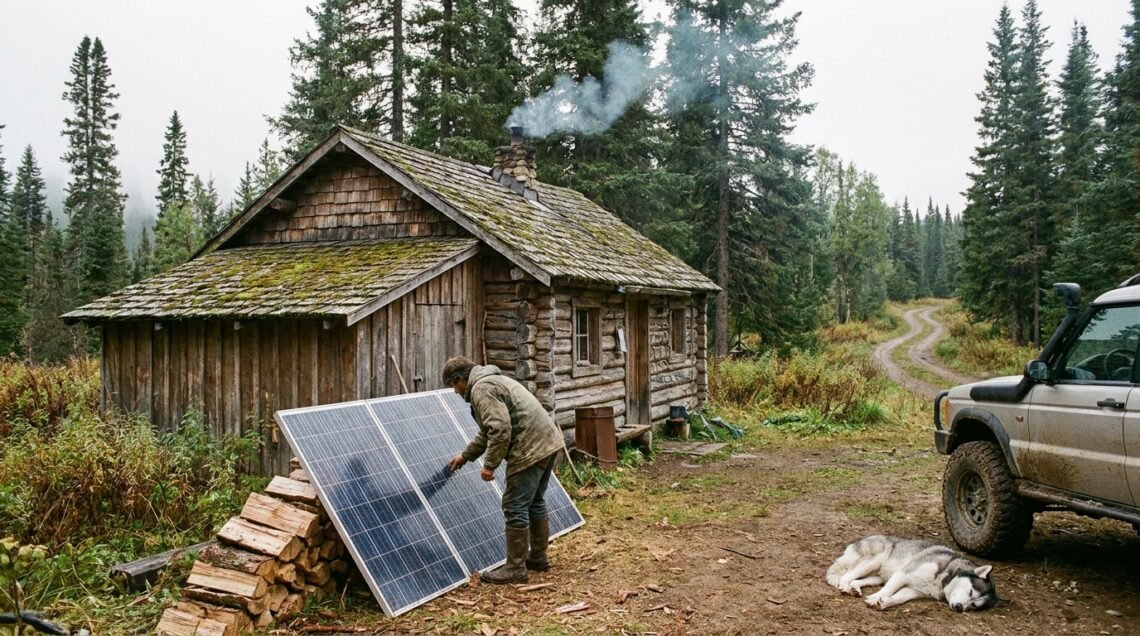
Never Run Out of Power: How Many Solar Panels for a Reliable Off-Grid Cabin usually boils down to a few key things: how much electricity you actually use, how much sun your location gets, and the type of equipment you choose. There’s no one-size-fits-all answer, but by breaking down your daily energy habits and understanding solar basics, you can get a really good estimate.
The first and most crucial step is to understand your electrical consumption. This is often called a “load calculation” or “energy audit.” Don’t skip this, as it’s the foundation for everything else.
Table of Contents
List All Your Appliances
Grab a pen and paper, or open a spreadsheet. Go through every single electrical item you plan to use in your cabin, from your phone charger to your refrigerator.
- Lighting: What kind of bulbs? How many? How long are they on each day? (LEDs are much more efficient!)
- Refrigerator/Freezer: This is often the biggest power hog. Is it a standard household fridge or a more efficient 12V/DC model designed for off-grid use?
- Water Pump: If you have running water, how often does the pump kick on and for how long?
- Electronics: Phone chargers, laptop, TV, radio, internet router. How many watts do they draw, and for how many hours?
- Small Kitchen Appliances: Coffee maker, toaster, microwave. These are often high wattage but used for short periods.
- Heating/Cooling (if electric): This can drastically increase your needs. Consider propane or wood for these if possible.
- Tools: Power tools, if you’re working on projects.
Understand Watts, Amps, and Hours
This isn’t as scary as it sounds. Most appliances will have a label with their wattage (W) or amperage (A).
- Watts (W): This is the power an appliance uses at any given moment.
- Amps (A): This is the current drawn. If you only have amps and voltage (e.g., 12V or 120V), you can calculate watts: Watts = Amps x Volts.
- Watt-hours (Wh): This is the total energy consumed over time. It’s the most important number for our calculation. Watt-hours = Watts x Hours of Use.
For example, a 60W light bulb on for 5 hours uses 300 Wh (60W 5h = 300Wh). A 1500W coffee maker used for 10 minutes (0.167 hours) uses 250 Wh (1500W 0.167h = 250Wh).
Calculate Your Daily Watt-Hour Total
Add up the Watt-hours for every appliance you listed for a typical day. This will give you your total daily energy consumption. This is your baseline.
- Example:
- LED Lights (total): 100 Wh/day
- Refrigerator (average): 800 Wh/day
- Laptop: 150 Wh/day
- Phone Charger: 25 Wh/day
- Water Pump: 50 Wh/day
- Total daily consumption: 1125 Wh/day
Always round up a bit and add a buffer (10-25%) for unexpected use or future additions. It’s better to have a little more than a little less.
If you’re considering how many solar panels you need for an off-grid cabin, it’s essential to understand the broader context of off-grid living. A related article that delves into the challenges and realities of this lifestyle is titled “The Brutal Truth of Off-Grid Living.” This piece provides valuable insights into the various factors that can influence your energy needs and overall sustainability. You can read it for more information by following this link: The Brutal Truth of Off-Grid Living.
Solar Irradiance: How Much Sun Do You Get?
Even the best solar panel won’t produce much electricity on a cloudy day or in the depths of winter. Solar irradiance, often called “peak sun hours,” is a measure of the intensity and duration of sunlight your location receives.
Understanding Peak Sun Hours
Peak sun hours are not the same as the total hours of daylight. It’s a standard way to express the amount of solar energy available, equivalent to the number of hours per day when the sun’s intensity is 1,000 watts per square meter (W/m²).
- A day with 10 hours of daylight might only have 4-5 peak sun hours due to the sun’s angle, clouds, etc.
- Maps and online tools (like those from the National Renewable Energy Laboratory – NREL) can tell you the average peak sun hours for your specific location.
Seasonal Variation
This is critical for off-grid living. Your peak sun hours will be significantly lower in winter than in summer.
- Summer: You might get 6-7+ peak sun hours per day.
- Winter: You might only get 2-3 peak sun hours per day.
You need to design your system for the worst-case scenario, which is usually the shortest, cloudiest winter day, if you want reliable power year-round. If you’re only using the cabin in summer, your calculations will be much simpler.
Consider Shading and Panel Angle
Even if your location gets great sun, shadows from trees, hills, or other structures can drastically reduce your panel output.
- Optimal Angle: Panels should be angled to capture the most direct sunlight throughout the year. In many northern hemisphere locations, this often means an angle roughly equal to your latitude. For year-round systems, a compromise angle (e.g., latitude + 15 degrees for winter preference) or adjustable mounting might be considered.
- Shading Impact: Even partial shading on one cell of a panel can reduce the output of the entire panel, or even a string of panels, dramatically. Carefully observe your site for shading throughout the day and year.
Output vs. Consumption: Sizing Your Panels
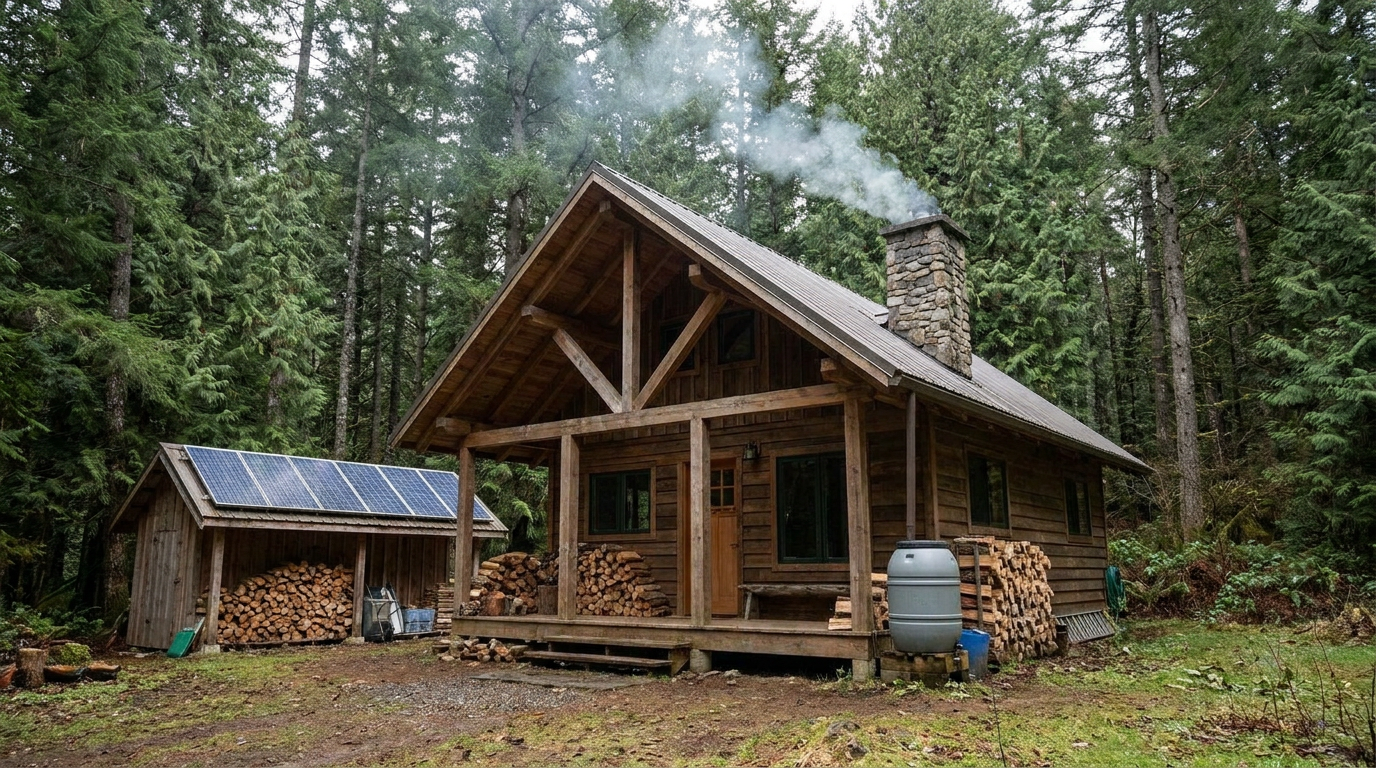
Now that you know how much power you need and how much sun you get, you can start to size your solar array.
Start with Daily Watt-Hours Needed
Let’s stick with our example of 1125 Wh per day.
Account for System Losses
No solar system is 100% efficient. You lose power at various stages:
- Inverter Efficiency: Converts DC (from panels/batteries) to AC (for most appliances). Typically 90-95% efficient.
- Battery Charging/Discharging: Losses during storage and retrieval. Typically 80-90% efficient.
- Wiring Losses: Some energy is lost as heat in the wires (minor if sized correctly).
- Temperature Derating: Panels produce less power in very hot conditions.
- Dust/Dirt: Panels get dirty, reducing output.
A common rule of thumb is to add a 20-30% fudge factor for overall system losses. Let’s use 25% for our example.
- Needed Daily Wh (after losses): 1125 Wh / (1 – 0.25) = 1125 Wh / 0.75 = 1500 Wh/day
This means your panels actually need to generate 1500 Wh of usable energy per day to compensate for system inefficiencies.
Calculate Panel Wattage Needed
Now, let’s use your most conservative peak sun hours for your location. Let’s say it’s 3 peak sun hours in winter.
- Required Panel Wattage (Wp) = Daily Wh Needed (after losses) / Peak Sun Hours
- Wp = 1500 Wh / 3 hours = 500 Wp
This means you need a solar array that can generate 500 nominal watts (Wp) of power.
Determine the Number of Panels
Common panel sizes are 100W, 200W, 300W, 400W, etc. The higher the wattage, the larger the physical size of the panel.
- If you choose 200W panels: 500 Wp / 200 Wp/panel = 2.5 panels. You can’t have half a panel, so you’d round up to 3 panels.
- If you choose 300W panels: 500 Wp / 300 Wp/panel = 1.67 panels. You’d round up to 2 panels.
So, for our example, you’d need two 300W solar panels (totaling 600Wp) to meet your 1125 Wh daily energy needs during the worst winter day with 3 peak sun hours. This gives you a little extra buffer, which is always wise.
Battery Storage: Powering Through the Night (and Clouds)
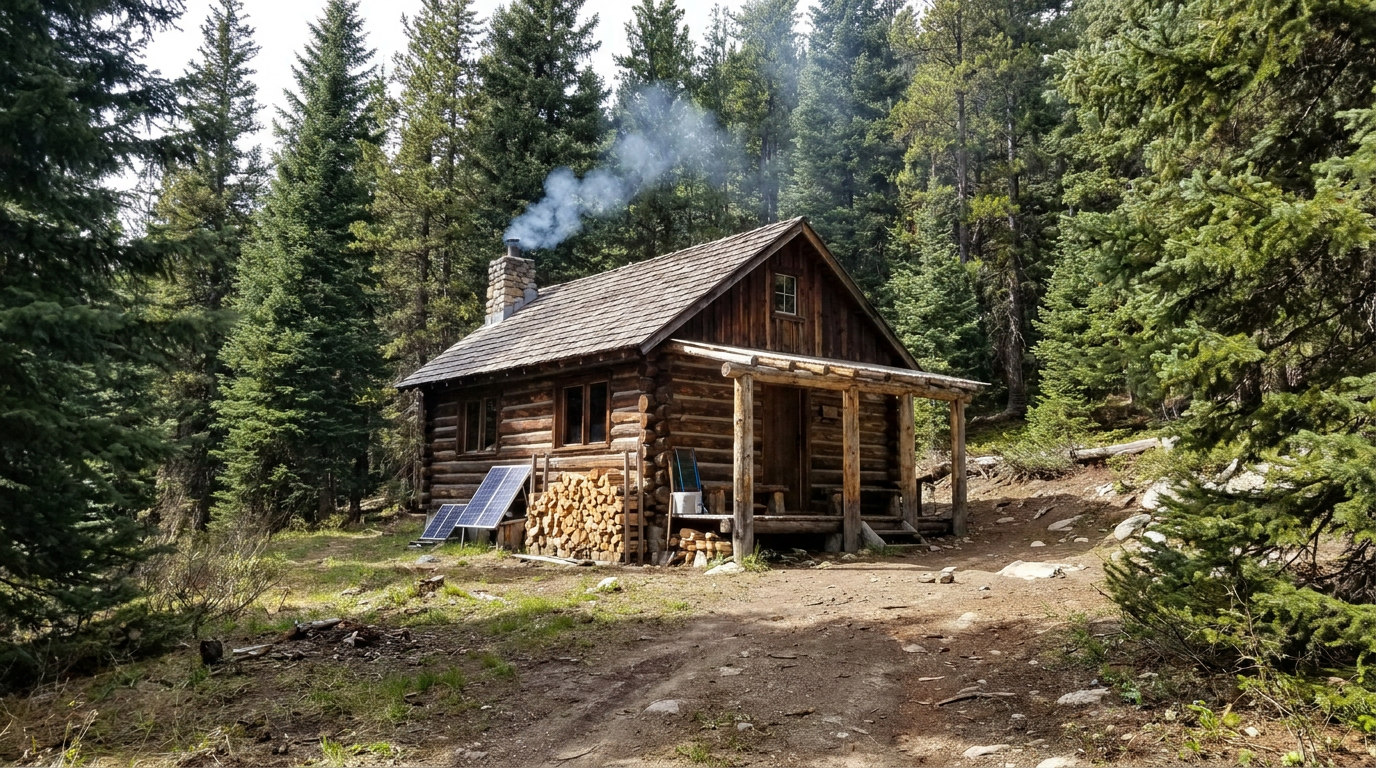
Solar panels only produce power when the sun is shining. Batteries store that power for use at night or on cloudy days.
Calculate Days of Autonomy
This is how many days you want to be able to run your cabin solely on battery power without any sun. For off-grid cabins, 2-3 “days of autonomy” is a common goal to handle extended cloudy periods.
- Let’s aim for 2 days of autonomy.
- Daily Wh Needed (from our earlier calculation, before losses for batteries) = 1125 Wh.
- Total Battery Storage Needed = Daily Wh Needed * Days of Autonomy
- Total = 1125 Wh * 2 days = 2250 Wh
Account for Battery Depth of Discharge (DoD)
Batteries, especially lead-acid, don’t like to be fully discharged. Discharging them too deeply repeatedly reduces their lifespan significantly.
- Lead-Acid Batteries: Typically, you don’t want to discharge these below 50% DoD. This means if you need 2250 Wh, you need a battery bank with double that usable capacity.
- Lithium Iron Phosphate (LiFePO4) Batteries: These are much more tolerant and can often be discharged to 80-90% DoD without significant impact on lifespan. They are generally more expensive but last longer and are more efficient.
Continuing with our example and assuming lead-acid batteries with 50% DoD:
- Actual Battery Capacity (Wh) = Total Battery Storage Needed / DoD
- Actual = 2250 Wh / 0.50 = 4500 Wh
Convert Wh to Amp-Hours (Ah)
Batteries are usually rated in Amp-hours (Ah) and voltage (V). Common off-grid system voltages are 12V, 24V, or 48V. Higher voltages are more efficient for larger systems as they reduce current and wire losses.
Let’s assume a 12V system for simplicity.
- Battery Ah = Required Battery Capacity (Wh) / System Voltage (V)
- Battery Ah = 4500 Wh / 12V = 375 Ah
So, you’d need a battery bank that provides at least 375 Ah at 12V (or equivalent for 24V/48V). This might translate to, for instance, three 12V 125 Ah batteries wired in parallel for a 12V system, or two 12V 187.5Ah batteries.
When considering how many solar panels you need for an off-grid cabin, it’s also important to understand the broader aspects of off-grid living. A related article that delves into the essential components of off-grid systems, including power, water, and waste management, can provide valuable insights. You can read more about these crucial elements in the article on off-grid systems, which complements your understanding of solar panel requirements and helps you create a sustainable living environment.
Balance of System Components: The Supporting Cast
| Appliance | Wattage | Hours of Use per Day | Total Daily Watt-Hours |
|---|---|---|---|
| Lights | 10W | 4 | 40Wh |
| Refrigerator | 150W | 24 | 3600Wh |
| Water Pump | 250W | 1 | 250Wh |
| Phone Charger | 5W | 2 | 10Wh |
| TV | 100W | 3 | 300Wh |
| Total | 4200Wh |
The solar panels and batteries are the stars, but they need a good supporting cast to work effectively and safely.
Charge Controller
This device regulates the power flow from your solar panels to your batteries. It prevents overcharging, which can damage batteries, and ensures they are charged optimally.
- PWM (Pulse Width Modulation): More affordable, less efficient, best for smaller systems where the panel voltage closely matches the battery voltage.
- MPPT (Maximum Power Point Tracking): More expensive, much more efficient (especially in varying light conditions and if panel voltage is significantly higher than battery voltage). Recommended for most modern off-grid systems.
Sizing a charge controller involves knowing your total panel wattage and system voltage. The controller’s amperage rating must be sufficient to handle the maximum current from your solar array.
Inverter
This converts the DC power stored in your batteries into AC power, which most standard household appliances use.
- Pure Sine Wave: Produces clean power, suitable for all electronics, including sensitive ones. Recommended for any off-grid cabin.
- Modified Sine Wave: Cheaper, but can damage or run inefficiently with certain electronics (motorized appliances, anything with a delicate circuit board). Avoid if possible.
Sizing the inverter depends on the highest surge power you expect to draw at any one time (e.g., when a water pump or refrigerator motor starts). You’ll compare the inverter’s continuous wattage rating and peak/surge wattage rating to your highest simultaneous load.
Wiring and Protection
Properly sized wiring is crucial for safety and efficiency. Undersized wires can overheat and cause fires, and they lead to voltage drop, reducing the power delivered to your appliances.
- Wire Gauge: Determined by the current (amps) and the distance the power travels. Use wire gauge charts or consult an electrician.
- Fuses/Breakers: Essential safety devices to protect your system components and prevent fires in case of a short circuit or overload. You’ll need fuses/breakers for the solar panel circuit, battery bank, and inverter output.
Mounting System
How will your panels be installed?
- Roof Mount: Common, but requires a sturdy roof and proper seals.
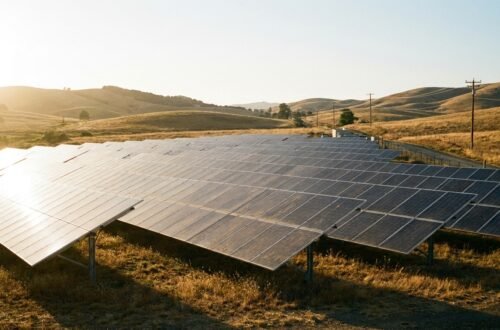
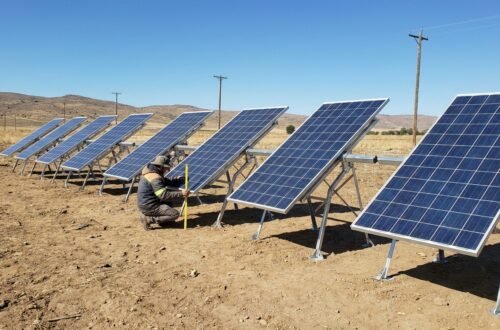
- Ground Mount: Offers flexibility in angling and positioning to avoid shade. Can be fixed or adjustable.
Practical Considerations and Tips
Beyond the numbers, these practical aspects can make or break your off-grid experience.
Start Small, Expand Later
If budget is a concern or you’re unsure of your exact needs, you can often design a system that’s expandable. Buy enough panels and batteries for your absolute essentials, and then add more as you learn your usage patterns or can afford to.
Prioritize Energy Efficiency
This is the cheapest “solar panel” you can buy!
- LED lighting: Essential.
- 12V/DC Appliances: Refrigerators, freezers, and sometimes even small fans or water pumps designed for RVs or off-grid use can be significantly more efficient than their AC counterparts because they bypass the inverter losses.
- Insulation: A well-insulated cabin drastically reduces heating and cooling demands, indirectly reducing your electrical needs if you have electric heating/cooling.
- Passive Solar Design: Orient your cabin to take advantage of the sun for natural heating and lighting.
Monitoring and Maintenance
An off-grid system isn’t “set it and forget it.”
- Monitor your usage: Many charge controllers and inverters come with displays or apps that show battery state of charge, power production, and consumption. This helps you understand your system and adjust habits if needed.
- Keep panels clean: Dust, pollen, and snow can reduce efficiency.
- Check battery terminals: Ensure they are clean and tight.
- Educate yourself: Understand how each component works and how to troubleshoot minor issues.
Backup Generator
Even the most robust solar system can struggle through extended periods of bad weather. A small, efficient backup generator (propane or gasoline) can be a lifesaver for topping off batteries or running high-draw tools when the sun isn’t cooperating. This allows you to size your solar array a bit smaller, knowing you have a backup.
Professional Help
While it’s entirely possible to design and install a small off-grid system yourself, for larger, more complex setups, consulting an experienced solar professional can save you headaches, costly mistakes, and ensure your system is safe and efficient. They can help with proper sizing, component matching, and navigating electrical codes.
In essence, building an off-grid solar system for your cabin is a bit like a puzzle. You gather all the pieces – your energy needs, the sun’s availability, and the right equipment – and put them together thoughtfully. Take your time with the calculations, err on the side of caution, and you’ll be enjoying reliable, self-generated power in your cabin for years to come.
FAQs
1. What factors should be considered when determining the number of solar panels needed for an off-grid cabin?
Factors to consider include the energy consumption of the cabin, the peak sunlight hours in the location, the efficiency of the solar panels, and the battery storage capacity.
2. How can I calculate the number of solar panels needed for my off-grid cabin?
To calculate the number of solar panels needed, you can start by determining the daily energy consumption of the cabin, then divide that by the peak sunlight hours to find the required solar panel wattage. From there, you can calculate the number of panels needed based on the wattage of the solar panels.
3. What are the typical sizes and wattages of solar panels for off-grid cabins?
Solar panels for off-grid cabins typically range in size from 250 watts to 400 watts per panel. The size and wattage needed will depend on the energy consumption of the cabin and the available space for installation.
4. How do I ensure that my off-grid cabin has enough power with solar panels?
To ensure that your off-grid cabin has enough power with solar panels, it’s important to properly size the solar panel system based on the cabin’s energy needs. Additionally, investing in energy-efficient appliances and using power wisely can help maximize the effectiveness of the solar panels.
5. Are there any additional considerations when installing solar panels for an off-grid cabin?
When installing solar panels for an off-grid cabin, it’s important to consider the angle and orientation of the panels for optimal sunlight exposure. Additionally, regular maintenance and monitoring of the solar panel system are essential to ensure its long-term performance.


3 Comments on “Never Run Out of Power: How Many Solar Panels for a Reliable Off-Grid Cabin?”