So, you’re thinking about going off-grid and are wondering if well water vs rainwater is the way to go for your water supply. It’s a big decision, and honestly, there’s no single “better” option that fits everyone. It really depends on your specific situation, location, and what you’re willing to put in. Let’s break down both well water and rainwater so you can make an informed choice.
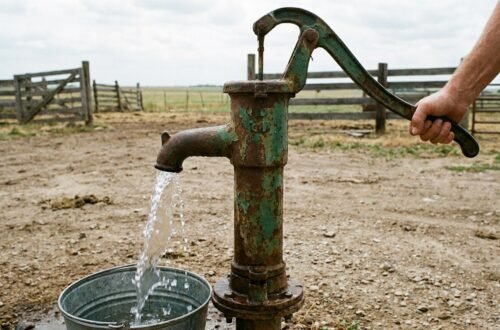
Wells are a classic, established way to get water, and for good reason. They tap into underground aquifers, which are basically natural reservoirs of groundwater. The idea is pretty straightforward: you drill down, find water, and then bring it to the surface.
Table of Contents
The Upside of Wells: Reliability and Volume
One of the biggest draws of a well is its potential for a consistent, large supply of water. If you have a good aquifer, you’re likely to have water even during dry spells. This reliability is a huge plus for off-grid living where having a dependable water source is critical. Think about showering, doing laundry, and keeping things running smoothly – a good well can handle it.
Consistent Supply: Your Ace in the Hole
Unlike rainwater, which is entirely dependent on the weather, underground aquifers are generally more stable. They’re replenished by rain and snow over long periods, meaning you’re less likely to face a sudden drought that cuts off your water. This consistency can offer a significant peace of mind.
Volume Potential: More Than Enough
A properly drilled well in a good location can yield a substantial amount of water. This is especially important if you plan on having a family, running a small farm, or have high water usage needs. You won’t be rationing your showers or stressing about filling a cistern every time there’s a lull in the rain.
The Downside of Wells: Cost and Contamination Concerns
While appealing, wells aren’t without their drawbacks. The initial setup can be a significant investment, and there are always potential issues with water quality.
The Price Tag: It Adds Up
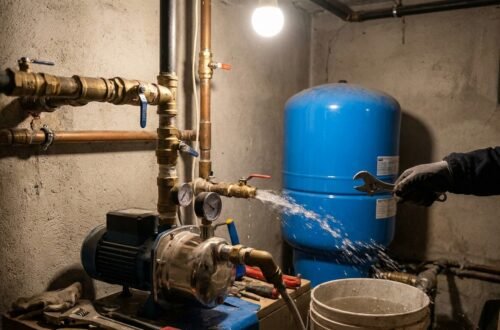
Drilling a well isn’t cheap. The cost can vary wildly depending on depth, soil conditions, and the equipment needed. We’re talking thousands, potentially tens of thousands, of dollars just to get the well itself operational. Then you need to factor in the pump, pressure tank, and piping.
Water Quality: What’s Lurking Below?
Even though groundwater is often filtered by the earth, it’s not automatically pure. You can encounter dissolved minerals, heavy metals, bacteria, or even agricultural runoff. Testing your well water regularly is non-negotiable. If you find contamination, you’ll need to invest in filtration and treatment systems, adding to the overall cost and complexity.
Depth and Permitting: Bureaucracy and Geology
The depth of your well matters. Deeper wells mean more drilling, more cost, and potentially more geological challenges. You’ll also likely need permits to drill, and regulations can vary by state or region. It’s essential to do your homework on local laws and geological surveys before even thinking about drilling.
When considering the best water source for off-grid living, it’s essential to weigh the pros and cons of well water versus rainwater. For those new to this lifestyle, understanding common pitfalls can be incredibly beneficial. A related article that delves into the challenges faced by beginners is titled “15 Off-Grid Living Mistakes Beginners Make,” which provides valuable insights into avoiding costly errors. You can read it here: 15 Off-Grid Living Mistakes Beginners Make. This resource complements the discussion on water sources by highlighting other critical aspects of off-grid living.
Harvesting Rain: The Sky’s the Limit (Sometimes)
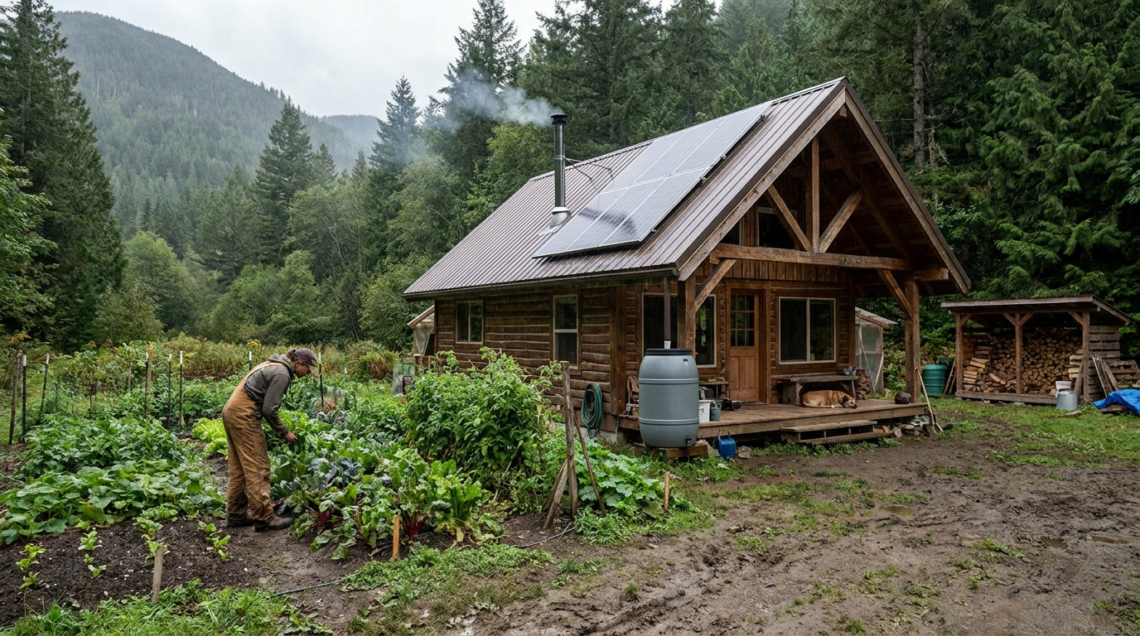
Rainwater harvesting is, as the name suggests, the practice of collecting and storing rainwater. This can range from simple rain barrels to elaborate systems with large cisterns and filters. It’s a more direct approach to water collection, leveraging what nature provides on a regular basis.
The Pros of Rainwater: Simple, Sustainable, and Often Cheaper Upfront
Rainwater harvesting can be a more accessible and environmentally friendly option, especially in areas with decent rainfall.
Lower Initial Cost: A Welcome Relief
Compared to drilling a well, setting up a basic rainwater harvesting system can be significantly cheaper. You can start with barrels and gutters and scale up as needed. This makes it a more approachable option for those with tighter upfront budgets. Even more sophisticated systems with larger cisterns and filtration are often less expensive than a comparable well system.
Eco-Friendly Appeal: Tapping into Nature
Collecting your own water from the sky feels pretty good from a sustainability perspective. You’re not drawing from a finite underground resource, and you’re using a renewable source. It aligns well with the ethos of self-sufficiency and living in harmony with the environment.
Simplicity of Collection: Gravity and Gutters
The basic principle is straightforward: guide the rain off your roof, through gutters, and into storage. This avoids the need for heavy drilling equipment. While advanced systems involve pumps and filters, the initial collection mechanism is passive and relies on gravity and simple infrastructure.
The Cons of Rainwater: Inconsistency and Contamination Risks
The biggest challenge with rainwater is its dependence on the weather, and there are also concerns about what might be in the water you collect.
The Unpredictable Factor: Waiting for the Rain
This is the Achilles’ heel of rainwater. If you live in a dry climate or experience prolonged droughts, your water supply can dwindle to nothing. You need to carefully assess your local rainfall patterns and ensure you have adequate storage to bridge dry spells.
Rooftop Runoff Concerns: What’s on Your Roof?
The quality of your collected rainwater is directly linked to the cleanliness of your roof and collection system. Critters, leaves, dust, and even chemical residues from roofing materials can end up in your water. Proper filtration and regular cleaning of your gutters and roof are essential.
Storage Solutions: Space and Material Matters
Storing enough rainwater to meet your needs requires significant storage capacity, usually in the form of large tanks or cisterns. These take up space and can be an additional cost. The material of your storage tanks is also important; you want food-grade materials that won’t leach chemicals into the water.
Comparing the Two: Where Do They Stack Up?
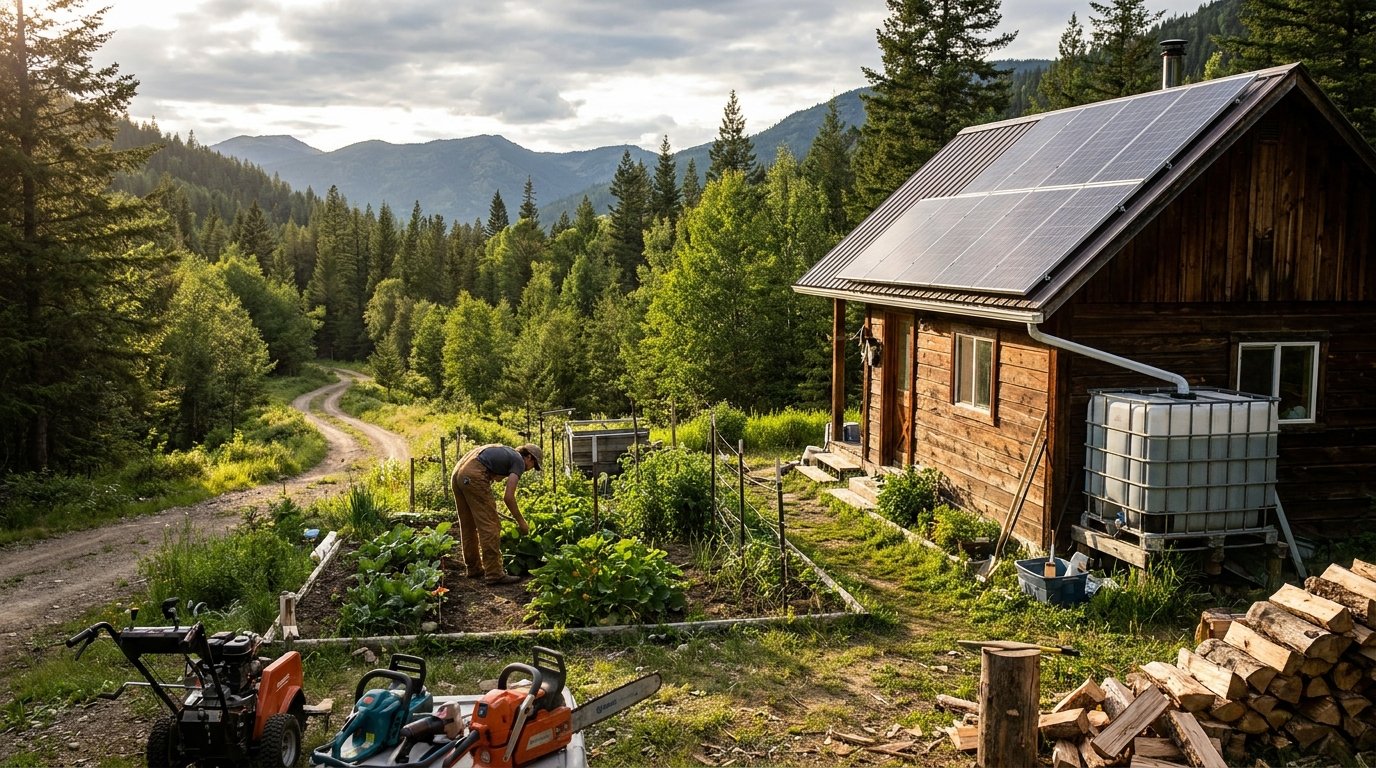
Let’s put them head-to-head to see how they compare on key aspects relevant to off-grid living.
Water Quality: A Crucial Difference
- Wells: Groundwater is naturally filtered but can contain dissolved minerals, iron, sulfur, and potentially harmful bacteria or contaminants from agricultural runoff or geological formations. Testing and treatment are often necessary.
- Rainwater: Initially very pure, but becomes contaminated by what it picks up on the roof and in the collection system (dust, leaves, bird droppings, roofing material leaching). Requires filtration for potability.
Volume and Reliability: The Everyday Need
- Wells: Tend to offer a more consistent and potentially larger volume of water, less affected by immediate weather fluctuations. Good for high-demand situations.
- Rainwater: Highly dependent on rainfall. Can be abundant in wet periods but can run out during droughts. Storage is key to bridging dry spells, and the volume is limited by rainfall intensity and collection surface area.
Cost: The Initial Investment
- Wells: High upfront cost for drilling, pump, and associated infrastructure. Ongoing costs for electricity to run the pump and potential treatment.
- Rainwater: Can have a lower initial cost, especially for basic systems. Investment in larger cisterns, pumps, and more robust filtration can increase costs. Ongoing costs for electricity for pumps and maintenance.
Maintenance and Complexity: Keeping it Running
- Wells: Generally low maintenance once installed, but pumps can fail and require attention. Regular water testing is crucial.
- Rainwater: Requires regular cleaning of gutters, filters, and cisterns. Monitoring of water levels and system health is important, especially in changing weather.
Essential Considerations for Your Decision
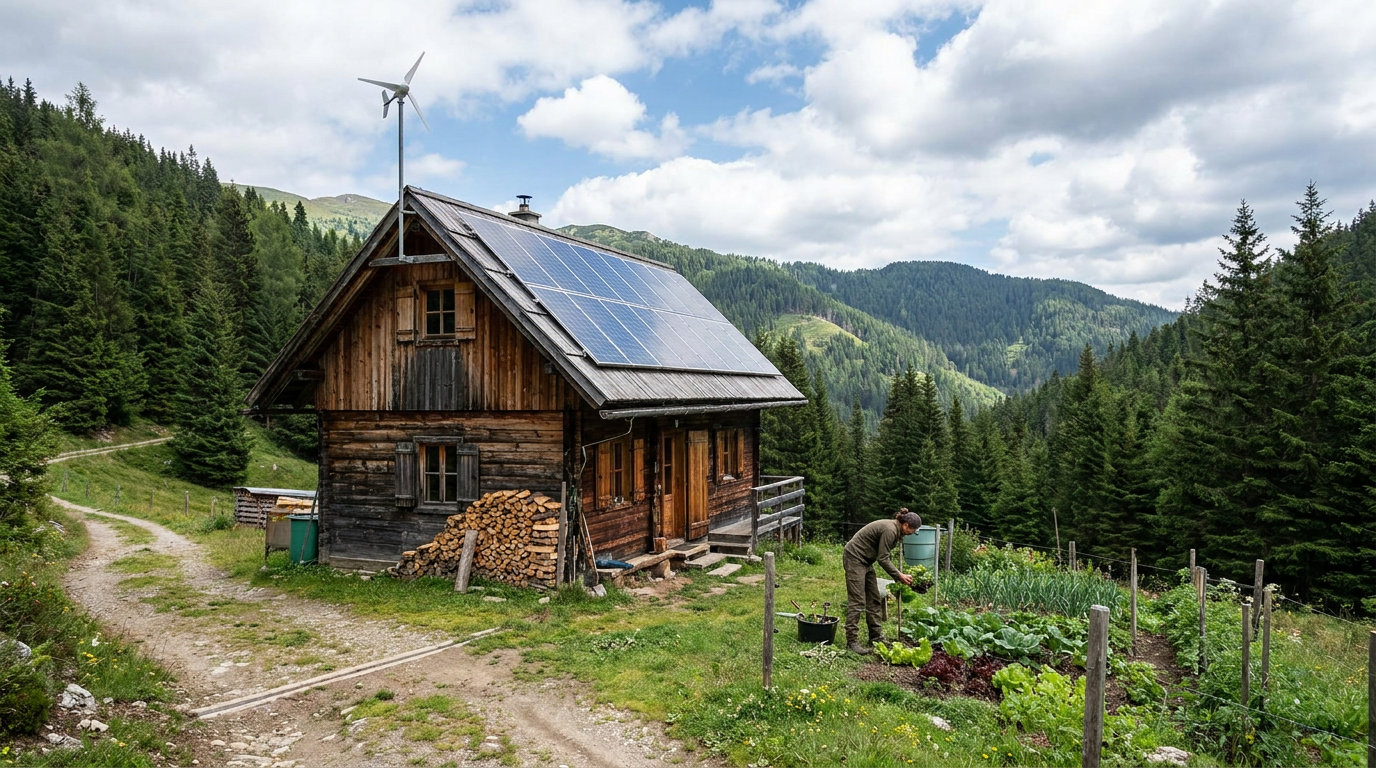
Before you commit to one over the other, take a good, hard look at these crucial factors.
Your Geographic Location: Rainfall and Geology
This is arguably the most important factor.
- Rainfall: Do you live in an area with consistent, predictable rainfall? If yes, rainwater harvesting is a strong contender. If you’re in a desert or prone to long droughts, a well is likely more practical.
- Geology: Is your region known for good aquifers? Are there known issues with groundwater contamination in your area? Geological surveys and local knowledge can be invaluable here. Some areas have hard bedrock that makes well drilling prohibitively expensive or impossible.
Your Water Needs: How Much Do You Actually Use?
Think about your daily water consumption.
- Single Dwelling: A small household might be able to manage with a well-sized rainwater system if rainfall is adequate.
- Larger Family/Small Farm: If you have high water demands, a well might offer the sheer volume and reliability you need, especially if rainwater is inconsistent. Consider irrigation, livestock, or extensive gardening.
Your Budget: Upfront vs. Long-Term
- Upfront Capital: If your initial budget is very limited, a basic rainwater system might be your starting point.
- Long-Term Investment: Consider the future costs of electricity for pumping, filter replacements, and potential well maintenance versus the ongoing costs of cistern cleaning and rainwater filtration.
Your Tolerance for Risk and Intervention:
- Hands-On Approach: Rainwater harvesting often requires more active management, like cleaning and monitoring.
- Set it and Forget it (Mostly): A well, once established and properly treated, can feel more hands-off, but requires vigilance with water testing and pump maintenance.
When considering the best water source for off-grid living, many people weigh the pros and cons of well water versus rainwater collection. Each option has its unique benefits and challenges, making it essential to understand the implications of your choice. For those interested in the legal aspects of off-grid living, including water rights and regulations, you might find it helpful to explore this related article on off-grid living laws. Understanding these legalities can significantly impact your decision on whether to rely on well water or rainwater for your sustainable lifestyle.
Making the Choice: A Hybrid Approach?
| Criteria | Well Water | Rainwater |
|---|---|---|
| Availability | Readily available on-site | Dependent on rainfall |
| Quality | May contain minerals and contaminants | Generally pure, but can be contaminated by pollutants |
| Cost | Initial drilling and setup costs | Initial setup costs for collection system |
| Sustainability | Reliable water source if well is maintained | Environmentally friendly and renewable |
| Regulation | Subject to local regulations and permits | May require permits for collection and storage |
Sometimes, the best solution isn’t an either/or, but a combination of both. Many off-grid systems use a hybrid approach, supplementing rainwater with well water, or vice versa.
The Best of Both Worlds: Well Water vs Rainwater Combining Systems
If you have access to both a decent source of rainfall and a viable location for a well, consider a hybrid system. This offers a significant advantage:
- Redundancy: If one system experiences issues (a drought for rainwater, a pump failure for the well), you have a backup.
- Optimized Use: You can use rainwater for general purposes like flushing toilets and irrigation, and use cleaner, treated well water for drinking and cooking. This can reduce wear and tear on your well pump and filtration.
Practical Integration: How it Works
Integrating the two systems usually involves separate collection and storage for each, with a central distribution point. You might have a primary source that you prioritize, and then draw from the secondary source only when needed. This requires careful plumbing and potentially some automated switching or manual intervention.
Ultimately, the decision between well water and rainwater for your off-grid home is a personal one, deeply tied to your specific environment and lifestyle. By understanding the pros and cons of each, and considering your unique circumstances, you can choose the water strategy that will best serve your needs and keep you hydrated and happy.
FAQs
1. What are the pros of using well water for off-grid living?
Well water is typically reliable and consistent, as it comes from underground aquifers. It also tends to be free of contaminants and is often rich in minerals, making it a healthy choice for drinking and cooking.
2. What are the cons of using well water for off-grid living?
Well water may require filtration or treatment to remove impurities, such as bacteria, sediment, or chemicals. Additionally, the initial cost of drilling a well and installing a pump can be expensive.
3. What are the pros of using rainwater for off-grid living?
Rainwater is free and abundant, making it a sustainable choice for off-grid living. It can be collected and stored in tanks for later use, reducing the reliance on external water sources.
4. What are the cons of using rainwater for off-grid living?
Rainwater may require filtration and treatment to remove contaminants, such as bacteria, pollutants, and debris. Additionally, the collection and storage systems for rainwater can be costly to install and maintain.
5. Which option is better for off-grid living, well water or rainwater?
The choice between well water and rainwater for off-grid living depends on various factors, including the local climate, water quality, cost of installation, and maintenance requirements. Both options have their advantages and disadvantages, so it’s important to carefully consider the specific needs and conditions of the off-grid property before making a decision.