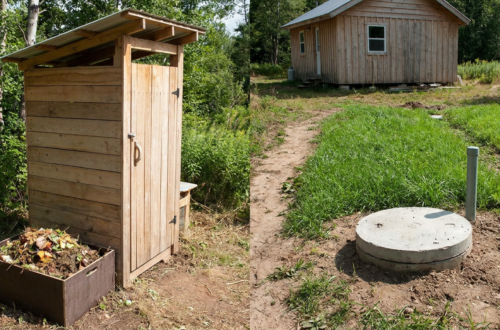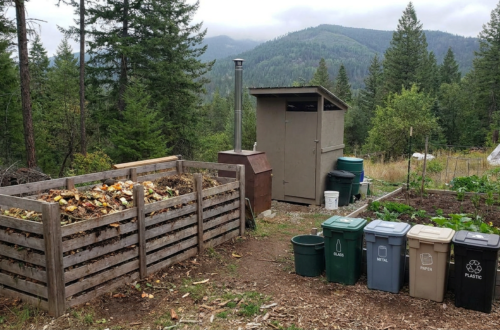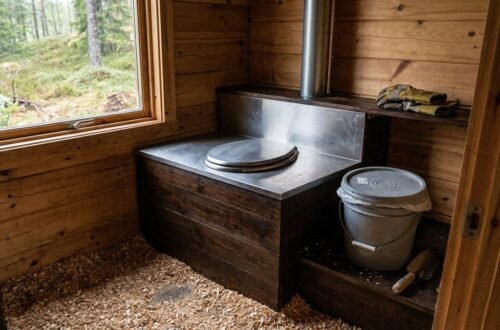
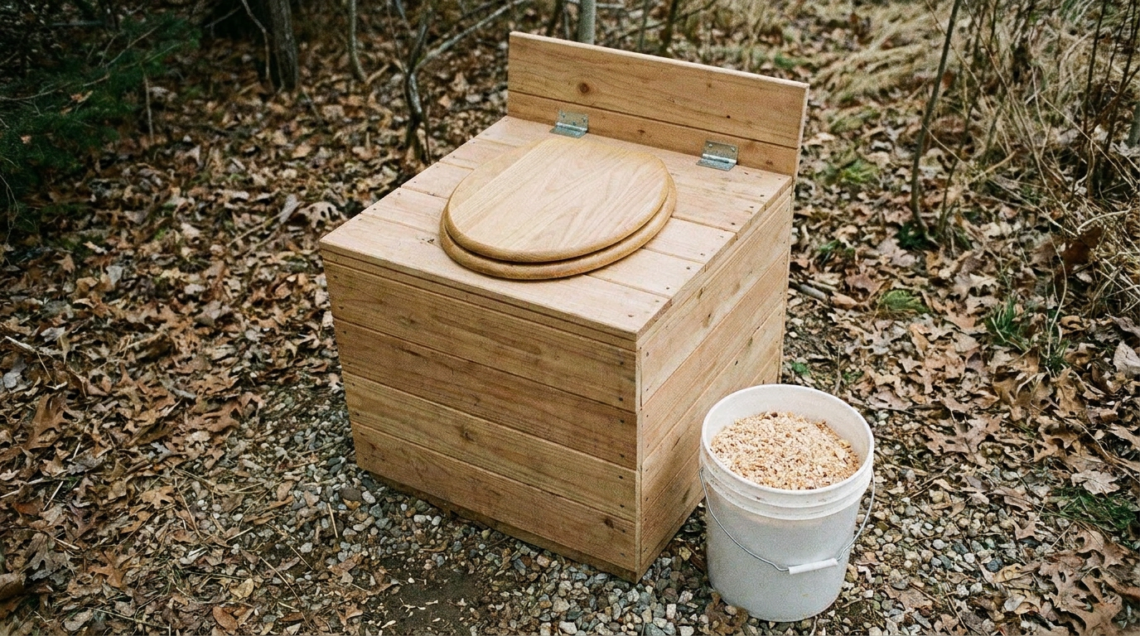
Do composting toilets work in tiny houses, and for many tiny home dwellers, they’re the only practical and eco-friendly solution to their sanitation needs. The short answer is yes, they’re not just viable, but often preferred. They eliminate the need for freshwater flushing, don’t require connection to a septic system or municipal sewer, and turn waste into a valuable resource – compost. However, like any system, they come with their own set of advantages and disadvantages that prospective tiny home owners should thoroughly understand before making a decision.
Before diving into the nuts and bolts of their efficacy, it’s crucial to grasp the fundamental principle behind composting toilets. Unlike conventional toilets that use water to flush waste into a sewage system, composting toilets separate liquid and solid waste. This separation is key to the “composting” process, as mixing liquids and solids creates sludge and odor, hindering decomposition.
Table of Contents
The Separation Process: Key to Success
At the heart of a composting toilet is a system that keeps urine and feces apart. Most models achieve this with a diversion mechanism right in the bowl itself.
- Urine Diversion: Urine is typically directed to a separate container or a greywater system. This prevents the solid waste from becoming too wet, making it easier for aerobic bacteria to break it down and reducing odors significantly.
- Solid Waste Chamber: Feces, along with a carbon-rich bulking agent, goes into a dedicated chamber. This chamber is where the magic of decomposition happens.
The Role of Bulking Material
This isn’t just about catching solid waste; it’s about creating the right environment for composting.
- Carbon Source: Materials like sawdust, coco coir, peat moss, or wood shavings are added after each use. These materials provide the carbon necessary for the composting process, absorb moisture, and help aerate the pile.
- Odor Control: The bulking agent also acts as a cover, trapping odors and making the toilet much more pleasant to use.
Aeration and Ventilation
Composting is an aerobic process, meaning it requires oxygen.
- Internal Fans: Many composting toilets include a small, low-power fan that continuously draws air through the solid waste chamber and vents it outside. This ventilates the unit, removes moisture, and pulls any potential odors out of the tiny house.
- Passive Vents: Some simpler designs rely on passive ventilation, but a powered fan dramatically improves performance and odor control, especially in a small, sealed space.
If you’re considering the practicality of composting toilets in tiny houses, you might also find it beneficial to explore how to effectively power your off-grid living space. An article that complements the discussion on composting toilets is titled “How to Size an Off-Grid Solar System,” which provides valuable insights into the energy requirements for tiny homes. Understanding your energy needs can help you create a more sustainable living environment. For more information, check out the article here: How to Size an Off-Grid Solar System.
The Advantages: Why Tiny Housers Embrace Composting Toilets
For tiny house dwellers, the benefits of composting toilets often outweigh the perceived drawbacks, leading to widespread adoption.
No Water Consumption
This is arguably the biggest selling point for tiny home owners.
- Off-Grid Living: For those living off the grid or in remote locations, a composting toilet eliminates the need for large freshwater storage tanks and complicated water systems just for flushing.
- Reduced Water Bills: Even if connected to a municipal supply, saving hundreds of gallons of water per person per month translates to significant savings and a smaller environmental footprint.
- Extended Off-Grid Stays: Water is often the limiting factor for how long you can stay off-grid in a tiny house. Without flushing, your water supply lasts much longer.
No Sewer or Septic Connection Required
This offers immense flexibility in terms of where you can park your tiny home.
- Freedom of Location: You’re not tied to locations with existing municipal sewer lines or the need for a permitted and installed septic system. This opens up many more parking options, especially on raw land.
- Reduced Infrastructure Costs: Avoiding sewer hookup fees or septic system installation can save thousands of dollars, a significant chunk of a tiny house budget.
Environmentally Friendly
Composting toilets are, at their core, an ecological solution.
- Waste Reduction: They don’t just dispose of waste; they transform it. The end product is rich, nutrient-dense compost that can be used for non-edible landscaping or returned to the earth responsibly.
- Pollution Prevention: By avoiding the discharge of blackwater (toilet waste) into waterways or reliance on energy-intensive wastewater treatment plants, they reduce environmental pollution.
- Nutrient Cycling: Instead of treating waste as something to be gotten rid of, composting toilets facilitate the natural cycling of nutrients back into the ecosystem.
Odor Control (Surprisingly Good!)
This is often where people have the biggest misconceptions, but modern composting toilets are surprisingly odor-free.
- Ventilation Systems: The integrated fan system continuously pulls air out of the toilet, creating a negative pressure that prevents odors from escaping into the living space.
- Proper Use of Bulking Material: The carbon-rich cover material effectively locks in any potential smells. If you use enough bulking material, you won’t smell a thing.
- Separation of Liquids: By keeping urine separate, the primary source of strong ammonia-like odors (from urine mixing with feces) is eliminated.
Low Maintenance (Compared to Septic)
While they require regular emptying, they don’t have the complex, expensive maintenance associated with septic systems.
- No Pumping: Unlike septic tanks that need to be pumped out every few years (at a significant cost), composting toilets simply require emptying of their solid waste bin.
- Fewer Moving Parts: They are generally simpler systems with fewer components that can break down or require professional maintenance.
The Disadvantages: What to Consider Before Committing
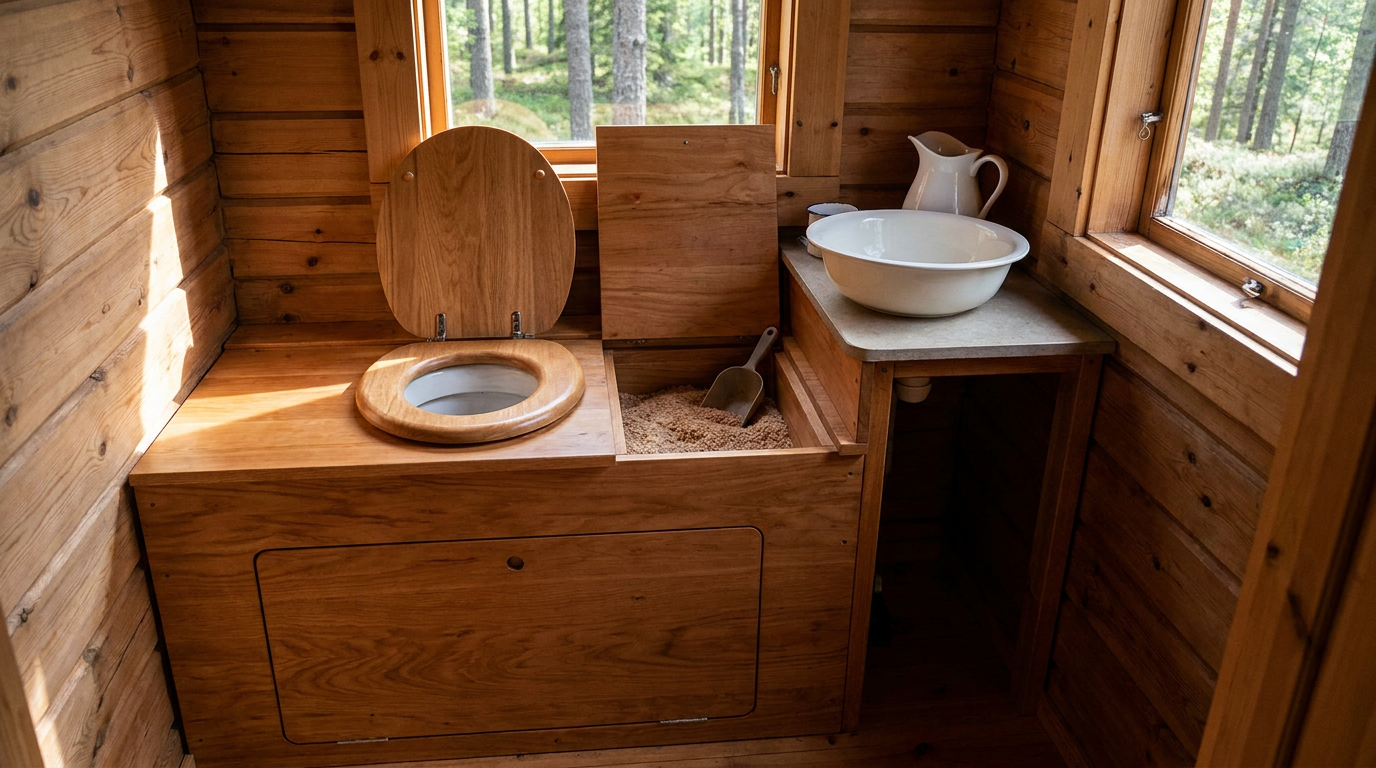
While the benefits are compelling, composting toilets aren’t without their downsides. It’s important to have a realistic understanding of these before making a choice.
Initial Cost
Composting toilets tend to have a higher upfront price tag than a standard toilet.
- Specialized Technology: Because they are a niche product with specific engineering for separation, ventilation, and material durability, they cost more than a basic porcelain flush toilet.
- DIY vs. Manufactured: While DIY options can reduce costs, commercially manufactured units with all the features can range from $800 to $2,000+, which can be a significant investment in a tiny house budget.
Regular Emptying Requirements
This is the most common reason people hesitate about composting toilets. It’s a hands-on process.
- Frequency: The solid waste bin typically needs to be emptied every 3-6 weeks for full-time use by two people, depending on the toilet model and usage. The urine container needs emptying more frequently, often every 1-3 days.
- “The Poop Bucket”: While often neatly contained, the act of emptying a container of human waste isn’t for everyone. It’s not necessarily gross, especially when done correctly and anaerobically, but it requires a certain comfort level.
- Disposal: You need a designated place to dispose of the urine (which can be safely diluted and used on plants or poured down a drain) and the solid finished compost (which can only be used for non-edible landscaping or taken to a permitted facility). This can be a challenge if you’re frequently moving or don’t have access to your own land.
Proper Disposal of Compost
This isn’t just about emptying; it’s about what happens after you empty it.
- Legalities: Regulations around human waste disposal vary greatly by municipality and state/province. It’s crucial to research local laws to ensure you’re disposing of compost legally and safely.
- Health and Safety: While composting toilets are designed to create safe compost, raw human waste can contain pathogens. The composting process needs to be complete to render it safe. Most tiny house composting toilets are “batch composting” or “low-temperature composting” systems, which means the finished product, while stabilized and less odorous, might still contain pathogens and isn’t usually considered safe for edible gardens without further, highly controlled hot composting. It’s best used for ornamental plants, trees, or safely buried.
Climate and Temperature Considerations
The composting process is affected by temperature.
- Cold Climates: In very cold climates, especially if the tiny house is unheated or the toilet is located in an unheated antechamber, the biological breakdown process can slow down significantly or even stop. This means waste will accumulate faster and not decompose efficiently.
- Humid Climates: While the fan helps, very high humidity combined with insufficient bulking material can sometimes lead to excessive moisture, hindering the aerobic process and potentially causing odors.
Learning Curve and User Education
There’s a definite learning curve to using a composting toilet effectively.
- “Pee in the Right Hole”: Users need to be mindful of separating liquids and solids. For men, this sometimes requires sitting down.
- Adding Bulking Material: Consistently adding the correct amount of bulking material after each solid use is essential for odor control and proper composting.
- Maintenance Routine: Establishing a routine for emptying, cleaning, and checking the ventilation system is important to ensure optimal performance.
Space Requirements (for some models)
While many are compact, some composting toilets, especially those designed for a slightly larger capacity, can take up a bit more floor space than a compact flush toilet.
- Integrated Systems: While sleek, the internal components (diversion system, fan, waste chambers) mean they aren’t always as minimal as a simple bucket-and-seat setup.
- Ventilation Routing: You’ll also need to consider where the ventilation hose will run, typically out through a wall or roof, which requires careful planning during construction.
Types of Composting Toilets for Tiny Houses
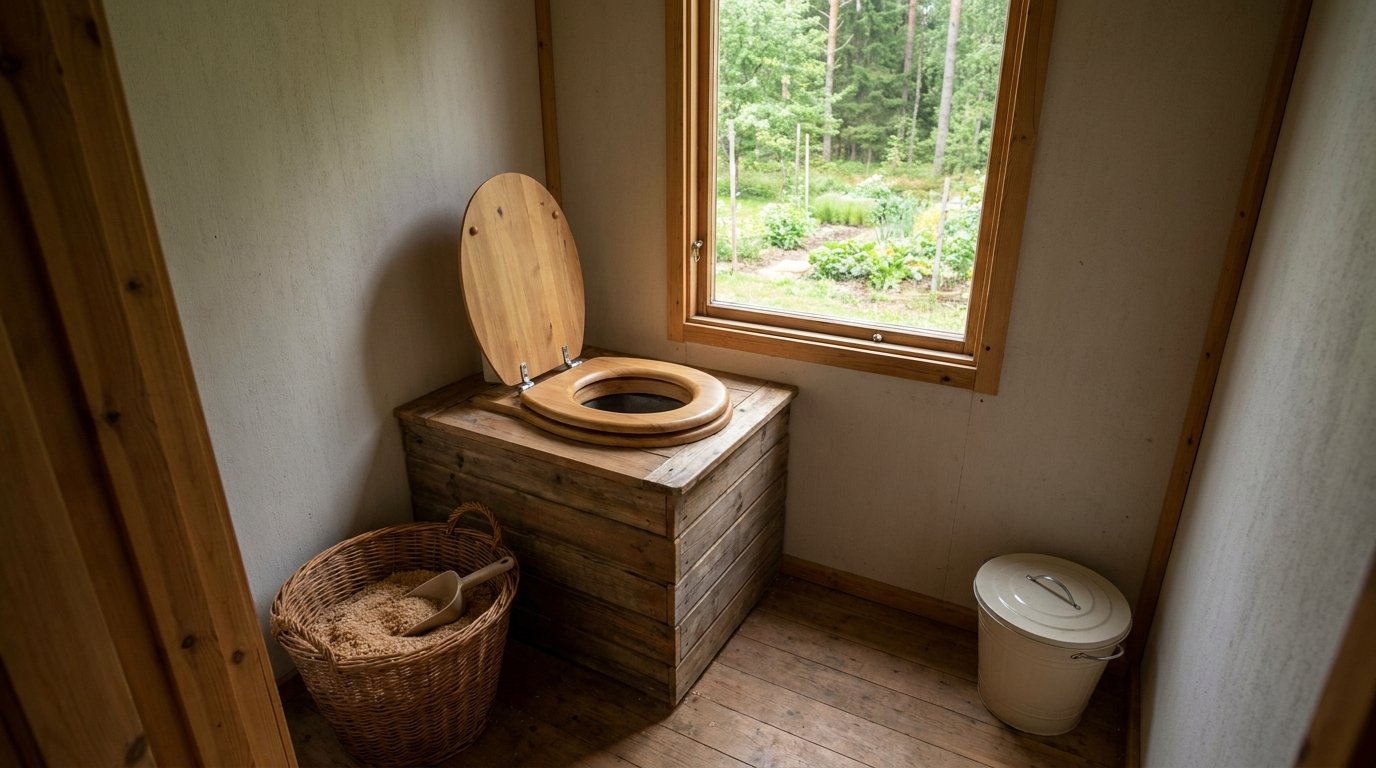
While the principles are similar, there are a few variations in composting toilets suitable for tiny homes.
Self-Contained Composting Toilets
These are the most common type seen in tiny houses.
- All-in-One Unit: Everything, from the diversion system to the solid waste chamber and often the fan, is housed within a single, compact unit.
- Easy Installation: Typically, they just require power for the fan and a vent pipe connection.
- Examples: Brands like Nature’s Head, Separett, and Air Head are popular choices in the tiny house community.
Central/Remote Composting Toilets
Less common in truly tiny houses due to space constraints, but an option for slightly larger small homes.
- External Composting Chamber: The toilet fixture itself separates waste, but the solid waste is routed to a larger composting chamber located outside or below the living space.
- Increased Capacity: These systems can handle more waste and require less frequent emptying of the compost chamber, but still require emptying of the urine.
- Complex Installation: They involve more plumbing and structural modifications to route waste effectively.
DIY Bucket Systems
The most basic and economical option.
- Simple Design: Essentially a bucket with a toilet seat and a carbon-rich cover material. Some designs incorporate urine diversion.
- Very Affordable: The lowest upfront cost, often just the price of a few buckets and a toilet seat.
- Most Labor-Intensive: Requires more frequent emptying and careful management of odors and decomposition, as they often lack active ventilation.
- Legality Concerns: Disposal of raw human waste from these systems may be subject to stricter regulations than more advanced composting toilets.
If you’re exploring the benefits of composting toilets in tiny houses, you might also be interested in understanding how to maintain a sustainable lifestyle with renewable energy sources. A related article discusses the essentials of solar power systems, which can complement your tiny house setup perfectly. By integrating solar panels, you can ensure that your composting toilet operates efficiently while reducing your carbon footprint. For more insights on this topic, check out this informative piece on solar panel requirements that can help you never run out of power.
Practical Tips for Using a Composting Toilet in a Tiny House
| Pros | Cons |
|---|---|
| Environmentally friendly | Requires regular maintenance |
| Reduces water usage | Can produce odors if not maintained properly |
| No need for septic system | Initial cost can be high |
| Produces nutrient-rich compost | May not be suitable for all locations or climates |
Even with a good understanding of the pros and cons, optimal performance comes from proper usage.
Ventilation is Non-Negotiable
Seriously, don’t skimp on this.
- Always On: The fan should be running 24/7 if you want to avoid odors and ensure proper moisture removal. These fans are designed for continuous, low-power operation.
- Proper Venting: Ensure the vent hose is properly sealed to the toilet and routes directly outside, preferably with a screen to keep insects out.
Embrace the Bulking Material
Your best friend for odor control and composting.
- Generous Application: Always add a scoop or two of bulking material after each solid use.
- Experiment: Different materials work better for different people. Coco coir, pine shavings, or a mix are common. Find what works best for you.
Regular Emptying (and Cleaning)
Stay on top of it.
- Urine Container: Don’t let it get full or sit for too long, especially in warm weather. Empty it frequently.
- Solid Waste: Empty the solid waste bin before it’s completely full to avoid compaction and ensure adequate air circulation for composting.
- Periodic Cleaning: Clean the toilet bowl and interior surfaces with an enzymatic cleaner or vinegar solution, avoiding harsh chemicals that can harm the beneficial bacteria.
Consider a Back-Up Plan
For long-term peace of mind, especially if you’re new to composting toilets.
- Extra Containers: Keep spare solid waste containers (with lids) if you plan extended stays away from a disposal site.
- Temporary Solutions: A simple bucket toilet can be a temporary backup if your main unit needs maintenance or you’re overloaded.
Education and Research
The more you know, the better your experience will be.
- Read the Manual: Always follow the manufacturer’s specific instructions for your model.
- Talk to Others: Reach out to other tiny house dwellers or online communities. They often have invaluable practical advice and creative solutions.
If you’re considering the practicality of composting toilets in tiny houses, you might also find it helpful to explore the article on off-grid living, which discusses various sustainable solutions for compact living spaces. This resource delves into the benefits and challenges of different waste management systems, providing a broader context that complements the insights on composting toilets. Understanding these alternatives can help you make a more informed decision about what works best for your tiny home lifestyle.
Conclusion: The Right Choice For Many
Composting toilets are not just a suitable option, but often the optimal choice for tiny house living. They provide independence from traditional utilities, align with an eco-conscious lifestyle, and, when properly managed, are surprisingly clean and odor-free. While they require a different approach to waste management—a more hands-on and responsible one—the advantages in terms of freedom, sustainability, and reduced operational costs make them incredibly appealing. For those willing to embrace the slight learning curve and take on the responsibility of waste disposal, a composting toilet is a powerful enabler of the tiny house dream.
FAQs
1. How do composting toilets work in tiny houses?
Composting toilets in tiny houses work by separating solid waste from liquid waste. The solid waste is mixed with organic materials like sawdust or peat moss to aid in the composting process. The composting toilet system uses natural processes to break down the waste into compost, which can then be safely disposed of.
2. What are the pros of using composting toilets in tiny houses?
Some of the pros of using composting toilets in tiny houses include water conservation, reduced environmental impact, and the ability to operate off-grid. Composting toilets also produce nutrient-rich compost that can be used for gardening, and they do not require connection to a sewage system.
3. What are the cons of using composting toilets in tiny houses?
Some of the cons of using composting toilets in tiny houses include the need for regular maintenance and monitoring to ensure proper composting. There may also be an initial learning curve for users who are not familiar with composting toilet systems. Additionally, some people may find the idea of handling their own waste unappealing.
4. Are composting toilets legal in all areas for use in tiny houses?
Composting toilets are legal in many areas for use in tiny houses, but regulations vary by location. It is important to check local building codes and regulations to ensure that composting toilets are allowed in a specific area. Some areas may have specific requirements for composting toilet systems to ensure proper waste management.
5. How do composting toilets compare to traditional flush toilets in tiny houses?
Composting toilets in tiny houses offer the advantage of water conservation and the ability to operate off-grid, while traditional flush toilets require connection to a sewage system and consume large amounts of water. However, composting toilets require more hands-on maintenance and may not be suitable for all users. Ultimately, the choice between composting toilets and traditional flush toilets depends on individual preferences and needs.