Thinking about a composting toilet or already have one? That’s great! They’re an eco-friendly and water-saving option for many situations. But like anything, they need a little care to keep them running smoothly and odor-free. So, what’s involved in essential composting toilet maintenance? Essentially, it boils down to understanding how they work, keeping the right balance of materials, and performing regular cleanings and checks. Let’s break it down.
Before we dive into maintenance, it’s handy to have a basic grasp of what’s happening inside that container. Composting toilets aren’t just fancy outhouses; they are designed to actively break down human waste using natural processes. The key players here are microbes – tiny organisms like bacteria and fungi – that do the heavy lifting of decomposition.
Table of Contents
The Role of Microbes
These little guys are the superheroes of your composting toilet. They feast on the organic matter (that’s your waste and added bulking material) and, in the process, transform it into a nutrient-rich compost. This decomposition is what reduces volume and eliminates odors. Without them, you’d just have… well, waste.
Aerobic vs. Anaerobic Decomposition
Most composting toilets aim for aerobic decomposition. This means the microbes need oxygen to do their job efficiently. This is why ventilation and adding airy bulking material are so crucial. Anaerobic decomposition, on the other hand, happens without oxygen. It’s often slower and can produce more unpleasant smells. So, keeping things aerated is a big part of keeping your toilet happy and your space smelling fresh.
Bulking Material: The Unsung Hero
You’ll quickly become familiar with “bulking material.” This isn’t just for show; it’s vital. Its main jobs are:
- Absorbing moisture: Excess moisture can lead to anaerobic conditions and odors.
- Providing carbon: This is the food source for our microbe friends.
- Adding air (aeration): Its porous structure allows oxygen to circulate.
- Covering waste: This helps to seal in odors and creates a more pleasant user experience.
Common bulking materials include peat moss, coconut coir, sawdust, and wood shavings. The type and amount will depend on your specific toilet model.
For those interested in sustainable living and efficient waste management, understanding composting toilet maintenance is crucial. To further enhance your knowledge on off-grid living, you may find the article “The Ultimate Beginner’s Guide to Off-Grid Living” particularly helpful. It covers various aspects of self-sufficient lifestyles, including waste management solutions. You can read it here: The Ultimate Beginner’s Guide to Off-Grid Living.
Regular Cleaning: Keeping Things Tidy and Hygienic
While composting toilets are designed to handle waste, regular cleaning is still important for hygiene, preventing build-up, and ensuring everything works as it should. It’s not as daunting as it might sound at first.
Daily/After Each Use Routines
This is the simplest but most effective maintenance you can do.
- Add Bulking Material: After each time you use the toilet (both liquid and solid waste), add a generous scoop of your chosen bulking material. This is your primary defense against odors and helps kickstart the decomposition. Don’t be shy with it!
- Cover the Solids: Make sure the solids are well covered with the bulking material. This is key to preventing smells from escaping.
- Wipe Down: Give the seat and rim a quick wipe with a damp cloth if needed. For a more thorough clean, many people use a diluted vinegar solution or a mild, natural cleaner. Avoid harsh chemicals, as they can harm the beneficial microbes in the compost.
Weekly/Bi-Weekly Checks
Depending on usage, a slightly more involved check might be needed.
- Check the Compost Level: See how much the compost is accumulating. If it’s getting close to the top, it might be time to think about emptying.
- Inspect Ventilation: Ensure the vent fan (if your model has one) is running and the vent pipe is clear. Blockages here can lead to smells inside.
- Assess Moisture Level: Is the compost too wet or too dry? You can usually tell by its appearance. Too wet might look sludgy, while too dry will be powdery and dusty. Adjust your bulking material or ventilation accordingly.
Deep Cleaning: When and How
A deep clean is usually less frequent, perhaps a few times a year or when emptying the toilet. This is where you get into the nitty-gritty.
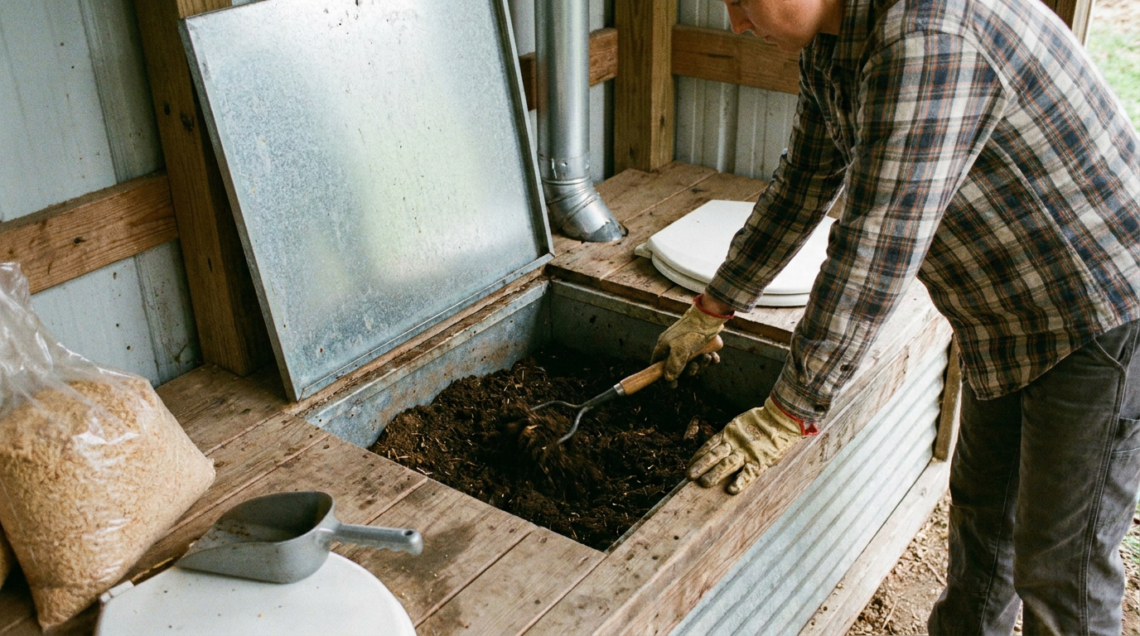
- Emptying the Collection Chamber: This is the most significant maintenance task. How often depends on the size of your toilet and how many people are using it. Follow your manufacturer’s instructions carefully.
- Scraping and Wiping: Once empty, you might need to scrape down the sides of the collection chamber to remove any sticky residue. Use warm water and a mild, biodegradable cleaner. Rinse thoroughly.
- Sanitizing (Optional): For a deeper sanitization, a diluted bleach solution or a specialized composting toilet cleaner can be used on the chamber walls and seat. However, be sure to rinse extremely well afterwards, as any chemical residue can harm future composting activity. Often, good old warm water and elbow grease are sufficient.
Managing Moisture: The Key to Odor Control
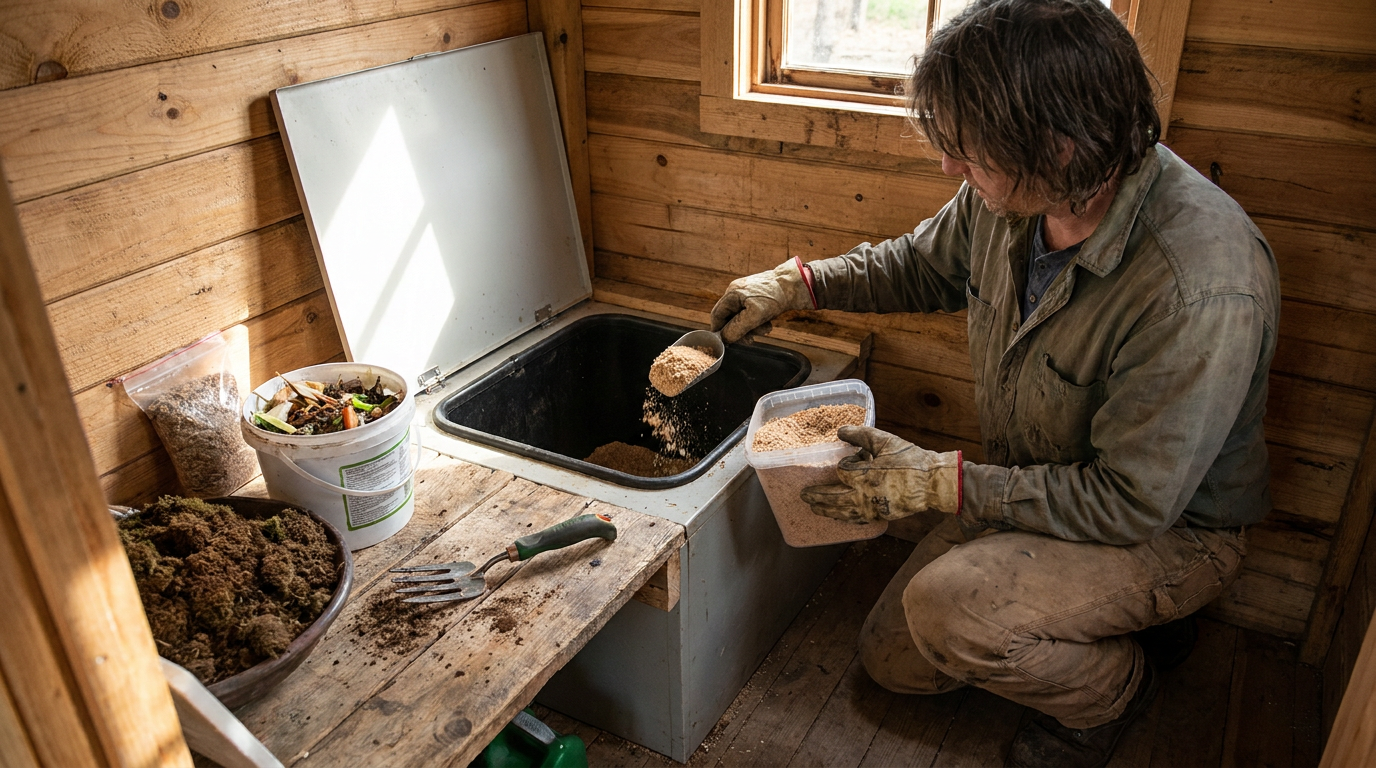
Moisture management is probably the single most critical factor in preventing odors and ensuring efficient composting. Too much or too little can cause problems.
Why Moisture Matters
Think of compost as a living organism. It needs the right level of hydration to thrive.
- Too Wet: Leads to anaerobic conditions, which means smelly decomposition. Waterlogged compost doesn’t allow air to circulate, and the wrong types of microbes take over.
- Too Dry: Slows down or stops decomposition altogether. The microbes need moisture to survive and work.
How to Adjust Moisture Levels
- Adding Bulking Material: This is your primary tool. If it’s too wet, add more dry bulking material. This will absorb the excess liquid. If it’s too dry, you might need to add a little water, but this is less common. Sometimes, a slightly “wetter” waste event can be balanced with extra bulking material for the next few uses.
- Ventilation: Good ventilation helps to draw moisture out of the composting chamber, especially if it’s a particularly humid environment or if you’ve had a few wetter occasions.
- Urine Diversion: Many modern composting toilets have a urine diversion system. This is a game-changer for moisture management. By separating liquid urine from solid waste, you significantly reduce the overall moisture content that needs to be managed within the solid waste chamber. This makes both composting and emptying much easier. If your toilet doesn’t have this feature, consider if it’s something you could adapt or if your next toilet might.
Ventilation: The Airflow is Crucial
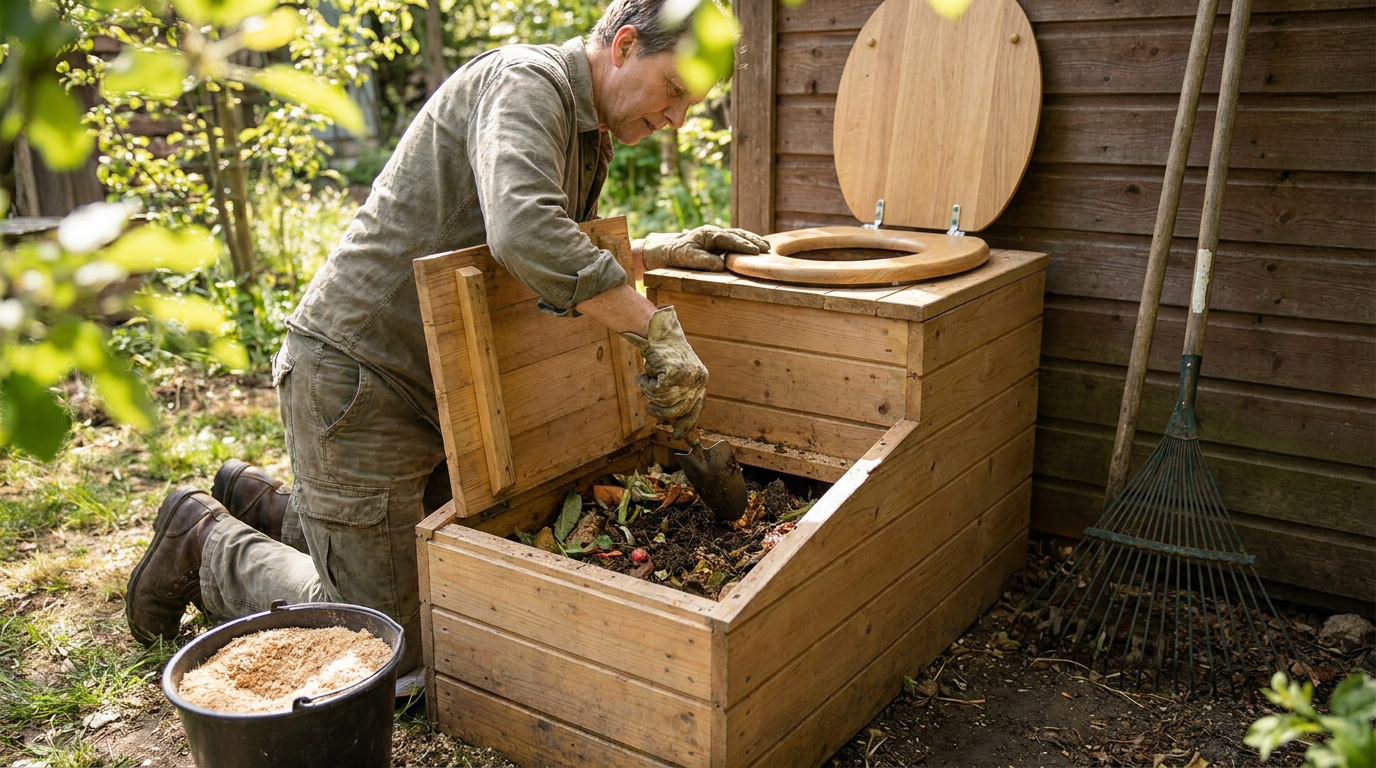
You can’t have good composting without good airflow. Ventilation is what keeps your composting toilet smelling fresh and working efficiently.
The Importance of Airflow
Remember aerobic decomposition? That requires oxygen.
- Odor Prevention: A properly functioning vent fan creates negative pressure, drawing any potential odors out of the toilet and away from your living space.
- Aeration: Air circulation within the compost itself allows aerobic microbes to thrive.
- Moisture Removal: As mentioned, ventilation helps to dry out the compost, preventing it from becoming too wet.
Types of Ventilation Systems
- Passive Vents: These rely on natural convection and wind. They are simpler but can be less effective, especially in still or humid conditions.
- Active Vents (Fan-Assisted): Most modern composting toilets use an electric fan, usually powered by a small solar panel or battery. This fan actively draws air through the composting chamber and expels it outside via a vent pipe. This is generally the most effective and recommended system.
Troubleshooting Ventilation Issues
- Fan Not Running: Check the power source (battery, solar panel, connection). Is it properly plugged in? Is there any debris obstructing the fan blades?
- Vent Pipe Blockages: Leaves, snow, bird nests, or even hardened compost can block the vent pipe. Visually inspect the exterior vent outlet and clear any obstructions.
- Lingering Odors: If you’re still experiencing odors despite the fan running, the vent pipe might not be long enough, or it might be routed incorrectly, allowing wind to blow back down. Consulting your toilet’s manual or the manufacturer for specific venting guidelines is a good idea.
When considering the upkeep of a composting toilet, it’s essential to understand the broader context of off-grid living. A related article that provides valuable insights is available at Moving Off-Grid Checklist: 25 Essentials, which outlines key items and practices to ensure a successful transition to a self-sufficient lifestyle. This resource can complement your knowledge on composting toilet maintenance by highlighting other critical aspects of off-grid living that contribute to sustainability and efficiency.
Emptying and Composting the Output: What to Do with the Finished Product
| Aspect | Details |
|---|---|
| Frequency | Regular maintenance every 3-6 months |
| Components | Checking and cleaning the vent pipe, compost pile, and urine diverter |
| Tools | Gloves, brush, compost thermometer, and organic material for compost pile |
| Odor Control | Adding bulking agents like sawdust or coconut coir to control odor |
| Monitoring | Regularly checking moisture levels and compost temperature |
Eventually, your composting toilet will fill up. How often you need to empty it depends on the size of the unit and how many people are using it. This is the final step in the composting process, both for the toilet and for the material.
When to Empty
There’s no strict rule, as it varies greatly.
- Manual Indicators: Many toilets have a visual indicator or a chamber that fills up. When it reaches a certain level (usually around two-thirds to three-quarters full is a good target for effective composting), it’s time to think about emptying.
- Usage Frequency: A toilet in a frequently used full-time residence will need emptying much more often than one on an occasional-use cabin.
- Manufacturer Recommendations: Always consult your toilet’s specific manual for emptying guidelines.
The Emptying Process
This is where careful adherence to your toilet’s design is key.
- Follow Instructions: Each model is designed differently. Some have removable buckets, others have a larger chamber that needs to be accessed. Always refer to your manual for the correct procedure.
- Wear Gloves and a Mask: While the goal is a finished compost, you’ll be dealing with material that’s still in the process of decomposing. It’s good practice to use gloves and a mask, especially during the initial stages of emptying.
- Consider the Location: Plan where you’re going to empty the material. You’ll need a dedicated spot.
What to Do with the Finished Compost
Once the contents are removed from the toilet, they are not typically considered “finished” compost ready for immediate use on food gardens in many jurisdictions. They are often still considered “primary compost” and need further curing.
- Further Curing: The material removed from the toilet needs to continue composting. This means placing it in a separate composting bin or pile and allowing it to break down further for several months (often 6 months to 2 years, depending on conditions).
- Location for Curing: Choose a well-ventilated location away from water sources. A dedicated compost bin or a well-managed pile is ideal.
- Regulations and Best Practices: It’s crucial to be aware of local regulations regarding the disposal and use of humanure compost. In many areas, it’s not permissible to use raw or primary compost on food crops intended for human consumption due to potential pathogens. Guidelines often recommend using finished compost on ornamental plants, trees, or in areas where direct contact with food is unlikely. Always research and follow local health and environmental guidelines.
- Checking for Completion: Finished compost will be dark brown, crumbly, and earthy-smelling. You shouldn’t be able to recognize any of the original waste material.
For those interested in sustainable living, understanding the intricacies of composting toilet maintenance is essential. A well-maintained composting toilet not only contributes to a healthier environment but also enhances your off-grid experience. If you’re considering the overall costs associated with transitioning to an off-grid lifestyle, you might find this article on how much it costs to go off-grid particularly useful, as it provides insights into budgeting for various eco-friendly installations, including composting toilets.
Troubleshooting Common Issues: Keeping Your Toilet Operating Smoothly
Even with the best maintenance, you might encounter a few hiccups. Here’s how to tackle some common problems.
Dealing with Odors
This is often the biggest concern for composting toilet users.
- Too Wet: Add more bulking material. Ensure good airflow. If you have urine diversion, check that it’s working correctly.
- Too Dry: Not enough moisture for microbes. Add a little water to the compost (carefully!) and ensure you’re adding enough cover material.
- Poor Ventilation: Check the fan, vent pipe, and connections. Ensure the fan is running.
- Insufficient Bulking Material: Make sure you’re adding enough after each use. This is the most common and easiest fix.
- Improper Emptying/Curing: If odors persist even after emptying, the material might not have been allowed to cure properly before disposal or there might be an issue with the toilet’s design or setup.
Issues with Solids Not Breaking Down
If you find solids aren’t decomposing significantly, it usually points to a lack of the right conditions.
- Lack of Moisture: As mentioned, microbes need moisture.
- Lack of Carbon (Bulking Material): If there isn’t enough bulking material, the microbes won’t have enough food.
- Poor Aeration: A clogged vent or lack of airflow will stifle aerobic decomposition.
- Temperature: Composting happens best in moderate temperatures. Extreme cold or heat can slow things down. While you can’t control the weather, the insulation of your toilet and the composting process itself can help regulate temperature to some extent.
Problems with Urine Diversion (If Applicable)
If you have a urine-diverting toilet and it’s not functioning properly, it can lead to clogs or simply not diverting.
- Blockages in the Diverter: Small particles or residue can sometimes cause blockages. Carefully inspect the urine diversion channel and gently clear any obstructions.
- Incorrect Installation/Adjustment: Ensure the diverter is properly installed and angled according to the manufacturer’s instructions. Sometimes a slight adjustment can make all the difference.
- Splash Guard Issues: If the splash guard isn’t positioned correctly, it might not effectively guide urine into the diversion channel.
By understanding your composting toilet’s mechanisms and implementing these practical maintenance steps, you can ensure it serves you reliably and cleanly for years to come. It’s a rewarding system when you get the hang of it.
FAQs
What is a composting toilet?
A composting toilet is a type of toilet that uses the natural process of decomposition to break down waste into compost. It is a waterless and environmentally friendly alternative to traditional flush toilets.
How does a composting toilet work?
Composting toilets use a combination of organic material, such as sawdust or peat moss, to cover waste after each use. The waste is then broken down by microorganisms and turned into compost through the process of decomposition.
What maintenance is required for a composting toilet?
Regular maintenance of a composting toilet includes adding organic material to cover waste, monitoring the composting process, and emptying the finished compost as needed. It is also important to keep the ventilation system and any mechanical components in good working order.
How often does a composting toilet need to be emptied?
The frequency of emptying a composting toilet depends on factors such as the size of the unit, the number of users, and the ambient temperature. In general, smaller composting toilets may need to be emptied every few weeks, while larger units can go several months between emptying.
Are there any special considerations for using a composting toilet?
Users of composting toilets should be mindful of what can and cannot be added to the unit. Only organic materials, such as human waste and toilet paper, should be composted. It is important to avoid adding chemicals, plastics, or other non-biodegradable items to the composting toilet.