
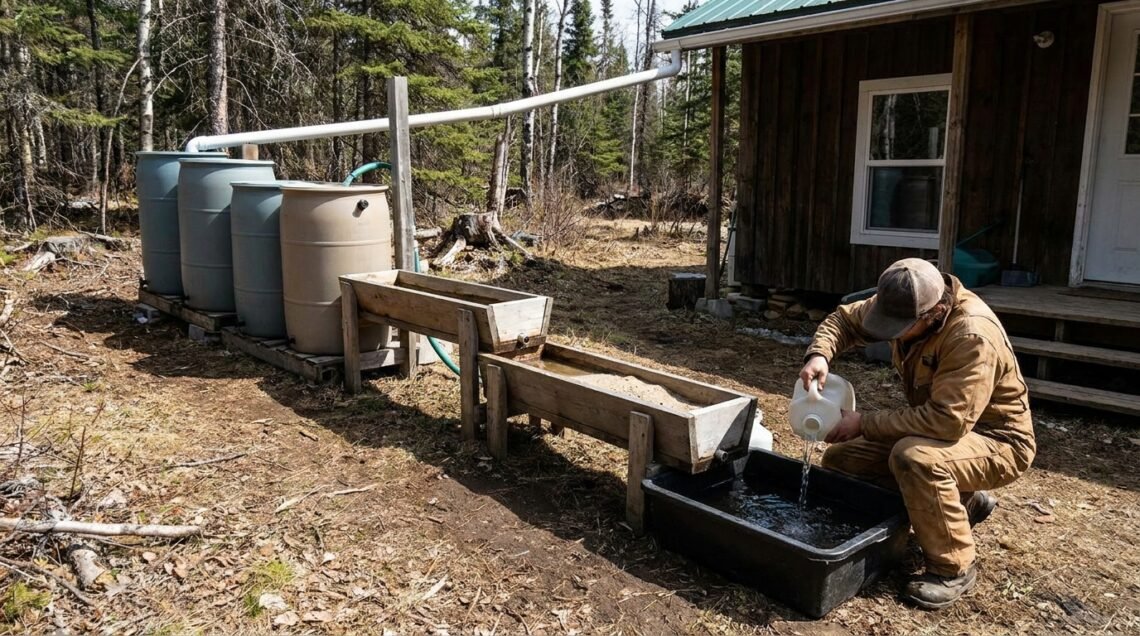
Living off the grid means you’re taking responsibility for your own resources, and water is right up there with the most crucial. So, what’s the deal with getting water when you’re not hooked up to the municipal supply? Essentially, it boils down to finding, collecting, storing, and treating water from natural sources. It’s not magic, but it does require some planning and effort. Let’s break down the practicalities of ensuring a steady H2O flow without a tap.
Rain is a gift that simplifies off-grid water. It’s free, relatively clean to start with, and can be collected with a bit of setup.
Table of Contents
Designing Your Collection System
The core of rainwater harvesting is your roof and a system to channel the water.
Roof Material Matters
What’s your roof made of can impact the quality of the water you collect. Avoid asphalt shingles as they can leach chemicals. Metal roofs (like corrugated steel or aluminum) are generally best because they’re inert and provide a good surface for water to run off. Some people opt for specially designed rainwater harvesting roofs that are food-grade and non-toxic, though this is a more advanced setup. Even wood shakes can be used, but they might require more filtration due to potential tannins.
Gutters and Downspouts
These are your water highways. Ensure they’re clean and free of debris. Leaf guards are invaluable for preventing blockages, which can lead to overflow or overflow which bypasses your storage. Consider the angle of your gutters to ensure water flows efficiently towards your downspouts. The size of your gutters and downspouts should be proportional to the size of your roof area and the typical rainfall in your region.
First Flush Diverters: Crucial for Cleanliness
This is a non-negotiable component. The very first rain washes all the accumulated dust, dirt, leaves, bird droppings, and who knows what else off your roof. A first flush diverter sits on your downspout and diverts this initial, dirtier water away from your storage tank. Once the flushed water has passed, a float mechanism closes the diverter, and subsequent, cleaner water is directed to your tank. This significantly reduces the amount of sediment and contaminants you need to filter later.
Storage: Tanks and Their Care
Once collected, water needs a place to live. Storage is key to having water when the skies are dry.
Tank Types and Materials
You’ve got options when it comes to tanks. Polyethylene (plastic) tanks are common, relatively affordable, and come in various sizes. They’re UV-resistant, but direct prolonged sunlight can still degrade them over time. Concrete tanks are durable and can offer natural temperature regulation, but they are more expensive and heavier. Metal tanks (like galvanized steel) are also an option, but you need to be mindful of potential rust and ensure they are properly coated internally. Fiberglass tanks offer a good balance of durability and corrosion resistance.
Sizing Your Storage
How much water do you need? This depends on your household’s daily usage and the average rainfall in your area, combined with the length of dry spells you expect. A general rule of thumb is to calculate your daily water needs (e.g., 50-100 gallons per person per day for drinking, cooking, showering, and sanitation) and then multiply that by the number of days you want to be able to sustain yourself without rain. Add to that the potential yield from your roof area during average rainfall events, and you can start to get a picture of your required storage capacity. Bigger is usually better, within reason and budget.
Keeping it Clean
Regular tank maintenance is paramount. Periodically drain and clean your tanks to remove any accumulated sediment. Inspect for leaks or damage. Some people add screens to the tank inlets to prevent insects or small animals from entering.
For those interested in sustainable living and self-sufficiency, understanding how to secure water resources is crucial when living off the grid. A related article that delves deeper into the essential systems required for an off-grid lifestyle is available at this link: Off-Grid Systems Explained: Power, Water, and Waste Setup. This resource provides valuable insights into the various methods and technologies that can help you effectively manage water, power, and waste in a self-sustaining environment.
Digging for Life: Well Water
Wells are a classic off-grid water source, tapping into underground aquifers.
Types of Wells
The kind of well you dig depends on how deep the water table is and the geological makeup of your land.
Shallow Wells (Dug or Bored)
These are wells that tap into the top layer of groundwater. They are typically easier and cheaper to install but are more susceptible to surface contamination and drying up during droughts. They often don’t require pumps if the water table is high enough, but this is rare for long-term living.
Deep Wells (Drilled)
These wells go much deeper, accessing more reliable and often cleaner groundwater sources. They typically require professional drilling and a submersible pump. While more expensive upfront, they are generally more consistent and less prone to surface pollution. The depth of a drilled well can range from tens to hundreds of feet.
Pumping Power
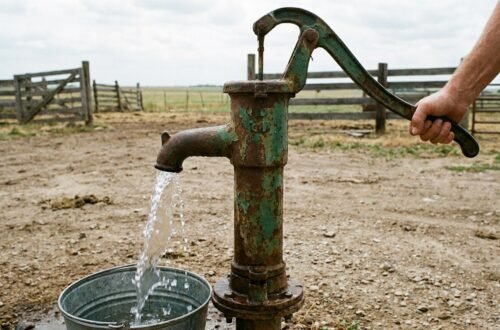
Once you’ve got a well, you need a way to get the water out.
Submersible Pumps
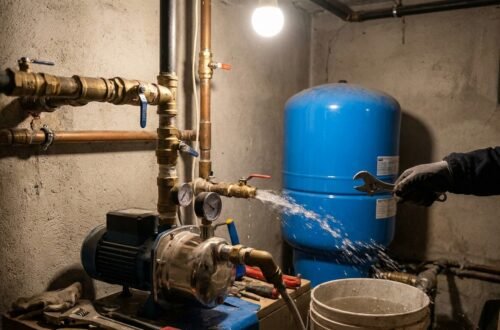
These are the workhorses for deep wells. They sit down inside the well casing, below the water level, and push the water up. They are very efficient but require electricity.
Jet Pumps
These are generally used for shallower wells, usually less than 25 feet deep. They are located above ground and use a vacuum to draw water up.
Solar Pumping Solutions
For off-grid living, solar-powered pumps are a fantastic, sustainable option. These systems can be directly powered by solar panels, providing water only when the sun is shining, or they can be coupled with a battery bank for more consistent supply. The size of the solar array and battery bank will depend on your pump’s power consumption and your water needs.
Water Quality from Wells
While wells often provide good quality water, it’s not a guarantee.
Testing is Essential
Always test your well water regularly, at least annually, for bacteria (like E. coli), nitrates, and heavy metals. Well water can be contaminated by agricultural runoff, septic systems, or natural geological deposits.
Filtration and Treatment
Depending on your test results, you might need filtration systems. Sediment filters remove sand and silt. Carbon filters can improve taste and odor and remove some chemicals. For bacterial contamination, UV sterilizers or chlorination might be necessary.
Nature’s Reservoir: Springs and Surface Water Sources
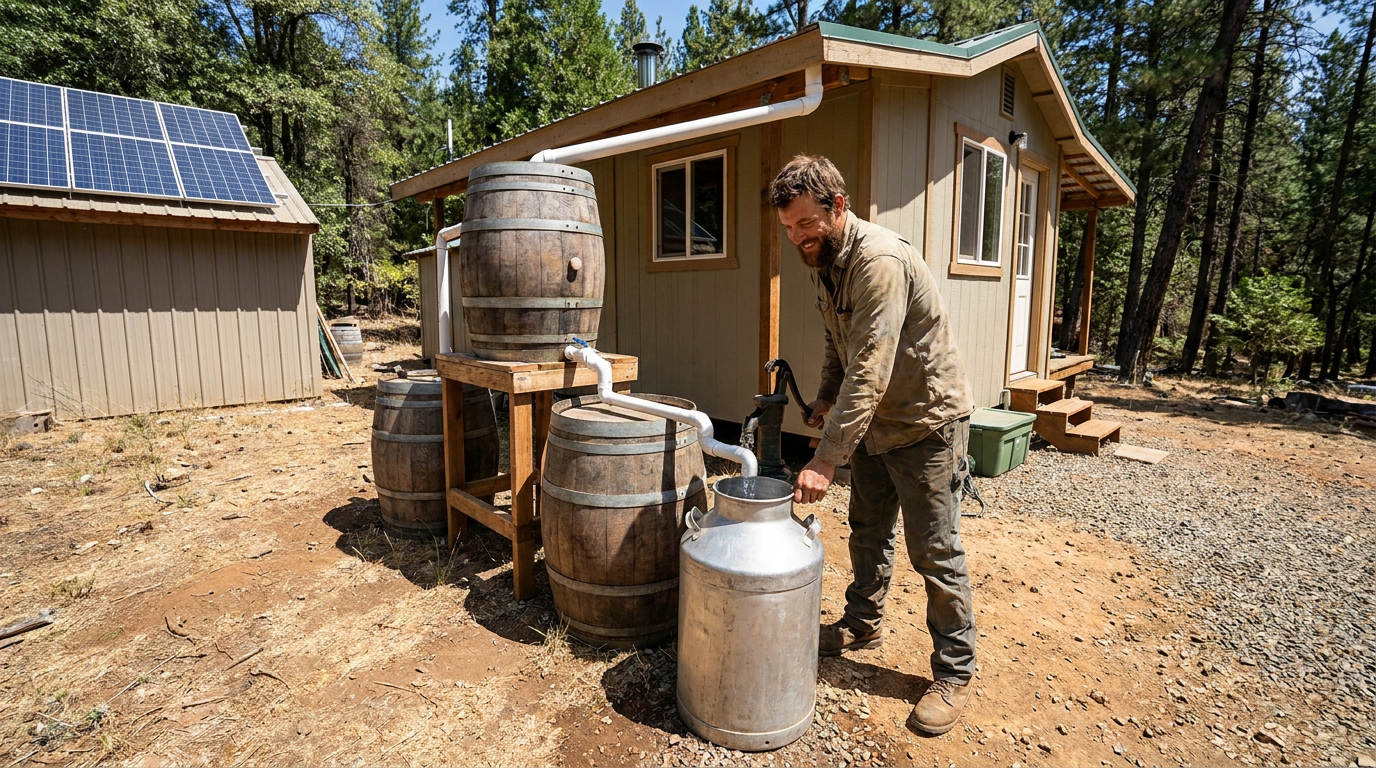
If you’re fortunate enough to live near a natural spring or a consistently flowing stream or lake, these can be viable water sources.
Assessing Spring and Surface Water Quality
Not all water sources are created equal. Evaluating what you have is the first step.
Reliability and Flow Rate
How consistent is the flow? Does it dry up during hot, dry months? Is it a trickle or a gushing stream? This will determine how much water you can reliably expect to draw. A perennial spring that flows year-round is far more valuable than an ephemeral one that appears only after heavy rain.
Potential Contamination Sources
Think about what’s upstream from your intended water source. Is there agriculture where pesticides and fertilizers might run off? Are there any potential sources of human or animal waste? Deforestation can increase sediment load in streams. Even seemingly clean water can harbor microscopic threats.
Collection and Initial Filtration
Getting the water from its source to your storage requires careful handling.
Gravity-Fed Systems
If a spring is located uphill from your dwelling, you might be able to set up a gravity-fed system. This involves laying pipes from the spring to your storage tanks. This is the ideal scenario as it requires no pumps and uses minimal energy. You’ll still need to protect the spring source itself from contamination.
Intake Structures for Streams
For streams, you’ll need an intake structure that filters out larger debris like leaves and twigs before the water enters your pipes. This could be a simple screened inlet or a more elaborate settling basin. Elevating your intake slightly above the streambed can help prevent drawing up excess sediment.
Safety First: Treatment Protocols
Surface water sources almost always require thorough treatment.
Sedimentation and Filtration
Natural sedimentation in a holding pond or a series of settling tanks can remove larger particles. Following this with multi-stage filtration, including sand filters, gravel filters, and then finer cartridge filters (e.g., 5-micron down to 1-micron), is crucial.
Disinfection Methods
For surface water, disinfection is non-negotiable to kill harmful bacteria, viruses, and protozoa. Boiling water is a foolproof but energy-intensive method. UV (ultraviolet) purifiers are highly effective and energy-efficient, using UV light to scramble the DNA of microorganisms. Chemical treatments like chlorine or iodine can also be used as a last resort or for emergency situations, but they can affect taste and leave residual chemicals.
Taking it Back to Basics: Water Transport and Storage Alternatives
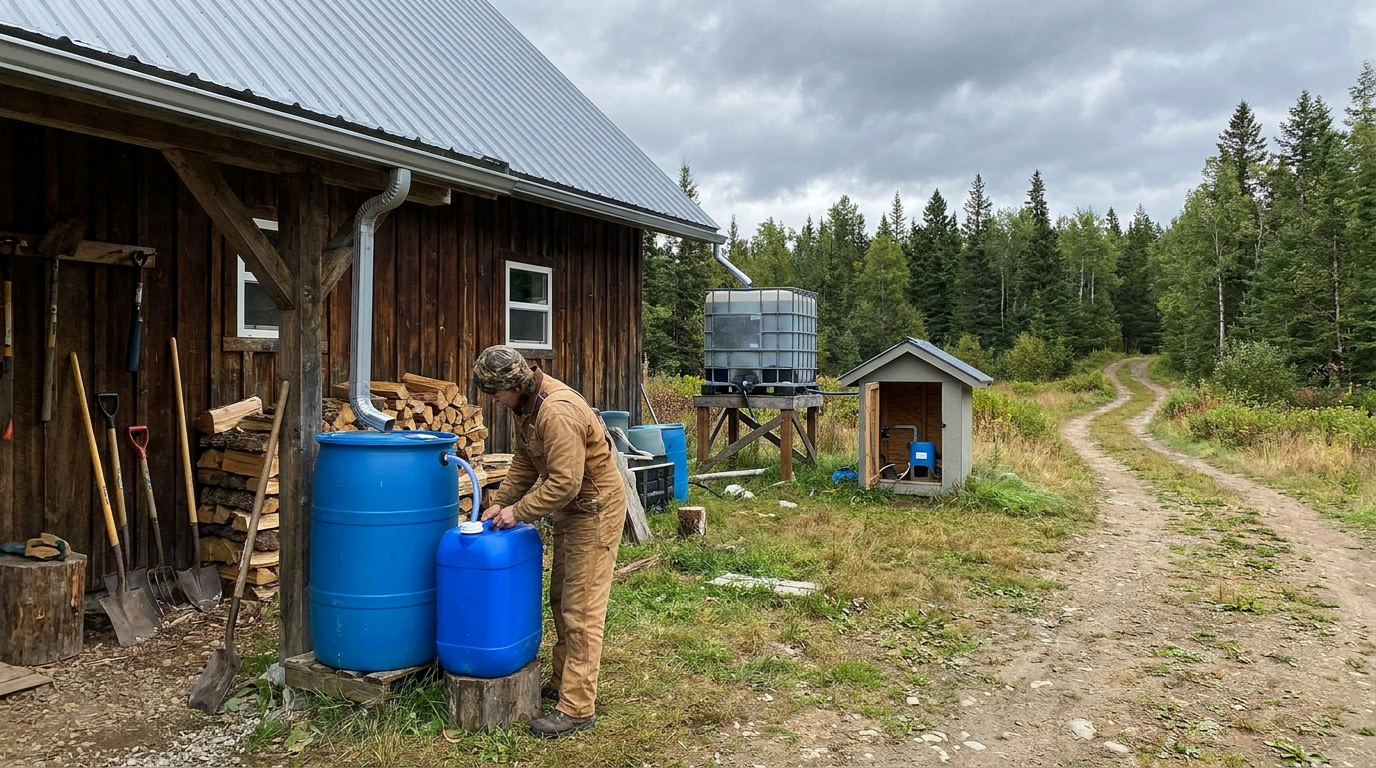
Sometimes, the perfect water source isn’t right outside your door. You might need to transport water in.
Fetching and Hauling
This is the most labor-intensive method, but it’s a reliable backup.
Using Vehicles and Containers
If you have access to a reliable source a reasonable distance away (like a public tap, a friend’s well, or a clean river), you can use trucks, trailers, or even cisterns mounted on vehicles to transport water. Food-grade barrels, IBC totes, or purpose-built water tanks are necessary for safe transport and storage.
Water Carts for Manual Transport
For shorter distances or when vehicle access is limited, water carts or even well-designed carrying systems can be used for smaller quantities. This is less practical for large-scale needs but can be a lifesaver in a pinch.
Creating Temporary Storage
Having a place to store water you’ve transported is essential.
Portable Tanks and Bladders
Collapsible water bladders, large plastic tanks on trailers, or even repurposed, clean food-grade barrels can serve as temporary storage units at your home. These can be filled up when you have access to a water source and then used as needed.
Considerations for Transportation
When transporting water, hygiene is paramount. Ensure your containers are impeccably clean and food-grade. Avoid transporting water in direct sunlight for extended periods, as this can promote bacterial growth. If you’re buying water, ensure it’s potable.
When considering how to get water when living off the grid, it’s essential to understand the various methods available for sourcing this vital resource. Many off-grid enthusiasts find that rainwater harvesting, well drilling, and natural spring access are effective solutions. For those just starting their off-grid journey, you might find it helpful to explore some common questions and answers about off-grid living. This can provide valuable insights and tips that complement your water sourcing strategies. You can read more in this informative article on essential off-grid living FAQs for beginners.
The Necessity of Water Purification
| Water Source | Pros | Cons |
|---|---|---|
| Rainwater Harvesting | Free water source, environmentally friendly | Dependent on rainfall, requires storage tanks |
| Well Water | Reliable water source, no monthly bills | Initial cost of drilling, requires maintenance |
| Surface Water (River, Lake) | Abundant water supply | Water treatment required, potential contamination |
| Water Delivery Services | Convenient, no need for infrastructure | Costly, reliance on external services |
No matter how you get your water, purification is where you ensure it’s safe to drink and use.
Understanding the Threats
Water can carry a host of invisible dangers.
Biological Contaminants
This is the most immediate concern: bacteria (like E. coli, Salmonella), viruses (like norovirus, Hepatitis A), and protozoa (like Giardia, Cryptosporidium). These can cause severe gastrointestinal illnesses.
Chemical Contaminants
These can come from industrial pollution, agricultural runoff (pesticides, herbicides, nitrates), or naturally occurring minerals (like arsenic or lead). While not always causing immediate illness, long-term exposure can lead to serious health problems.
Sediment and Turbidity
Even if water is biologically and chemically clean, particulate matter can make it unpalatable and impact the effectiveness of purification methods (especially UV).
Purification Methods Explained
There’s a tiered approach to making water safe.
Filtration: The First Line of Defense
- Sediment Filters: These catch larger particles like sand, silt, and rust. Essential for cloudy water.
- Carbon Filters: Activated carbon adsorbs a wide range of chemicals, improving taste and odor, and removing chlorine or volatile organic compounds.
- Ceramic Filters: These have very fine pores that can physically block bacteria and protozoa. They are washable and reusable but can be slow.
- Reverse Osmosis (RO): This is a high-level filtration process that forces water through a semi-permeable membrane, removing a vast array of contaminants, including dissolved solids and chemicals. RO systems generally require electricity and produce a brine waste product, but they offer very pure water.
Disinfection: Killing the Microbes
- Boiling: The oldest and most reliable method for killing all disease-causing microorganisms. Requires fuel and time.
- UV Sterilization: Uses ultraviolet light to damage the DNA of microorganisms, rendering them unable to reproduce. Effective, energy-efficient, and doesn’t alter taste. Needs electricity and clear water to work effectively.
- Chlorination: Adding a small amount of chlorine (like bleach) kills bacteria and viruses. It’s a common municipal method, but it can affect taste and requires careful dosing.
- Ozonation: Similar to UV, ozone is a powerful oxidizer that destroys microorganisms. It’s highly effective but more complex and expensive than UV.
Combining Methods for Maximum Safety
For off-grid living, a multi-barrier approach is often best. Start with robust filtration to remove sediment and then follow with a disinfection method like UV sterilization. Regular testing of your treated water is crucial to ensure your system is working effectively. Aim for a system that addresses both physical impurities and biological threats.
FAQs
1. What are some methods for obtaining water when living off the grid?
Some methods for obtaining water when living off the grid include rainwater harvesting, digging a well, using a spring or stream, and utilizing a water delivery service.
2. How can rainwater harvesting be used to obtain water off the grid?
Rainwater harvesting involves collecting rainwater from the roof of a building and storing it in a tank for later use. This water can be used for drinking, cooking, bathing, and watering plants.
3. What are the considerations for digging a well when living off the grid?
When digging a well off the grid, it’s important to consider the depth of the water table, the quality of the water, and the potential need for a pump or other equipment to access the water.
4. Is it safe to use water from a spring or stream when living off the grid?
Water from a spring or stream can be safe to use when living off the grid, but it should be tested for contaminants and treated if necessary before consumption.
5. What are the benefits of using a water delivery service when living off the grid?
Using a water delivery service can provide a reliable and convenient source of water for off-grid living, especially in areas where other methods of obtaining water may be limited or unavailable.


2 Comments on “How to Get Water When Living Off the Grid”