Figuring out the best off-grid water filtration system really boils down to understanding what’s in your water and how much you need to treat. There’s no single “best” for everyone, as it depends on your specific water source, purity concerns, and usage. This guide will walk you through the practicalities to help you make an informed choice.
Before you even think about buying a filter, you need to know where your water is coming from and what’s in it. This is the most crucial step and one that many people skip, leading to misaligned purchases and ineffective solutions.
Table of Contents
Identifying Your Water Source
Where is your water actually coming from? This seems obvious, but the implications for filtration are huge.
Well Water
- Pros: Often good quality, especially if from a deep, protected aquifer.
- Cons: Can be susceptible to surface contamination (e.g., agricultural runoff, leaky septic systems) or mineral buildup. Bacteria and viruses are also a concern.
- Key Considerations: Regular testing is essential. You might need to address bacteria, sediment, iron, manganese, hardness, and potentially nitrates or other contaminants.
Surface Water (Rivers, Lakes, Streams)
- Pros: Can be plentiful.
- Cons: Generally the most at-risk for contamination. Think agricultural runoff, animal waste, industrial discharge upstream, sediment, and a higher likelihood of biological contaminants like giardia and cryptosporidium.
- Key Considerations: Requires robust filtration for sediment, biological contaminants, and potentially chemical pollutants. Pre-filtration is almost always a must.
Rainwater Harvesting
- Pros: Fresh, often relatively pure to start.
- Cons: Can pick up contaminants from roofing materials (e.g., lead, asphalt), bird droppings, insect parts, and atmospheric pollutants. Algae can also be an issue in storage.
- Key Considerations: Sediment filters are a must. Depending on roofing material and potential airborne pollutants, you might need activated carbon. Biological contamination is a risk if storage isn’t ideal.
Spring Water
- Pros: Often naturally filtered and mineral-rich.
- Cons: Can still carry surface contaminants if the spring isn’t properly protected. Bacteria are a possibility, especially if the spring is shallow or exposed.
- Key Considerations: Testing is still important. Focus on potential bacterial issues and ensuring the spring source is protected from contamination.
The Importance of Water Testing
Don’t guess what’s in your water; test it. This is non-negotiable for an off-grid situation where you rely entirely on your system.
What to Test For
- Microbiological Contaminants: Bacteria (e.g., E. coli, coliform), viruses, protozoa (giardia, cryptosporidium). This is primary for health.
- Chemical Contaminants:
- Inorganic: Arsenic, lead, nitrates, sulfates, fluoride, iron, manganese, hardness minerals (calcium, magnesium).
- Organic: Pesticides, herbicides, volatile organic compounds (VOCs), industrial solvents. These are more common from agricultural or industrial areas.
- Physical Properties:
- TDS (Total Dissolved Solids): A general indicator of dissolved minerals, salts, and metals. High TDS can affect taste and potentially make filtration more challenging.
- Turbidity: Cloudiness caused by suspended particles. High turbidity can harbor microorganisms and reduce the effectiveness of other filtration steps.
- pH: Acidity or alkalinity, which can affect taste and the efficiency of certain filtration methods.
How to Get Your Water Tested
- DIY Test Kits: Available for simpler tests like hardness, chlorine, iron, and basic bacteria. Good for a quick check but not comprehensive.
- Local Health Department: Often offer free or low-cost testing for basic contaminants.
- Certified Water Testing Labs: For thorough, accredited results, this is the best option. You’ll usually order a kit, collect samples according to their instructions, and mail them in. They provide detailed reports.
When considering the best off-grid water filtration system, it’s essential to also understand the broader context of off-grid living, including the common pitfalls that beginners might encounter. For instance, an insightful article titled “Common Off-Grid Solar Mistakes Beginners Make” offers valuable tips on optimizing solar energy use, which can be crucial for powering your water filtration system effectively. You can read more about these important considerations in the article here: Common Off-Grid Solar Mistakes Beginners Make.
Types of Filtration Technologies: What Does What?
Once you know what you’re dealing with, you can look at the tools available. Off-grid systems often use a multi-stage approach, layering different technologies.
Sediment Filters: The First Line of Defense
These are mechanical filters designed to remove larger particles suspended in the water.
How They Work
- They use a porous material (like pleated paper, spun polypropylene, or ceramic) to trap debris.
- They are rated by micron size – the smaller the micron rating, the finer the particles they can remove.
When You Need Them
- Always, especially for surface water and rainwater.
- Crucial for protecting finer filters (like RO membranes or UV sterilizers) from clogging prematurely.
Common Micron Ratings
- 100-50 microns: Pre-filters, good for very dirty water.
- 20-5 microns: Standard sediment filtering for most applications.
- 1 micron or less: Finer filtration, often used as a step before polishing filters.
Activated Carbon Filters: Tackling Taste, Odor, and Chemicals
Carbon filters are excellent at adsorbing certain contaminants.
How They Work
- Activated carbon has a vast internal surface area due to its porous structure, created by a process of heating.
- Common contaminants like chlorine, volatile organic compounds (VOCs), pesticides, herbicides, and substances causing bad taste and odor stick to the carbon surface.
Different Types of Carbon Filters
- Granular Activated Carbon (GAC): Loose granules of carbon. Good for general taste and odor, but can have channels that allow water to bypass them.
- Carbon Block: Compressed carbon powder formed into a solid block. Offers more consistent contact time, leading to better contaminant removal and acting as a sediment filter too.
Limitations
- Not effective for: Dissolved minerals, salts, heavy metals (like arsenic, lead – unless specifically treated with catalytic carbon), or microbiological contaminants.
- Capacity: Carbon becomes saturated over time and needs replacement.
Ceramic Filters: Fine Filtration and Bacteria Removal
Ceramic filters are a reusable and effective option for removing fine sediment and most bacteria and cysts.
How They Work
- Made from a porous ceramic material with tiny pores.
- Water is forced through these pores, trapping particles, sediment, and microorganisms.
- Pore sizes typically range from 0.2 to 0.5 microns, which is small enough to block bacteria like E. coli and protozoa like Giardia.
Pros
- Reusable: Can be cleaned (scrubbed) to restore flow rate and extend lifespan.
- Durable: Generally quite robust.
- Effective for bacteria and cysts: A good physical barrier.
Cons
- Slow Flow Rate: Can be slower than other methods.
- Not effective for: Viruses, dissolved chemicals, or heavy metals.
- Brittleness: Can break if dropped.
- Requires regular cleaning: If not cleaned, they can clog and become ineffective.
Ultrafiltration (UF) Membranes: Bridging the Gap
UF is a semi-permeable membrane filtration process.
How They Work
- UF membranes have pore sizes typically ranging from 0.01 to 0.1 microns.
- They effectively remove suspended solids, colloids, bacteria, viruses, and protozoa.
- They allow dissolved salts and minerals to pass through.
Pros
- Excellent for bacteria and viruses: More effective than ceramic.
- No chemicals needed: Relies on physical separation.
- Relatively low pressure required: Compared to RO.
- Retains minerals: If you want to keep the natural mineral content, UF is a good choice.
Cons
- Not effective for: Dissolved salts, heavy metals, or chemicals that are molecularly small.
- Can clog: Requires pre-filtration.
- Membrane lifespan: Like all membranes, it has a finite lifespan.
Reverse Osmosis (RO) Systems: The Ultimate Purity (with Caveats)
RO is a highly effective purification method, but it comes with trade-offs.
How They Work
- Uses a semi-permeable membrane with extremely small pores (around 0.0001 microns) that block almost all contaminants.
- Requires significant water pressure to force water through the membrane, pushing impurities away.
- Typically includes multiple pre-filters (sediment, carbon) and a post-filter (carbon) to protect the RO membrane and polish the water.
Pros
- Removes the broadest range of contaminants: Including dissolved salts, heavy metals (lead, arsenic), nitrates, fluoride, and microorganisms.
- Produces very pure water: If properly maintained.
Cons
- Wastes Water: For every gallon of purified water produced, several gallons of “reject water” (concentrated waste water) are produced and need to be disposed of. This is a major consideration for off-grid systems with limited water.
- Removes Beneficial Minerals: RO strips out minerals, which can affect taste and potentially your mineral intake. Many RO systems include a remineralization stage.
- Requires Pressure: Often needs a booster pump in off-grid settings to achieve sufficient pressure, which consumes electricity.
- Slow Production Rate: RO systems can have a relatively slow production rate, often requiring a storage tank.
- Membrane Replacement: RO membranes are expensive and need periodic replacement.
Ultraviolet (UV) Sterilization: Killing Microbes
UV treatment is a disinfection method, not a filtration method.
How It Works
- Water is exposed to ultraviolet light, which damages the DNA of microorganisms (bacteria, viruses, protozoa), rendering them unable to reproduce and cause illness.
Pros
- Effective for all microorganisms: Including viruses that smaller filters might miss.
- No chemicals added: Doesn’t alter taste or odor.
- Relatively high flow rates possible: Depending on the UV unit.
Cons
- Requires Clear Water: Any turbidity or sediment can shield microbes from the UV light, making it ineffective. This means robust pre-filtration (sediment filters, carbon filters) is absolutely essential.
- No Removal of Contaminants: It only kills microbes; it doesn’t remove sediment, chemicals, or dissolved solids.
- Requires Electricity: UV lamps need power.
- Lamp Lifespan: UV lamps have a limited lifespan and need replacement.
Designing Your Off-Grid System: Putting It All Together
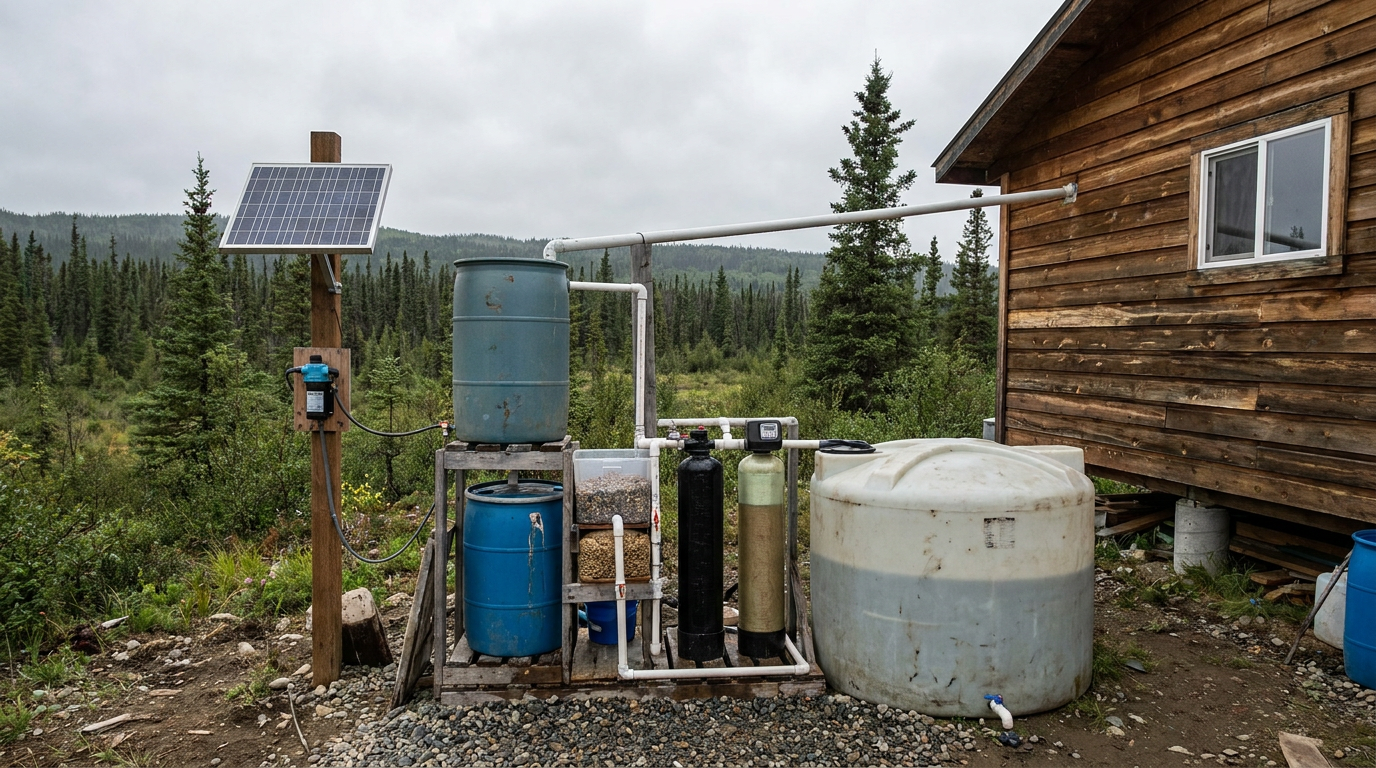
The best off-grid system is usually a combination of technologies tailored to your specific needs. Think of it as a layered defense.
Multi-Stage Filtration: The Smart Approach
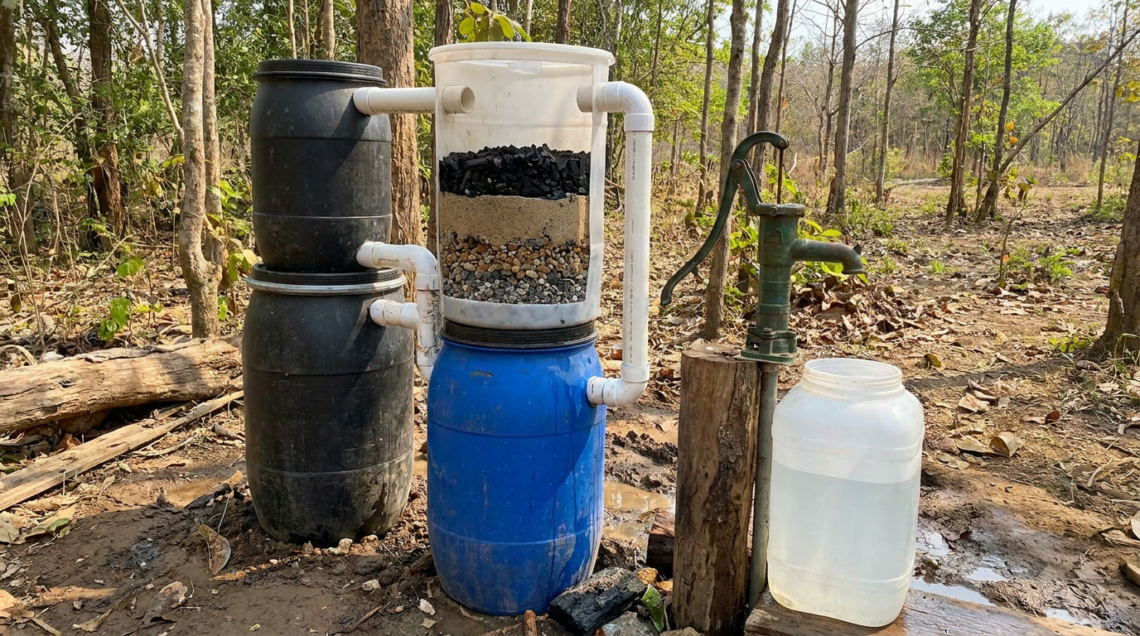
A single filter is rarely enough. A typical multi-stage system might look like this:
Stage 1: Sediment Filtration (Multi-Micron)
- Purpose: Remove larger particles like sand, silt, and debris.
- Type: A coarse sediment filter (e.g., 50-100 micron) or a whole-house sediment filter that can be cleaned.
Stage 2: Finer Sediment Filtration
- Purpose: Capture smaller suspended particles.
- Type: A 5-micron sediment filter.
Stage 3: Activated Carbon Filtration
- Purpose: Remove chlorine (if present), VOCs, and improve taste/odor.
- Type: A 5-micron carbon block filter is often a good choice, offering both filtration and adsorption.
Stage 4: Primary Purification (Choose One or More)
This is where you address the core contaminants identified by your water test.
- For Bacteria, Protozoa, and Viruses (common in surface/rainwater):
- Ceramic Filter: Good for reusable, mechanical removal of bacteria and cysts.
- Ultrafiltration (UF): More effective for viruses and has a higher flow rate than ceramic.
- UV Sterilization: Excellent as a final barrier to kill any remaining microbes. Requires excellent pre-filtration.
- For Dissolved Solids, Heavy Metals, and Chemicals (common in well water with specific issues, or if aiming for very high purity):
- Reverse Osmosis (RO): The most comprehensive for a broad range of dissolved contaminants. Consider water waste and electricity needs.
Stage 5: Polishing and Remineralization (Optional but Recommended for RO)
- Purpose: Improve taste, remove any residual fine particles, and add back beneficial minerals (especially after RO).
- Type: Another activated carbon filter or a remineralization cartridge.
Flow Rate and Capacity: How Much Water Do You Need?
Consider your daily water usage. This dictates the size of your tanks, pumps, and the capacity of your filtration components.
Daily Water Needs
- Drinking and Cooking: How many people?
- Washing: Dishes, clothes.
- Hygiene: Showers, handwashing.
- Other uses: Gardening, livestock.
System Sizing
- Flow Rate (GPM/LPM): This is how quickly water passes through the system. Ensure it matches your peak demand. For example, if you need water for a shower and sink simultaneously, you’ll need a higher flow rate than if you only need water for drinking.
- Total Daily Capacity: If your filtration system can only produce a certain amount of water per day (especially with RO), you’ll need a storage tank to meet peak demand.
Power Requirements: The Off-Grid Challenge
Most advanced filtration systems require electricity.
Components that Use Power
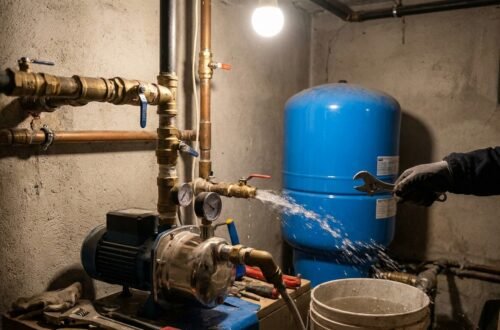
- Pumps: Essential for well water pickup, boosting pressure for RO, and sometimes for general water circulation.
- UV Sterilizers: The UV lamp requires continuous power.
- Some automated backwashing systems.
Power Sources for Off-Grid
- Solar Power: The most common off-grid solution. Requires solar panels, charge controller, batteries, and an inverter.
- Wind Turbine: Another renewable option, can complement solar.
- Generator: Good for backup or high demand periods, but requires fuel.
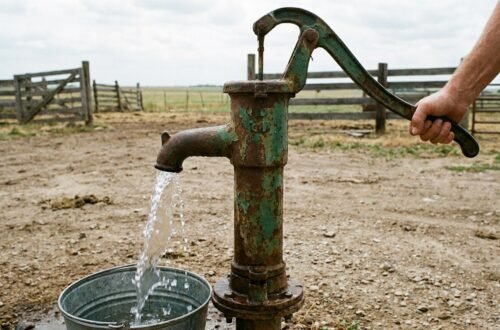
- Manual Pumps: For very basic systems or emergencies, but often limited in flow and pressure.
Calculating Power Needs
- List all components that require electricity.
- Note their wattage and estimated daily run time.
- Use this to size your solar array, battery bank, and inverter.
Maintenance and Longevity: Keeping It Running
Even the best system needs care.
Regular Tasks
- Filter Replacement: Sediment and carbon filters have a lifespan and need to be replaced periodically. Check manufacturer recommendations.
- Ceramic Filter Cleaning: Scrubbing to remove accumulated debris.
- UV Lamp Replacement: Usually annually or as recommended by the manufacturer.
- Membrane Inspection/Flushing: RO and UF membranes require specific maintenance to prevent fouling.
Importance of a Schedule
- Create a maintenance log.
- Be proactive. Replacing a carbon filter before it’s completely saturated is often cheaper in the long run than dealing with the consequences of poor-tasting water or a clogged next-stage filter.
Choosing the Right Filter Type for Common Scenarios
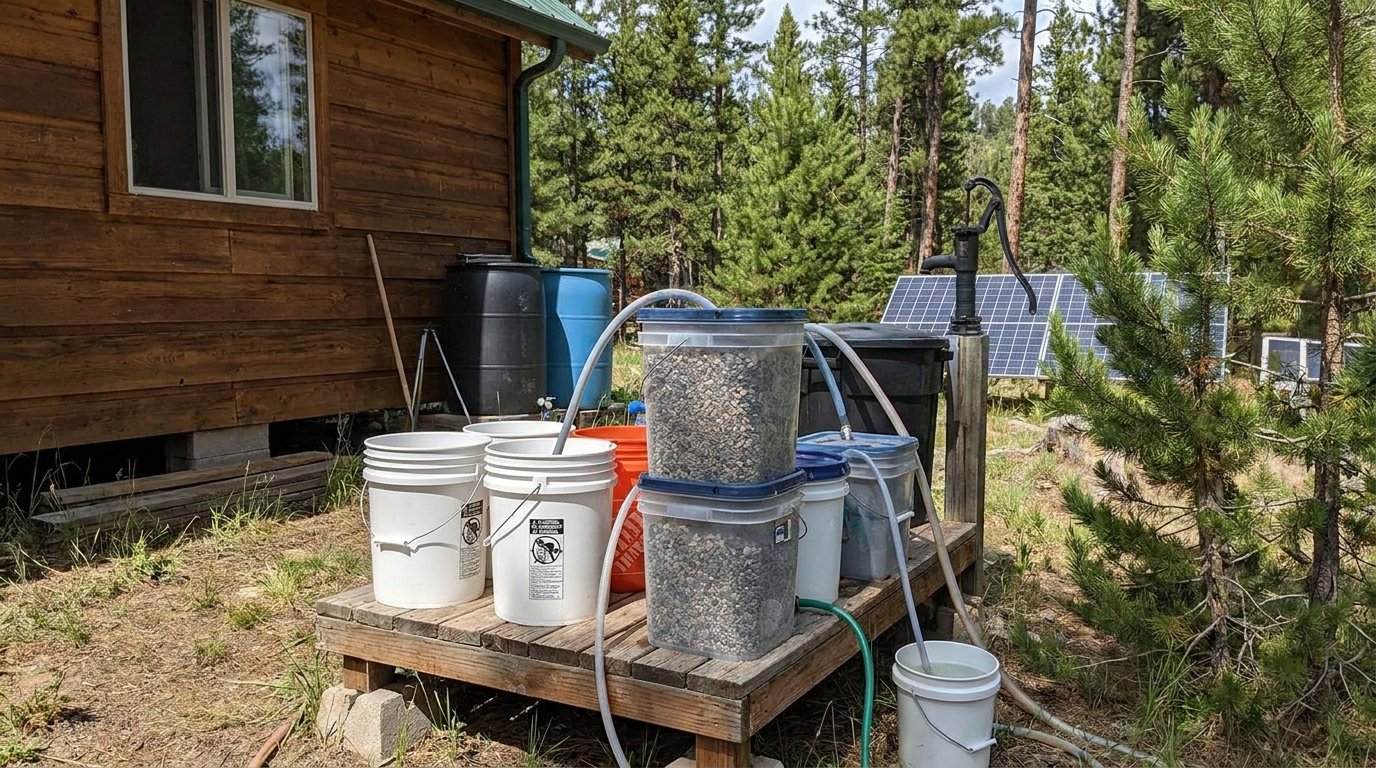
Here are some practical recommendations based on common off-grid water sources and concerns.
Scenario 1: Surface Water (River/Lake) with Cloudiness and Potential Bacteria
- Initial Thought: Needs robust biological and sediment removal.
- Recommended System:
- Coarse Sediment Filter (50+ micron): To catch the big stuff.
- Fine Sediment Filter (5 micron): To clarify water and protect finer filters.
- Activated Carbon Filter (5-10 micron): To remove potential organic chemicals and improve taste/odor.
- Primary Purification:
- Option A (Good Balance): Ultrafiltration (UF) Membrane. This will effectively remove bacteria, viruses, and protozoa, while retaining beneficial minerals and having a reasonable flow rate.
- Option B (Highest Purity): Reverse Osmosis (RO). Will remove everything UF does, plus dissolved solids and heavy metals, but with significant water waste and higher power needs.
- Final Stage: UV Sterilizer. This is crucial as a final safeguard against any tiny organisms that might have bypassed other stages, or if you are using a less robust primary purifier like ceramic.
Scenario 2: Well Water Suspected of Hardness, Iron, and Potential Bacteria
- Initial Thought: Needs mineral reduction, iron removal, and biological treatment.
- Recommended System:
- Whole House Sediment Filter (e.g., Cleanable Spinner or 20-50 Micron Cartridge): To handle initial sediment load from the well.
- Specialty Filter (Iron/Manganese Filter): If iron and manganese levels are high, a dedicated filter using media like Birm or an oxidizer can be very effective. These often require periodic backwashing.
- Water Softener (Optional but Recommended for High Hardness): If hardness is significant, a salt-based or salt-free water softener is essential to protect plumbing and appliances and improve taste.
- Activated Carbon Filter: To remove any residual chlorine (if your well is shocked), VOCs, and improve taste.
- Primary Purification:
- For Bacteria: If testing confirms bacteria but no major dissolved solids issues, a UV Sterilizer after robust sediment and carbon filtration is usually sufficient and efficient.
- If other dissolved contaminants are present: Consider an RO system after all other treatments to achieve maximum purity. This is often an overkill if the main problem is just hardness and iron, but good if you have deeper concerns.
Scenario 3: Rainwater Harvesting with Concerns about Roofing Contaminants and Bacteria
- Initial Thought: Needs sediment removal and disinfection.
- Recommended System:
- Leaf/Debris Screen (First Flush Diverter): Essential to divert the initial rain that washes loose debris off the roof.
- Sediment Filter (e.g., 50 micron washable filter): To catch larger particles from the roof.
- Fine Sediment Filter (e.g., 5 micron): To remove finer debris and sediment.
- Activated Carbon Filter: To remove any taste or odor from roofing materials or airborne pollutants.
- Primary Purification:
- UV Sterilizer: A direct and effective way to kill any bacteria or protozoa from droppings or other organic matter. Crucially, ensure your sediment and carbon filters are keeping the water very clear for the UV to work.
- Alternatively: A Ceramic Filter can provide mechanical removal of bacteria and cysts.
When considering the best off-grid water filtration system, it’s essential to understand the various options available and their specific benefits. For a deeper dive into this topic, you might find it helpful to read an insightful article on off-grid living, which discusses not only filtration systems but also other crucial aspects of sustainable water sourcing. This resource can guide you in making an informed decision that aligns with your off-grid lifestyle.
Final Considerations for Off-Grid Living
| Criteria | Options |
|---|---|
| Filter Type | Carbon, Ceramic, UV, Reverse Osmosis |
| Flow Rate (Gallons per Hour) | 0.5 – 4 GPH |
| Portability | Portable, Stationary |
| Filter Lifespan (Gallons) | 500 – 10,000 Gallons |
| Price Range | 50 – 500 |
Beyond the technical aspects of filtration, think about the practicalities of an off-grid lifestyle.
Budget and Long-Term Costs
- Initial Investment: Systems vary wildly. A simple gravity filter with a ceramic element is very cheap. A whole-house RO system with UV sterilization and pumps can cost thousands.
- Ongoing Costs: Filter replacements, UV lamp replacements, salt for softeners (if applicable), electricity for pumps and UV. Factor these into your long-term budget.
Ease of Maintenance
- Choose a system you are comfortable maintaining. If you’re not mechanically inclined, a system with frequent, complex maintenance might not be the best fit.
- Availability of replacement parts: Can you easily get new filters or UV bulbs when you need them?
Scalability
- As your needs change (e.g., more people, less water available), can your system be expanded or upgraded?
By taking a systematic approach, starting with understanding your water, then your needs, and finally the available technologies, you can confidently select an off-grid water filtration system that keeps you safe and hydrated.
FAQs
1. What is an off-grid water filtration system?
An off-grid water filtration system is a system that does not rely on a centralized water supply or electricity to provide clean drinking water. It is designed to be used in remote locations or in emergency situations where access to clean water is limited.
2. What factors should be considered when choosing an off-grid water filtration system?
When choosing an off-grid water filtration system, it is important to consider factors such as the source of water, the level of filtration required, the system’s portability, ease of maintenance, and the system’s capacity to produce clean water.
3. What are the different types of off-grid water filtration systems available?
There are several types of off-grid water filtration systems available, including portable water filters, gravity-fed water filters, pump-based water filters, and UV water purifiers. Each type of system has its own advantages and limitations, so it is important to choose the one that best suits your specific needs.
4. How do off-grid water filtration systems work?
Off-grid water filtration systems work by removing impurities and contaminants from water through various filtration methods such as physical filtration, chemical filtration, and UV purification. These systems are designed to make water safe for drinking by eliminating harmful bacteria, viruses, and other contaminants.
5. What are some popular off-grid water filtration system brands on the market?
Some popular off-grid water filtration system brands on the market include Sawyer, LifeStraw, Katadyn, Berkey, and MSR. These brands offer a range of products that cater to different off-grid water filtration needs, from personal use to larger group or family use.