Planning for off-grid water storage is a smart move, whether you’re living completely off the land or just looking for a reliable backup. The goal here is simple: ensure you always have access to clean, safe water, even when the usual supply isn’t an option. This guide will walk you through various off-grid water storage ideas, from large tanks to smaller barrels and everything in between, helping you figure out what makes the most sense for your specific needs. We’ll cover practical aspects like material choices, integration with collection systems, and how to keep your stored water safe and usable for the long haul.
Before you start looking at tanks, it’s crucial to get a handle on how much water you actually need. This isn’t just about drinking; it’s about all your daily uses.
Table of Contents
Daily Consumption Estimates
Think about how much water your household uses on an average day. This includes:
- Drinking and Cooking: A good rule of thumb is 1 gallon per person per day for these essential needs, but a bit more is safer.
- Hygiene: Showering, washing hands, and flushing toilets (if applicable to your off-grid setup).
- Laundry: If you plan to do laundry off-grid.
- Gardening/Livestock: Any water needed for plants or animals.
Multiply these daily needs by how many days or weeks you want to be self-sufficient. This gives you a baseline for your storage capacity. Remember, it’s always better to over-estimate slightly than to run out.
Short-Term vs. Long-Term Storage
Your storage strategy might differ depending on whether you’re prepping for a weekend camping trip or a permanent off-grid homestead.
- Short-Term (Emergency Preparedness): Days to a few weeks. Smaller, more portable containers might suffice.
- Medium-Term (Seasonal Disconnects): Weeks to a few months. Larger barrels or intermediate bulk containers (IBCs) become relevant.
- Long-Term (Permanent Off-Grid Living): Months to years. This is where large tanks integrated with rainwater harvesting or well systems come in.
If you’re exploring off-grid water storage solutions, you might also find it beneficial to read about setting up an off-grid solar system, which can complement your water storage efforts by providing a reliable power source for pumps and filtration systems. For more information on this topic, check out the article on Off-Grid Solar System Setup for Beginners. This resource offers valuable insights into creating a sustainable energy system that works hand-in-hand with your water storage ideas.
Common Off-Grid Water Storage Options
There’s no one-size-fits-all solution for off-grid water storage. Let’s look at the popular choices.
Rain Barrels
Rain barrels are a fantastic entry point into water harvesting and storage. They’re typically 50-75 gallons and designed to attach directly to your downspout.
- Advantages: Relatively inexpensive, easy to install, low tech, good for collecting rainwater for garden use or non-potable household tasks.
- Disadvantages: Limited capacity, water quality can be an issue if not filtered, not ideal for long-term potable storage without treatment.
- Best Use: Supplementing garden irrigation, flushing toilets, general outdoor use, or as a small backup for emergency washing.
Intermediate Bulk Containers (IBCs)
IBCs are those large, caged plastic totes you often see. They typically hold around 275-330 gallons.
- Advantages: Significantly more capacity than rain barrels, relatively easy to plumb together for increased storage, durable, often available used at a lower cost (but be cautious about their previous contents).
- Disadvantages: Can be bulky and an eyesore, used IBCs require thorough cleaning and verification of previous contents to be safe for water storage, not designed for long-term potable storage without proper liner or treatment.
- Best Use: Medium-scale rainwater harvesting, storing water for livestock, temporary potable water backup after purification.
Large Water Storage Tanks
This is where you get serious about off-grid water. These tanks range from hundreds to thousands of gallons and are often the backbone of a robust off-grid water system.
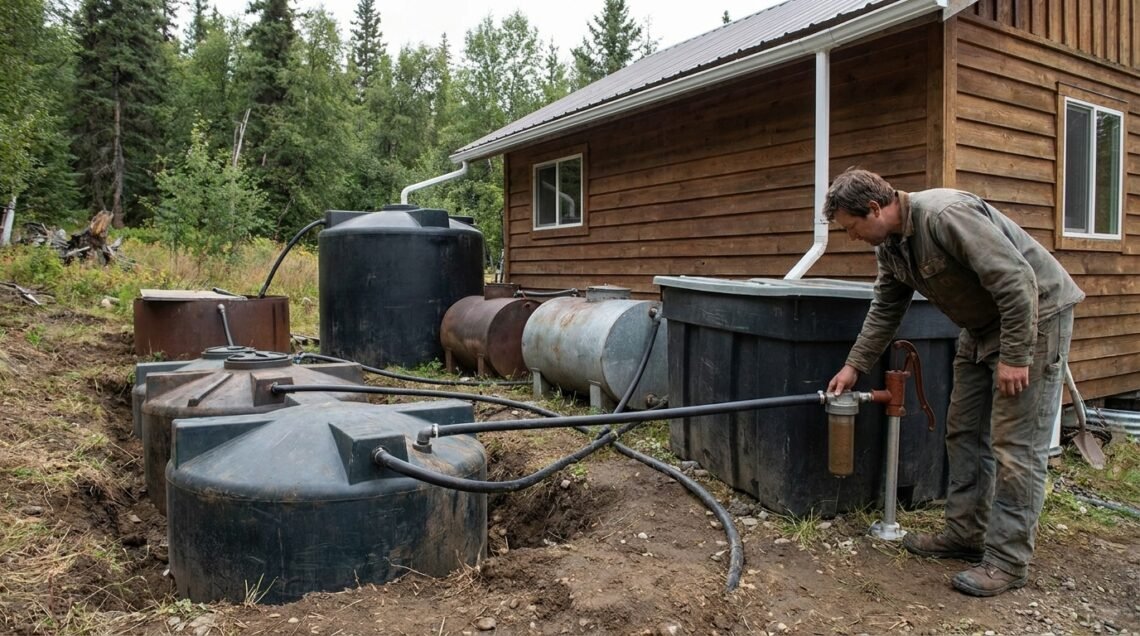
- Above-Ground Tanks: Polyethylene (plastic) tanks are common, durable, and come in various shapes and sizes (vertical, horizontal, slimline). Galvanized steel tanks offer higher capacity and durability.
- Advantages: Relatively easy to install, visible for inspection, less earthwork required.
- Disadvantages: Can be susceptible to UV degradation (plastic), prone to freezing in cold climates if not insulated, takes up visible space.
- Best Use: Primary storage for rainwater harvesting, large-scale backup water, ideal when space allows.
- Underground Tanks: Made from concrete, fiberglass, or plastic, these tanks are buried beneath the ground.
- Advantages: Protected from harsh weather (freezing, UV), out of sight, maintains a cooler water temperature, excellent for gravity-fed systems.
- Disadvantages: Expensive and complex installation (excavation, heavy equipment), difficult to inspect or repair, requires proper venting.
- Best Use: Permanent off-grid homesteads, areas with extreme temperatures, when aesthetics are a concern.
- Pillow Tanks (Bladders): Flexible, collapsible tanks made from heavy-duty fabric. They can be rolled up when empty.
- Advantages: Portable, can store a lot of water in a small footprint when empty, good for temporary or emergency situations, relatively easy to deploy.
- Disadvantages: Can be punctured, not ideal for permanent outdoor exposure, can be challenging to clean.
- Best Use: Emergency water storage, temporary water supply for remote work sites, backup for critical needs.
Cisterns
Historically, cisterns refer to underground storage, often built from concrete or stone. Today, the term is sometimes used more broadly to refer to any large water collection system.
- Traditional Cisterns: Often custom-built, very durable, can last for centuries.
- Advantages: Massive capacity, excellent insulation from temperature extremes, high perceived value in some historical contexts.
- Disadvantages: Very expensive and labor-intensive to build, requires professional engineering, difficult to clean or access once installed.
- Best Use: Permanent, high-capacity, long-term water storage for large properties or communities.
Sourcing and Material Considerations
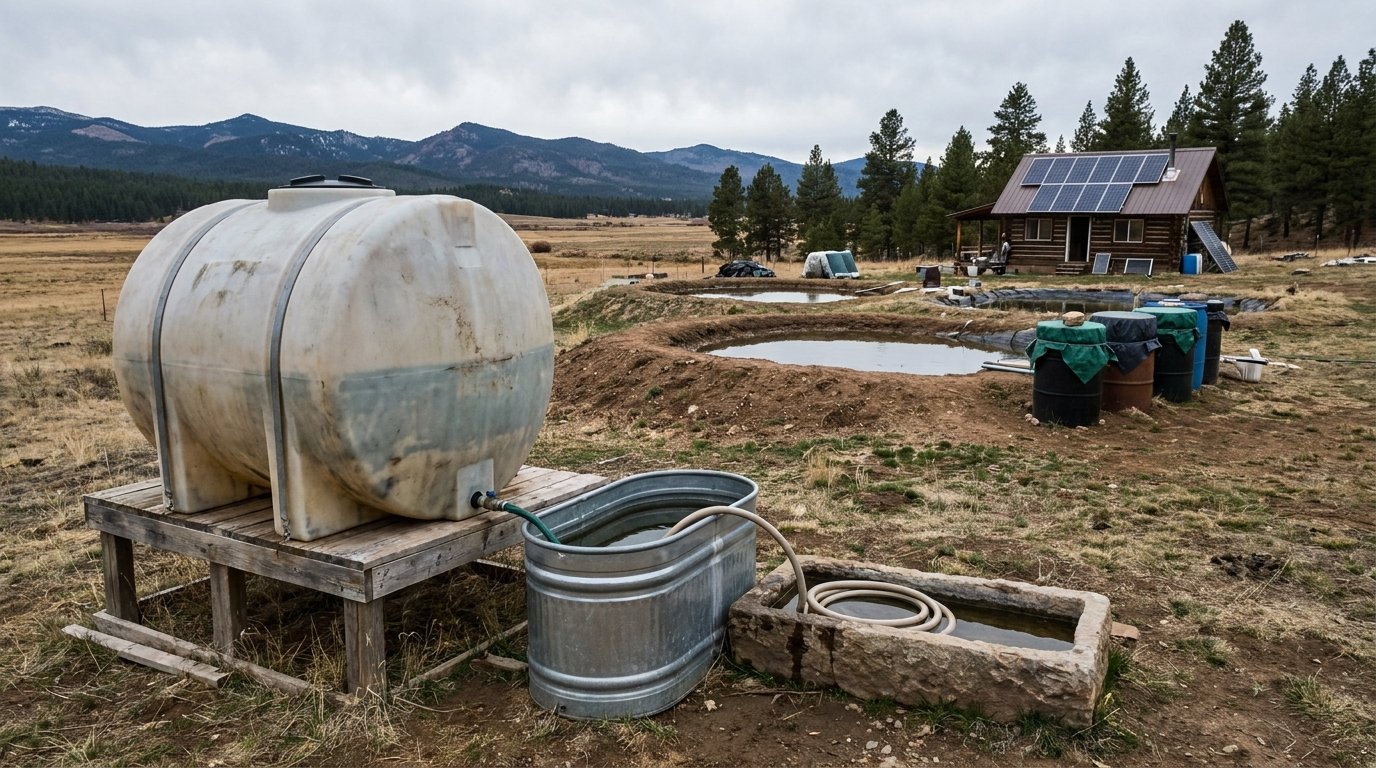
Choosing the right material and ensuring your water source is safe are key to a successful off-grid water system.
Tank Materials
Each material has its pros and cons in terms of cost, durability, and water quality.
- Food-Grade Polyethylene (Plastic): The most common for residential small to medium tanks.
- Pros: Lightweight, affordable, resistant to corrosion, easy to install, often UV-stabilized.
- Cons: Can degrade over time from UV exposure if not properly protected, can allow algae growth if light penetrates, some concerns about plastic leaching (though food-grade tanks are designed to minimize this).
- Fiberglass: Strong, durable, and lighter than concrete.
- Pros: Good strength-to-weight ratio, resistant to corrosion, good insulation properties.
- Cons: Can be more expensive than plastic, can be damaged by impact, repair requires specialized knowledge.
- Concrete: Used primarily for large, custom-built underground cisterns.
- Pros: Extremely durable, long lifespan, excellent insulation, heavy and stable.
- Cons: Very heavy, difficult to install (requires heavy equipment), can leach calcium into water (which raises pH but isn’t necessarily harmful), prone to cracking if not installed correctly.
- Galvanized Steel: Often used for larger, above-ground tanks, sometimes with liners.
- Pros: Strong, durable, good for high-capacity applications, resists UV degradation.
- Cons: Can rust over time if coating is compromised, heavy, can be more expensive than plastic.
Water Quality and Safety
Storing water isn’t just about quantity; it’s also about keeping it safe to use.
- Food-Grade Certification: If you plan to drink or cook with the water, ensure your tanks are NSF/ANSI-61 certified for potable water storage. This means they won’t leach harmful chemicals into your water.
- Preventing Algae Growth: Light encourages algae. Choose opaque tanks or ensure transparent tanks are completely covered to block sunlight.
- Pest and Debris Exclusion: All inlets and overflow pipes should have screens (mesh) to prevent insects, rodents, and leaves from entering the tank.
- Airtight Seals: While breathable vents are necessary, maintain airtight seals elsewhere to prevent airborne contaminants.
Integration with Collection and Distribution Systems
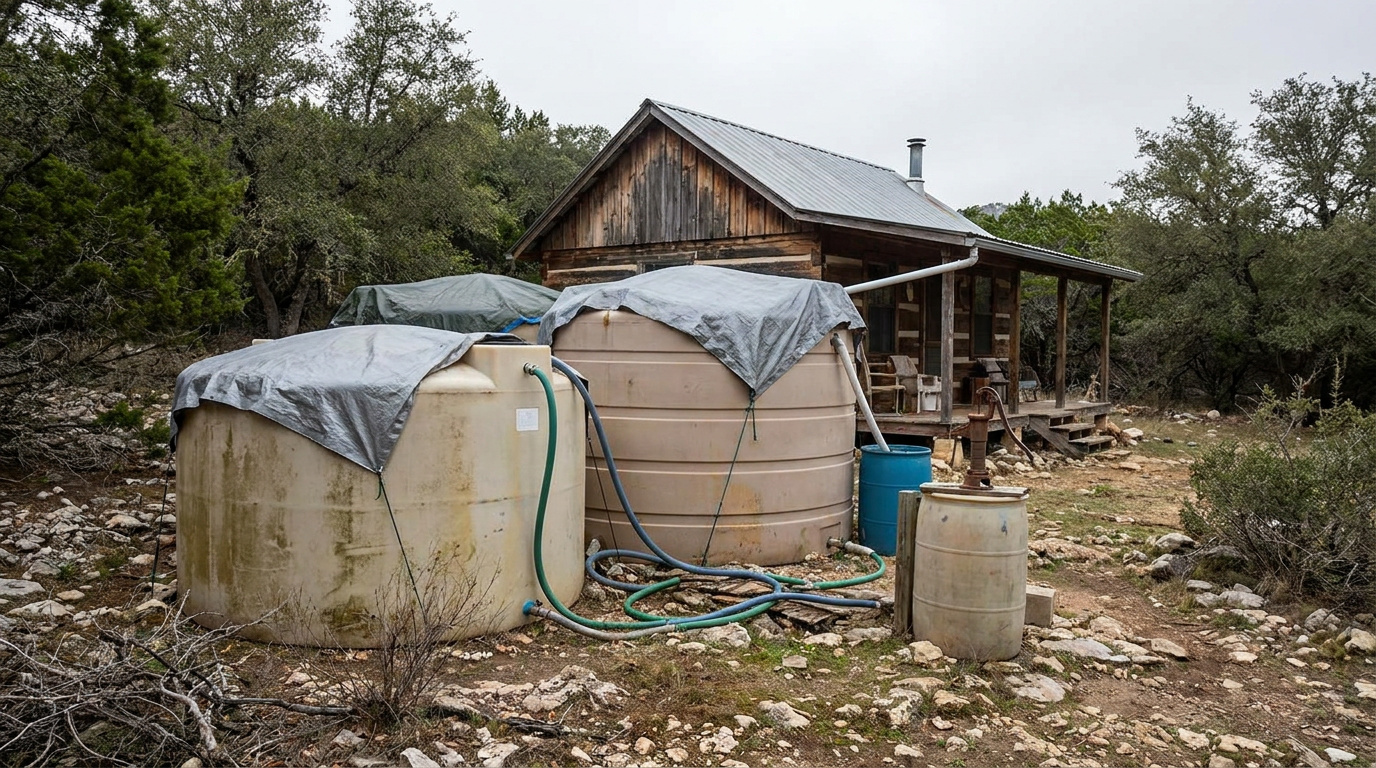
A storage tank is just one part of the puzzle. How you get water in and out is equally important.
Rainwater Harvesting Integration
If you’re relying on rainwater, you’ll need the right setup.
- Catchment Surface: Your roof is typically the primary surface. Ensure it’s made of safe materials (e.g., metal, tile, certain shingles) and kept clean.
- Gutters and Downspouts: These direct water from the roof to your storage. Keep them free of debris.
- First-Flush Diverters: These are critical. The first few gallons of rain after a dry spell wash off pollutants, leaves, and bird droppings from your roof. A first-flush diverter channels this initial dirty water away before it enters your main storage.
- Pre-Filters: Before water enters your tank, a leaf screen or sediment filter can remove larger particles, keeping your tank cleaner.
Well Water Integration
If you have an off-grid well, your storage will likely act as a buffer.
- Pump Systems: An off-grid well will need a pump, typically powered by solar, wind, or a generator.
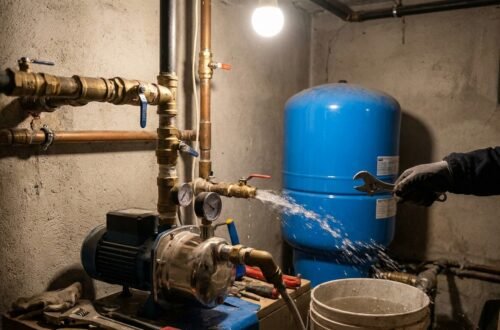
- Pressure Tanks: These smaller tanks (often 20-80 gallons) work with your pump to maintain water pressure in your plumbing system, reducing pump cycling.
- Storage Tank as Reservoir: Your main storage tank acts as a large reservoir, filled periodically by the well pump, providing a reserve even if the well pump is out of action.
Distribution Methods
Once the water is in your tank, you need to get it to where you need it.
- Gravity Feed: If your tank is elevated (e.g., on a stand or uphill), gravity can provide natural water pressure to your home or garden. This is often the most reliable and energy-efficient method.
- Pressurized Systems: For typical household pressure, you’ll need a pump (12V DC for small systems, 120/240V AC for larger systems, often solar-powered) and a pressure tank near the point of use.
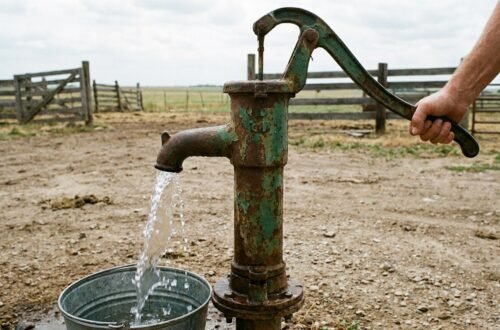
- Hand Pumps: A good backup for emergency situations, allowing you to draw water from your tank even without power.
If you’re exploring innovative solutions for off-grid water storage, you might find it beneficial to check out a related article that discusses the most economical ways to begin your off-grid living journey. This resource offers valuable insights into various strategies and tips that can complement your water storage ideas. For more information, you can read about it here.
Maintenance and Water Treatment
| Water Storage Option | Capacity | Material | Cost |
|---|---|---|---|
| Plastic Water Barrels | 55 gallons | Plastic | |
| Water Storage Tanks | 100-10,000 gallons | Plastic or Metal | |
| Rainwater Harvesting Systems | Varies | Varies | |
| Collapsible Water Containers | 5-20 gallons | Plastic or Fabric |
Storing water for extended periods requires ongoing attention to keep it safe and potable.
Regular Cleaning and Inspection
Don’t just set it and forget it.
- Tank Cleaning: Even with filters, sediment can build up over time. Periodically (e.g., every 1-3 years depending on source water quality), drain and clean your tank. Scrub the inside surfaces to remove any biofilm or residual gunk.
- Filter Maintenance: Regularly check and clean or replace pre-filters and any in-line filters. Clogged filters reduce water flow and can cause back-pressure.
- Leak Detection: Inspect your tank, connections, and plumbing for any signs of leaks. Small leaks can waste significant water and compromise water quality.
Water Purification for Potable Use
Stored water, especially rainwater, should always be treated if you plan to drink or cook with it.
- Sediment Filtration: Removes larger particles. This is a must-have for all potable water systems.
- Carbon Filtration: Excellent for removing chlorine, odors, tastes, and some chemical contaminants.
- UV Sterilization: Uses ultraviolet light to kill bacteria, viruses, and other microorganisms. This is a popular and effective method for off-grid systems.
- Chlorination: Adding a small amount of household bleach (ensure it’s unscented and pure sodium hypochlorite) can disinfect water from bacteria and viruses. Follow safe dosing guidelines carefully.
- Reverse Osmosis (RO): A more advanced and thorough purification method that removes almost all contaminants, including dissolved solids. It’s effective but produces wastewater and can be slower.
- Boiling: The simplest and most effective emergency purification method. If in doubt, boil your water for at least one minute at a rolling boil.
Winterization and Freeze Protection
If you live in a cold climate, protecting your water system from freezing is crucial.
- Burial: Underground tanks are naturally protected.
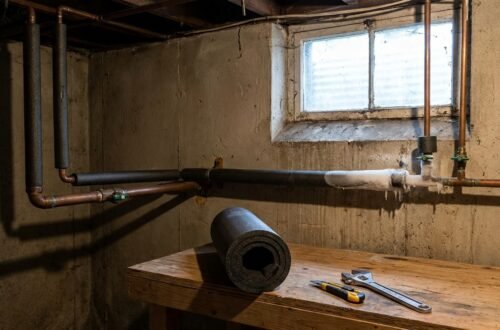
- Insulation: Above-ground tanks can be insulated, particularly pipes and external plumbing.
- Drainage: In areas with seasonal freezing, consider systems that can be easily drained for the winter months.
- Heated Enclosures: For critical components like pumps, a small insulated and heated enclosure (e.g., using a low-wattage heat lamp or pipe heater) might be necessary.
- Burying Pipes: Bury all exposed pipes below the frost line to prevent them from freezing and bursting.
If you’re exploring innovative solutions for sustainable living, you might find the article on off grid water system setup for beginners particularly insightful. It delves into various options such as tanks and barrels that can help you effectively manage your water resources. Additionally, you may want to check out related topics on rainwater harvesting systems, which can complement your off-grid setup by providing an efficient way to collect and store water.
Cost Considerations and Budgeting
Off-grid water storage can range from very cheap to a significant investment.
Initial Setup Costs
This includes the tank itself, any necessary plumbing, filters, pumps, and installation.
- Rain Barrels: $75 – $300 each.
- IBCs: $100 – $400 (new or thoroughly vetted used).
- Smaller Poly Tanks (100-500 gallons): $300 – $1,000.
- Medium-Large Poly Tanks (500-2,500 gallons): $800 – $3,000+.
- Underground Tanks: Can range from $2,000 for small plastic septic-style tanks to $10,000+ for large concrete or fiberglass.
- Accessories: Don’t forget first-flush diverters, filters (sediment, carbon, UV), pumps, pressure tanks, and all the fittings and pipes. These can easily add hundreds or even thousands to the total.
Ongoing Maintenance Costs
These are often overlooked but are important for long-term viability.
- Filter Replacements: $20 – $100+ annually, depending on the type and number of filters.
- Chemicals (e.g., chlorine): Minimal cost.
- Electricity for Pumps/UV: If your power source is solar, this is essentially free after the initial investment, but for generator reliance, fuel costs add up.
- Tank Cleaning: Can be a DIY task or a hired service, costing $100-$500 every few years.
By carefully considering your needs, researching available options, and planning for both initial setup and ongoing maintenance, you can build a reliable off-grid water storage system that provides peace of mind and essential resources for years to come.
FAQs
1. What are some off-grid water storage options for remote locations?
Some off-grid water storage options for remote locations include water tanks, rain barrels, cisterns, and portable water containers. These options allow individuals to collect and store water for various uses without relying on a centralized water supply.
2. What are the benefits of using off-grid water storage solutions?
Off-grid water storage solutions provide a reliable source of water for drinking, cooking, gardening, and other household needs, especially in remote locations where access to municipal water systems may be limited. They also offer a degree of self-sufficiency and independence from external water sources.
3. How can I maintain the quality of water stored in off-grid containers?
To maintain the quality of water stored in off-grid containers, it is important to regularly clean and sanitize the containers to prevent the growth of bacteria and algae. Additionally, using a filtration system or adding water treatment chemicals can help ensure the water remains safe for consumption.
4. What factors should I consider when choosing an off-grid water storage solution?
When choosing an off-grid water storage solution, it is important to consider the capacity of the container, the material it is made of, its durability, and its compatibility with the local climate and environmental conditions. Additionally, factors such as cost, maintenance requirements, and ease of installation should also be taken into account.
5. Are there any regulations or guidelines to follow when using off-grid water storage solutions?
Regulations and guidelines for using off-grid water storage solutions may vary depending on the location and local authorities. It is important to check with relevant government agencies or local authorities to ensure compliance with any applicable regulations, such as water storage capacity limits, water quality standards, and safety requirements.