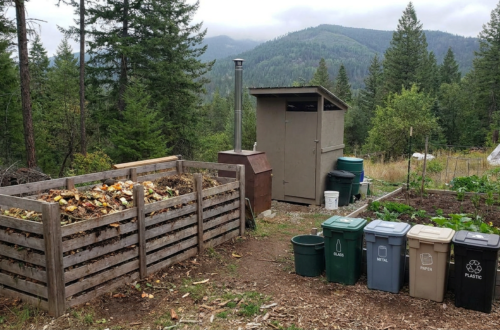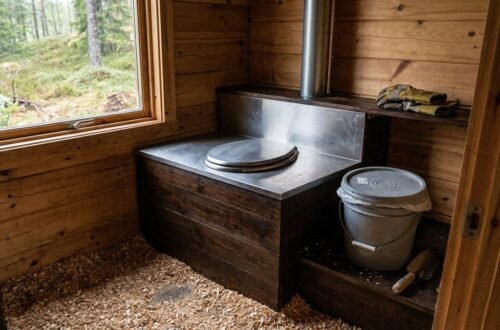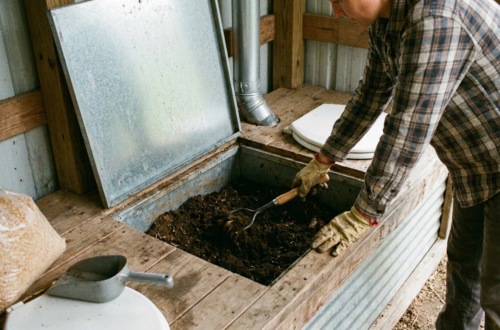
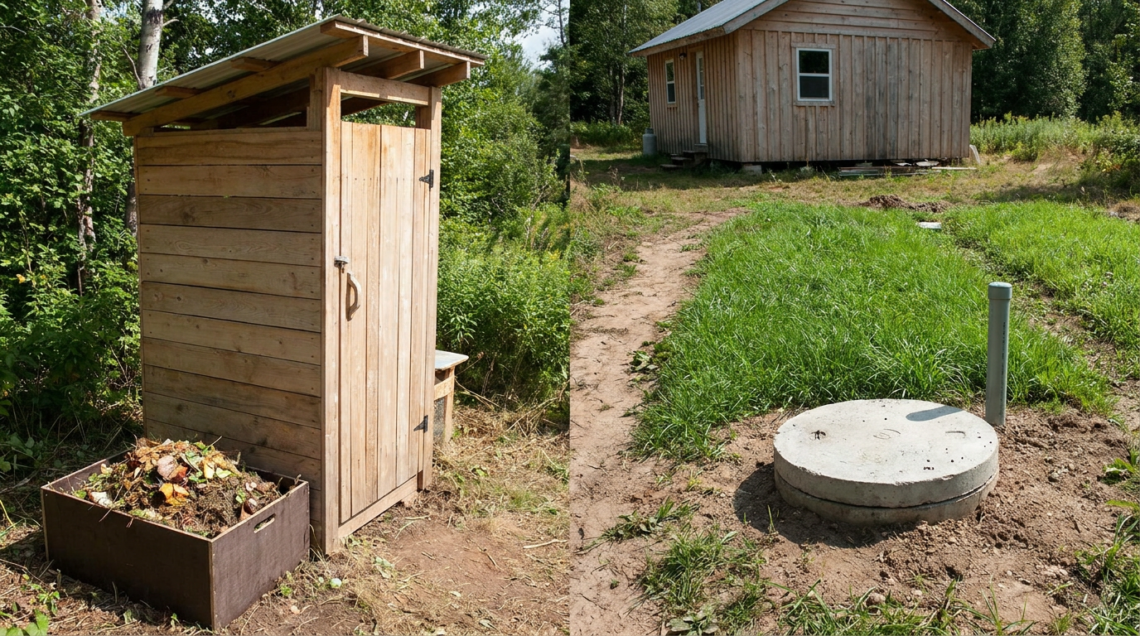
The two main contenders for off-grid waste treatment are composting toilets vs septic systems. When you’re planning an off-grid setup, one of the biggest questions that pops up sooner or later is how to manage waste. Specifically, we’re talking toilets. To cut right to the chase, for most off-grid scenarios focusing on self-sufficiency and minimal environmental impact, a composting toilet often comes out ahead due to its water-saving nature and simpler installation. However, a septic system isn’t without its merits, especially if you have ample space and consistent water availability. Let’s delve into the practicalities of each.
Composting toilets are essentially self-contained waste treatment systems that process human waste, breaking it down into a safe, usable compost-like material. They work by separating liquids from solids, introducing aerobic bacteria, and maintaining a carbon-rich environment.
Table of Contents
How They Work
It’s not as complex as it sounds. When you use a composting toilet, urine is typically diverted to a separate container or a greywater system, while solids drop into a chamber with a carbon-rich bulking agent like peat moss, coco coir, or wood shavings. A small fan often aids in aeration, which is crucial for the aerobic decomposition process and odor control.
The Magic of Aerobic Decomposition
This is where the ‘composting’ happens. Aerobic bacteria, which thrive in oxygen-rich environments, break down organic matter in human waste. This process generates heat, further accelerating decomposition and evaporating some of the liquid content. The bulking agent helps maintain the right carbon-to-nitrogen ratio and prevents compaction, allowing air to circulate.
Liquid Management
Managing liquids is a key aspect. If urine isn’t diverted, the system can become too wet, leading to anaerobic conditions, which produce unpleasant odors and hinder the composting process. Diverted urine can be safely diluted and used as a fertilizer or processed with other greywater.
Types of Composting Toilets
Not all composting toilets are created equal. There are a few main types, each with its own quirks and benefits.
Self-Contained Units
These are “all-in-one” units where the toilet bowl and composting chamber are integrated. They’re often the go-to for smaller cabins, RVs, or situations where space is limited. They require regular emptying of both the liquid and solid chambers.
Central (Split) Systems
For those looking for a more robust and less hands-on approach, central composting systems separate the toilet from the composting chamber. The chamber is often located in a basement or crawl space, with a chute leading from the toilet. This allows for a larger composting volume and less frequent emptying.
Batch Composting Toilets
These systems use multiple composting bins. When one bin is full, it’s left to compost while another is brought into use. This allows for a longer composting period, typically resulting in a more finished and safer product.
Maintenance and End Product
Maintenance is generally straightforward. It involves adding bulking material, emptying the liquid container, and eventually, removing the finished compost. The end product, often referred to as “humanure,” is a rich, soil-like material.
What to Do with the Compost
Regulations vary, but generally, it’s recommended to use the finished compost for non-edible landscaping, fruit trees, or ornamental plants. It’s safe when properly composted, but direct use on vegetables is often advised against due to perception and potential, albeit tiny, risks.
Exploring Septic Systems
A septic system is a more traditional wastewater treatment method, widely used in areas without municipal sewer lines. It involves a septic tank and a drain field (also known as a leach field).
How They Work
All household wastewater – from toilets, sinks, showers, and laundry – flows into the septic tank. Here, solids settle to the bottom, forming sludge, while lighter materials like grease and oil float to the top, forming a scum layer. Bacteria in the tank break down some of the organic matter. The liquid effluent then flows out of the tank into the drain field.
The Septic Tank
This is typically a buried, watertight container, usually made of concrete, fiberglass, or plastic. Its primary job is to hold wastewater long enough for solids and scum to separate. Baffles inside the tank prevent solids from flowing into the drain field.
The Drain Field
The drain field is a series of trenches or beds containing gravel and perforated pipes. The liquid effluent from the septic tank slowly seeps out of these pipes, filters through the gravel, and then percolates into the surrounding soil. The soil acts as a natural filter, effectively removing contaminants before the water reaches groundwater.
Types of Septic Systems
While the basic principle is the same, there are different configurations depending on soil conditions, space availability, and local regulations.
Conventional Septic System
This is the most common type, consisting of a septic tank and a gravity-fed drain field. It works well in permeable soils with ample space.
Mound Systems
If the soil is shallow, has a high water table, or is too permeable, a mound system might be necessary. This involves building an elevated bed of sand and gravel above the natural soil, through which the effluent is pumped.
Aerobic Treatment Units (ATUs)
ATUs are more advanced systems that introduce oxygen into the septic tank to accelerate the breakdown of waste. This results in a cleaner effluent, making them suitable for sites with poor soil conditions or where conventional systems aren’t feasible. They typically require more maintenance and energy.
Maintenance and Longevity
Septic systems require regular maintenance, mainly pumping the septic tank every 3-5 years, depending on household size and water usage. Neglecting maintenance can lead to costly repairs or system failure. A well-maintained system can last 20-40 years or even longer.
What to Avoid Putting Down the Drain
To prolong the life of your septic system, it’s crucial to avoid flushing non-biodegradable items (wipes, feminine hygiene products) or pouring grease, harsh chemicals, or excessive amounts of antibacterial products down the drain. These can disrupt the bacterial activity in the tank or clog the drain field.
Cost Comparison: Upfront and Long-Term
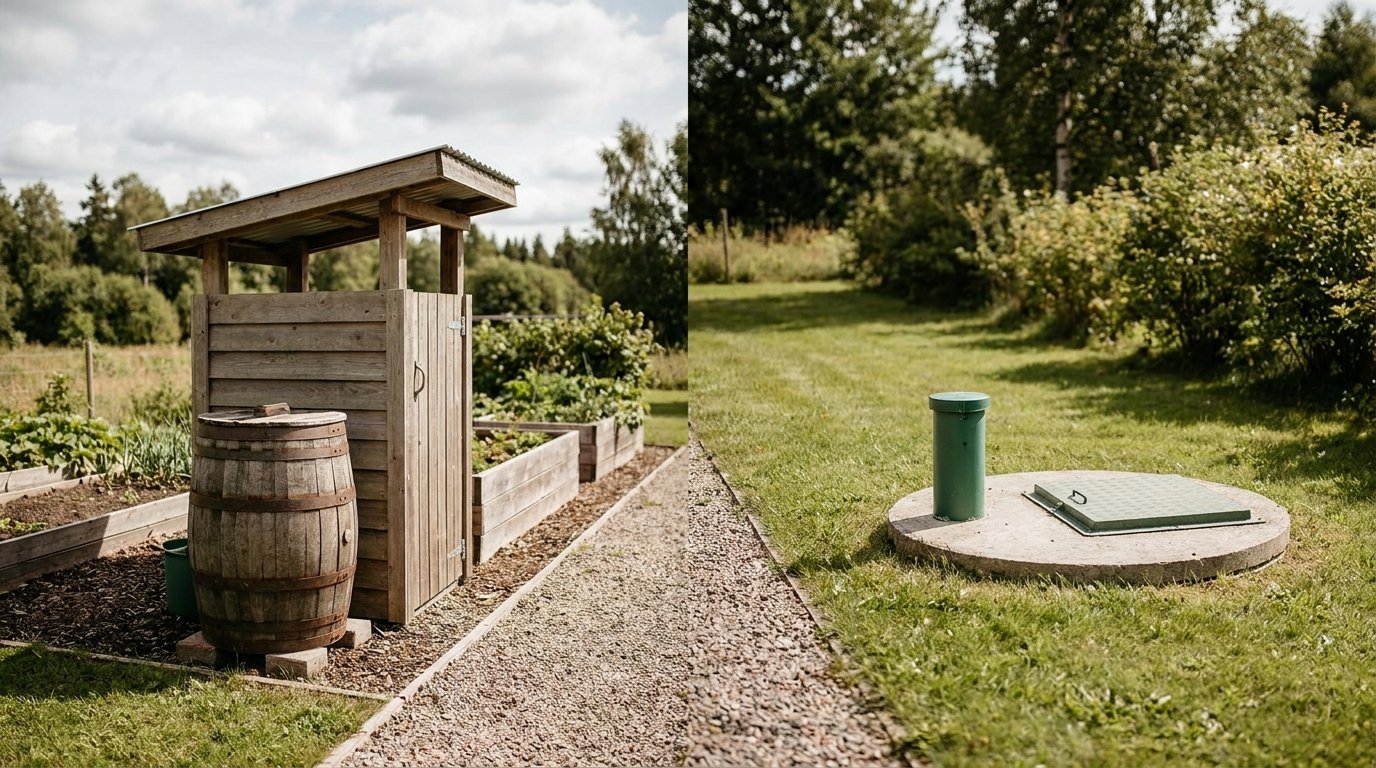
Money talks, especially when you’re building an off-grid homestead. The cost difference between these two options can be substantial.
Composting Toilet Costs
The upfront cost of a composting toilet can range widely.
Unit Purchase Price
Basic self-contained units can start from a few hundred dollars for simpler, portable models, scaling up to $1,500 – $3,000+ for high-end electric models with features like urine diversion and ventilation fans. Central composting systems can be more expensive, potentially running into several thousands of dollars, as they involve more complex installation.
Installation Costs
For self-contained units, installation is typically DIY and very straightforward – essentially plumbing a vent tube and sometimes a liquid drain. For central systems, installation can be more involved, potentially requiring professional help for piping and chamber construction, adding to the overall cost.
Ongoing Costs
Ongoing costs are relatively low. You’ll need to purchase bulking material, which is inexpensive. If you have an electric unit, the power consumption for the fan is minimal. The main “cost” is your time for maintenance.
Septic System Costs
Septic systems, especially new installations, represent a much larger initial investment.
Permitting and Design
Before you even dig, you’ll likely need permits and a site-specific design from an engineer or septic professional. This alone can cost several hundred to a few thousand dollars.
Installation Costs
Installation is the big ticket item. Depending on the system type (conventional vs. mound vs. ATU), soil conditions, and terrain, installation for a complete septic system can range from $10,000 to $30,000 or even more, especially for complex or difficult sites. This includes excavation, tank purchase, drain field materials, and labor.
Ongoing Costs
Maintenance costs for a septic system involve regular pumping (every 3-5 years, $300-$600 per pump) and potential repairs. ATUs will also have electricity costs and might require more frequent maintenance by a certified technician.
Environmental Footprint and Resource Usage
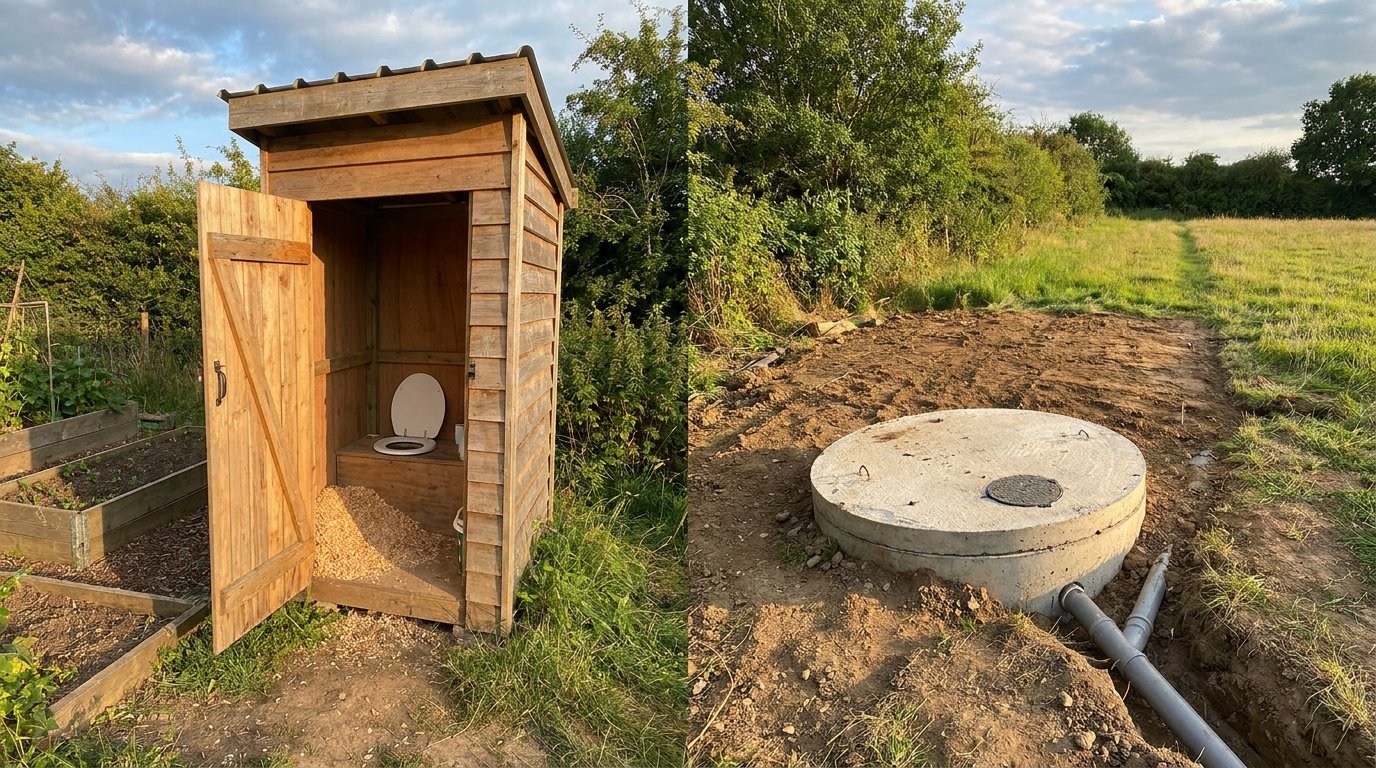
For off-gridders, minimizing environmental impact and conserving resources are often primary motivators.
Composting Toilet Impact
Composting toilets are excellent for water conservation and nutrient cycling.
Water Savings
This is arguably their biggest environmental benefit. They use little to no water for flushing, drastically reducing household water consumption, which is critical for off-grid living where water sources might be limited.
Nutrient Cycling
They transform human waste into a beneficial soil amendment, returning nutrients to the earth rather than discharging them into water systems. This closes the loop on nutrient management.
Reduced Pollution
By eliminating the discharge of wastewater, composting toilets prevent potential groundwater and surface water contamination, which can be an issue with failing septic systems.
Septic System Impact
While effective, septic systems do have a different environmental footprint.
Water Usage
Septic systems require significant amounts of water for flushing and household use. This can put a strain on limited water sources and creates a large volume of wastewater that needs treatment.
Potential for Contamination
A properly functioning septic system treats wastewater effectively. However, a failing system (due to poor design, improper installation, or lack of maintenance) can lead to raw or inadequately treated sewage contaminating groundwater, wells, and surface waters, spreading pathogens and excess nutrients.
Energy Consumption
Conventional septic systems are mostly passive, but ATUs require electricity for aeration. Pumping the tank also requires energy.
When considering the best waste management solution for off-grid living, many people find themselves weighing the pros and cons of a composting toilet versus a septic system. For those interested in exploring this topic further, a related article on sustainable living practices can provide valuable insights. You can read more about effective off-grid solutions in this informative piece, which discusses various eco-friendly options that complement both composting toilets and septic systems.
Installation and Maintenance Challenges
| Comparison Factor | Composting Toilet | Septic System |
|---|---|---|
| Installation Cost | Low | High |
| Maintenance | Regular emptying of compost | Periodic pumping and maintenance |
| Water Usage | Minimal | Requires water for flushing |
| Environmental Impact | Low impact, produces compost | Requires chemicals and energy for processing |
| Space Requirement | Compact, suitable for small spaces | Requires larger space for leach field |
The practicalities of setting up and maintaining each system differ significantly.
Composting Toilet Ease-of-Use
Generally, composting toilets are simpler to install for a DIY enthusiast, but require a bit more hands-on interaction during use.
Installation Considerations
For self-contained units, it’s mostly about placing the unit, running a vent pipe (crucial for odor control), and sometimes a liquid drain hose. Central systems are more complex, akin to a plumbing project.
User Experience and Odor Control
Modern composting toilets, especially those with good ventilation, are surprisingly odor-free. The key is proper liquid separation, adequate bulking material, and good airflow. If you smell anything, it usually points to an issue with the carbon-to-nitrogen ratio or ventilation.
Emptying and Management
The main maintenance task is emptying the solid chamber and managing the liquid waste. This involves physically transferring the composted material, which some people find unpleasant, though it’s typically an odorless, soil-like substance.
Septic System Complexities
Septic systems are largely out of sight, out of mind, but their installation is a major undertaking.
Permitting and Regulations
Installing a septic system involves navigating local health department regulations and obtaining permits, which can be a lengthy and sometimes restrictive process depending on your location and soil conditions.
Site Assessment and Soil Perks
A crucial step is a professional site assessment, including a “perc test” (percolation test) to determine how well the soil absorbs water. This dictates the size and type of drain field required. Not all properties are suitable for a conventional septic system.
Professional Installation
Due to the complexity of design, excavation, and strict regulations, septic systems almost always require professional installation, often by licensed contractors. This ensures compliance and proper function.
When considering the best waste management solutions for off-grid living, many people weigh the benefits of composting toilets against traditional septic systems. For those interested in optimizing their water usage alongside waste management, exploring an off-grid water system can be incredibly beneficial. You can find valuable insights on setting up such a system in this related article on off-grid water systems, which complements the discussion on composting toilets and septic systems by highlighting how effective water management can enhance your overall off-grid experience.
Lifestyle and Practical Considerations for Off-Grid Living
Finally, how do these systems fit into the day-to-day realities of off-grid life?
Composting Toilets and Off-Grid Lifestyle
They align very well with the core principles of off-grid living.
Water Independence
Their waterless operation significantly reduces reliance on external water sources, making them ideal for properties with limited well capacity or rainwater harvesting systems.
Resourcefulness and Self-Sufficiency
Embracing a composting toilet means actively participating in the waste cycle, turning a “waste product” into a useful resource, which resonates with many self-sufficiency goals.
Space Considerations
Self-contained units are compact and can fit into small bathrooms or cabins. Central systems require a bit more planning but allow the toilet itself to be as small as a conventional unit.
Septic Systems and Off-Grid Lifestyle
While less “off-grid” in some respects, they can work if conditions are right.
Higher Water Demand
If your off-grid setup has a robust and reliable water source (e.g., a very good well or a large rainwater collection system), then a septic system becomes more feasible. It allows for conventional flushing and typical household water use.
Familiarity and Comfort
Some people prefer the familiarity and comfort of a conventional flush toilet. If you’re transitioning to off-grid living, a septic system can make that aspect feel less foreign.
Property Size and Soil Quality
To install a septic system, you need a certain amount of usable land for the drain field, and the soil needs to have appropriate absorption qualities. Smaller properties or those with challenging soil may rule out a septic system.
Ultimately, the choice between a composting toilet and a septic system for your off-grid setup boils down to a balance of initial cost, long-term maintenance, water availability, property characteristics, and your personal comfort level with hands-on waste management. Composting toilets offer unparalleled water savings and nutrient cycling, making them a strong contender for truly sustainable off-grid living. Septic systems, while more expensive and water-intensive, provide a familiar experience and can be a good choice if you have the resources and suitable land.
FAQs
What is a composting toilet?
A composting toilet is a waterless toilet system that uses natural processes to break down human waste into compost. It typically uses organic materials such as sawdust or peat moss to aid in the decomposition process.
What is a septic system?
A septic system is a traditional wastewater treatment system that uses a large underground tank to collect and decompose human waste. The waste is broken down by bacteria and then the liquid effluent is dispersed into the soil through a drain field.
How do composting toilets and septic systems differ in terms of installation and maintenance?
Composting toilets are generally easier to install and require less maintenance compared to septic systems. Composting toilets do not require a large underground tank or drain field, making them more suitable for off-grid or remote locations.
What are the environmental benefits of composting toilets compared to septic systems?
Composting toilets are more environmentally friendly than septic systems as they use little to no water and produce compost that can be used as a soil amendment. In contrast, septic systems require a significant amount of water and can potentially leach harmful chemicals into the soil and water supply.
What are the considerations for choosing between a composting toilet and a septic system for off-grid living?
When choosing between a composting toilet and a septic system for off-grid living, factors to consider include water usage, space availability, maintenance requirements, and environmental impact. Composting toilets may be more suitable for off-grid living due to their lower water usage and simpler installation and maintenance.