So, the power’s out, and your fridge is starting to feel more like a warmer than a cooler. Don’t panic! Keeping food cold without electricity is totally doable with a little know-how and some smart preparation. It’s not as complicated as you might think, and a lot of it comes down to understanding a few basic principles.
Table of Contents
The Science of Staying Cool
At its heart, keeping things cold is about slowing down the rate at which heat enters your food. Think of it like trying to keep a drink cold on a hot day – you’d wrap it in something, right? That’s the general idea. We’re aiming to create a barrier against the warmer outside air and, where possible, introduce something that’s already cold to absorb the heat. The key is insulation and using natural cooling methods.
If you’re interested in learning more about sustainable living practices, you might find the article on how to keep food cold without electricity particularly useful. It provides various methods and tips for preserving food in off-grid situations. For additional insights on related topics, check out this informative piece on off-grid living and its benefits at Off Grid Lore.
Essential Strategies: What You Need to Have Ready
Before the power even flickers, having a few key items on hand can make a world of difference. It’s about being proactive so you’re not scrambling when the lights go out.
Pre-Cooling is Key
This is your first line of defense.
Chill Your Freezer and Fridge Thoroughly
The colder your appliances are before the power goes out, the longer they’ll hold that temperature. Make sure your freezer is packed as full as possible. The frozen items will act as ice packs for each other. If your freezer isn’t completely full, fill any empty space with water bottles or jugs, as these will freeze and help maintain the cold. Do the same for your refrigerator – make sure it’s as cold as it can get.
Ice is Your Best Friend
This might sound obvious, but having a good supply of ice is crucial.
Make Ice in Advance
Fill ice cube trays and ice bags well in advance of any potential outage. If you have a chest freezer, it’s ideal for storing large quantities of ice. Consider buying block ice, as it melts much slower than crushed ice and will last longer.
Re-use Melted Ice
Don’t just pour out the water when your ice melts! Use it to keep other containers of food cold. You can refreeze it if the power comes back on, or use it to pre-chill drinks or other items.
Embrace the Cooler/Ice Chest
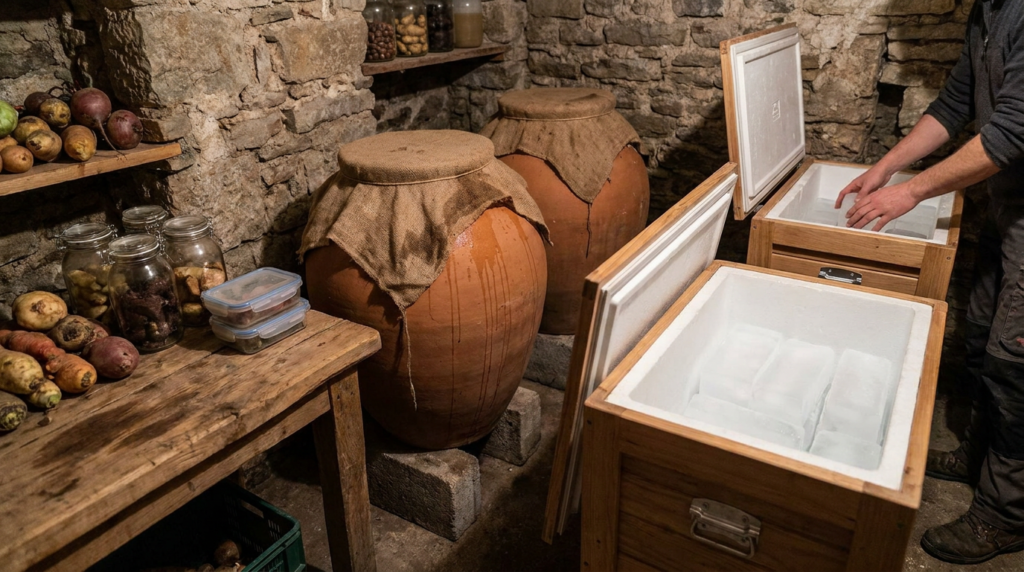
This is your portable cold storage solution.
Invest in Quality Coolers
A well-insulated cooler is a lifesaver. Look for ones with thick walls and a tight-fitting lid. The better the insulation, the longer your ice will last and the colder your food will stay.
Pack Smart, Pack Tight
When packing your cooler, layer it strategically. Start with a layer of ice and then add your food items. Top with more ice, ensuring there are no air pockets. You can use frozen water bottles or jugs as ice packs to prevent them from leaking water as they melt.
Use Dry Ice for Longer Storage
If you anticipate a prolonged outage, consider sourcing dry ice. It’s significantly colder than water ice and will last much longer. However, it requires careful handling due to its extreme cold and you need to ensure good ventilation as it releases carbon dioxide gas. Never store dry ice in an unventilated space.
Keep the Lid Shut!
This is the golden rule of coolers. Every time you open that lid, you’re letting warm air in and cold air out. Resist the urge to peek. Plan your food items so you know exactly what you need before you reach in.
Creative Cooling Methods: Beyond the Cooler
When your standard equipment is maxed out or unavailable, it’s time to get a little creative. Nature and a few clever tricks can help.
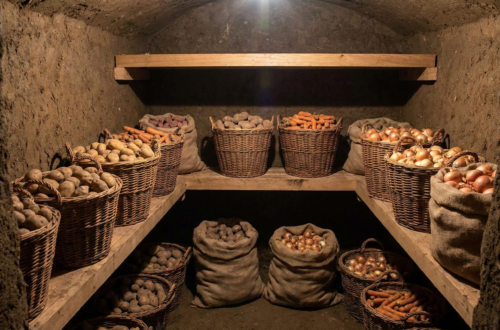
The Root Cellar Approach (Even Without a Root Cellar)
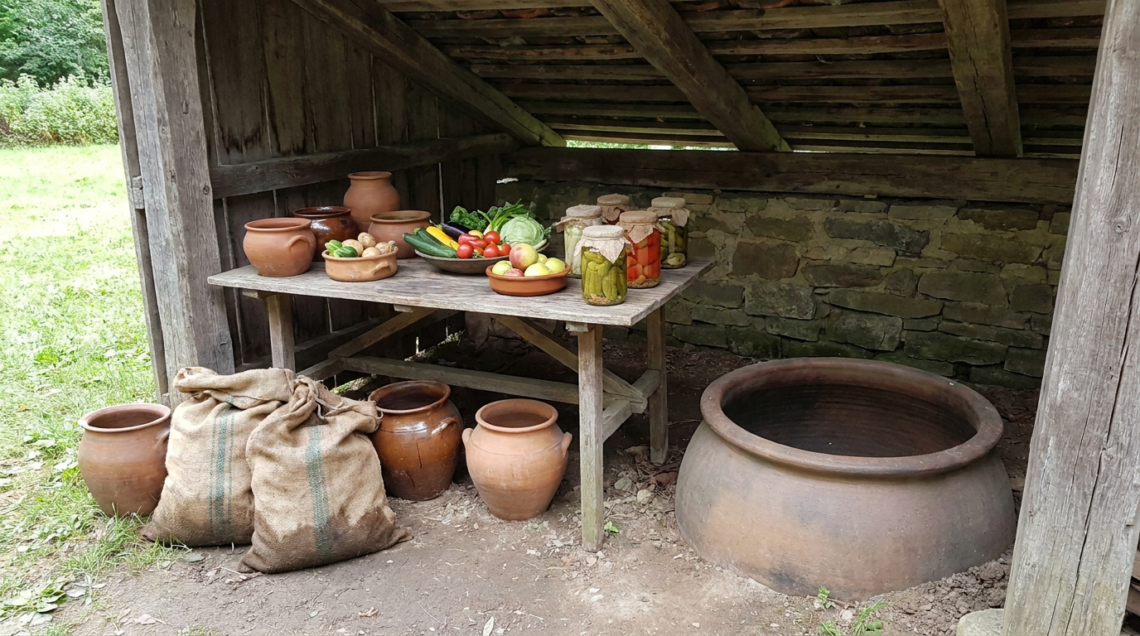
Historically, people relied on underground storage for keeping food cool. You can replicate some of that effect above ground.
Utilize Basements and Cellars
If you have a basement or cellar, it’s likely cooler than the rest of your house, especially if it’s unfinished. Move your perishables down there, ideally in sealed containers to protect them from moisture and pests. The cooler temperature will help slow down spoilage.
Dig a Makeshift Cool Pit
In a pinch, if you have a yard and no basement, you can dig a hole in the ground, place your food in a waterproof container, and bury it. Cover it with soil and then with a damp cloth or burlap sack. This creates a naturally cooler environment. Make sure the container is completely sealed to prevent contamination.
The “Evaporative Cooling” Trick
This relies on the principle that water absorbs heat as it evaporates.
Damp Cloth and Airflow
Wrap containers of food, especially fruits and vegetables, in damp cloths or burlap sacks. Place them in a well-ventilated area. As the water evaporates from the cloth, it will draw heat away from the food. This works best in dry, breezy condit
Water Bath Method
For items like jars of milk or other liquids, you can place them in a larger container filled with cold water. This water bath helps to keep the contents of the jars cool. If you can add ice to the water bath, even better.
Smart Food Storage: What to Eat and How
Not all foods are created equal when the power is out. Some are far more resilient than others.
Prioritize Perishables First
The clock starts ticking faster for certain foods.
Know What’s Most Vulnerable
Your highest risk items are dairy products, cooked meats, seafood, and anything with mayonnaise. These should be consumed first. If your refrigerator temperature rises above 40°F (4°C), these items become unsafe much faster. Use a thermometer to keep an eye on your fridge temperature if possible.
The “Danger Zone” is Real
Keep food out of the “danger zone” – the temperature range between 40°F (4°C) and 140°F (60°C) where bacteria multiply rapidly. Perishable foods should not be left in this temperature range for more than two hours (or one hour if the ambient temperature is above 90°F/32°C).
Color-Coding Your Food Plan
A simple system can help. Designate your most perishable items to be eaten first, then move to less perishable items. Think of it as a color-coded system: red for “eat immediately,” yellow for “eat within a day or two,” and green for “longer lasting.”
Embrace Shelf-Stable Options
These don’t need refrigeration and can be your fallback.
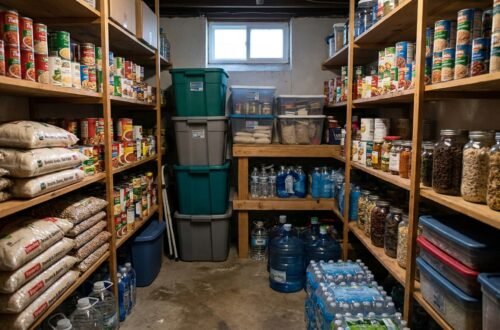
Stock Up on Canned Goods
Canned fruits, vegetables, meats, and fish are your best friends during an outage. They have a long shelf life and require no refrigeration. Just remember to have a can opener!
Pouched and Dried Foods
Look for retort pouches of fruits, vegetables, and meats, as well as dried goods like pasta, rice, and beans. These are lighter than canned goods and just as shelf-stable.
Other Long-Life Staples
Don’t forget items like peanut butter, honey, jam, crackers, and jerky. These can provide essential sustenance and don’t require any cooling.
Keeping the Cold In: Maximizing Your Resources
Once you’ve packed your coolers and implemented your creative cooling solutions, the key is to maintain the cold for as long as possible.
Minimize Door Openings
This applies to your fridge, freezer, and coolers.
Plan Your Access
Before you open any door, know exactly what you need. Have a mental list or a written one. Every second the door is open, precious cold air escapes.
Designate a Cooler for Drinks
Keep a separate cooler for drinks. People tend to grab drinks more frequently, and opening a separate cooler means your food stays colder.
Keep Appliances Full
As mentioned earlier, a full freezer and a well-packed refrigerator will retain cold air longer. If you don’t have enough food to fill them, use water bottles or jugs as previously suggested.
Monitor Temperatures
If possible, use a refrigerator/freezer thermometer. This will give you an objective measure of how cold your food is and help you decide when something is no longer safe.
Cover Items Properly
Ensure all food items are well-covered in your refrigerator and coolers to prevent odor transfer and to help maintain their internal temperature. Use airtight containers or heavy-duty plastic wrap.
What to Do When the Power Returns
Don’t just blindly restock your fridge. A quick inspection is vital.
The Temperature Check is Non-Negotiable
This is the most critical step.
40°F Rule of Thumb
As a general guideline, perishable foods can be safely refrozen or cooked if the refrigerator or freezer has maintained a temperature of 40°F (4°C) or below. Use your thermometer to verify.
When in Doubt, Throw it Out
This is a saying for a reason. If you have any doubt about the safety of a food item, it’s better to be safe than sorry. Illness from spoiled food is not worth the risk.
Look for Subtle Signs
Beyond temperature, look for any signs of spoilage. Does the food have an unusual odor, color, or texture? Is the packaging bulging (especially for canned goods)? These are all red flags.
Examine Frozen Foods
Frozen foods can be refrozen if they still contain ice crystals or are still at 40°F (4°C) or below. However, the quality may be affected. Foods that have completely thawed and remained at room temperature for an extended period should be discarded.
Refrigerator Contents
If the power has been out for four hours or less, keep the refrigerator doors closed and the food should be safe. If it’s been longer than four hours, check the temperature. If it’s above 40°F (4°C), discard certain items as mentioned above.
By understanding these principles and having a few key items in your preparedness kit, you can navigate a power outage with confidence, keeping your food cold and your family safe without relying on electricity. It’s all about being prepared and using a bit of common sense!
FAQs
1. Why is it important to keep food cold without electricity?
It is important to keep food cold without electricity to prevent spoilage and foodborne illness. Without proper refrigeration, perishable foods can quickly become unsafe to eat.
2. What are some methods for keeping food cold without electricity?
Some methods for keeping food cold without electricity include using coolers with ice or frozen gel packs, burying food in the ground, utilizing natural water sources, and using insulated containers.
3. How long can food stay cold without electricity?
The duration that food can stay cold without electricity depends on the method used and the surrounding temperature. Generally, food can stay cold for a few hours to a few days using the aforementioned methods.
4. What types of food are most important to keep cold without electricity?
Perishable foods such as meat, dairy products, eggs, and leftovers are most important to keep cold without electricity. These foods are more susceptible to spoilage and bacterial growth at higher temperatures.
5. What are some tips for keeping food cold during a power outage?
Some tips for keeping food cold during a power outage include keeping the refrigerator and freezer doors closed as much as possible, using insulated blankets or towels to cover the appliances, and transferring perishable items to coolers with ice or frozen gel packs.