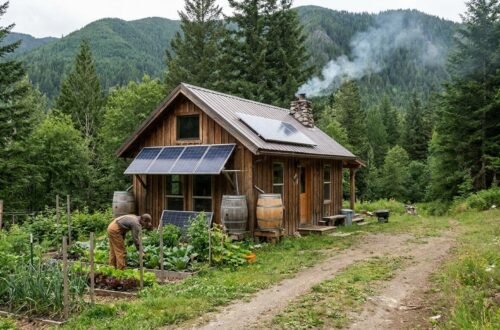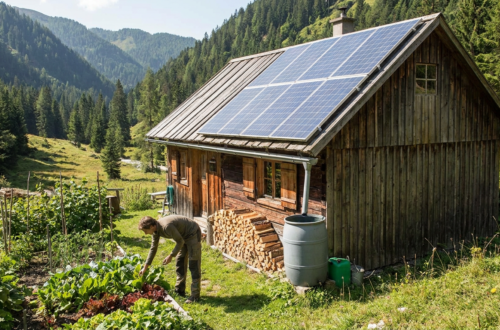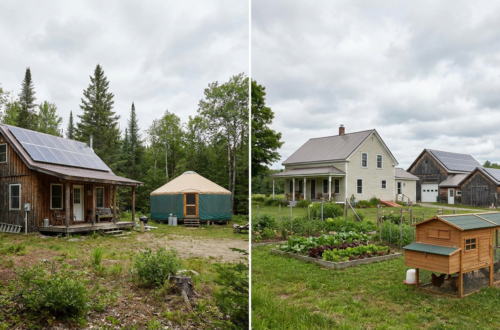
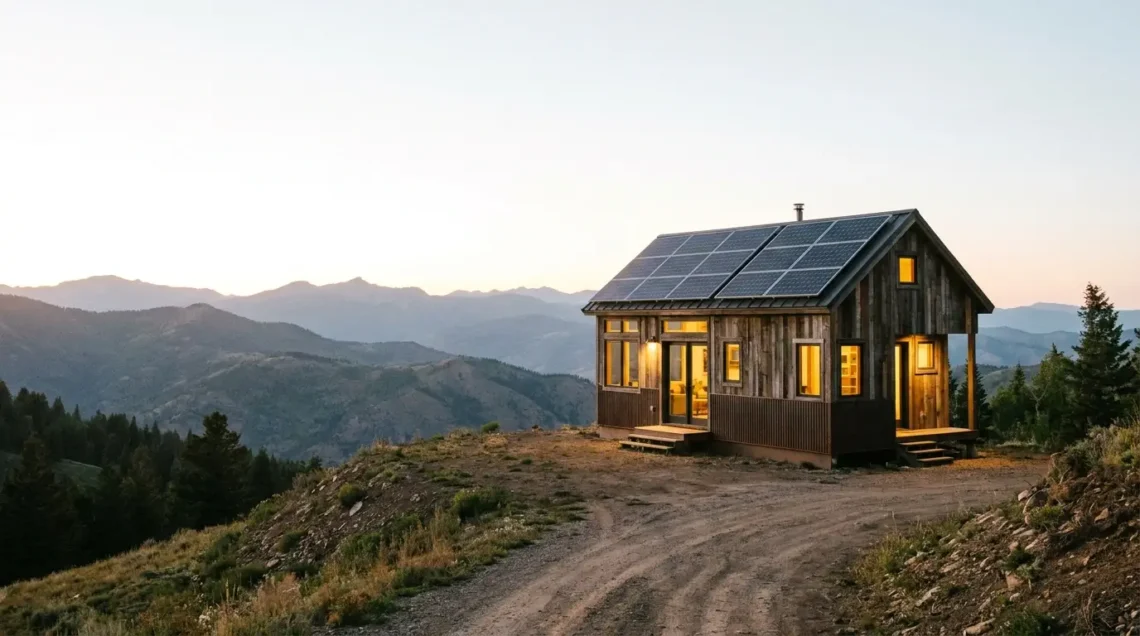
Tiny house living doesn’t mean giving up modern comforts, but it does require rethinking how you handle essential systems. Whether you’re planning to park your compact home on rural land or simply want the freedom to disconnect from utilities, setting up reliable off-grid infrastructure is the foundation of successful tiny house living. The good news? By using the correct method, it is possible to design systems that function smoothly and efficiently, taking up much less space compared to conventional houses.
Successfully setting up a small house for living off the grid requires three connected systems: generating and storing electrical power, finding and filtering water, and managing waste. Each system must be carefully sized to match your space constraints and energy demands while maintaining reliability year-round. The compact footprint of a tiny home actually works to your advantage here, as you’ll need less power for heating and cooling, smaller water storage tanks, and simplified waste solutions compared to conventional dwellings.
Designing Your Off-Grid Power System
Solar panels remain the most practical power solution for tiny houses, offering quiet operation and minimal maintenance.Most small homes operate effectively with a solar power capacity ranging from 800 to 1,600 watts, which is determined by the amount of electricity they require. Start by calculating your daily energy consumption in watt-hours, then work backward to determine panel and battery sizing. A typical setup includes roof-mounted panels, a charge controller, battery bank, and inverter to convert DC power to AC for standard appliances.
Battery selection makes a significant difference in system performance and longevity. Lithium iron phosphate (LiFePO4) batteries cost more upfront but deliver superior cycle life and depth of discharge compared to lead-acid alternatives. For a tiny house, a battery bank storing 5 to 10 kilowatt-hours provides adequate backup for cloudy days while fitting in minimal space. Consider vertical mounting options or under-floor storage to maximize living area.
Calculating Your Power Needs
Before purchasing components, audit every device you’ll power regularly. LED lights consume just 10-15 watts, while a laptop draws 50-75 watts and a small refrigerator runs at 100-150 watts. Use actual measurements with a watt meter rather than nameplate ratings, as real-world usage often differs. Total your daily watt-hours, then add 25% for conversion losses and future expansion.
A well-designed solar system must accommodate seasonal variations in sunlight. Winter months may deliver only 40-50% of summer production in northern climates, so size your array accordingly. Additionally, angle panels at your latitude plus 15 degrees to optimize winter performance when you’ll rely most heavily on stored power. Check out our solar system setup guide for detailed calculations tailored to your region.
Choosing Between System Voltages
Tiny houses typically use 12V or 24V systems, though 48V offers advantages for larger setups. Lower voltages mean thicker wiring to handle current, but 12V components are widely available and affordable. The decision often comes down to inverter size—systems over 2,000 watts generally benefit from 24V or 48V configurations to reduce cable costs and improve efficiency. Our guide on comparing 12V vs 24V vs 48V systems provides detailed analysis for making this choice.
Water Sourcing and Storage Solutions
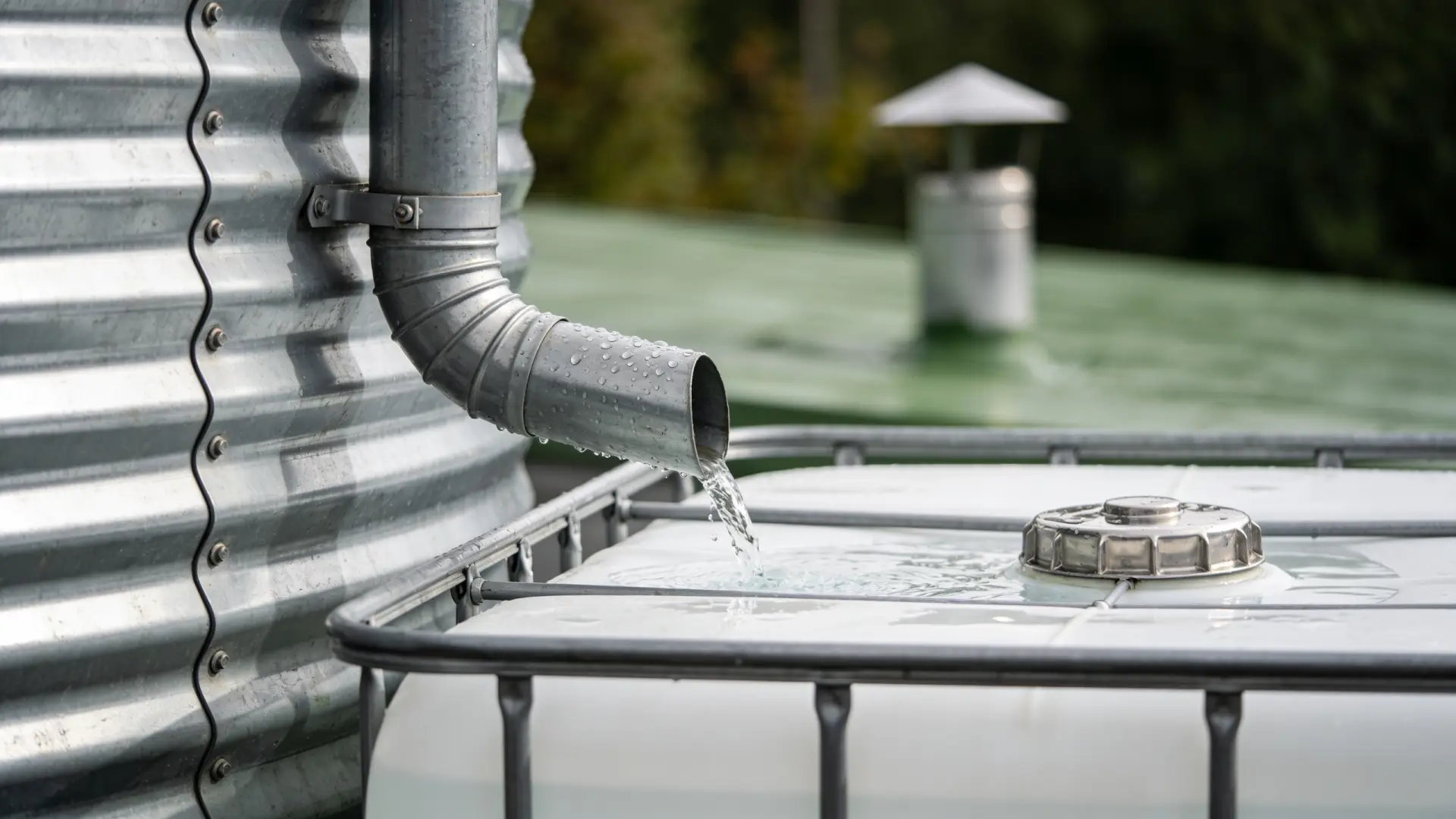
Water independence requires both a reliable source and adequate storage capacity. The most common options include rainwater harvesting, well drilling, or hauling water to tanks. Rainwater collection works exceptionally well for tiny houses, as even a modest 200-square-foot roof can capture over 120 gallons during a one-inch rainfall. However, this approach requires backup plans for extended dry periods, particularly in arid regions.
Storage tanks should hold at least one week’s worth of water, with two weeks providing comfortable margin. Assuming 15-20 gallons per person daily for drinking, cooking, and washing, a couple would need 210-280 gallons minimum. Food-grade polyethylene tanks fit easily under tiny houses on trailers or beside stationary builds. Remember to account for freezing temperatures with insulation or interior placement in cold climates.
Rainwater Harvesting Basics
A functional rainwater system includes gutters, first-flush diverters, filters, and storage. First-flush diverters automatically discard the initial runoff that washes debris from your roof, dramatically improving water quality. Install 200-micron mesh filters before the tank, then add sediment and carbon filters at the point of use. For drinking water, UV sterilization or a high-quality filtration system ensures safety. Check out our complete rainwater harvesting guide for detailed setup instructions.
Alternative Water Sources
Wells provide consistent supply but require significant upfront investment, typically $3,000 to $10,000 depending on depth and local geology. Moreover, you’ll need electricity to run the pump, adding complexity to your power budget. Hauling water offers the simplest starting point—invest in two 50-gallon tanks so you always have one full backup. Transport costs remain manageable if you’re near municipal fill stations or natural springs. Our article comparing well water versus rainwater helps determine which suits your situation best.
Water Filtration and Purification
Even pristine-looking water requires treatment before consumption. A multi-stage filtration system removes sediment, chemicals, and biological contaminants. Start with a 5-micron sediment filter, follow with activated carbon to eliminate odors and chlorine, then finish with a 0.2-micron absolute filter for bacteria and protozoa. UV sterilizers add an extra safety layer without chemicals or changing water taste. Budget $300-800 for a complete system, with annual filter replacements costing $100-200 depending on water volume and quality.
| Water Source | Initial Cost | Ongoing Maintenance | Best For |
|---|---|---|---|
| Rainwater | $500-2,000 | Filter changes, tank cleaning | Areas with regular rainfall |
| Well | $3,000-10,000 | Pump maintenance, testing | Permanent installations |
| Hauled Water | $200-500 | Transport time and fuel | Mobile or temporary setups |
| Spring/Stream | $1,000-3,000 | Filter changes, line inspection | Properties with natural sources |
Waste Management for Tiny Spaces
Handling human waste without municipal sewers requires either composting toilets or septic systems. Composting toilets win hands-down for tiny houses, offering installation simplicity, zero water consumption, and complete portability. These units separate liquid and solid waste, using ventilation and composting media to break down solids naturally. Modern composting toilets produce no odor when properly maintained and require emptying only every 4-8 weeks for two people.
Quality composting toilets range from $900 to $2,500, with popular models including Nature’s Head, Separett Villa, and Air Head. The key difference lies in capacity and ventilation design. Active ventilation models use small fans to draw air through the unit, virtually eliminating any smell. Passive designs cost less but may require more frequent maintenance in humid climates. Installation involves securing the toilet to the floor and running a vent pipe through the roof or wall.
Composting Toilet Maintenance
Successful composting toilet operation depends on moisture balance and proper ventilation. Add coconut coir or peat moss to the solids bin after each emptying—these bulking agents absorb moisture and promote aerobic decomposition. Empty the liquid tank every few days, diluting urine for garden use or disposing according to local regulations. The solids container needs emptying monthly, with contents going into a secondary compost bin to finish breaking down before use as fertilizer. For step-by-step instructions, reference our guide on safely emptying composting toilets.
Greywater Management
Kitchen and shower water requires separate handling from blackwater. Simple greywater systems filter water through gravel beds or constructed wetlands, allowing reuse for irrigation. A tiny house generates 15-30 gallons of greywater daily per person, so plan appropriate drainage that meets local codes. Some jurisdictions allow simple mulch basins around trees, while others mandate more complex treatment systems. Minimize greywater contaminants by using biodegradable soaps and avoiding food scraps in drains.
Winter in freezing climates presents particular challenges for greywater management. Options include insulated holding tanks with periodic hauling, heated drainage lines to leach fields, or temporarily storing greywater for disposal at dump stations. Many tiny house dwellers reduce winter water consumption significantly to minimize greywater challenges. Our article on comprehensive waste management options covers seasonal strategies in detail.
Integrating All Three Systems
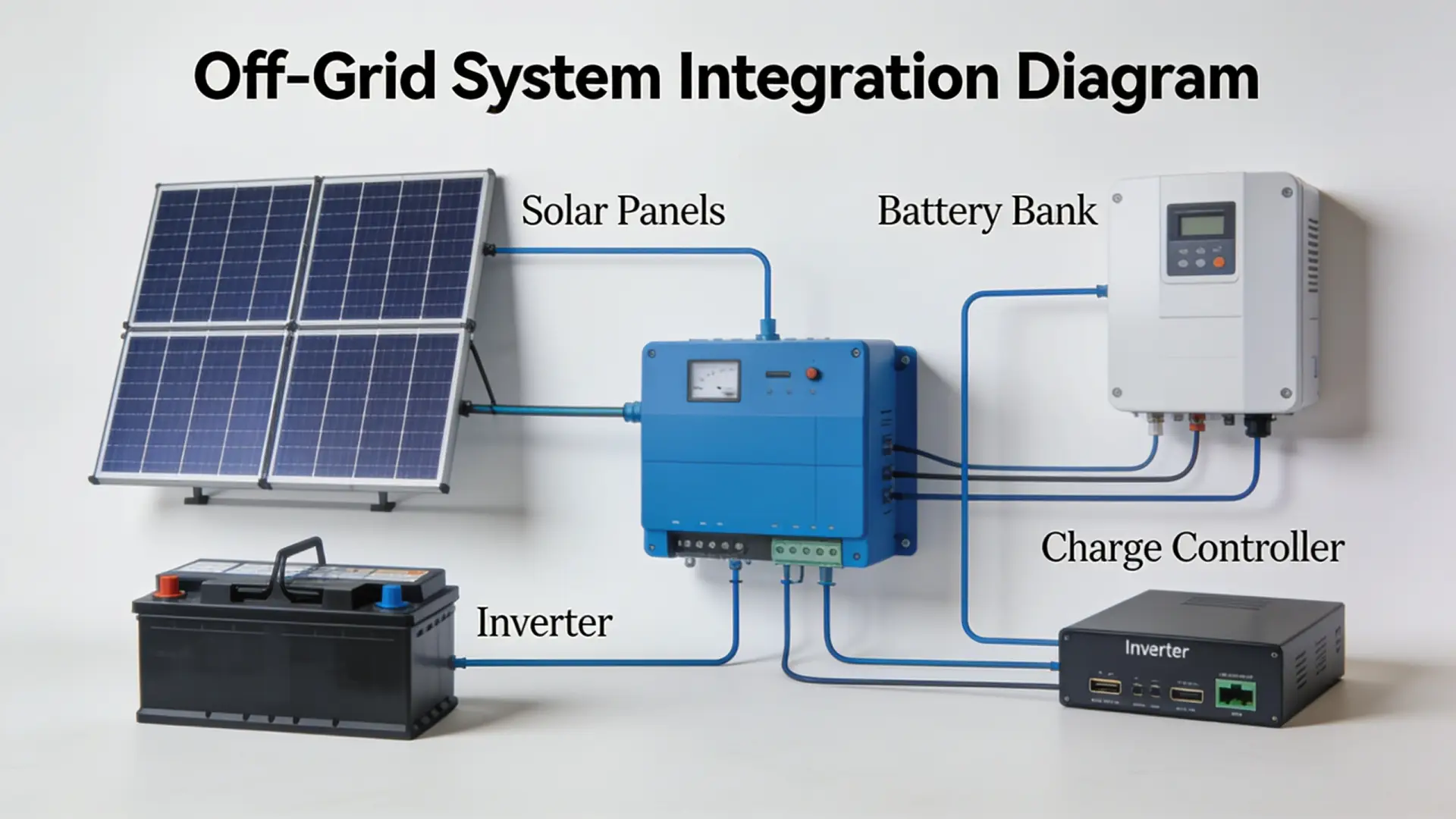
The three core systems interconnect more than initially apparent. Your power system must accommodate water pumps and toilet ventilation fans. Water availability affects waste processing, as some composting toilets benefit from occasional rinsing. Furthermore, energy efficiency in one area creates capacity for others—LED lights free up power for water pressure pumps, while water-conscious fixtures reduce pump runtime.
Design your layout to cluster plumbing and electrical runs, minimizing wire and pipe lengths. Position water tanks near the bathroom and kitchen to reduce pump requirements. Locate battery banks in temperature-stable areas, ideally where you can monitor charge levels easily. Solar panels need southern exposure free from shade, which may determine where you position your tiny house on your property.
Climate Considerations
Regional climate dramatically impacts system design. Hot, arid locations require larger water storage and minimal heating loads but maximum solar production. Cold climates demand robust battery heating, frozen pipe prevention, and potentially backup power sources. Humid areas present mold concerns that affect ventilation needs and composting toilet performance. Research local conditions thoroughly before finalizing specifications. If you’re still evaluating where to locate your tiny house, our guides on the best states for off-grid living and choosing suitable land provide valuable starting points.
Cost Breakdown and Budgeting
Expect to invest $8,000 to $15,000 for complete off-grid systems in a tiny house, with variations based on quality and capacity. Solar power typically consumes the largest portion at $4,000-8,000 for a quality system. Water infrastructure runs $1,500-4,000 including tanks, filtration, and collection equipment. Waste management adds $1,000-2,500 for a composting toilet and greywater handling. These figures assume DIY installation, which is feasible for handy individuals but not recommended for electrical work requiring permits.
Breaking down costs further helps with budgeting decisions. Solar panels themselves cost $0.50-1.00 per watt, so an 1,200-watt array runs $600-1,200. However, balance of system components—charge controller, inverter, batteries, wiring—often exceed panel costs. Batteries alone account for $2,000-4,000 of a typical system. Water tanks cost $0.50-2.00 per gallon depending on material and features, making a 300-gallon setup $150-600.
Prioritizing Initial Investments
Start with the absolute essentials, then expand capabilities over time. A minimal viable system might include 600 watts of solar with a small battery bank, hauled water in storage tanks with basic filtration, and a composting toilet. This baseline costs roughly $5,000-7,000 but provides full functionality. Subsequently, add solar capacity as budget allows, install rainwater collection when possible, and upgrade filtration for convenience.
One common mistake involves oversizing systems based on theoretical maximums rather than actual usage patterns. In practice, most tiny house dwellers adapt consumption to available resources, using less power and water than in conventional homes. Begin with conservative estimates, monitor real-world usage, and expand only when you consistently max out capacity. This approach prevents overspending on unused capability.
Ongoing Maintenance and Troubleshooting
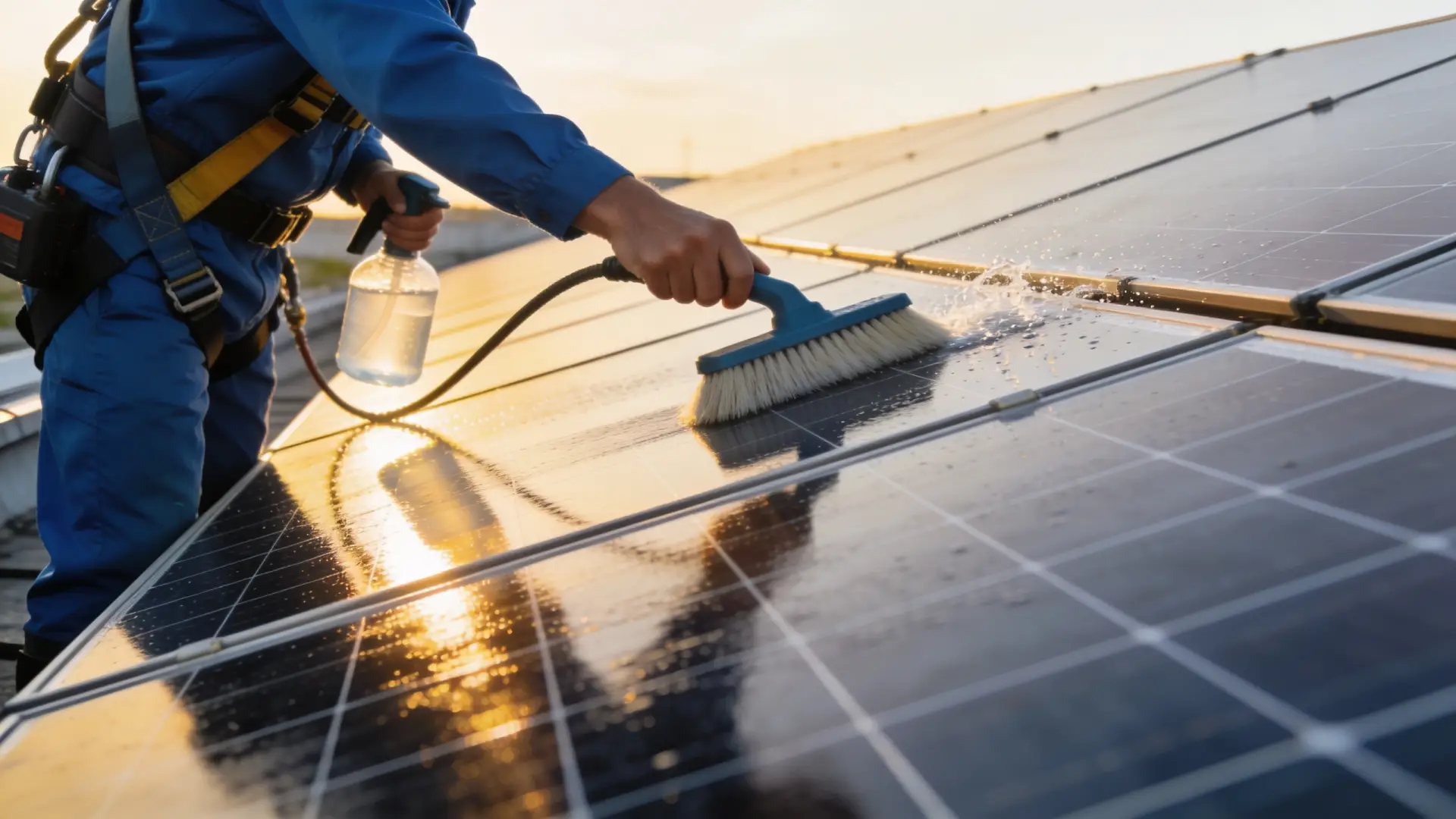
Off-grid systems demand regular attention to maintain reliability. Solar panels require quarterly cleaning in dusty locations, with annual inspection of mounting hardware and connections. Check battery water levels monthly in flooded lead-acid systems, though sealed batteries eliminate this task. Monitor charge controller settings seasonally, as temperature compensation improves performance. Most importantly, keep records of system performance to identify degradation trends before failures occur.
Water systems need different maintenance depending on source. Rainwater tanks require annual cleaning to remove sediment buildup, with more frequent attention in areas with heavy pollen or leaves. Replace sediment filters every 3-6 months and carbon filters annually, adjusting based on water volume and quality. Inspect lines for leaks monthly, as even small drips waste precious water and potentially damage your tiny house structure. Testing water quality annually provides peace of mind and identifies filtration problems early.
Common Problems and Solutions
Power issues typically stem from undercharged batteries, wiring problems, or failed components. If batteries won’t hold charge, verify solar production first—dirty panels or shading reduce output dramatically. Check all connections for corrosion, which increases resistance and wastes power. Inverter failures usually result from overloading, so review appliance usage patterns and consider upgrading capacity if needed.
Water pressure problems point to pump issues, leaks, or air in lines. Prime pumps according to manufacturer instructions if they’ve run dry. Listen for unusual noises that indicate worn impellers or failing motors. Low pressure with normal pump operation suggests leaks—inspect all connections methodically, as tiny leaks hide easily in tight spaces. Frozen pipes remain the most serious cold-weather concern, requiring heat tape and insulation in exposed areas.
Composting toilet odors indicate ventilation problems or moisture imbalance. Ensure fans operate continuously and vent pipes remain unobstructed. Add more bulking media if contents appear wet or sticky. Conversely, excessively dry material may not compost properly, requiring periodic misting with water. Fruit flies occasionally appear in warm weather but disappear with improved ventilation and diatomaceous earth sprinkled in the solids bin. For comprehensive maintenance guidelines, our composting toilet maintenance essentials covers troubleshooting in depth.
Seasonal Adjustments
Adapt your systems as seasons change to maintain performance year-round. Winter demands battery insulation, pipe heat tape activation, and potentially reduced water consumption to minimize freezing risks. Adjust solar panel angles twice yearly to optimize production—steeper in winter, shallower in summer. Summer brings different challenges like increased cooling loads and potentially reduced water availability during dry spells. Stock extra water storage before anticipated shortages, and implement strict conservation during peak demand periods.
Frequently Asked Questions
How much solar power does a tiny house actually need?
Most tiny houses function comfortably with 800-1,600 watts of solar capacity paired with 5-10 kWh of battery storage. The exact amount depends on your appliances and lifestyle, but LED lighting, a laptop, phone charging, and a small refrigerator typically consume 2-4 kWh daily. Calculate your specific needs by listing every device, its wattage, and daily runtime hours, then add 25% for system losses and cloudy days.
Do composting toilets smell in a tiny space?
Properly maintained composting toilets produce virtually no odor, even in confined spaces. Active ventilation models continuously draw air through the unit and exhaust it outside, preventing any smell from entering your living area. The key is maintaining correct moisture balance with adequate bulking material and ensuring the ventilation fan runs continuously. Poor maintenance or ventilation problems can cause odors, but these are easily resolved with proper setup and care.
Can you drink rainwater collected from your tiny house roof?
Yes, rainwater can be safely consumed after proper filtration and treatment. Install first-flush diverters to discard initial runoff, use sediment and carbon filters to remove particles and chemicals, and add UV sterilization or high-quality filtration for bacteria and protozoa. Regular maintenance of gutters and filters ensures water quality remains high. Test your water annually to verify safety, especially if you have an asphalt shingle roof which may leach chemicals.
How often do you need to empty a composting toilet in a tiny house?
For two people using a composting toilet full-time, the liquid container requires emptying every 2-5 days, while the solids bin needs emptying every 4-8 weeks. Usage patterns, climate humidity, and specific toilet model affect these timelines. Solo dwellers can extend intervals significantly, while guests or larger families shorten them. The process takes only 10-15 minutes and becomes routine quickly, with finished compost usable as fertilizer after additional composting.
What’s the biggest challenge of off-grid tiny house living?
The primary challenge is managing limited resources—particularly power and water—during extended periods of bad weather or high demand. Consecutive cloudy days can deplete battery reserves, while droughts stress water supplies. Successful off-grid living requires constant awareness of consumption and resource availability, plus willingness to adjust habits accordingly. However, proper system sizing with adequate backup capacity and conservative usage patterns make these challenges manageable rather than overwhelming.